At Liv Hospital, we tackle the tough issues of neurological disorders head-on. Epilepsy, a condition marked by recurring seizures, can be caused by scar tissue on the brain. This scar tissue can mess with how brain cells work, leading to seizures. Our team is here to offer top-notch care, following international standards, to help you through diagnosis and treatment.
We aim for the best in medical care, using the latest methods and strict ethics. Our focus is on you, helping to connect brain scarring with epilepsy. We provide clear, expert advice for those looking for reliable answers.
Key Takeaways
- Scar tissue on the brain can disrupt normal neuronal activity.
- This disruption can potentially lead to epileptic fits.
- Liv Hospital provides complete care for patients with epilepsy.
- Our care is supported by international medical standards.
- We follow current protocols for top-notch health services.
Understanding Brain Scar Tissue: Formation and Types
It’s important to know about brain scar tissue to understand its effects on our health. We’ll look at how it forms and the different types that exist.
What Constitutes Scar Tissue in the Brain
Brain scar tissue forms as a natural response to injury or disease. When the brain gets damaged, it starts to heal. This healing process can create scar tissue.
This scarring is made up of glial cells, mainly astrocytes. They grow and form a barrier around the damaged areaas medical literature explains. This scar tissue can really affect how our brain works, causing various neurological problems.
The scarring process in the brain is complex. It involves many cellular and molecular actions. The severity and location of the injury, along with individual healing responses, play a big role. Knowing these factors helps us understand why scar tissue forms differently in everyone.
Different Types of Brain Scarring
Brain scarring can take many forms, depending on the cause and injury. For example, traumatic brain injuries can cause scarring due to the physical damage. Infections and inflammatory conditions also lead to scarring as the brain tries to fight off the issue. Strokes can cause scarring too, because of the damage they do to brain tissue.
Each type of scarring can affect the brain differently. Scarring from injuries might be more localized, while scarring from infections or inflammation might spread out. Knowing these differences is key to finding the right treatment.
By understanding the different types and causes of brain scar tissue, we can grasp its impact on our brain health. This knowledge helps us create better management and treatment plans.
Common Causes of Brain Scarring
Understanding brain scarring is key because it can lead to serious conditions like epilepsy. Brain scarring, or gliosis, happens when the brain is injured or diseased. We’ll look at what causes brain scarring and how these factors contribute to it.
Traumatic Brain Injuries
Traumatic brain injuries (TBI) are a major cause of brain scarring. When the brain is hurt from outside forces, like in a car crash or fall, scar tissue forms. Up to 20 percent of epilepsy cases are linked to head trauma, showing a strong connection between TBI and neurological issues.
Infections and Inflammatory Conditions
Infections like meningitis and encephalitis can cause brain inflammation and scarring. These can come from bacteria, viruses, or fungi and vary in severity. Autoimmune diseases can also lead to brain scarring.
Strokes and Vascular Events
Strokes, including ischemic and hemorrhagic types, can severely damage brain tissue, causing scarring. Vascular events, like cerebral vasculitis, can also damage blood vessels in the brain, leading to scarring.
Tumors and Surgical Interventions
Brain tumors, whether benign or malignant, can displace or damage brain tissue, causing scarring. Surgery to remove tumors or treat other conditions can also lead to scarring. Brain surgery’s complexity means scarring is often unavoidable.
Research shows many factors contribute to epilepsy, including those mentioned.
| Cause | Description | Potential Outcome |
| Traumatic Brain Injury | External force causing brain damage | Epilepsy, cognitive impairment |
| Infections | Meningitis, encephalitis, etc. | Inflammation, scarring, epilepsy |
| Strokes | Ischemic or hemorrhagic stroke | Brain damage, scarring, epilepsy |
| Tumors and Surgery | Benign or malignant tumors, surgical interventions | Scarring, epilepsy, neurological deficits |
The Neurological Impact of Brain Scar Tissue
Brain scar tissue can deeply affect how our brain works. It might even cause epilepsy. Scar tissue can mess with how neurons talk to each other, leading to seizures.
How Scarring Disrupts Normal Brain Function
Scar tissue in the brain can mess up how neurons work. This leads to abnormal electrical activity. It can happen from injuries, infections, or strokes.
This messes with the brain’s control over electrical signals. It might start seizures.
The brain forms epileptic foci because of this. These are spots where seizures start. They happen because neurons near the scar tissue fire off in weird ways.
Formation of Epileptic Foci
Creating epileptic foci is a complex process.Research shows scar tissue can cause these foci. It does this by changing how neurons connect.
Scar tissue in the brain can start a chain of problems. The table below shows what’s involved in this process.
| Factor | Description | Impact on Brain Function |
| Traumatic Brain Injury | Physical damage to brain tissue | Disrupts normal neuronal activity |
| Infections and Inflammation | Causes damage to brain tissue | Leads to scarring and abnormal electrical activity |
| Strokes and Vascular Events | Reduces blood flow to brain areas | Results in tissue damage and possible scarring |
In conclusion, brain scar tissue has a big impact. It can mess up brain function and cause seizures. Knowing how it works is key to treating epilepsy.
Is Scar Tissue on the Brain Dangerous?
It’s important for patients and doctors to know about brain scar tissue risks. Scar tissue in the brain can cause many health problems. These can be immediate or long-term.
Immediate Risks and Complications
Scar tissue on the brain can lead to seizures right away. Seizures happen because of abnormal brain electrical activity. This is scary and needs quick medical help.
Other quick problems might include:
- Increased intracranial pressure
- Cerebral edema
- Neurological deficits, such as weakness or numbness in parts of the body
Long-term Health Implications
Scar tissue on the brain can also cause long-term health issues. One big worry is chronic epilepsy. This can really change someone’s life, needing ongoing treatment.
Long-term effects might also include:
- Cognitive difficulties, such as problems with memory or concentration
- Psychological challenges, including anxiety or depression
- Potential for further seizures or status epilepticus, a life-threatening condition
Quality of Life Considerations
Having scar tissue on the brain can really affect someone’s life. Simple things can be hard because of brain problems or feeling down.
To make life better, it’s key for people with brain scar tissue to team up with their doctors. This might mean:
- Medication management to control seizures and other symptoms
- Rehabilitation programs to address cognitive and physical deficits
- Psychological support to cope with the emotional impact of their condition
Knowing the dangers of brain scar tissue and acting early can help manage the condition. This way, people can live better lives.
The Connection Between Brain Scarring and Epilepsy
It’s important to know how brain scarring and epilepsy are linked. This knowledge helps us find better ways to treat epilepsy. Epilepsy is a condition where seizures keep happening.
How Scar Tissue Triggers Seizure Activity
Scar tissue in the brain can upset normal brain function. This upset can cause epileptic foci. These are spots where seizures start because of abnormal electrical activity.
Scar tissue changes how brain cells talk to each other. This can make cells fire too much. This is called hyperexcitability.
The Role of Hypersynchronous Neuronal Firing
Hypersynchronous neuronal firing is key in seizures. When many neurons fire together, it spreads quickly. This shows up as a seizure.
Scar tissue can start this firing. It creates a network of neurons that fires together. This makes seizures more likely.
Knowing how scar tissue leads to epilepsy helps us find new treatments. These treatments aim to stop or reduce seizures.
Traumatic Brain Injury as a Pathway to Epilepsy
The connection between traumatic brain injury and epilepsy is complex. It involves many factors that can affect the risk of seizures. Traumatic brain injury (TBI) is a major cause of epilepsy, making up to 20 percent of cases.
Statistics and Risk Factors
Research shows that several factors can increase the risk of epilepsy after TBI. These include the injury’s severity, the presence of bleeding in the brain, and early seizures. Severe TBI, with long-lasting loss of consciousness or amnesia, greatly raises the risk of post-traumatic epilepsy. Knowing these risk factors helps us find who might need preventive steps.
Post-Traumatic Epilepsy Development Timeline
The time it takes to develop post-traumatic epilepsy (PTE) varies. Most PTE cases happen within the first two years after TBI, but the risk stays high for many years. It’s important to watch for seizure signs in people who have had TBI to catch it early.
Preventive Measures After Head Trauma
Preventive steps after head trauma might include using antiepileptic drugs (AEDs) to stop early seizures. Also, managing risks like infections and proper wound care can lower epilepsy risk. Ongoing research aims to find more ways to prevent post-traumatic epilepsy.
Understanding how TBI and epilepsy are linked helps us spot at-risk people. We can then take steps to prevent or manage the condition well.
Understanding Seizures: Mechanisms and Manifestations
Seizures are a complex neurological phenomenon. They can be triggered by various factors, including brain scarring. We will explore the mechanisms behind seizures, their different types, and the warning signs that may precede them.
What Happens During a Seizure
During a seizure, there is an abnormal surge of electrical activity in the brain. This can disrupt normal brain function, leading to a range of symptoms. The severity and manifestation of these symptoms depend on the area of the brain affected. For instance, if the seizure occurs in the motor cortex, it may cause convulsions or muscle spasms.
The brain’s electrical activity becomes hypersynchronous, meaning that many neurons fire simultaneously, leading to the characteristic symptoms of a seizure. This hypersynchronous activity can be detected using electroencephalography (EEG), a key diagnostic tool for epilepsy.
Different Types of Seizures Associated with Brain Scarring
Brain scarring can lead to various types of seizures, mainly focal seizures, which start in a specific area of the brain. Focal seizures can be further divided into two categories:
- Focal aware seizures, where the individual remains conscious
- Focal impaired awareness seizures, where consciousness is affected
In some cases, focal seizures can evolve into generalized seizures, which involve both hemispheres of the brain. Generalized seizures can manifest as tonic-clonic seizures (formerly known as grand mal seizures), characterized by convulsions and loss of consciousness.
Warning Signs and Triggers
Some individuals may experience aura or prodrome, which are warning signs that a seizure is impending. These can include unusual sensations, mood changes, or other symptoms. Recognizing these warning signs can help individuals take preventive measures or seek a safe environment.
Seizure triggers can vary widely among individuals. Common triggers include:
- Stress
- Lack of sleep
- Certain medications or substances
Understanding personal triggers can help in managing seizure activity. We recommend keeping a seizure diary to track when seizures occur and possible triggers.
The Broader Etiology of Epilepsy
Epilepsy is a complex disorder with many causes. It involves genetics, development, and acquired factors. Knowing what causes epilepsy helps in diagnosing and treating it. We will look at the different causes of epilepsy.
Genetic Factors in Epilepsy Development
Genetics play a big role in epilepsy. Some genetic mutations can lead to epilepsy. For example, conditions like tuberous sclerosis complex and Dravet syndrome can cause it. Genetic testing can find these mutations early, helping in treatment.
Developmental and Congenital Causes
Developmental and congenital factors also contribute to epilepsy. Issues in brain development can cause it. Conditions like cortical dysplasia are examples. Advanced imaging like MRI helps find these issues.
Acquired Causes Including Scar Tissue
Acquired causes, like scar tissue in the brain, are also important. Trauma, infections, and strokes can cause scar tissue. This can disrupt brain function and lead to seizures. Scar tissue is a common cause of epilepsy, often seen in those with head trauma.
“The development of post-traumatic epilepsy is a significant concern for individuals who have experienced head injuries, highlighting the need for careful monitoring and preventive measures.”
Idiopathic Epilepsy
Many cases of epilepsy are idiopathic, meaning we don’t know the cause. This makes treatment challenging. Research into genetic and environmental factors is key to better treatments.
Understanding epilepsy’s causes is vital for care. By looking at genetics, development, acquired, and idiopathic causes, we can tailor treatments. This approach helps each patient get the best care.
Diagnosing and Treating Scar Tissue-Related Epilepsy
Epilepsy caused by scar tissue in the brain is complex. It needs precise diagnosis and effective treatment. We will explain how to diagnose and treat this condition.
Imaging Techniques for Detecting Brain Scarring
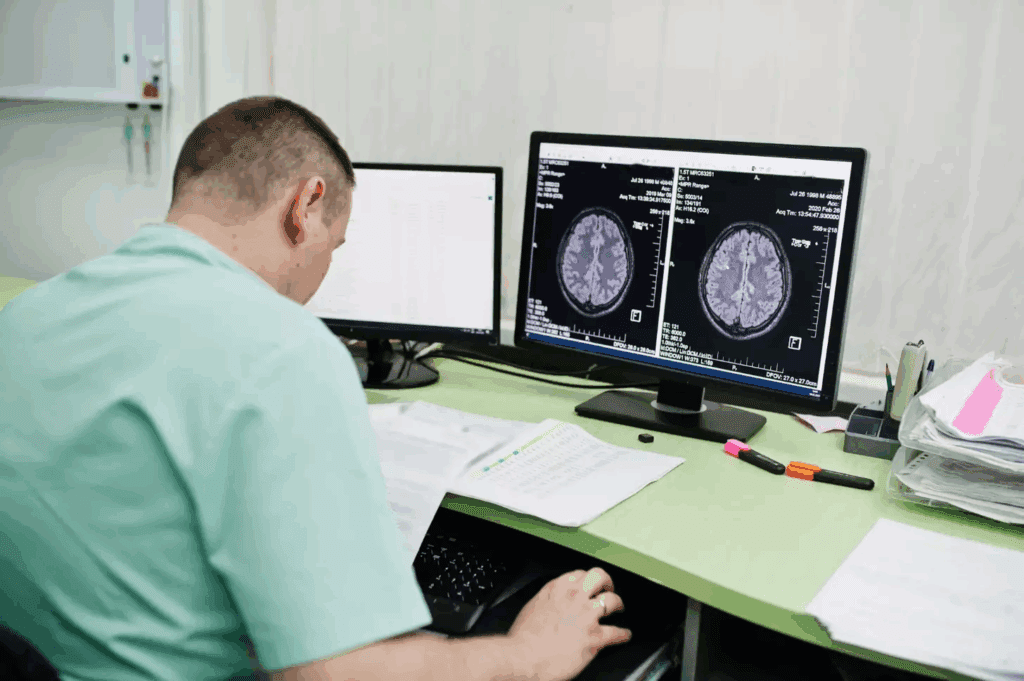
Advanced imaging is key in finding brain scarring. Magnetic Resonance Imaging (MRI) is great for spotting scar tissue. It shows how the scarring affects the brain.
MRI helps doctors plan the best treatment. Knowing the extent and location of scarring is essential.
Electroencephalogram (EEG) and Other Diagnostic Tools
Electroencephalogram (EEG) is also vital. It measures brain electrical activity. This helps doctors spot seizure patterns.
Other tools like video EEG monitoring and functional MRI (fMRI) offer more insights. They help understand brain function and seizure activity.
For more details, check outthis research paper. It talks about diagnosing epilepsy linked to brain scarring.
Medication Management Strategies
Medication is often the first treatment for epilepsy caused by scar tissue. Antiepileptic drugs (AEDs) help control seizures. The right medication depends on several factors.
We work with patients to find the best medication. We also watch how they respond to treatment.
Surgical Interventions
For some, surgical interventions are needed. This might include removing the scar tissue or the area causing seizures. Options include resective surgery and corpus callosotomy.
We carefully decide if surgery is right for each patient. We discuss the benefits and risks with them.
By using advanced diagnostics and treatments, we can better manage scar tissue-related epilepsy. This improves our patients’ quality of life.
Conclusion
Scar tissue on the brain can be very dangerous. It can lead to epilepsy. It’s important to understand why this happens and how to treat it.
Things like head injuries, infections, and strokes can cause brain scarring. This scarring can mess up how the brain works. It can even cause seizures.
At Liv Hospital, we focus on top-notch care for patients from around the world. Our team works hard to help those with scar tissue and epilepsy. We make sure each patient gets the care they need.
Getting medical help quickly is key. With the right treatment, people can manage the risks of brain scarring. It’s vital to see experienced doctors for the best care.
FAQ
What is scar tissue on the brain, and how is it related to epilepsy?
Scar tissue on the brain forms after injury or trauma. It can mess up how the brain works. This might cause epilepsy, a condition with recurring seizures.
Can head trauma cause epilepsy?
Yes, head trauma can lead to epilepsy. It can cause scar tissue, which might start seizures.
What are the common causes of brain scarring?
Brain scarring can happen from many things. These include head injuries, infections, strokes, tumors, and surgery. These can cause scar tissue and possibly epilepsy.
How does scar tissue trigger seizure activity?
Scar tissue can mess up brain signals. This can create areas where seizures start.
Is scar tissue on the brain dangerous?
Yes, brain scar tissue is risky. It can cause epilepsy, brain problems, and other issues. The danger depends on the scar’s size, location, and your health.
What are the symptoms of seizures associated with brain scarring?
Seizures from brain scarring can show in many ways. This includes convulsions, losing consciousness, strange feelings, and odd behaviors. The symptoms vary based on the seizure’s location and type.
How is scar tissue-related epilepsy diagnosed?
Doctors use MRI, EEG, and other tools to find brain scarring and seizures. This helps diagnose epilepsy linked to scar tissue.
What are the treatment options for scar tissue-related epilepsy?
Treatments include medicines, surgery, and other therapies. They aim to control seizures and improve life quality.
Can scar tissue on the brain be prevented?
Some scarring causes, like head injuries, can be avoided. But others, like infections or strokes, might not be preventable. Quick medical care and treatment can lower scarring risks.
What is the role of hypersynchronous neuronal firing in epilepsy?
Hypersynchronous neuronal firing is when neurons act abnormally together. This can lead to seizures. Scar tissue can cause this abnormal activity.
Are there any preventive measures that can be taken after head trauma to reduce the risk of epilepsy?
Yes, quick medical help, proper wound care, and follow-up treatment can help prevent epilepsy after head trauma.
Reference:
- The Anatomical Basis of Seizures.https://www.ncbi.nlm.nih.gov/books/NBK580614/
- Basic Mechanisms Underlying Seizures and Epilepsy.https://www.ncbi.nlm.nih.gov/books/NBK2510/
- What Are the Causes of Epilepsy?https://parisbraininstitute.org/disease-files/epilepsy/what-are-causes-epilepsy



 Departments
 Related Videos
 Our Doctors
 News
News