
Getting a tumor diagnosis can be scary. Knowing what kind of tumor you have is key to finding the right treatment. At Liv Hospital, we focus on clear and caring care. Benign tumors are not cancer and grow slower. They stay in one place. On the other hand, malignant tumors are cancer and can spread.
It’s important to know the difference between these tumors. We’ll look at how benign tumors and malignant tumors grow. We’ll also talk about if a benign mass can turn into cancer.
Key Takeaways
- Benign tumors are non-cancerous and typically grow slower than malignant tumors.
- Malignant tumors are cancerous and can invade surrounding tissues.
- The growth rate of tumors is a critical factor in determining their nature.
- Understanding the differences between benign and malignant tumors is vital for effective treatment.
- Liv Hospital provides complete care for patients with tumor diagnoses.
Understanding Tumors: The Basics
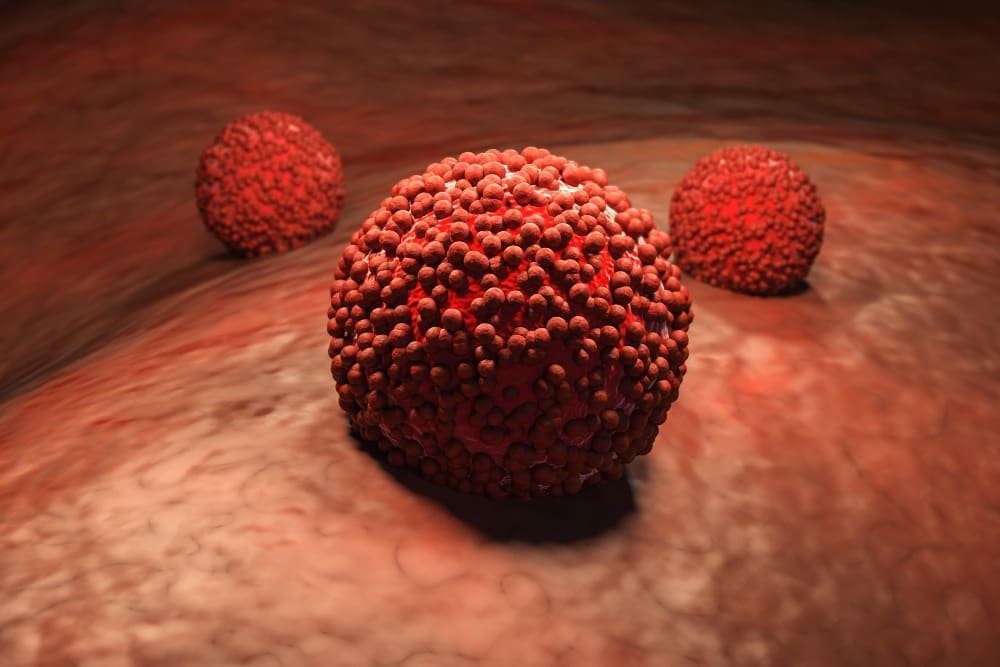
To understand tumors, we need to know how they form and the differences between benign and malignant ones. Tumors are abnormal cell growths that can be either benign or malignant. They form due to genetic mutations that cause cells to divide uncontrollably.
What Defines a Tumor?
A tumor is defined by its abnormal cell growth, caused by genetic mutations. “A tumor is an abnormal mass of tissue that results from cells dividing more than they should or not dying when they should,” as defined by cancer research institutions. This uncontrolled growth can lead to the formation of a mass that can be either benign or malignant.
The Cellular Mechanisms Behind Tumor Formation
The process of tumor formation starts at the cellular level. Genetic mutations affect the normal regulation of cell growth and division. These mutations can be caused by various factors, including environmental exposures and inherited genetic defects. As a result, cells begin to divide uncontrollably, forming a tumor. The key difference between benign and malignant tumors lies in their ability to invade surrounding tissues and metastasize to other parts of the body.
Benign tumors grow locally and don’t invade surrounding tissues. On the other hand, malignant tumors grow aggressively and can spread to other parts of the body. This makes them a serious health threat.
“The distinction between benign and malignant tumors is critical for determining the appropriate course of treatment and understanding the potential risks associated with each type of tumor.”
Do Benign Tumors Grow Fast?
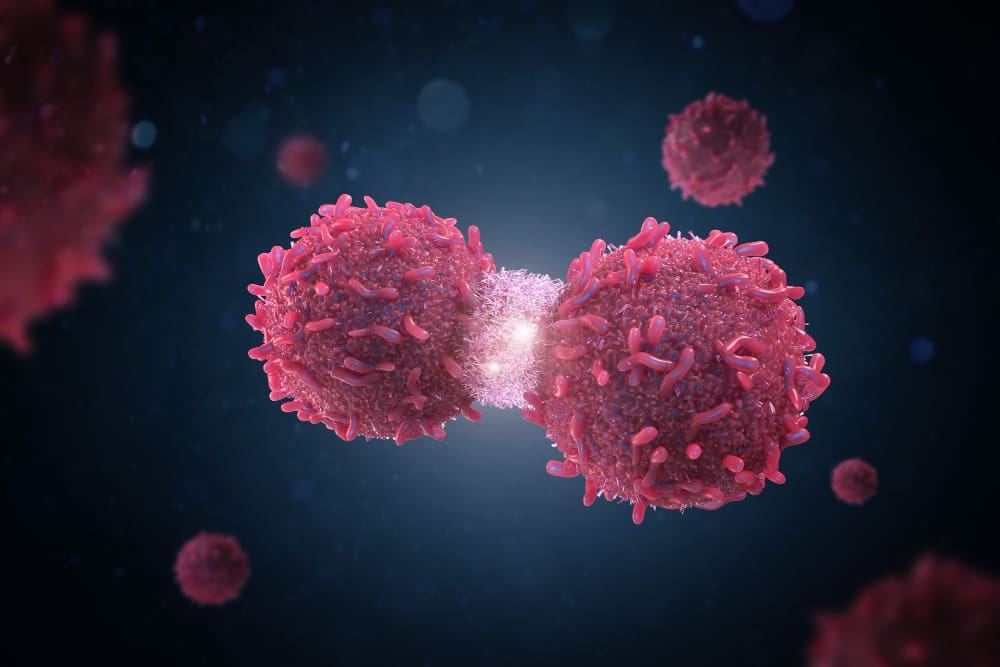
Benign tumors are non-cancerous growths that can appear in different parts of the body. They grow slowly, which is important to know for treatment and management.
Typical Growth Patterns of Benign Tumors
Benign tumors grow slowly, usually less than 3 mm per year. This slow growth is a key difference from cancerous tumors, which grow faster.
Because they grow slowly, benign tumors don’t spread to other parts of the body. But, their growth can cause symptoms or problems, depending on where they are and how big they get.
Measuring Growth Rates in Clinical Settings
In clinics, doctors use imaging like ultrasound, MRI, or CT scans to track benign tumor growth. These tools help doctors see how the tumor changes over time.
By comparing images, doctors can figure out how fast a benign tumor is growing. This helps them decide if they should keep watching the tumor or if it needs to be removed surgically.
| Imaging Modality | Typical Use | Advantages |
|---|---|---|
| Ultrasound | Monitoring superficial tumors | Non-invasive, cost-effective |
| MRI | Detailed imaging of soft tissues | High resolution, excellent for soft tissue characterization |
| CT Scan | Imaging internal organs and structures | Quick, provides detailed cross-sectional images |
Knowing how fast benign tumors grow and how doctors measure this helps both patients and doctors make better choices. Regular checks and the right imaging tools are important for managing these tumors well.
Malignant Tumor Growth Characteristics
Malignant tumors grow aggressively, posing serious health risks. They differ from benign tumors because they can spread to other parts of the body. This makes their growth patterns very important in understanding their disease.
Aggressive Growth as a Hallmark of Malignancy
Malignant tumors grow fast and out of control. They can grow more than 5 mm per year, much faster than benign tumors. This rapid growth happens because the tumor cells ignore normal growth rules, leading to unchecked growth.
Quantifying Malignant Growth Rates
It’s key to measure how fast malignant tumors grow. Imaging techniques like MRI and CT scans help track this. By seeing how the tumor size changes, doctors can figure out how aggressive it is and plan treatment.
Research shows malignant tumors grow at different rates. But fast growth usually means a worse outcome. So, it’s vital to accurately measure tumor growth to predict patient outcomes and make treatment decisions.
Comparing Growth Velocities: Benign vs. Malignant
Looking at how fast benign and malignant tumors grow helps us understand them better. This knowledge is key to picking the right treatment.
Statistical Differences in Growth Patterns
Malignant tumors grow much faster than benign ones. This difference comes from their cells and genes.
A study on breast tumors showed a big gap in growth rates. Malignant tumors doubled in about 100 days. Benign ones took over 500 days.
| Tumor Type | Median Doubling Time (Days) | Growth Rate Characteristics |
|---|---|---|
| Benign | 500+ | Slow, localized growth |
| Malignant | 100 | Rapid, invasive growth |
Case Studies and Research Findings
Many studies and case reports show the growth rate differences. For example, a Journal of Clinical Oncology study found that fast-growing tumors often led to worse outcomes.
“The growth rate of a tumor is a critical factor in determining its malignancy and its impact on patient health.”
Factors That Influence Growth Rates
Many things can change how fast tumors grow. These include genetic changes, environmental factors, and the tumor’s surroundings.
- Genetic mutations can make tumors grow faster.
- Things like carcinogens in the environment can also affect growth rates.
- The area around the tumor is very important for its growth speed.
Knowing these factors helps doctors find better treatments and improve patient care.
What Makes a Tumor Malignant?
Malignant tumors are different from benign growths. They have specific behaviors. Knowing these is key to treating them well and helping patients.
The Process of Invasion and Metastasis
Malignant tumors can spread to other parts of the body. They do this by changing their cells and genes. This lets them break away, travel through the blood or lymph, and start new tumors elsewhere.
Invasion means these cells can move into and harm nearby tissues. They also make new blood vessels. This gives the tumor the nutrients and oxygen it needs to grow.
Metastasis is when these cells move to other places. It’s a complex process. It includes steps like moving into blood vessels, traveling, and starting new tumors in other areas.
| Step | Description |
|---|---|
| Local Invasion | Malignant cells invade surrounding tissues. |
| Intravasation | Malignant cells enter the bloodstream or lymphatic system. |
| Circulation | Malignant cells are transported to distant sites. |
| Extravasation | Malignant cells exit the bloodstream or lymphatic system. |
| Colonization | Malignant cells establish new growths in distant tissues. |
Cellular and Genetic Characteristics
Malignant tumors have certain cell and gene changes. They grow without control, lose their normal shape, and can’t die on their own.
Genetic changes are key in making tumors malignant. Changes in genes that control cell growth can lead to tumors growing and spreading.
Are All Malignant Tumors Cancerous?
The terms “malignant” and “cancerous” are often mixed up. But, not all malignant tumors are cancerous. Some non-cancerous conditions can act like malignant tumors.
In oncology, though, malignant tumors are seen as cancerous. This is because they can invade and spread to other parts of the body.
Benign Tumors: Characteristics and Types
We will explore the various characteristics and types of benign tumors. We will shed light on their growth patterns.
Common Benign Tumor Types
Benign tumors can occur in various parts of the body. Their types are often classified based on the tissue they originate from. Common types include lipomas, which are fatty tumors, and leiomyomas, which are smooth muscle tumors. Other types include osteomas, which are bone tumors, and adenomas, which are glandular tumors.
To illustrate the diversity of benign tumors, let’s examine some specific examples:
| Tumor Type | Tissue Origin | Common Location |
|---|---|---|
| Lipoma | Fatty tissue | Just under the skin |
| Leiomyoma | Smooth muscle | Uterus |
| Osteoma | Bone | Skull or jawbone |
| Adenoma | Glandular tissue | Various glands |
Localized Growth Patterns
Benign tumors are characterized by their localized growth patterns. Unlike malignant tumors, they do not invade surrounding tissues or metastasize to other parts of the body. The growth rate of benign tumors is typically slow, and they may remain asymptomatic for a long time.
Impact on Surrounding Tissues
Even though benign tumors are non-cancerous, they can impact the surrounding tissues and organs. This depends on their location and size. For instance, a benign tumor growing near a nerve can cause pain or discomfort. A tumor growing in a confined space like the brain can lead to more serious complications.
Understanding the characteristics and types of benign tumors is essential. It helps determine the best course of treatment and management.
Can Benign Tumors Become Malignant?
It’s important to know if benign tumors can turn into malignant ones. Benign tumors are usually not dangerous. But, they can change into malignant tumors under certain conditions.
The Transformation Process Explained
The change from benign to malignant involves many genetic and molecular changes. Genetic mutations are key in this process. They often come from a mix of environmental factors and inherited traits.
Some benign tumors are more likely to turn malignant. For example, adenomas in the colon can become colorectal cancer if not treated.
Risk Factors for Malignant Transformation
Several factors can increase the chance of a benign tumor becoming malignant. These include:
- Genetic predisposition
- Exposure to radiation
- Certain viral infections
- Family history of cancer
Knowing these risk factors helps in early detection and prevention.
Examples of Benign-to-Malignant Progression
There are many cases where benign tumors turned malignant. For example, plexiform neurofibromas linked to neurofibromatosis type 1 (NF1) can become malignant peripheral nerve sheath tumors.
| Benign Tumor Type | Malignant Counterpart | Risk Factors |
|---|---|---|
| Adenomas | Colorectal Cancer | Genetic mutations, family history |
| Plexiform Neurofibromas | Malignant Peripheral Nerve Sheath Tumors | NF1 genetic disorder |
| Ductal Carcinoma In Situ (DCIS) | Invasive Breast Cancer | Genetic mutations, hormonal influences |
Understanding the risks and how benign tumors can become malignant helps doctors. They can then create better monitoring and treatment plans.
Diagnostic Methods for Differentiating Tumor Types
Distinguishing between benign and malignant tumors is key. It’s vital for choosing the right treatment and improving patient outcomes.
Imaging Techniques and Their Accuracy
Imaging is a first step in tumor assessment. We use ultrasound, CT scans, MRI, and PET scans for this. Each has its own strengths and weaknesses.
MRI is great for soft tissue tumors because of its detail. CT scans are better for lung or liver tumors. These tools give a good overview of the tumor, but their accuracy can vary.
Biopsy and Histological Analysis
Imaging gives clues, but biopsy and histological analysis are needed for a clear diagnosis. This involves looking at tissue samples under a microscope.
There are various biopsies, like fine-needle aspiration and core needle biopsy. Each is best for different tumors and locations. Histology can show if a tumor is benign or malignant.
Molecular and Genetic Testing
Molecular and genetic testing also help in tumor characterization. These tests look for specific genetic mutations or markers.
For example, genetic tests can find BRCA1 and BRCA2 mutations in breast cancer. This helps in making treatment plans. Molecular tests also give insights into how a tumor might behave and respond to treatment.
| Diagnostic Method | Key Features | Accuracy |
|---|---|---|
| Imaging Techniques | Non-invasive, provides structural information | High, when used in combination |
| Biopsy and Histological Analysis | Invasive, provides cellular information | Very High, considered definitive |
| Molecular and Genetic Testing | Provides genetic and molecular information | High, for specific mutations and markers |
Monitoring Strategies Based on Tumor Type
Managing both benign and malignant tumors requires effective monitoring strategies. Different tumor types need unique approaches to monitoring. This is key for finding the best treatment and improving patient outcomes.
Protocols for Benign Tumor Surveillance
Surveillance for benign tumors focuses on tracking growth and spotting any changes that might signal a shift to malignancy. Regular imaging, like ultrasound or MRI, is often used. The monitoring schedule depends on the tumor’s type, size, location, and the patient’s health.
Benign tumors in sensitive areas, like the brain or near vital organs, need more frequent checks. Sometimes, a wait-and-watch approach is used. This means watching the tumor closely without immediate action, unless it shows signs of growth or other concerning changes.
“The key to managing benign tumors is regular surveillance and timely intervention when necessary.”
Monitoring Schedules for Suspected Malignancies
For tumors thought to be malignant, a more aggressive monitoring plan is followed. This might include more frequent imaging, like PET scans or CT scans, and biopsies. The aim is to quickly figure out the tumor’s nature and plan the right treatment.
| Tumor Type | Monitoring Frequency | Typical Imaging Studies |
|---|---|---|
| Benign | Every 6-12 months | Ultrasound, MRI |
| Suspected Malignant | Every 3-6 months | PET, CT scans |
When to Consider Intervention
Intervention is needed when monitoring shows significant changes in the tumor. This includes rapid growth, changes in shape, or symptoms that affect the patient’s quality of life. For benign tumors, this might mean surgery or other treatments to ease symptoms or prevent complications.
For malignant tumors, acting quickly is vital. Treatment plans are based on the tumor’s characteristics, stage, and the patient’s health. This could include surgery, chemotherapy, radiation therapy, or a mix of these.
We stress the importance of personalized care in monitoring and treating tumors. Tailoring monitoring strategies to the tumor type and patient needs improves outcomes and enhances quality of life.
Treatment Approaches Based on Growth Patterns
Treatment for tumors depends a lot on how fast they grow. This can be different for benign and malignant tumors. The speed at which a tumor grows is key in picking the right treatment.
Management Options for Slow-Growing Benign Tumors
Benign tumors that grow slowly usually need a gentle approach. Watchful waiting or active surveillance might be suggested. This means keeping an eye on the tumor for any size changes or symptoms.
In some cases, surgical removal might be needed if the tumor is causing trouble or could cause problems later.
Decisions on treatment depend on the tumor’s location, size, and how it might affect nearby tissues. For example, a tumor in a sensitive area might need more checks or treatment sooner.
Interventions for Rapidly Growing Malignant Tumors
Malignant tumors that grow fast need stronger treatment. Chemotherapy, radiation therapy, or surgical resection might be used alone or together. This depends on the tumor and the patient’s health.
The aim is to stop the tumor from growing, ease symptoms, and improve life quality. Multidisciplinary care teams create detailed plans for each patient.
Personalized Treatment Planning
Personalized plans are key for the best results. We look at many things, like the tumor’s growth, genetics, and the patient’s history and wishes. Genomic profiling and other tests help find the best treatments.
By matching treatment to each tumor’s unique traits, we can make treatments work better and reduce side effects. Our focus is on patient-centered care. We make sure each person gets the right and most effective treatment for them.
Conclusion
It’s key to know the difference between benign and malignant tumors for the right diagnosis and treatment. We’ve looked at how these tumors grow and what makes them different. This knowledge is very important.
Benign tumors grow slowly, while malignant ones grow fast and aggressively. Knowing this helps doctors choose the best treatment. It also affects how well a patient will do.
Understanding these tumor types helps us care for patients better. We can plan treatments that really work. We’ve seen how fast a tumor grows is very important in deciding what to do next.
In short, knowing the difference between benign and malignant tumors is very important for doctors. We need to keep learning and spreading the word. This will help make treatments better for patients.
What is the main difference between benign and malignant tumors?
Benign tumors are non-cancerous and don’t spread. Malignant tumors are cancerous and can spread.
How fast do benign tumors grow compared to malignant tumors?
Benign tumors grow slowly. Malignant tumors grow fast and aggressively.
Can benign tumors become malignant?
Yes, benign tumors can turn into malignant ones. This happens through genetic changes and other factors.
What are the typical growth patterns of benign tumors?
Benign tumors grow slowly and stay in one place. But, they can cause health problems based on their size and location.
How are growth rates measured in clinical settings?
Doctors use imaging to track tumor growth. This helps them understand the disease and plan treatment.
What makes a tumor malignant?
Malignant tumors invade tissues and spread to other parts. This is due to changes in cells and genes.
Are all malignant tumors cancerous?
Yes, all malignant tumors are cancerous. Their fast growth poses serious health risks.
What diagnostic methods are used to differentiate between benign and malignant tumors?
Doctors use imaging, biopsy, and genetic tests to tell benign from malignant tumors.
How are treatment approaches determined based on tumor type?
Treatment plans differ for benign and malignant tumors. Personalized plans are key for the best results.
What are the risk factors for malignant transformation of benign tumors?
Genetic mutations and other factors can lead to cancerous changes in benign tumors.
When should intervention be considered for tumor management?
Intervention depends on the tumor type, its growth, and other factors. Monitoring strategies vary based on these factors.
References
AJR. DOI 10.2214/AJR.19.21342. https://ajronline.org/doi/10.2214/AJR.19.21342