
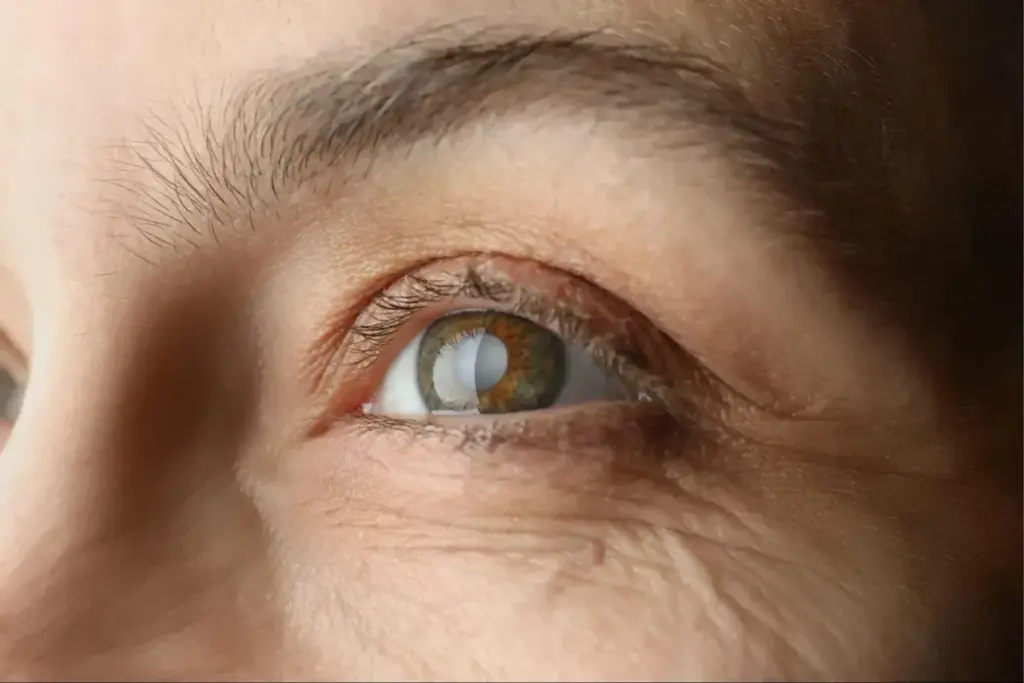
Glaucoma is often called the “silent thief of sight.” It can move slowly without clear signs until vision loss is severe. This chronic eye disease affects over 70 million people globally, leading to blindness.
Knowing your risk factors is key to avoiding vision loss. Most people with glaucoma progress slowly. But, about 46.5% will see noticeable changes in 10 years. Some risk factors can make the disease move much faster, so understanding your risk is vital.
Key Takeaways
- Glaucoma can progress slowly without noticeable symptoms.
- Over 70 million people worldwide are affected by glaucoma.
- Understanding individual risk factors is key to preventing vision loss.
- Approximately 46.5% of treated patients experience measurable progression over 10 years.
- Certain risk factors can make the disease progress much faster.
Understanding Glaucoma as a Chronic Optic Neuropathy
Grasping glaucoma as a chronic optic neuropathy is key to understanding its vision impact. It’s not just one disease but a group of conditions that harm the optic nerve. This harm often comes from high eye pressure and can cause vision loss, starting with the sides, and even blindness if untreated.
The way glaucoma progresses varies a lot among people. This depends on the type of glaucoma, age, genetics, eye pressure, and health. This shows why each person needs a treatment plan that fits them and regular check-ups.
What Happens During Glaucoma Progression
As glaucoma gets worse, the optic nerve gets damaged, leading to vision loss that can’t be reversed. The speed of this damage can change based on treatment success and overall health.
Key factors influencing glaucoma progression include:
- Increased intraocular pressure
- Age and genetics
- Presence of other health conditions
- Effectiveness of treatment
Knowing these factors is key to managing glaucoma well. Regular visits and sticking to treatment plans can help slow down the disease.
Why Glaucoma Remains a Leading Cause of Blindness
Glaucoma is a top cause of blindness worldwide because it often has no symptoms in the early stages. Many people don’t find out they have it until they’ve lost a lot of vision.
| Risk Factors | Description | Impact on Glaucoma Progression |
| Increased Intraocular Pressure | High pressure within the eye | Accelerates optic nerve damage |
| Family History | Genetic predisposition to glaucoma | Increases risk of developing glaucoma |
| Age | Risk increases with age | More likely to experience progression |
Early detection and treatment are vital to stop vision loss. We stress the need for regular eye exams, even more so for those at higher risk.
How Fast Does Glaucoma Progress in Most Patients
Studies have been looking into how fast glaucoma moves in most people. This is important for both patients and doctors to handle the disease well. It helps in making the right treatment choices.
Average Progression Rates: What the Numbers Mean
Research shows glaucoma moves about 8.5 years for each stage on a nine-stage scale. This gives a basic idea of how fast the disease can move. But, it’s key to remember that everyone’s disease moves at their own pace.
Doctors use this average to figure out risks and plan treatments. For example, knowing how fast glaucoma moves helps doctors:
- Keep a closer eye on patients
- Change treatment plans when needed
- Give patients clear ideas about their disease
The Glaucoma Progression Timeline: 8.5 Years Per Stage
The glaucoma progression timeline is key in managing the disease. Studies say it takes about 8.5 years for glaucoma to move to the next stage. This timeline helps patients know what to expect and why regular check-ups and treatment are so important.
Glaucoma goes through many stages, from mild to severe. The 8.5-year timeline for each stage means it can take decades to go from early to advanced stages. But, the right treatment can slow this down a lot.
Advanced Glaucoma: Long-Term Progression Patterns
For those with advanced glaucoma, the worry is not just how fast it moves but also its long-term effect on vision. Research shows about 46.5% of patients with advanced glaucoma show signs of progression over 10 years or more. This shows how different people’s diseases can progress and why constant checks are needed.
Knowing how glaucoma moves over time is important for managing patient hopes and finding the best treatments. It also shows why catching the disease early and acting fast is so critical.
In summary, while glaucoma moves at different rates for everyone, knowing the average rates and timelines helps both patients and doctors make better choices. Regular checks and quick action are essential in managing glaucoma well.
What Percentage of Glaucoma Patients Are Actually at Risk
Glaucoma is serious, but most patients don’t see their vision worsen quickly. We’ll look at the numbers to see how many glaucoma patients face serious vision loss.
Stable Outcomes: The Reassuring Statistics
Many glaucoma patients stay the same for years. About 52.5% of treated glaucoma patients don’t get worse by one stage in 10 years. And about 37.5% only get worse by one stage. This is good news, showing most patients do well with treatment and don’t lose much vision.
Deterioration Over a Decade
It’s important to know how many patients get worse over 10 years. Studies show that while some do get worse, it’s usually slow. This slow pace means doctors can manage the disease well.
The Minority at Risk
Even though most glaucoma patients stay the same, a small group is at risk for losing vision. Finding this group early is key to changing their treatment. Regular check-ups and tailored treatment are essential for managing glaucoma well.
| Patient Group | Percentage | Progression Outcome |
| Stable Patients | 52.5% | No deterioration by one severity stage over 10 years |
| Patients with Minimal Deterioration | 37.5% | Deterioration by only one stage over 10 years |
| Patients at Risk | 10% | Significant progression, possible vision loss |
Knowing these numbers helps us see why early diagnosis and treatment are so important. Most glaucoma patients don’t lose much vision, giving them a good chance of keeping their sight.
Conclusion: Your Glaucoma Prognosis With Early Diagnosis and Treatment
Getting glaucoma early is key to saving your sight. With the right treatment, most people can keep their vision sharp. A glaucoma diagnosis might worry you, but today’s treatments offer hope.
Knowing how fast glaucoma moves is vital for your future. Studies show that early action helps most people stay stable. Only a few might face vision loss later on.
By focusing on your eye health, you can greatly improve your outlook. Regular eye exams and sticking to your treatment are critical. We aim to provide top-notch care and support. Our goal is to help you keep your vision and enjoy life fully.
FAQ
What is glaucoma progression?
Glaucoma progression is the gradual worsening of optic nerve damage and vision loss over time.
How fast does glaucoma progress?
Progression varies; some patients experience slow changes over years, while others deteriorate more quickly.
What are the risk factors for glaucoma progression?
High intraocular pressure, age, family history, advanced disease at diagnosis, and poor treatment adherence.
What percentage of glaucoma patients go blind?
A small percentage, roughly 10–15%, may develop blindness if glaucoma is untreated or poorly managed.
How many treated glaucoma patients deteriorate over 10 years?
About 15–25% of treated patients may experience some progression despite therapy.
Can glaucoma be treated effectively?
Yes, treatment can slow or prevent further vision loss, especially with early diagnosis.
What is the glaucoma prognosis with early diagnosis and treatment?
Early detection and consistent treatment often allow patients to maintain functional vision for life.
How often should I have my eyes checked for glaucoma?
Eye exams are recommended every 1–2 years, or more frequently for high-risk individuals.
References
Glaucoma. In StatPearls (Internet). StatPearls Publishing. https://www.ncbi.nlm.nih.gov/books/NBK538217/