

Neurosurgery is a highly demanding field that needs precision, focus, and a lot of emotional strength. The high-stakes environment of neurosurgery can really affect those who work in it.
Beyond the money, how hard is it to be a neurosurgeon? Discover the emotional risks and the intense mental strength required for brain surgery.
Studies show that neurosurgeons face more burnout than other doctors. The weight of responsibility for their patients’ lives and the need to be perfect all the time adds to this burnout.
We look into what makes neurosurgeons emotionally strained. This sets the stage for a detailed talk on the challenges and demands of being a neurosurgeon.
Key Takeaways
- Neurosurgeons face high emotional risks due to the demanding nature of their job.
- The pressure to perform and the responsibility for patient outcomes contribute to burnout.
- Understanding these challenges is key to creating support systems for neurosurgeons.
- The emotional toll of neurosurgery can significantly impact both personal and professional life.
- Recognizing burnout signs is the first step to reducing its impact.
The Demanding Path to Neurosurgery

Starting a career in neurosurgery is a big challenge. It needs dedication, hard work, and a solid education. We’ll look at the tough educational path and the competitive selection process for those who want to be neurosurgeons.
Educational Requirements and Timeline
The journey to becoming a neurosurgeon starts with a strong academic base. You usually need a bachelor’s degree in a science field. Then, you spend four years in medical school to get an M.D. or D.O. degree.
After medical school, you enter a seven-year residency program. This is approved by the Accreditation Council for Graduate Medical Education (ACGME). During this time, you get hands-on experience in treating neurological conditions under the guidance of experienced neurosurgeons.
|
Educational Stage |
Duration |
Description |
|---|---|---|
|
Bachelor’s Degree |
4 years |
Typically in a science-related field, preparing for medical school. |
|
Medical School |
4 years |
Earns an M.D. or D.O. degree, providing a foundation in medicine. |
|
Residency Program |
7 years |
Hands-on training in neurosurgery under supervision. |
Competitive Selection Process
The selection for neurosurgery residency programs is very competitive. Candidates are judged on their academic record, research experience, and clinical skills. The process uses a match system, where applicants rank their top choices and programs rank their top applicants. The National Resident Matching Program (NRMP) then matches applicants with programs based on these rankings.
Key factors in the selection process include:
- USMLE or COMLEX scores
- Research publications and presentations
- Letters of recommendation
- Personal statement
Because neurosurgery is so competitive, many aspiring neurosurgeons get additional degrees, like a Ph.D. They also do a lot of research to make their applications stronger.
How Hard Is It to Be a Neurosurgeon?
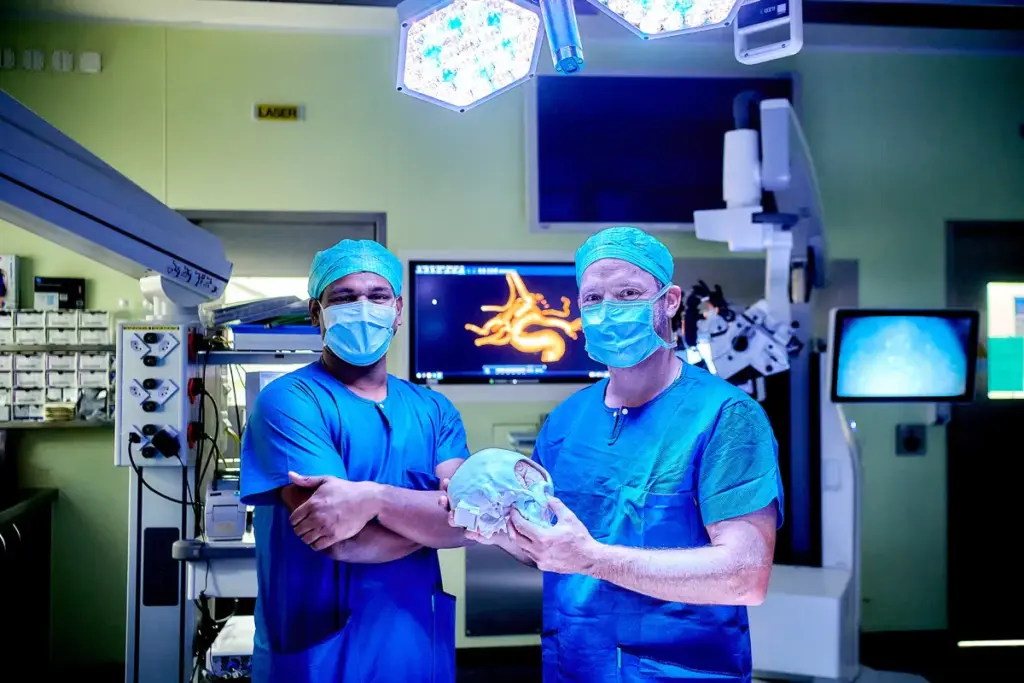
Neurosurgery is a very demanding field in medicine. It needs technical skill, physical stamina, and mental strength. The high stakes and complexity of neurosurgical procedures mean surgeons face big physical and mental challenges.
Physical Demands of the Profession
Being a neurosurgeon is physically tough. Surgeons often work long hours in the operating room, standing and focusing hard. This physical effort is made harder by the need for precision and control during long, detailed procedures.
Some of the physical challenges include:
- Prolonged standing and maintaining awkward positions
- High levels of concentration leading to mental and physical fatigue
- The need for precise motor skills and hand-eye coordination
To show the physical demands, here’s some data on neurosurgeons’ work hours and physical strain:
|
Aspect |
Average Value |
|---|---|
|
Average hours worked per week |
60-80 hours |
|
Average duration of a surgical procedure |
4-6 hours |
|
Percentage of surgeons reporting physical strain |
85% |
Mental Challenges and Cognitive Load
Neurosurgeons face big mental challenges too. They must make life-or-death decisions quickly, under pressure. They need to process complex information fast and make accurate decisions that affect patients’ lives.
The mental strain is further exacerbated by the need to manage high levels of stress and maintain focus over extended periods. To manage this, neurosurgeons use ongoing education, stress management, and teamwork skills.
Understanding the physical and mental demands on neurosurgeons helps us see the challenges of this medical field. It also highlights the need to support those who choose this demanding career.
The Psychological Burden of Life and Death Decisions
Neurosurgeons face life-or-death choices every day. This can be very emotionally taxing. Their decisions are often under a lot of pressure and can greatly affect their patients’ lives.
The psychological burden on neurosurgeons is complex. It involves the weight of their decisions and how often they have to make them.
Decision Fatigue in Critical Situations
Decision fatigue is mental exhaustion from making too many decisions. Neurosurgeons can feel this, even more so in critical situations. The more decisions they have to make, the more mentally drained they can become, which can impact their judgment.
To fight decision fatigue, neurosurgeons use protocols and guidelines. These help simplify their decisions, saving mental energy for the most complex cases.
Coping with Adverse Outcomes
Neurosurgeons sometimes face bad outcomes, despite their best efforts. Coping with these outcomes is key to their mental health. Support from colleagues and mental health professionals is vital in these tough times.
Reflecting on their experiences and learning from them is also important. It helps neurosurgeons grow both professionally and personally. This way, they can turn bad outcomes into chances for growth.
Burnout Rates Among Neurosurgeons
Burnout is a big issue for neurosurgeons. Their job is very demanding, both physically and emotionally. They make critical decisions and perform complex surgeries, which adds to their stress.
Statistical Overview of Burnout in Neurosurgery
Research shows neurosurgeons face high burnout rates. Burnout rates among them are much higher than in other medical fields. Long hours, high-stakes decisions, and the emotional strain of dealing with serious cases are major contributors.
Studies suggest burnout among neurosurgeons can be as high as 70%. This highlights the urgent need for ways to reduce burnout.
Comparison with Other Medical Specialties
Neurosurgeons often have burnout rates similar to or higher than other surgical fields. A study comparing burnout across specialties found neurosurgeons had higher levels than many others.
Neurosurgeons face unique challenges. The complexity of their cases and the need for precision contribute to their high burnout rates. This is different from other medical fields.
- Neurosurgeons often work long, irregular hours, contributing to fatigue and burnout.
- The high-stakes environment of neurosurgery, where decisions can have life-or-death implications, adds to the stress.
- Emotional demands, including dealing with critically ill patients and their families, further contribute to burnout.
Understanding these factors is key to developing strategies to support neurosurgeons and reduce burnout.
Sleep Deprivation and Its Emotional Impact
Sleep deprivation is a big problem for neurosurgeons. It affects their mood and how well they make decisions. Long hours and tough call schedules are part of the reason.
Call Schedules and Work Hours
Neurosurgeons often work more than 60 hours a week. Some even work up to 80 hours or more. This can cause them to be constantly tired, making it hard to do their job well.
Being on call for long periods is tough for neurosurgeons. They might have to do emergency surgeries at any time. This unpredictability messes with their sleep.
Effects on Mental Health and Decision-Making
Sleep loss can really hurt neurosurgeons’ mental health. It can make them more stressed, anxious, and depressed. Not getting enough sleep makes it harder to make important decisions.
Studies show that tired people react slower, focus less, and remember things worse. For neurosurgeons, this is very dangerous. They need to be quick and precise in their work.
Hospitals are trying to help by changing call schedules and supporting mental health. This is to reduce sleep loss and its effects on neurosurgeons.
Perfectionism and the Neurosurgeon’s Mindset
Neurosurgery needs a high level of precision, which can lead to perfectionism. This raises questions about its psychological effects on neurosurgeons. The work requires skill and a focus on details.
The Double-Edged Sword of Precision
Precision is key in neurosurgery, where small errors can have big consequences. Neurosurgeons aim for perfection, which is both good and bad. It’s needed for success but can also lead to self-criticism.
The impact of precision is seen in how it shapes a surgeon’s mindset. It can:
- Improve focus and concentration
- Encourage constant improvement
- Lead to an unhealthy focus on flawless results
When Perfectionism Becomes Pathological
While perfectionism is good in neurosurgery, it can turn bad if not controlled. Pathological perfectionism can cause fear of failure, self-doubt, and trouble with criticism. It can lead to:
- Higher stress and anxiety
- Burnout from high expectations
- Hard time delegating or trusting others
To fight pathological perfectionism, neurosurgeons and their teams need mental health support. They should also create a culture that values well-being as much as precision and excellence.
Emotional Detachment: Necessity or Detriment?
In the world of neurosurgery, doctors face a big challenge. They must balance being professional and showing empathy. Neurosurgeons often struggle between making life-saving decisions and caring for their patients.
Professional Distance vs. Compassion
Keeping a professional distance is key in neurosurgery. It helps surgeons make clear decisions without emotional bias. But, this distance can be seen as a lack of care or understanding.
Compassionate care is more than just emotional support. It’s also about giving the best treatment options. This requires knowing the patient’s needs well.
Neurosurgeons need to be kind to their patients while making fair decisions. This mix is hard to get right and needs a lot of self-awareness and emotional smarts.
Finding the Balance in Patient Care
So, how do neurosurgeons strike this balance? Here are some ways:
- Effective Communication: Clearly explaining things to patients and their families builds trust and shows care.
- Empathetic Understanding: It’s important to see how a diagnosis affects patients and their families.
- Personalized Care: Making treatment plans that fit each patient’s needs shows they matter.
By using these methods, neurosurgeons can offer care that is both caring and effective. It’s a fine line, but it’s key for top-notch patient care.
The Impact of Neurosurgery on Personal Relationships
The world of neurosurgery is high-stakes and can deeply affect a surgeon’s family and friends. Neurosurgeons often struggle to balance their work and personal lives. This can put a strain on their relationships.
Family Life and Work-Life Integration
Neurosurgeons need a good work-life balance to keep their family life healthy. Their demanding job can make it hard to spend time with family and friends. Long hours and emergency calls add to the stress.
The emotional demands of neurosurgery can cause emotional exhaustion. This makes it tough for surgeons to be fully present in their personal lives. They often miss important family events or struggle to connect with loved ones because of their job.
Divorce Rates and Relationship Challenges
Studies show neurosurgeons have one of the highest divorce rates among medical specialties. The stress and pressure of neurosurgery can strain marriages and personal relationships.
Neurosurgeons need a supportive partner who understands their job’s challenges. Even with a supportive partner, the job’s demands can cause relationship issues. Neurosurgeons often feel guilty for time spent away from family and the emotional impact on loved ones.
To deal with these challenges, many neurosurgeons and their families find ways to balance work and life. They set aside time for family, do stress-reducing activities, and seek support from peers and mental health professionals.
Coping Mechanisms and Support Systems
Neurosurgeons need strong coping mechanisms and support systems to handle the stress of their job. The high stakes and intense environments of neurosurgery require a solid approach to stress management and preventing burnout.
Institutional Support Programs
Institutional support programs are key for neurosurgeons’ mental health. They offer:
- Mental health services tailored to surgeons’ needs
- Stress management workshops and training
- Access to counseling and therapy
These resources help neurosurgeons develop healthy coping strategies and lower burnout risks. Institutional support is vital for a healthy and productive surgical team.
Peer Support and Mentorship
Peer support and mentorship are also critical for neurosurgeons. Colleagues who get the challenges of neurosurgery can offer valuable support and advice.
|
Benefits of Peer Support |
Benefits of Mentorship |
|---|---|
|
Emotional support and understanding |
Guidance and career advice |
|
Shared experiences and camaraderie |
Skill development and feedback |
|
Reduced feelings of isolation |
Networking opportunities |
Creating a culture of peer support and mentorship in neurosurgery departments is beneficial. This not only helps the surgeons but also improves patient care.
Gender Disparities and Additional Emotional Burdens
Neurosurgery is a respected field, but it has a hidden issue – gender disparities. These disparities add emotional burdens. Women in neurosurgery face unique challenges that impact their careers and emotional health.
Unique Challenges for Women in Neurosurgery
Women in neurosurgery deal with many challenges not faced by men. They face gender bias, underrepresentation, and stereotyping. These issues make their work environment stressful and isolating.
The pressure to prove themselves in a male-dominated field adds to their emotional burdens. This affects their mental health and job satisfaction.
Women neurosurgeons also struggle with balancing work and personal life. The demanding nature of neurosurgery conflicts with family duties and societal expectations. This balancing act is a major source of stress and emotional strain.
Addressing Systemic Inequities
To tackle gender disparities and emotional burdens in neurosurgery, we must address systemic inequities. We need policies that promote gender equality. This includes flexible work arrangements, mentorship programs, and anti-discrimination policies.
Creating a more inclusive and supportive environment helps reduce the emotional toll on women neurosurgeons. This way, we can work towards a more equitable and supportive community for all neurosurgeons, regardless of gender.
Raising awareness about the challenges women face in neurosurgery is also key. This can be done through research, workshops, and conferences. These efforts highlight these issues and start a dialogue on how to address them. By doing so, we can create a more equitable and supportive community for all neurosurgeons, regardless of gender.
The Financial Pressure and Student Debt
Being a neurosurgeon is not just hard on the mind but also on the wallet. The cost of medical education is a big factor in a neurosurgeon’s career.
Economic Realities of Medical Education
Medical school is expensive. Costs include tuition, living expenses during residency, and more. These add up to a lot of student debt, which is a big financial worry.
This can affect their career choices and happiness in their job.
Balancing Financial Stress with Career Satisfaction
Despite the money worries, many neurosurgeons love their work. They find joy in helping patients, which motivates them a lot.
To deal with money worries, neurosurgeons should look into financial help. This includes financial counseling and programs to manage debt.
By focusing on the good parts of their job, neurosurgeons can handle the financial side better.
Malpractice Concerns and Defensive Medicine
Malpractice worries affect neurosurgeons a lot. They change how they work and how they feel. The fear of being sued can make them order more tests or procedures. This is to protect themselves from lawsuits.
This approach raises healthcare costs. It also adds to the stress and burnout neurosurgeons face. The constant worry about being sued can be very hard to handle.
The Psychological Impact of Litigation
The threat of lawsuits can deeply affect neurosurgeons. The constant fear of being sued can cause anxiety, depression, and lower job satisfaction. They might become too cautious, which can slow down their decision-making in urgent situations.
The emotional impact of lawsuits goes beyond the neurosurgeon. It affects their family and overall well-being. Support systems and stress management techniques are key to dealing with these effects.
Strategies for Managing Legal Anxieties
To deal with legal worries, neurosurgeons can use several methods. They should stay updated on medical practices and guidelines. They should also keep detailed records and talk openly with patients and their families.
- Practicing evidence-based medicine
- Enhancing patient communication
- Participating in risk management programs
By using these strategies, neurosurgeons can lower their risk of lawsuits. This can also reduce the psychological burden they face. Institutional support through policies and training is also important in creating a less litigious environment.
Technological Advancements: Reducing or Adding Stress?
Technological innovations are changing neurosurgery, but they also add stress. It’s important to see both sides of this change.
New technologies in neurosurgery come with challenges. One big issue is the learning curve. Neurosurgeons must spend a lot of time learning new methods and tools.
Learning Curves and Adaptation
Getting used to new tech takes a lot of training and practice. This can be stressful for neurosurgeons. They have to keep up with their work and learn new skills at the same time.
- Simulation-based training programs can help reduce the learning curve by providing a safe environment for practice.
- Mentorship programs can also play a key role in guiding neurosurgeons through the adaptation process.
- Continuous education and training are essential for keeping up with the latest technological advancements.
The Promise of Technology in Reducing Cognitive Load
Despite the initial challenges, new tech has a lot of promise. It can help reduce the cognitive load on neurosurgeons. By automating tasks and providing real-time data, it helps surgeons make better decisions.
Some of the key benefits include:
- Improved accuracy through the use of robotic-assisted surgery.
- Enhanced visualization capabilities, allowing for better understanding of complex anatomical structures.
- Real-time monitoring and feedback, enabling surgeons to adjust their techniques on the fly.
By embracing these technological advancements, we can reduce stress in complex neurosurgical procedures. This could lead to better outcomes for patients.
Becoming a Neurosurgeon: Challenges Throughout the Career Path
Neurosurgeons face many hurdles, from the tough residency to the challenges of later career changes. Becoming a neurosurgeon is a long, hard journey. It requires skill, emotional strength, and the ability to adapt.
Neurosurgery Residency Expectations
Neurosurgery residency is a key part of a neurosurgeon’s career. It’s filled with intense training and high standards. Residents must learn a lot and develop technical skills quickly.
The program is tough, testing both physical and mental limits. Long hours, complex cases, and big decisions are common. Residents also have to deal with hospital politics and team dynamics.
Mid and Late Career Transitions
As neurosurgeons get older, they face new challenges. They need to keep their skills sharp, manage their practice, and keep up with healthcare changes.
Mid-career neurosurgeons often lead their departments. They contribute through research and education. But, they must balance this with their clinical work.
Late career neurosurgeons need to keep up with new technologies and healthcare models. They also have to think about passing on their roles.
Throughout their careers, neurosurgeons must keep learning. They need to stay updated on the latest research, technologies, and practices in neurosurgery.
Cultural Shifts in Acknowledging Emotional Health
The medical world is changing how it views the emotional health of neurosurgeons. Before, the focus was on their technical skills, not their emotional well-being. Now, there’s a growing understanding that neurosurgery’s high-stakes environment needs a holistic approach to support these doctors.
Historical Perspectives on Surgeon Wellness
In the past, doctors, including surgeons, were seen as needing to be tough and not show emotions. It was believed they could handle the job’s pressures without emotional impact. But, research now shows this isn’t true, highlighting the need for a change.
Studies reveal that surgeons, including neurosurgeons, face higher risks of burnout, depression, and anxiety. The lack of emotional support has made these issues worse. This shows we need a cultural shift to support their mental health.
Modern Approaches to Physician Mental Health
Today, there are new ways to support doctors’ mental health. These include:
- Mental Health Programs: Many places now offer mental health programs for doctors. These include counseling and stress management workshops.
- Peer Support Groups: Doctors can now share their stories and support each other. This helps build a sense of community and understanding.
- Workload Management: There are efforts to manage doctors’ workloads and reduce stress. This includes adjusting schedules and improving efficiency in the operating room.
- Education and Training: Mental health education is being added to medical training. This prepares doctors to manage their emotional health better.
These new methods understand that supporting neurosurgeons’ emotional health is key for their well-being and patient care. By addressing the emotional demands of neurosurgery, we aim to create a healthier medical profession.
Conclusion: Balancing the Rewards and Risks of Neurosurgery
Neurosurgery is a field filled with both great rewards and big risks. The work is complex and delicate, making it highly respected. It has the power to greatly improve or save lives. Yet, the high-stakes environment, long training, and emotional demands are big challenges.
Neurosurgeons face a tough balance. They get satisfaction from successful surgeries and advancing medical knowledge. But, they also face risks like bad outcomes and personal well-being strain. Finding a balance is key to their well-being and the care they give patients.
We can make neurosurgery more sustainable and supportive by acknowledging its rewards and risks. This means recognizing the challenges they face and supporting their mental and emotional health. By doing so, we can achieve a better balance in this demanding yet rewarding career.
FAQ
How long does it take to become a neurosurgeon?
It takes about 15-16 years after high school to become a neurosurgeon. This includes four years of college, four years of medical school, and seven years of residency.
What are the physical demands of being a neurosurgeon?
Neurosurgeons work long hours in the operating room. They stand for long periods, wear heavy aprons, and make precise movements. This can be very demanding.
How do neurosurgeons cope with the emotional strain of their job?
Neurosurgeons use various ways to cope with job stress. They seek support from colleagues, mentors, or mental health professionals. This helps them deal with the emotional demands of their work.
What is the burnout rate among neurosurgeons compared to other medical specialties?
Neurosurgeons often experience high burnout rates. They work long hours, make high-stakes decisions, and have little work-life balance. This makes them among the most burned-out specialties.
How does sleep deprivation affect neurosurgeons’ mental health and decision-making?
Lack of sleep harms neurosurgeons’ thinking, judgment, and decision-making. It increases the chance of medical mistakes and affects their mental health. They often work long, irregular hours.
What role does perfectionism play in neurosurgery, and can it be detrimental?
Perfectionism is both a strength and a weakness for neurosurgeons. It drives them to excel but can also lead to an unhealthy need for precision. This can cause burnout and mental health issues.
How do neurosurgeons balance professional distance with compassionate care?
Neurosurgeons must balance being professional with showing empathy to patients. This is challenging, but essential, in high-stakes situations.
What impact does a neurosurgery career have on personal relationships and family life?
Neurosurgery careers can strain personal relationships and family life. Long hours and high stress levels can lead to divorce and strained relationships.
What support systems are available to neurosurgeons to help manage the emotional demands of their job?
Neurosurgeons have access to support systems like institutional programs, peer support, and mentorship. These help manage job stress and reduce burnout and mental health risks.
How do financial pressures, such as student debt, affect neurosurgeons’ career satisfaction?
Financial burdens, like student debt, can lower neurosurgeons’ job satisfaction. They may feel overwhelmed by the financial aspects of their career and struggle to feel financially secure.
What are the challenges faced by women in neurosurgery, and how can they be addressed?
Women in neurosurgery face unique challenges like systemic biases. These can add to their emotional burden and affect their career advancement. There’s a need for targeted support and initiatives to address these issues.
How do technological advancements impact the field of neurosurgery?
New technologies, like better imaging and surgical tools, can improve neurosurgery. They can reduce cognitive load and enhance patient care. But, surgeons must adapt to these new technologies and learn curves.
National Center for Biotechnology Information. Evidence-Based Medical Insight. Retrieved from https://pubmed.ncbi.nlm.nih.gov/26653297/



 Departments
 Related Videos
 Our Doctors
 News
News