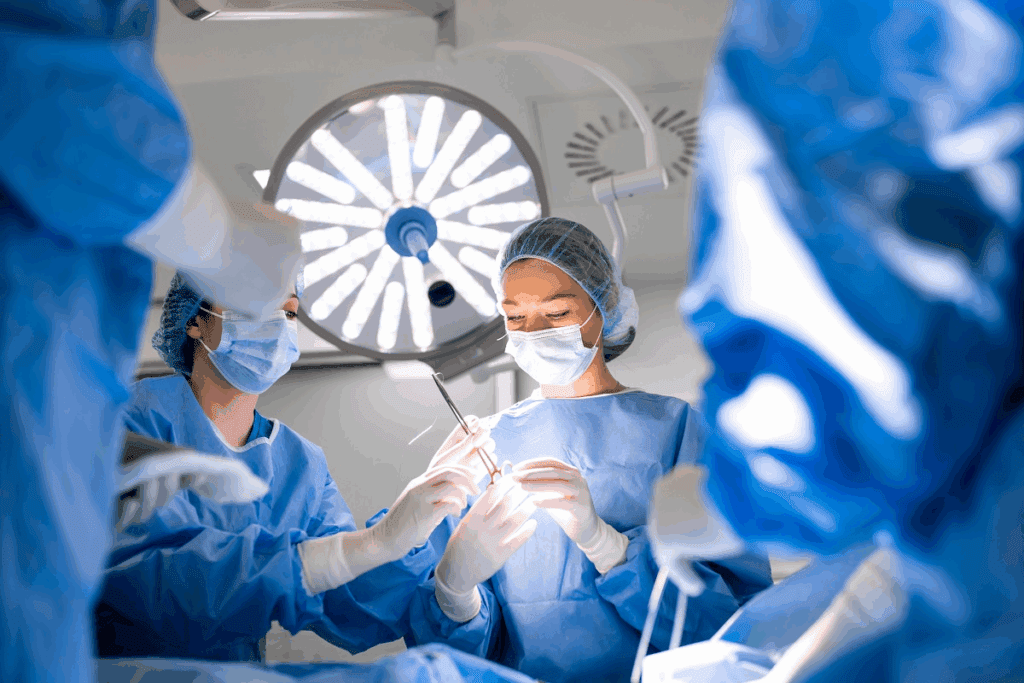
An expert guide on how hernia mesh stays in place. We explore the amazing technology of stitches, tacks, and self-gripping mesh. The choice of technique depends on factors such as the type of hernia, patient health, and surgeon preference.
The choice of technique depends on factors such as the type of hernia, patient health, and surgeon preference.
Key Takeaways
- The use of Hernia Mesh has a long history in surgical repair.
- Effective mesh fixation is crucial for successful hernia repair.
- Various surgical techniques are employed for mesh fixation.
- The choice of technique depends on factors such as the type of hernia, patient health, and surgeon preference.
- Surgeon expertise plays a significant role in the outcome of hernia mesh surgery.
Understanding Hernia Mesh and Its Purpose

Hernia mesh is a medical prosthesis used to repair hernias by reinforcing weakened areas in the body. Its primary function is to provide additional support to the damaged tissue, thereby facilitating the healing process and reducing the risk of hernia recurrence.
What Is Hernia Mesh?
Hernia mesh is made from various materials, including synthetic polymers and biological tissues. Synthetic meshes are often made from polypropylene or polyester, known for their durability and resistance to degradation. On the other hand, biological meshes are derived from animal tissues or human cadavers, offering a more natural alternative that can be absorbed by the body over time.
The choice between synthetic and biological mesh dependThe choice of technique depends on factors such as the type of hernia, patient health, and surgeon preference.
Mesh Type | Material | Characteristics |
Synthetic | Polypropylene, Polyester | Durable, Non-absorbable |
Biological | Animal tissue, Human cadaveric tissue | Absorbable, Promotes tissue regeneration |
How is Hernia Mesh Used in Surgery?
The choice of technique depends on factors such as the type of hernia, patient health, and surgeon preference.
Laparoscopic surgery involves making small incisions through which a camera and surgical instruments are inserted. This minimally invasive technique often results in quicker recovery times and less postoperative pain.
- Laparoscopic hernia repair
- Open hernia repair
- Robotic hernia repair
The choice of technique depends on factors such as the type of hernia, patient health, and surgeon preference.
The mechanics behind hernia repair are rooted in the effective integration of mesh with the body’s tissue. This integration is crucial for the long-term success of the surgery.
The Role of Mesh in Supporting Tissue
Hernia mesh is designed to provide additional support to weakened areas, reducing the likelihood of hernia recurrence. The mesh acts as a scaffold, allowing the body’s tissue to grow around it and thereby strengthening the abdominal wall.
We use mesh that is carefully designed to be compatible with the body, minimizing the risk of adverse reactions. The mesh material is chosen based on the patient’s specific needs, taking into account factors such as the size and location of the hernia.
How Mesh Integrates with the Body
The integration of mesh with the body’s tissue is a complex biological process. It involves the infiltration of tissue into the mesh, which secures it in place, and the formation of scar tissue around the mesh, further stabilizing it.
Several factors influence the successful integration of mesh, including the mesh material, surgical technique, and the body’s response to the mesh. Understanding these factors is essential for optimizing the outcome of hernia repair surgery.
Factor | Description | Importance |
Mesh Material | The type of material used for the mesh, either synthetic or biological. | High |
Surgical Technique | The method used to place the mesh during surgery. | High |
Tissue Response | The body’s reaction to the mesh, including inflammation and scar tissue formation. | High |
Mesh Size and Shape | The dimensions and form of the mesh used. | Medium |
By understanding the mechanics of hernia repair and the factors that influence mesh integration, we can better appreciate the complexity of this surgical procedure and the importance of proper postoperative care.
Types of Hernia Mesh Available

There are multiple types of hernia mesh available, catering to different patient needs and surgical techniques. We will explore the various options, including synthetic and biological meshes, and discuss their unique characteristics.
Synthetic vs. Biological Mesh
Hernia mesh can be broadly categorized into synthetic and biological types. Synthetic mesh is made from man-made materials such as polypropylene or polyester, known for their durability and strength. On the other hand, biological mesh is derived from natural sources, including animal tissues, and is often used for patients who are at a higher risk of complications or have previously experienced adverse reactions to synthetic materials.
The choice of technique depends on factors such as the type of hernia, patient health, and surgeon preference.
- Synthetic Mesh: Durable, long-lasting, and widely used.
- Biological Mesh: Derived from natural sources, suitable for patients with higher risks.
Different Textures and Structures of Mesh
Hernia mesh is not only categorized by its material but also by its texture and structure. The texture can range from smooth to porous, and the structure can vary from a dense knit to a more open weave. These variations affect how the mesh integrates with the body and influences the healing process.
Some key features of mesh textures and structures include:
- Porosity: Affects tissue ingrowth and integration.
- Weight: Can influence patient comfort and the risk of complications.
- Flexibility: Impacts the ease of placement and the mesh’s ability to conform to the body’s movements.
Understanding these characteristics is crucial for selecting the most appropriate mesh for hernia repair. Our team is committed to providing personalized care and guidance throughout the treatment process.
Factors Influencing Mesh Retention
Understanding the factors that influence mesh retention is crucial for optimal hernia repair outcomes. The effectiveness of hernia mesh retention is multifaceted, relying on both the characteristics of the mesh itself and the surgical techniques employed during the procedure.
Mesh Size and Shape Considerations
The size and shape of the hernia mesh are critical factors in its retention. A mesh that is appropriately sized for the hernia defect is essential to ensure adequate coverage and support. A mesh that is too small may not provide sufficient reinforcement, potentially leading to recurrence or complications. Conversely, a mesh that is too large may cause unnecessary tissue irritation or other adverse effects.
We consider the anatomy of the patient and the specific characteristics of the hernia when selecting the mesh size and shape. Preoperative planning and imaging techniques play a vital role in determining the optimal mesh dimensions. The goal is to achieve a snug fit that supports the surrounding tissue without causing undue stress or discomfort.
Surgical Technique and Placement
The choice of technique depends on factors such as the type of hernia, patient health, and surgeon preference.
We emphasize the importance of precise surgical technique to minimize the risk of complications and promote successful mesh retention. The placement of the mesh in relation to the hernia defect and surrounding tissue is critical. Techniques such as placing the mesh in a preperitoneal or intraperitoneal position require careful consideration of the anatomical layers and the potential for mesh migration or other complications.
By carefully considering both the characteristics of the hernia mesh and the surgical techniques used for its placement, we can significantly enhance the likelihood of successful mesh retention and optimal patient outcomes.
The Body’s Healing Process
When hernia mesh is implanted, the body’s natural healing process plays a crucial role in securing it in place. The healing process involves several biological responses that ensure the mesh integrates effectively with the surrounding tissue.
Tissue Infiltration: Securing the Mesh
Tissue infiltration is a critical aspect of the healing process. As the body heals, cells and tissue grow into the mesh, anchoring it firmly in place. This process is facilitated by the mesh’s structure, which is designed to allow for optimal tissue integration.
- The mesh’s porous structure enables tissue to grow through it, securing the mesh.
- Tissue infiltration helps to distribute the forces exerted on the mesh, reducing the risk of complications.
- Effective tissue integration is key to the long-term success of hernia repair.
Formation of Scar Tissue
Another important aspect of the healing process is the formation of scar tissue around the mesh. Scar tissue forms as part of the body’s natural response to injury, and it plays a crucial role in reinforcing the repair.
The formation of scar tissue is a complex process involving various cellular and molecular mechanisms. It helps to:
- Strengthen the area around the mesh, enhancing the repair.
- Provide additional support to the weakened tissue.
- Minimize the risk of hernia recurrence.
We understand that the healing process can vary from person to person. Factors such as overall health, age, and the presence of any underlying conditions can influence how well the body heals after hernia mesh surgery. Our medical team is committed to providing personalized care to ensure the best possible outcomes.
Potential Complications with Hernia Mesh
Understanding the potential complications of hernia mesh is essential for patients considering surgical options. While hernia mesh is designed to be a safe and effective solution for hernia repair, there are risks associated with its use.
Risks of Migration or Shifting
One of the potential complications of hernia mesh is migration or shifting from its original placement. This can occur if the mesh is not properly secured during surgery or if the body reacts to the mesh in a way that causes it to move. Mesh migration can lead to serious complications, including bowel obstruction, adhesions, or damage to surrounding tissues.
To minimize the risk of mesh migration, surgeons carefully select the size and type of mesh based on the patient’s specific needs. Additionally, advancements in surgical techniques have improved the stability of mesh placement.
Signs of Complications to Watch For
Patients should be aware of the signs of potential complications related to hernia mesh. These can include:
- Persistent or severe pain at the surgical site
- Swelling or redness around the hernia repair area
- Fever or chills
- Nausea or vomiting
- Bowel obstruction symptoms, such as constipation or inability to pass gas
If you experience any of these symptoms, it is crucial to contact your healthcare provider immediately. Early detection and treatment of complications can significantly improve outcomes.
Complication | Signs and Symptoms | Action Required |
Mesh Migration | Severe pain, swelling, bowel obstruction symptoms | Immediate medical attention |
Infection | Fever, redness, swelling, pain | Urgent medical evaluation |
Adhesions | Bowel obstruction symptoms, abdominal pain | Medical consultation |
We emphasize the importance of follow-up care after hernia mesh surgery to monitor for any signs of complications. By being informed and vigilant, patients can work closely with their healthcare providers to address any issues promptly.
Advances in Hernia Mesh Technology
Advances in hernia mesh technology have revolutionized surgical practices, offering improved outcomes for patients undergoing hernia repair. We have witnessed significant developments in this field, driven by ongoing research and innovation.
Innovations in Material and Design
The design and material of hernia mesh have undergone substantial improvements. New materials are being developed to enhance biocompatibility and reduce the risk of complications. For instance, meshes made from polypropylene and polyester are commonly used due to their durability and compatibility with the human body.
- Biological meshes derived from animal tissues are also gaining popularity for their ability to integrate well with the body.
- Synthetic meshes with antibiotic coatings are being developed to reduce the risk of infection.
- Meshes with different textures and structures are being designed to promote better tissue integration.
Minimally Invasive Techniques
Alongside advancements in mesh technology, minimally invasive surgical techniques have become more prevalent. These techniques involve smaller incisions, leading to less tissue damage and quicker recovery times for patients.
- Laparoscopic surgery, a type of minimally invasive surgery, allows surgeons to repair hernias through small incisions with the aid of a camera.
- Robotic-assisted surgery is another innovation that enhances the precision of hernia repair.
By combining advanced hernia mesh technology with minimally invasive techniques, we can significantly improve patient outcomes and reduce the risk of complications.
Postoperative Care and Recovery
After undergoing hernia repair surgery, the journey to full recovery begins with proper postoperative care. We understand that this period is crucial for the success of the surgery and the patient’s return to normal activities.
Importance of Following Recovery Guidelines
Following the recovery guidelines provided by your healthcare team is essential for optimal healing. These guidelines are tailored to your specific needs and the type of surgery you underwent. We recommend that patients closely adhere to these instructions to minimize the risk of complications.
Key aspects of recovery guidelines include:
- Resting adequately to allow your body to heal
- Managing pain effectively through medication and other recommended methods
- Monitoring for signs of complications, such as infection or mesh migration
Activities to Avoid for Optimal Healing
The choice of technique depends on factors such as the type of hernia, patient health, and surgeon preference.
Examples of activities to limit or avoid include:
Activity | Recommended Avoidance Period |
Heavy lifting (>20 lbs) | 4-6 weeks |
Strenuous exercises | 6-8 weeks |
Bending or twisting | 2-4 weeks |
By carefully following these guidelines and avoiding certain activities, patients can significantly enhance their recovery experience and reduce the risk of postoperative complications.
When to Consult a Surgeon
After undergoing hernia repair surgery, it’s essential to monitor your health and watch for any signs of complications. We recommend regular follow-ups with your surgeon to ensure the success of the procedure and address any issues promptly.
Signs of Mesh Placement Issues
If you experience persistent pain, swelling, or redness around the surgical site, you should consult your surgeon. These symptoms could indicate that require medical attention.
Importance of Follow-Up Care
Regular health monitoring and communication with your healthcare provider are crucial for optimal recovery. By following the recommended follow-up care schedule, you can minimize the risk of complications and ensure a smooth healing process.
Effective communication with your healthcare provider is vital for addressing any concerns or questions you may have after surgery. Don’t hesitate to consult your surgeon if you have any doubts or experience unusual symptoms.
FAQ
What is hernia mesh and how is it used in surgery?
Hernia mesh is a medical device used to reinforce the weakened area in hernia repair surgery. We use it to support the surrounding tissue and prevent further herniation. The mesh is typically made of synthetic or biological materials and is designed to integrate with the body.
What are the different types of hernia mesh available?
There are several types of hernia mesh available, including synthetic and biological meshes. Synthetic meshes are made from materials such as polypropylene or polyester, while biological meshes are derived from animal tissue. We also have meshes with different textures and structures, such as lightweight or heavyweight meshes.
How does the body secure the hernia mesh in place?
The body secures the hernia mesh through tissue infiltration and scar tissue formation. As the body heals, the mesh becomes integrated with the surrounding tissue, holding it in place. This process is crucial for the success of hernia repair.
What are the risks associated with hernia mesh?
While rare, potential complications associated with hernia mesh include migration or shifting of the mesh, infection, and adhesions. We take every precaution to minimize these risks, and patients should be aware of the signs of complications, such as severe pain or swelling.
How can I ensure optimal healing after hernia repair surgery?
To ensure optimal healing, it’s essential to follow postoperative care guidelines, including avoiding heavy lifting, bending, or strenuous activities. We also recommend following a healthy diet and attending follow-up appointments with your surgeon.
What are the signs of complications that I should watch for after hernia repair surgery?
Signs of complications to watch for include severe pain, swelling, redness, or discharge from the surgical site. Patients should also be aware of symptoms such as fever, nausea, or vomiting. If you experience any of these symptoms, contact your surgeon immediately.
How long does it take to recover from hernia repair surgery?
The recovery time for hernia repair surgery varies depending on the individual and the type of surgery performed. Generally, patients can expect to return to normal activities within a few weeks, but it’s essential to follow your surgeon’s specific guidelines.
What are the benefits of minimally invasive hernia repair surgery?
Minimally invasive hernia repair surgery offers several benefits, including smaller incisions, less tissue trauma, and reduced recovery time. We use advanced techniques and equipment to ensure the best possible outcomes for our patients.
How often should I follow up with my surgeon after hernia repair surgery?
Regular follow-up appointments with your surgeon are crucial to monitor the healing process and address any concerns or complications. We typically schedule follow-up appointments at regular intervals, depending on the individual patient’s needs.
Can I return to my normal activities after hernia repair surgery?
Yes, most patients can return to their normal activities after hernia repair surgery, but it’s essential to follow your surgeon’s guidelines and avoid heavy lifting, bending, or strenuous activities during the recovery period.