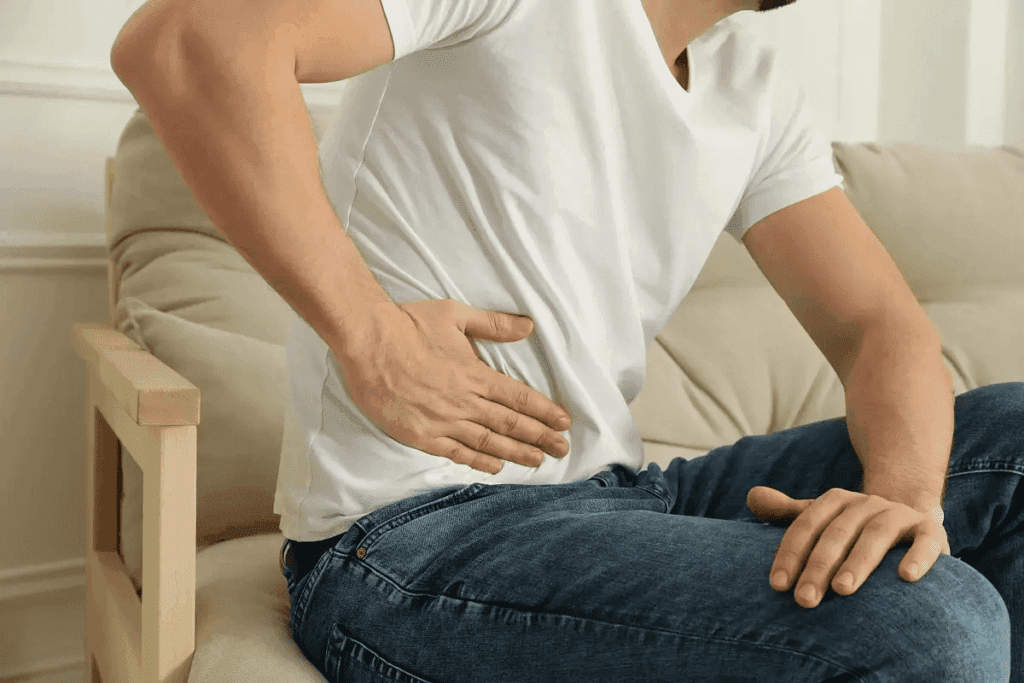
Gastroparesis is a condition where the stomach muscles are weak. This leads to slow emptying of the stomach. It causes nausea, vomiting, and nutritional deficiencies, affecting life quality. This guide explores “how I cured my gastroparesis.” Learn the surprising truth about “cures” and 7 proven, natural ways to manage symptoms.
New studies show natural ways to help with gastroparesis symptoms. By making dietary changes, reducing stress, and adjusting lifestyle, people can manage their condition. This helps restore digestive health.
At Liv Hospital, we focus on the patient to manage gastroparesis naturally. Our guide will cover evidence-based natural methods. These offer hope for those wanting to ease gastroparesis symptoms.
Key Takeaways
- Understanding gastroparesis and its symptoms
- The importance of natural management strategies
- Dietary changes to alleviate gastroparesis symptoms
- Stress reduction techniques for digestive wellness
- Lifestyle adjustments to manage gastroparesis
Understanding Gastroparesis: Causes and Prevalence

Gastroparesis is a complex disorder that affects how fast the stomach empties. It’s influenced by many factors, including diabetes. Knowing its causes and how common it is is key to improving life quality.
What is Gastroparesis?
Gastroparesis is when the stomach empties too slowly. This can cause nausea, vomiting, and bloating. The main sign is delayed stomach emptying without any blockage.
“Gastroparesis affects not just the stomach but the whole person,” say doctors. It’s important to understand it to manage symptoms well.
Common Causes and Risk Factors
Many things can lead to gastroparesis. Diabetes is a big risk factor, causing many cases. Other causes include:
- Surgical issues, like stomach or vagus nerve problems
- Neurological disorders
- Medications that slow stomach emptying
- Unknown causes
Diabetes plays a big role in gastroparesis. Diabetic gastroparesis happens when high blood sugar damages the vagus nerve, which controls stomach emptying.
Prevalence Statistics in the United States
Gastroparesis is common, affecting many people. It’s found in about 267.7 per 100,000 US adults. Diabetes is behind 57.4% of these cases. These numbers highlight the need to understand and manage gastroparesis, mainly in diabetics.
Prevalence Category | Rate per 100,000 Adults |
Overall Prevalence | 267.7 |
Diabetes-related Prevalence | 153.6 (57.4% of total) |
Knowing these numbers helps doctors and patients better understand and manage gastroparesis.
Does Gastroparesis Go Away? Recovery Expectations

It’s important for patients to know if they can recover from gastroparesis. This condition, where the stomach takes too long to empty, can really affect a person’s life. While recovery is not always possible, there are ways to manage symptoms and feel better.
Medical Perspective on Gastroparesis Recovery
Gastroparesis is a chronic condition, meaning it lasts a long time and needs ongoing care. The chance of full recovery depends on the cause. For example, if diabetes causes it, controlling blood sugar can help. If a medication is to blame, stopping or changing it might also help.
But, if the cause is unknown, it’s harder to predict recovery. Some people might see their symptoms get better on their own, but this is not always the case.
How Long Does It Take to Recover from Gastroparesis?
How long it takes to see improvement in gastroparesis symptoms varies a lot. The cause, how bad the symptoms are, and the treatment plan all play a role.
Studies show that with the right treatment, like diet changes and medication, some people can see big improvements in a few months to a few years. But, because gastroparesis affects everyone differently, recovery times can vary a lot.
Recovery Timeframe | Factors Influencing Recovery | Management Strategies |
Few months to a few years | Underlying cause, symptom severity | Dietary changes, medication |
Variable, highly individualized | Effectiveness of treatment plan | Lifestyle modifications, medical treatment |
Setting Realistic Expectations for Natural Management
Even though gastroparesis might not always be curable, there are natural ways to manage it. It’s key for patients to have realistic hopes and work with their doctors to find the best treatment.
Managing gastroparesis naturally can include eating smaller meals, avoiding hard-to-digest foods, and using stress-reducing activities. This can help improve symptoms and quality of life.
By understanding recovery possibilities and available management options, patients with gastroparesis can take steps to improve their condition. This can lead to a better overall well-being.
The Mind-Gut Connection: Can Anxiety Cause Gastroparesis?
Research shows a deep link between our minds and our guts. It seems anxiety might affect gastroparesis. Our mental state and digestive health are closely tied, with messages flowing between our brain and gut.
The Science Behind Stress and Digestive Function
Stress and anxiety can really mess with our digestion. When we’re stressed, our body goes into “fight or flight” mode. This releases hormones like cortisol and adrenaline, which can slow down digestion and make gastroparesis worse.
The gut and brain talk to each other through the vagus nerve. Stress can mess with this communication, causing stomach problems. People with anxiety are more likely to have stomach issues, including gastroparesis.
Key factors in the stress-digestive health relationship include:
- Cortisol and adrenaline release
- Disrupted gut-brain communication
- Increased sensitivity to food and stress
Anxiety as a Trigger vs. Root Cause
Anxiety might not cause gastroparesis, but it can make it worse. For those with gastroparesis, anxiety can make symptoms worse, creating a cycle of stress and discomfort.
Knowing if anxiety is a trigger or a factor is key to managing it. By managing stress, people with gastroparesis might see some symptom relief.
Breaking the Stress-Symptom Cycle
It’s important to break the cycle of stress and symptoms for effective gastroparesis management. This can involve stress management, diet changes, and medical help.
Some effective strategies include:
- Mindfulness and meditation practices
- Cognitive-behavioral therapy (CBT)
- Regular exercise and physical activity
- Adequate sleep and relaxation techniques
By using these strategies, people with gastroparesis can manage their symptoms better and improve their life quality.
Dietary Strategies: The Foundation of Natural Gastroparesis Management
Diet is key in managing gastroparesis, helping to naturally ease symptoms. By picking the right foods, people can greatly improve their life quality.
Small, Frequent Meals Approach
Eating small meals often is a big help in managing gastroparesis. It makes digestion easier and lessens symptoms. Eating smaller amounts all day helps control stomach emptying and reduces pain.
Benefits of Small, Frequent Meals:
- Reduces nausea and vomiting
- Eases bloating and discomfort
- Helps maintain nutritional balance
- Supports stable blood sugar levels
Low-Fat, Low-Fiber Food Choices
Choosing low-fat, low-fiber foods is also important. Fatty foods slow down digestion, and high-fiber foods are hard to digest. Eating foods low in fat and fiber helps manage symptoms and improves digestion.
Examples of Low-Fat, Low-Fiber Foods:
- Lean proteins like chicken and fish
- Low-fiber fruits such as bananas and melons
- Refined grains like white bread and pasta
- Vegetables that are cooked until tender
Easily Digestible Foods That Promote Gastric Emptying
Adding easily digestible foods to your diet helps manage gastroparesis. These foods are gentle on the stomach and help with digestion. This reduces the chance of symptoms getting worse.
Nutritional Tips:
- Choose foods that are easy to digest, such as soups and pureed meals
- Avoid carbonated drinks and caffeine
- Stay hydrated by drinking plenty of water
- Consider nutritional supplements if necessary
How I Cured My Gastroparesis: Personal Success Stories
Everyone’s journey with gastroparesis is different. Hearing about others who have found success can be very motivating. We’ve collected inspiring stories from people who have managed their gastroparesis naturally. Their experiences offer hope and useful tips for others facing the same challenges.
Real-Life Recovery Journeys
Many have found relief by making big lifestyle changes. For example, Sarah, a 32-year-old marketing executive, cured her gastroparesis. She followed a strict diet, practiced mindfulness, and did gentle yoga every day.
“I was diagnosed with gastroparesis after months of severe nausea and pain. I started eating small, frequent meals and avoiding fatty foods. Mindfulness meditation helped me manage stress, which improved my digestion.” – Sarah
John, a 45-year-old teacher, also made significant changes. He focused on staying hydrated and taking walks after meals to help with digestion.
Person Before and After Gastroparesis: Transformation Stories
Gastroparesis can deeply affect both physical and mental health. Yet, overcoming it can lead to amazing transformations.
- Dietary Changes: Many see big improvements by eating low-fat, low-fiber foods and small, frequent meals.
- Stress Management: Meditation, deep breathing, and yoga are key in managing stress and symptoms.
- Physical Activity: Gentle exercises, like walking after meals, aid digestion and overall health.
Common Patterns in Successful Management
While each person’s journey is unique, some patterns stand out. These include sticking to dietary changes, managing stress, and staying active.
Medical Expert, a gastroenterologist, says, “Managing gastroparesis requires a multi-faceted approach. This includes dietary adjustments, stress reduction, and physical activity. By tailoring our approach to each patient’s needs, we can greatly improve their quality of life.”
We share these success stories to inspire and empower others. We hope they will explore natural strategies to manage their gastroparesis and live a healthier life.
Herbal Remedies and Supplements for Gastroparesis Relief
Herbal remedies and supplements are gaining attention for helping with gastroparesis symptoms. It’s important to look at the evidence and safety of these natural options.
Ginger: Research-Backed Benefits for Gastric Emptying
Ginger has been used for centuries for its digestive benefits. Recent studies confirm its effectiveness in improving gastric emptying. Ginger supplementation has been shown to accelerate gastric emptying, helping gastroparesis patients.
“Ginger has been a game-changer for my digestive issues,” says a gastroparesis patient. “I’ve noticed a big reduction in symptoms after adding ginger to my daily routine.”
Other Promising Natural Supplements
Other natural supplements also show promise for managing gastroparesis. These include:
- Peppermint oil: May help reduce nausea and bloating symptoms.
- Probiotics: Helps maintain a healthy gut microbiome.
- Vitamin B6: May help with nausea.
While these supplements are generally safe, it’s important to talk to a healthcare provider before using them. This is true if you’re already on medications or have health conditions.
Proper Dosage and Safety Considerations
When using herbal remedies and supplements for gastroparesis, proper dosage and safety are key. Always consult with a healthcare professional to find the right dosage and discuss any possible interactions with medications. Some supplements can interact with drugs or worsen health conditions.
For example, while ginger is usually safe, high doses can interact with blood thinners or diabetes medications. Being informed and cautious is essential for safely using these natural remedies in your gastroparesis management plan.
Stress Management Techniques for Gastroparesis Patients
Managing stress is key for those with gastroparesis. It can make symptoms worse and affect overall health. By using stress management techniques, patients can improve their life quality.
It’s important to find stress reduction strategies that work for each person. This way, gastroparesis patients can actively manage their condition.
Mindfulness and Meditation Practices
Mindfulness and meditation can reduce stress and anxiety. Mindfulness practices involve being present in the moment, focusing on thoughts and feelings without judgment. This can help lower stress and promote relaxation.
Meditation is often used with mindfulness. It involves focusing the mind on a specific object or activity to achieve calm. Regular meditation practice can reduce stress and improve well-being.
“Mindfulness is the practice of being present in the moment, and it can be very helpful for those with gastroparesis.”
– Medical Expert-Zinn, Mindfulness Expert
Gentle Yoga Poses for Digestive Health
Gentle yoga poses can help those with gastroparesis. They can stimulate digestion and reduce stress. Poses like child’s pose, seated forward fold, and cat-cow pose can ease digestive discomfort and promote relaxation.
- Child’s Pose: Helps to relax the body and calm the mind.
- Seated Forward Fold: Stretches the entire back, from the base of the neck to the tailbone, and can help stimulate digestion.
- Cat-Cow Pose: Helps to stimulate digestion and relieve stress.
Breathing Exercises to Calm the Digestive System
Breathing exercises are important for managing stress and gastroparesis symptoms. Deep breathing exercises can calm the digestive system and reduce stress.
Diaphragmatic breathing, or belly breathing, is a good technique. It involves breathing deeply into the diaphragm, not shallowly into the chest. Diaphragmatic breathing can slow down the heart rate, lower blood pressure, and promote relaxation.
Alternative Therapies: Acupuncture, Massage, and More
Complementary therapies offer new ways to ease gastroparesis symptoms. It’s key to know their benefits and how they fit into a full treatment plan.
Acupuncture for Gastroparesis: Evidence and Practices
Acupuncture is a traditional Chinese medicine that uses thin needles to help the body heal. Studies show it might help gastroparesis patients by improving how food moves through their stomach and easing symptoms.
A study in the Journal of Clinical Gastroenterology found acupuncture helped patients with diabetic gastroparesis. It improved how food moved through their stomach and lessened symptoms. It works by affecting the body’s nervous system and helping the stomach move better.
Key benefits of acupuncture for gastroparesis:
- Improved gastric emptying
- Reduced nausea and vomiting
- Enhanced overall digestive function
Massage Techniques for Improved Digestion
Massage therapy is another way to help with gastroparesis symptoms. Gentle, focused massage can improve digestion and reduce pain.
Massage Technique | Benefits for Gastroparesis |
Abdominal massage | Stimulates digestive tract, relieves bloating |
Visceral manipulation | Enhances organ mobility, improves gut function |
Reflexology | Relaxes the body, potentially reduces nausea |
Other Complementary Approaches Worth Considering
There are more therapies beyond acupuncture and massage that might help with gastroparesis. These include:
- Herbal medicine: Some herbs like ginger and peppermint can calm the stomach.
- Meditation and mindfulness: Lowering stress can help gastroparesis symptoms.
- Aromatherapy: Essential oils might help with nausea and calmness.
It’s important to talk to healthcare providers before trying these therapies. They can help make sure they’re safe and work well with other treatments.
Understanding and Managing Gastroparesis Flares
It’s important to know about gastroparesis flares to manage them well. These flares can really affect a person’s life. So, it’s key to understand what causes them and how they work.
Common Triggers for Gastroparesis Flare-ups
Many things can start a gastroparesis flare. This includes bad diet choices, stress, and some medicines. Knowing what these triggers are helps prevent flares.
- Dietary Factors: Foods high in fat, fiber, or spice can cause a flare.
- Stress: Feeling stressed can make symptoms worse.
- Medications: Some medicines can slow down how fast food moves through your stomach.
How Long Does a Gastroparesis Flare Last?
How long a gastroparesis flare lasts can vary a lot. Some people get better fast, while others take longer.
Things that can affect how long it lasts include:
- The flare’s severity
- How well management strategies work
- Any other health issues you might have
Emergency Management Strategies During Flares
Having a plan for a gastroparesis flare is very important. This plan might include:
- Hydration: Drinking enough water to avoid dehydration.
- Nutritional Support: You might need to change your diet or take supplements.
- Medical Intervention: In serious cases, you might need to go to the hospital to keep symptoms under control.
By knowing what causes flares and using good management strategies, people with gastroparesis can handle them better. This can really improve their life quality.
Does Gastroparesis Get Worse Over Time? Progression and Prevention
Gastroparesis is a condition where the stomach takes too long to empty. It affects people differently, with some having stable symptoms and others seeing them get worse. Knowing how gastroparesis can progress and how to manage it is key to a better quality of life.
Natural Course of Gastroparesis
The way gastroparesis affects people can vary a lot. Some may have the same symptoms for years, while others see them get worse. The cause of gastroparesis, like diabetes or unknown reasons, can affect how it progresses.
Factors That May Worsen Symptoms
Several things can make gastroparesis symptoms worse. These include:
- Dietary Factors: Foods high in fat or fiber can slow down stomach emptying.
- Underlying Conditions: Uncontrolled diabetes can make symptoms worse.
- Medications: Some medicines, like narcotics, can slow digestion.
- Stress and Anxiety: High stress levels can also worsen symptoms.
Preventative Strategies to Maintain Stability
To stop gastroparesis symptoms from getting worse, several steps can be taken:
- Dietary Adjustments: Eating smaller, more frequent meals and avoiding fatty or high-fiber foods.
- Managing Underlying Conditions: Keeping conditions like diabetes under control.
- Stress Management: Using stress-reducing activities like meditation or yoga.
- Medication Review: Regularly checking medications with a healthcare provider to avoid bad effects.
Strategy | Description | Benefit |
Dietary Adjustments | Eating smaller, frequent meals; avoiding fatty or high-fiber foods | Reduces strain on the digestive system |
Managing Underlying Conditions | Keeping conditions like diabetes under control | Prevents exacerbation of gastroparesis symptoms |
Stress Management | Practicing stress-reducing techniques like meditation or yoga | Reduces stress-related worsening of symptoms |
Understanding gastroparesis, knowing what can make symptoms worse, and using prevention strategies can help manage the condition. This way, individuals can keep their symptoms stable.
Exercises for Gastroparesis: Physical Activity That Helps
Exercise is a powerful tool in managing gastroparesis. It offers benefits that go beyond physical health to overall well-being. Gentle physical activity, such as walking, can aid digestion and improve symptoms.
Beneficial Exercises for Gastroparesis Patients
Certain exercises are great for those with gastroparesis. These include:
- Walking: A simple yet effective exercise that can help stimulate digestion.
- Yoga: Gentle yoga poses can improve digestive health and reduce stress.
- Stretching: Gentle stretching exercises can help relieve discomfort and improve flexibility.
- Swimming: A low-impact exercise that can help improve overall physical condition without putting excessive strain on the body.
Creating a Safe Exercise Routine
When developing an exercise routine, it’s important to consider your current health status and capabilities. Here are some tips:
- Start with short, manageable sessions and gradually increase duration and intensity.
- Listen to your body and rest when needed.
- Avoid vigorous exercise, specially during flare-ups.
- Stay hydrated before, during, and after exercise.
Post-Meal Movement Strategies
Engaging in light physical activity after meals can help stimulate gastric emptying. Some strategies include:
- Taking a short walk after meals.
- Performing gentle stretches.
- Avoiding lying down immediately after eating.
The following table summarizes the benefits and considerations of different exercises for gastroparesis:
Exercise | Benefits | Considerations |
Walking | Stimulates digestion, improves cardiovascular health | Start with short distances, avoid vigorous pace |
Yoga | Improves flexibility, reduces stress | Choose gentle poses, avoid intense twists |
Stretching | Relieves discomfort, improves flexibility | Be gentle, avoid overstretching |
Swimming | Low-impact, improves overall fitness | Avoid swimming during flare-ups, stay hydrated |
Conclusion: Living Well with Gastroparesis
Living with gastroparesis means making big changes in your life. You need to change what you eat, how you handle stress, and your daily habits. Knowing how to manage it can really help you feel better and live a better life.
Managing gastroparesis naturally means using many different methods. Eating small meals often and choosing foods that are low in fat and fiber is key. Also, finding ways to relax, like through mindfulness or meditation, is important. Exercise and things like acupuncture can also help a lot.
By using these methods, you can take charge of your gastroparesis. This guide has shown you many ways to manage your symptoms without just using medicine. It’s all about making your life better and more active.
In the end, it’s possible to live well with gastroparesis. You just need to make smart food choices, manage stress, and make some lifestyle changes. By doing these things, you can handle your condition better and feel much better overall.
FAQ:
What is gastroparesis and how does it affect the body?
Gastroparesis is when the stomach muscles are weak. This leads to slow emptying of the stomach. Symptoms include nausea, vomiting, and bloating, impacting digestion.
Can gastroparesis be cured naturally?
There’s no sure cure, but natural ways can help. Changes in diet, reducing stress, and adjusting lifestyle can ease symptoms and improve life quality.
How long does it take to recover from gastroparesis?
Recovery time varies. It depends on the cause and how well treatment works. With the right care, some see big improvements, but be realistic.
Can anxiety cause gastroparesis?
Anxiety can make gastroparesis worse, but it’s not the main cause. Stress management, like mindfulness, can help lessen symptoms.
What dietary changes can help manage gastroparesis?
Eat small meals often, choose low-fat and low-fiber foods. Opt for easy-to-digest foods to help empty the stomach and reduce symptoms.
How long does a gastroparesis flare-up last?
Flare-ups can last from hours to days. Knowing what triggers them and having a plan can help manage them.
Can exercises help alleviate gastroparesis symptoms?
Yes, gentle exercises like yoga and walking after meals can aid digestion. It’s key to find safe exercises that don’t worsen the condition.
Does gastroparesis get worse over time?
If not managed, gastroparesis can worsen. But, with the right care and prevention, it’s possible to keep symptoms under control.
Are there any herbal remedies that can help with gastroparesis?
Some herbs, like ginger, may help with digestion. Always talk to a doctor before trying new supplements.
Can alternative therapies like acupuncture and massage help with gastroparesis?
Yes, therapies like acupuncture and massage might help symptoms and overall well-being. Though evidence is limited, they can be part of a treatment plan.
References:
National Center for Biotechnology Information. Evidence-Based Medical Guidance. Retrieved from https://pubmed.ncbi.nlm.nih.gov/23147521/