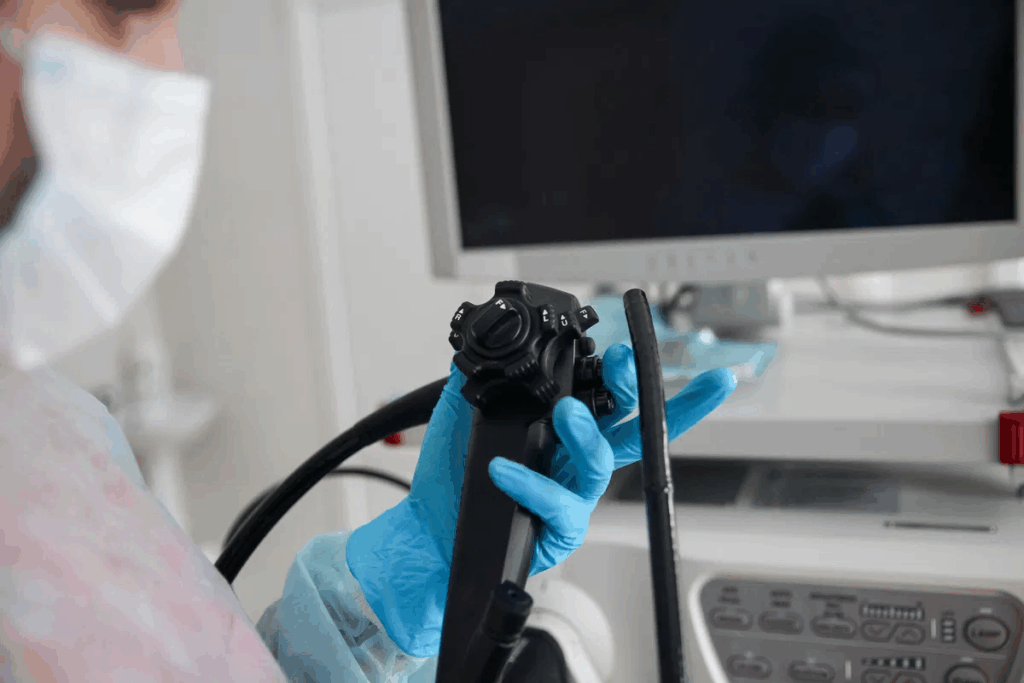
After a colonoscopy, deciding when to drive is a big choice. Sedation medications can stay in your system, making it hard to react fast or make safe driving choices. Driving safety after a colonoscopy is a big health concern for millions every year.
Wondering how long after a colonoscopy can you drive? This critical guide gives you the surprising facts, the 24-hour safety rule, and vital sedation info.
Medical guidelines say wait 24 hours before driving after a sedated colonoscopy. Colonoscopy recovery is usually fast, but the sedative can affect your judgment and reflexes for hours. It’s key to plan for other ways to get around to keep everyone safe.
Key Takeaways
- Patients should avoid driving for 24 hours after a sedated colonoscopy.
- Sedation medications can impair driving abilities for several hours.
- Plan ahead for alternative transportation after the procedure.
- Colonoscopy recovery is typically quick, with normal activities resumed the next day.
- Prioritize your safety and the safety of others on the road.
Understanding Colonoscopy Sedation and Its Effects

Sedation is key during a colonoscopy to reduce discomfort and anxiety. It helps patients get through the procedure without too much stress.
Types of Sedation Used During Colonoscopies
Most people get intravenous sedation to feel more comfortable. Midazolam and propofol are the top choices. Midazolam relaxes and helps forget the procedure. Propofol works fast and doesn’t last long.
The type of sedative depends on the patient’s health, the procedure’s complexity, and the doctor’s choice.
How Sedation Affects Your Body and Mind
Sedation can affect your body and mind for a while. It can make you less alert and slow to react. This means you shouldn’t drive or use heavy machinery right after.
The sedatives can make you feel sleepy, dizzy, and confused. These feelings can last for hours. How long it takes to recover depends on the sedation type, dosage, and your health.
Always follow your doctor’s advice on what to do after the procedure, including driving.
Why You Can’t Drive Immediately After a Colonoscopy

The sedation from a colonoscopy can make it hard to drive right away. This is because the sedatives can slow down your thinking and reaction time. It’s not safe to drive when you’re not fully alert.
Impaired Cognitive Function and Reaction Time
Sedation during a colonoscopy helps you relax and stay comfortable. But, its effects can last for hours. This means you might have impaired judgment, slower reaction times, and less coordination.
One study found that sedation can make you less sharp and less able to move for at least 2 hours after the procedure. This can make it hard to react to sudden things on the road, raising the chance of accidents.
“Patients should be aware that their ability to drive may be impaired for several hours after receiving sedation for a colonoscopy.”
Legal and Insurance Implications
Driving too soon after a colonoscopy is risky and has legal and insurance consequences. If you’re in an accident while driving under sedation, you could be blamed for any damage or injuries.
Also, your insurance might not cover damages if you’re driving under sedation. It’s important to know that driving under sedation is seen as a big deal, like driving drunk.
To stay safe, plan how you’ll get home before your procedure. Get a friend to drive you or use a rideshare service. This way, you can avoid the risks of driving under sedation.
How Long After a Colonoscopy Can You Drive?
Many people wonder when they can start driving again after a colonoscopy. The answer depends on the sedation used and how quickly you recover. Knowing when you can drive again is important for a smooth recovery. We’ll look at the medical guidelines, how sedation affects recovery, and when you’re ready to drive.
Standard Medical Guidelines
Doctors usually say wait at least 24 hours after a colonoscopy with sedation before driving. This is because sedatives take time to wear off, and you need to be fully alert to drive safely. As one guideline says,
‘patients should be advised to avoid driving, operating machinery, or engaging in any activity that could be dangerous if they are not fully alert for at least 24 hours after the procedure.’
Variations Based on Sedation Type
The sedation type greatly affects how long it takes to recover enough to drive. For example, propofol sedation has strong effects that last hours. On the other hand, moderate sedation might lead to quicker recovery, but it varies. Always follow your doctor’s advice, as they can give personalized guidance based on your sedation and health.
Signs You’re Ready to Drive Again
So, how do you know when it’s safe to drive? Look for these signs:
- You are fully alert and your thinking is clear.
- You are no longer drowsy or dizzy.
- You can react quickly to situations.
- You are not experiencing significant discomfort or pain that could distract you while driving.
If you meet all these criteria, you might be ready to drive. But if you’re not sure, it’s better to wait a bit longer or talk to your doctor.
Timeline for Recovery After Colonoscopy Sedation
The recovery after a colonoscopy has different stages. Each stage has its own rules and safety tips. It’s important to know that sedation effects can last hours, and full recovery might take a day or more.
First 6 Hours Post-Procedure
The first six hours are very important. During this time, sedation effects are strong. Patients should rest and avoid hard activities, like driving. “Rest is key in the first hours to let your body recover,” doctors say.
6-24 Hours Post-Procedure
Between 6 to 24 hours, patients start to feel better. But, they should stay careful. Sedation effects like feeling tired or not thinking clearly can last. It’s best to take it easy and avoid big decisions or heavy work.
Also, eating light and drinking plenty of water is a good idea.
Beyond 24 Hours
By 24 hours, most people have recovered from sedation. But, some might feel bloated or uncomfortable. These feelings usually go away by themselves. If you have severe or lasting symptoms, contact your healthcare provider right away.
Knowing the recovery timeline helps plan activities, like driving. It makes going back to normal life easier. Remember, patience and caution are important for a good recovery.
Factors That Affect Your Driving Recovery Time
Knowing what affects your driving recovery time is key for safe travel after a colonoscopy. Several things can change how fast you can drive again after the procedure.
Age and Physical Condition
Your age and health are big factors in how long it takes to drive again. Older people or those with health issues might need more time to get back to driving. Conditions like diabetes or heart disease can slow down your recovery.
Studies show older patients often take longer to recover. This is because they might have slower metabolism and other health problems. Staying healthy before the procedure can help.
Medication Type and Dosage
The sedative used during your colonoscopy greatly affects your recovery time. Different sedatives work at different speeds and strengths, affecting how long their effects last.
Propofol, a common sedative, has a short half-life but can affect your thinking for hours. The amount of sedative used also plays a role. More sedative means a longer recovery.
Individual Sensitivity to Sedatives
Everyone reacts differently to sedatives because of genetics, metabolism, and other personal factors. Some people might feel sedated for longer, even with standard doses.
This means it’s important to have someone responsible with you after the procedure. Be careful when you start driving again.
Factor | Impact on Recovery Time | Considerations |
Age | Older adults may have slower recovery | Metabolic rate, presence of comorbidities |
Physical Condition | Pre-existing conditions can slow recovery | Overall health, presence of chronic diseases |
Medication Type | Different sedatives have varying effects | Half-life, potency of the sedative used |
Medication Dosage | Higher doses result in longer recovery | Amount of sedative administered during the procedure |
Individual Sensitivity | Genetic and metabolic factors influence recovery | Variability in patient response to sedatives |
Understanding these factors helps plan your recovery better. Always listen to your doctor and be cautious when driving after a colonoscopy.
Comparing Colonoscopy vs. Endoscopy Driving Restrictions
Many patients ask if driving rules for colonoscopies also apply to endoscopies. Both use sedation, but the type and amount can change the rules. We’ll look into these differences to help you know when it’s okay to drive after each.
Can You Drive After Endoscopy?
Endoscopy, like colonoscopy, uses sedation for comfort. But, the sedation level can vary. For some endoscopies, minimal sedation is used. This might mean you can drive sooner and with fewer restrictions.
How Long After an Endoscopy Can You Drive?
How long you can drive after an endoscopy depends on several things. These include the sedation type and how you react to it. If minimal sedation is used, you might drive sooner than after a colonoscopy. But, always listen to your doctor’s advice.
When comparing colonoscopy vs. endoscopy, remember the sedation and recovery times are different. The type and amount of sedation used can greatly affect when you can drive.
To stay safe, always talk to your doctor about endoscopy driving restrictions. They can give you advice based on your procedure and health.
If you’re asking, “Can I drive after endoscopy?,” it depends on the sedation and how you feel. Always have someone take you home and follow your doctor’s driving advice.
How Long After Propofol Can You Drive?
Propofol is a common sedative used in medical procedures, like colonoscopies. It’s important to know how it affects driving for patient safety.
Propofol’s Unique Recovery Profile
Propofol works fast and wears off quickly, which is why it’s often used for sedation. But, it can affect how well you think and move. This might make driving harder than usual.
Even though patients might seem fine right after, they might not be ready to drive. Propofol can slow down how quickly you react, judge situations, and move. These are all key for safe driving.
Driving Simulator Studies
Studies using driving simulators have given us important information. They show that propofol can really affect driving skills, even when patients feel okay.
One study found that driving skills were affected for up to two hours after using propofol. People had trouble with tasks that needed their full attention and reacted slower than usual. This means patients should be careful when driving after using propofol.
It’s key for patients to know the risks and plan ahead. Getting a ride home after a procedure with propofol is a smart move. It keeps everyone safe on the road.
Planning Transportation After Your Colonoscopy
Before your colonoscopy, plan how you’ll get home. You might be feeling the effects of sedation, which makes driving unsafe.
Arranging for a Designated Driver
Having a designated driver is the safest way home. This could be a family member, friend, or someone you trust. Here’s what to do:
- Ask your driver to stay with you for a few hours after the procedure.
- Make sure they know you can’t drive yourself home.
- Talk about the plan with your driver before the procedure to avoid confusion.
Using Rideshare or Taxi Services
If you don’t have a designated driver, rideshare or taxi services are good alternatives. They’re convenient and available. Remember:
- Book your ride in advance to make sure it’s there when you need it.
- Tell the driver you’ve had a colonoscopy and are feeling sedated.
- Have someone with you, if possible, to help during the ride.
Public Transportation Options
Public transportation is an option, but it might not be the safest after your colonoscopy. If you choose it, plan ahead by:
- Checking the public transportation schedule to and from your location.
- Having exact change or a transit card ready to avoid any complications.
- Being aware of your surroundings and having a plan for getting to your final destination.
Planning your transportation after colonoscopy is key to your safety and the safety of others. By arranging for a designated driver, using rideshare or taxi services, or exploring public transportation options, you can have a smooth and safe journey home.
Safety Precautions When Resuming Driving
When you start driving again after a colonoscopy, it’s important to be careful. The sedation can affect you for a while. Make sure you’re safe and don’t risk others on the road.
Self-Assessment Before Getting Behind the Wheel
Before driving, check how you feel. Ask if you’re alert or if you’re too sleepy. Also, think about how well you can react and think clearly. If you’re not sure, it’s safer to wait.
Try simple tasks to see if you’re ready. Can you walk without getting dizzy? Can you quickly respond to things you see or hear? Can you make decisions without getting confused? If not, you might not be ready to drive.
Starting with Short, Simple Drives
When you’re ready, start with short drives in places you know. This helps you get used to driving again without feeling stressed. Stay away from busy roads, construction, and night driving until you’re more confident.
Remember, it’s not just about driving. It’s about driving safely. Be careful and patient when you start driving again.
“The key to safe driving after a medical procedure is patience and a gradual return to your normal driving habits.”
— Medical Expert, Gastroenterologist
Here’s a simple plan to help you safely start driving again:
Day | Driving Conditions | Distance | Time of Day |
1 | Low traffic, familiar roads | Short (5 miles) | Daytime |
2-3 | Moderate traffic, familiar roads | Medium (10 miles) | Daytime |
4+ | Varied traffic, some new roads | Longer (20+ miles) | Daytime, eventually nighttime |
By following these tips, you can drive safely after a colonoscopy. Always put your safety and the safety of others first.
What Your Doctor Won’t Tell You About Post-Colonoscopy Driving
Recovering from a colonoscopy is more than just healing physically. It’s also about knowing how sedation affects your driving. Doctors give advice on when it’s okay to drive again. But, there are parts of recovery they might not talk about.
Hidden Lingering Effects of Sedation
Sedation from a colonoscopy can stay with you long after the procedure. These effects can make driving unsafe. Some hidden effects include:
- Impaired judgment and decision-making skills
- Slower reaction times
- Drowsiness or fatigue
- Potential for memory lapses
These effects might be subtle but can greatly affect your driving. Knowing about them is key to staying safe and protecting others on the road.
Patient Experiences vs. Medical Guidelines
Medical guidelines offer a general recovery plan. But, everyone’s experience is different. Some might feel ready to drive sooner than others. But, it’s not always safe.
A study compared patient experiences to medical guidelines. Here’s what it found:
Aspect | Medical Guidelines | Patient Experiences |
Time to Drive | Typically recommend waiting at least 24 hours | Some patients report feeling ready in 12 hours, while others take longer |
Sedation Effects | Warn about impaired cognitive function | Patients often report drowsiness and impaired judgment |
Recovery Time | Generally advise rest for the remainder of the day | Many patients report fatigue lasting several days |
The table shows that while guidelines are a starting point, experiences vary. It’s important to listen to your body and not rush back to driving if you’re not fully recovered.
“It’s not just about feeling better; it’s about being better.” This quote is true for many who’ve had a colonoscopy. Recovery is not just physical but also mental and emotional.
Understanding the effects of sedation and comparing experiences to guidelines helps us make safer choices about driving after a colonoscopy. Always put safety first.
Legal and Insurance Implications of Driving Too Soon
Patients should know the legal and insurance risks of driving too soon after a colonoscopy. Driving while under sedation can cause accidents. The legal penalties can be harsh.
Liability in Case of Accidents
If a patient drives too soon after a colonoscopy and has an accident, they might be blamed for damages or injuries. This is because they drove while under sedation. This makes them unfit to drive safely.
The table below shows the possible liabilities and outcomes of driving too soon after a colonoscopy.
Scenario | Potential Liability | Consequences |
Accident causing injury to others | Full or partial liability | Financial compensation, legal action |
Accident causing damage to property | Full or partial liability | Financial compensation, possible lawsuits |
Accident with no injuries or damages | Considered a traffic violation | Fines, insurance rates might go up |
Insurance Coverage Concerns
Driving too soon after a colonoscopy can also impact insurance. If a patient is in an accident while under sedation, their insurance might not cover it or might limit coverage.
Insurance policies often exclude accidents caused by substances that impair driving. Patients should review their insurance policies. They need to know the rules about driving after medical procedures.
It’s important for patients to understand the legal and insurance risks of driving too soon after a colonoscopy. This is for their safety and to protect their finances. Always follow the recommended guidelines and talk to your healthcare provider before driving again.
Conclusion: Ensuring Your Safety After a Colonoscopy
Safety is key when it comes to driving after a colonoscopy. Knowing how sedation affects you, arranging for a ride home, and understanding legal and insurance rules are all important. These steps help keep you safe after the procedure.
We’ve looked at what affects how long you should wait to drive. This includes the sedation type and how quickly you recover. Always listen to your doctor’s advice and make travel plans in advance.
Remember, it’s not just about the law or insurance when deciding when to drive. It’s about keeping yourself and others safe on the road. Being careful and patient helps you recover well and avoids risks of driving too soon.
In summary, your safety after a colonoscopy is a top priority. By understanding sedation effects and making the right plans, you can have a safe recovery. Always follow your doctor’s guidance and take steps to protect yourself and others.
FAQ
How soon after a colonoscopy can you drive?
It’s best to wait at least 24 hours after a colonoscopy before driving. The sedation can make it hard to think clearly and react quickly.
Can you drive after a colonoscopy?
No, it’s not safe to drive right after a colonoscopy because of the sedation. You should plan for another way to get around.
Why can’t you drive after a colonoscopy?
The sedation can slow down your thinking and reaction time, making it unsafe to drive. Also, driving too soon could be illegal and affect your insurance.
How long to wait to drive after a colonoscopy?
Waiting time depends on the sedation type, but usually, it’s 24 hours. Some people might need more time to feel better.
Can you drive after endoscopy?
Like with colonoscopy, it’s not wise to drive after an endoscopy because of the sedation. The type and amount of sedation affect how long you should wait.
How long after sedation can you drive?
The time to drive safely after sedation varies. It depends on the sedation type, dosage, and how you react to it. Generally, wait at least 24 hours.
When can you drive after a colonoscopy?
You can drive after a colonoscopy when you’ve fully recovered from the sedation. This is usually after 24 hours. You should feel physically and mentally back to normal.
How long after propofol can you drive?
Propofol is a strong sedative. It’s best to wait at least 24 hours before driving. Some studies suggest its effects can last longer, so always follow your doctor’s advice.
How soon can I drive after a colonoscopy?
Wait until you’ve fully recovered from the sedation, which is usually 24 hours. Always listen to your doctor’s specific advice.
How long after an endoscopy can you drive?
The waiting time to drive after an endoscopy is similar to a colonoscopy, at least 24 hours. It depends on the sedation used.
What factors affect my driving recovery time after a colonoscopy?
Several factors can affect your driving recovery time. These include your age, physical condition, the sedation type and dosage, and how you react to sedatives.
Are there any safety precautions I should take when resuming driving after a colonoscopy?
Yes, do a self-assessment before driving. Start with short, simple drives to make sure you’re fully recovered and safe.
References
National Center for Biotechnology Information. Driving Safety After Colonoscopy: Timeline and Guidelines. Retrieved from https://www.ncbi.nlm.nih.gov/pmc/articles/PMC5314184/