Every year, millions of people get sick from foodborne illnesses because of improperly stored food. At Liv Hospital, we stress the need to know how long food can safely stay at room temperature. This is to avoid health problems.
Perishable foods should never stay at room temperature for more than 2 hours. If it’s hotter than 90°F, they should not stay out for more than 1 hour. Bacteria grow fast in temperatures between 40°F and 140°F. They double every 20 minutes.
We support teaching patients based on evidence to help them make smart choices about safe food handling practices. Knowing these rules is key to stopping bacterial contamination and foodborne illness.
Key Takeaways
- Perishable foods should not be left at room temperature for more than 2 hours.
- If the temperature exceeds 90°F, perishable foods should not be left out for more than 1 hour.
- Bacteria grow rapidly between 40°F and 140°F.
- Safe food handling practices are key to avoiding foodborne illnesses.
- Liv Hospital is dedicated to top-notch healthcare and support for international patients.
Understanding the Danger Zone and How Can Food Bacteria Multiply
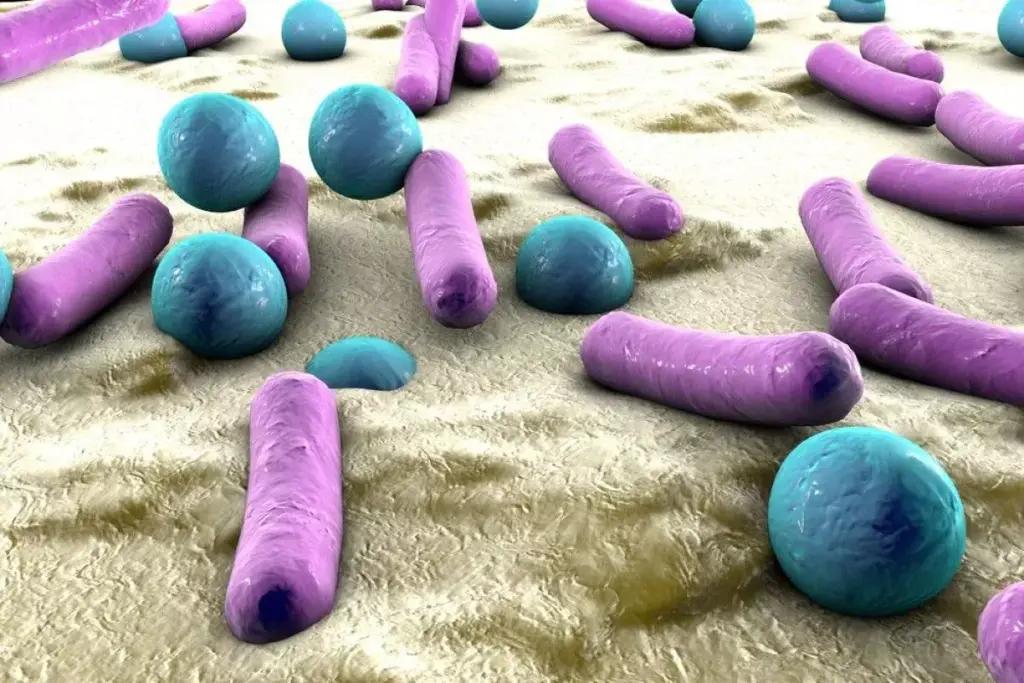
Bacteria grow fast in the danger zone, which is a big deal for food safety. This zone is between 40°F and 140°F. In just 20 minutes, bacteria can double, which is very risky.
What is the Temperature Danger Zone?
The danger zone is between 40°F and 140°F. Bacteria like Salmonella and E. coli grow quickly here. Ghaida Batarseh Havern says this range is very dangerous because bacteria multiply fast. It’s important to keep food cold or hot to stop bacteria.
The Rapid Rate of Bacterial Growth
In the danger zone, bacteria can double in 20 minutes. This fast growth is a big worry for food safety. Knowing this helps us take steps to avoid foodborne illnesses.
| Temperature Range | Bacterial Growth Rate | Food Safety Precautions |
| Below 40°F (4°C) | Slow | Refrigerate or freeze food promptly |
| 40°F – 140°F (4°C – 60°C) | Rapid | Avoid leaving food in this range for extended periods |
| Above 140°F (60°C) | Minimal | Keep food hot until served |
Knowing the danger zone and how bacteria grow helps us keep food safe. Good food handling and keeping food at the right temperature are key to food safety.
Safe Time Limits and Food Handling Guidelines

Knowing the safe time limits for food is key to avoiding foodborne illnesses. If food sits out too long, bacteria grow fast, posing health risks.
The Two-Hour Rule (One-Hour When Above 90°F)
The two-hour rule is simple: keep perishable foods cold for no more than two hours. If it’s over 90°F, cut that time to one hour. This rule stops bacteria from growing, which likes temperatures between 40°F and 140°F.
For more on safe food handling, check out the FDA’s Safe Food Handling page.
Effects of Cooking and Freezing on Bacteria
Cooking kills bacteria, but it’s not perfect. Some bacteria, like Staphylococcus aureus, make toxins that cooking can’t kill. Freezing stops bacteria from growing but doesn’t kill them. The USDA says leftovers can stay in the fridge for three to four days or be frozen for three to four months.
Common Food Safety Myths Debunked
There are many myths about food safety. For example, freezing doesn’t kill bacteria; it just stops them from growing. Another myth is that cooking kills all bacteria toxins. But, some toxins can withstand heat.
Also, smelling rotten food doesn’t usually make you sick. While it’s unpleasant and might mean there’s bacteria, smelling it itself won’t make you ill.
Conclusion: Best Practices for Preventing Foodborne Illness
To prevent foodborne illness, it’s key to know the risks of bad food handling. We stress the need to follow safe food handling steps. This includes sticking to the two-hour rule and knowing the temperature danger zone.
Leaving food out overnight can cause bacteria to grow, making it unsafe. In fact, eating spoiled meat can be very dangerous. But, cooking food properly, like boiling chicken, can kill bacteria and make it safe.
Experts say to follow the USDA’s food safety tips to lower the risk of getting sick. If you’re unsure, it’s safer to throw away perishable foods. By watching how long food is left out and using the right handling techniques, we can greatly reduce the risk of getting sick from food.
By using these best practices, we can make our food environment safer for everyone. Proper food handling and storage are essential to stop foodborne illness. We must stay careful in keeping our food safe.
FAQ
Can you get sick from smelling rotten food?
Smelling rotten food is not usually harmful. But, if the food has harmful bacteria, touching or eating it can make you sick.
Are all bacteria poisons destroyed by cooking?
Cooking kills many bacteria. But, some bacteria make spores or toxins that heat can’t kill. Good cooking and handling can lower the risk of getting sick.
How long is it safe to leave food out at room temperature?
Don’t leave food out for more than two hours. If it’s hotter than 90°F, limit it to one hour. This stops bacteria from growing fast.
What bacteria cannot be killed by cooking?
Some bacteria, like Clostridium botulinum, are hard to kill with heat. Cooking is good, but following food safety rules is key to avoid contamination.
Can you eat food that was left out overnight?
No, don’t eat food left out overnight. Foods left out too long can get bacteria, making them unsafe.
Does heat kill viruses in food?
Heat can kill some viruses. But, it’s not always effective. Good food handling and cooking can help prevent viral contamination.
Can heat kill bacteria in food?
Yes, heat can kill many bacteria. Cooking food to the right temperature kills bacteria, making it safe to eat.
Is it okay to eat food left out overnight?
No, it’s not safe to eat food left out overnight. It can cause food poisoning from bacteria.
Can you die from eating spoiled meat?
Yes, eating spoiled meat can be dangerous. It can lead to serious food poisoning. Proper handling and cooking of meat can reduce this risk.
Does boiling chicken kill bacteria?
Yes, boiling chicken kills bacteria like Campylobacter and Salmonella. It must be cooked to 165°F to be safe.
How long can food be at room temperature?
Food should not be at room temperature for more than two hours. If it’s hotter than 90°F, limit it to one hour.
Does freezing food kill harmful bacteria that can cause food poisoning?
Freezing slows down bacteria growth but doesn’t kill all bacteria. Good handling and storage are key to prevent contamination.
References
World Health Organization. Evidence-Based Medical Guidance. Retrieved from https://www.who.int/publications/i/item/9789241547737[web:4



 Departments
 Related Videos
 Our Doctors
 News
News