

The Canadian Cancer Society says that the 5-year survival rate for all brain and central nervous system tumors is 22%. This shows how complex and varied brain stem cancer survival can be.
Getting a diagnosis of a brain stem tumor can feel overwhelming. The life expectancy of people with these tumors can change a lot. It depends on the tumor’s type and how serious it is.
When we talk about tumor on brain stem life expectancy, we must look at what affects survival rates. We’ll cover these factors and why knowing life expectancy is important for those affected.
Key Takeaways
- Understanding the type and grade of a brain stem tumor is key to knowing life expectancy.
- Survival rates for brain stem tumors can vary a lot.
- The Canadian Cancer Society gives important stats on brain and central nervous system tumors.
- Things that can change survival rates include the tumor itself and the person’s overall health.
- It’s very important to offer supportive care to those with a brain stem tumor diagnosis.
Understanding Brain Stem Tumors
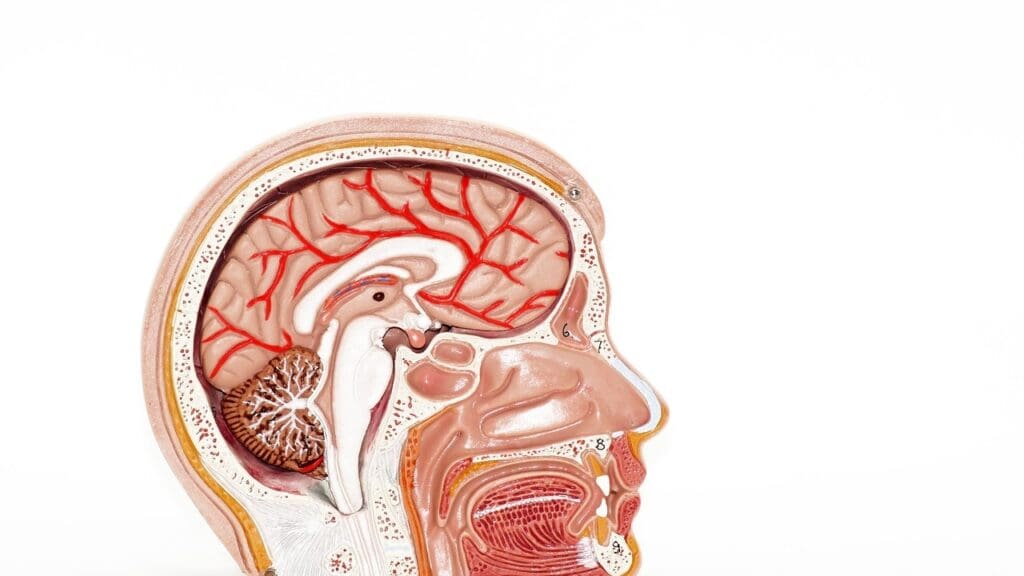
Brain stem tumors are unique because of their location and how they can affect brain function. We will look at the basics of these tumors. This includes what they are, how they are classified, and how common they are.
What is the Brain Stem and Its Functions
The brain stem connects the cerebrum to the spinal cord. It controls automatic functions like breathing and heart rate. It’s divided into three parts: the midbrain, pons, and medulla oblongata. Knowing its role helps us understand the impact of tumors.
Definition and Classification of Brain Stem Tumors
Brain stem tumors are abnormal growths in the brain stem. They can be benign or malignant. They are classified by location, grade, and type. Common types include diffuse intrinsic pontine gliomas (DIPG) and focal brain stem gliomas. Accurate classification is key for treatment and prognosis.
Prevalence and Incidence Rates
Brain stem tumors are rare, mostly in children. According to brain stem tumor statistics, they make up a small part of all brain tumors. The rate varies by age, with some types more common in kids. Knowing these stats helps in planning care and understanding prognosis.
Key statistics include:
- Brain stem tumors are more common in children than in adults.
- DIPG is the most common type in children.
- The overall incidence of brain stem tumors is low compared to other types of brain tumors.
Types of Brain Stem Tumors and Their Characteristics
It’s important to know about the different brain stem tumors. They vary a lot in how they act, how likely they are to come back, and the treatment options. We’ll look at the main types and what makes them unique.
Diffuse Intrinsic Pontine Gliomas (DIPG)
DIPG is a very aggressive and serious brain stem tumor. It mostly affects kids and starts in the pons. The outlook is not good. Treatment options are few, and scientists are working hard to find better ways to help.
Focal Brain Stem Gliomas
Focal brain stem gliomas are less severe than DIPG. They can happen in both kids and adults. These tumors are usually not as bad and can be treated with surgery, radiation, or chemo.
Cervicomedullary Tumors
Cervicomedullary tumors are found where the brain stem meets the spinal cord. They are often not as aggressive and can be treated with surgery or other methods.
Dorsal Exophytic Tumors
Dorsal exophytic tumors grow from the brain stem’s surface. They are usually not as serious and might be removed with surgery. People with these tumors often have a better chance of survival.
Knowing the exact type of brain stem tumor is key. It helps doctors choose the best treatment approach and gives a better idea of brain tumor survival rates. We’ll keep looking into how these tumor types affect treatment and survival in the next parts.
Signs and Symptoms of Brain Stem Tumors
It’s important to know the signs and symptoms of brain stem tumors early. This helps in getting the right treatment fast. Brain stem tumors can affect many areas of the brain, leading to different symptoms.
Early Warning Signs
Headaches, nausea, and weakness are early signs. These symptoms can be similar to other health issues. But, as the tumor grows, these signs get worse and harder to handle.
Progressive Symptoms
As the tumor gets bigger, symptoms get more serious. Patients might see double, have trouble swallowing, or lose their balance. These issues can really affect a person’s life quality.
When to Seek Medical Attention
If you notice any of these symptoms, get medical help right away. A doctor can check you out and suggest tests to find out what’s wrong.
Spotting and treating brain stem tumors early is key. It helps in choosing the best treatment and can improve brain stem cancer survival chances. We urge everyone to look after their health and see a doctor if they notice anything odd or keeps coming back.
Diagnosis and Staging of Brain Stem Tumors
Diagnosing brain stem tumors involves several steps. We use top-notch imaging and grading systems. This is key for knowing the brainstem tumor prognosis and planning treatment.
Imaging Techniques
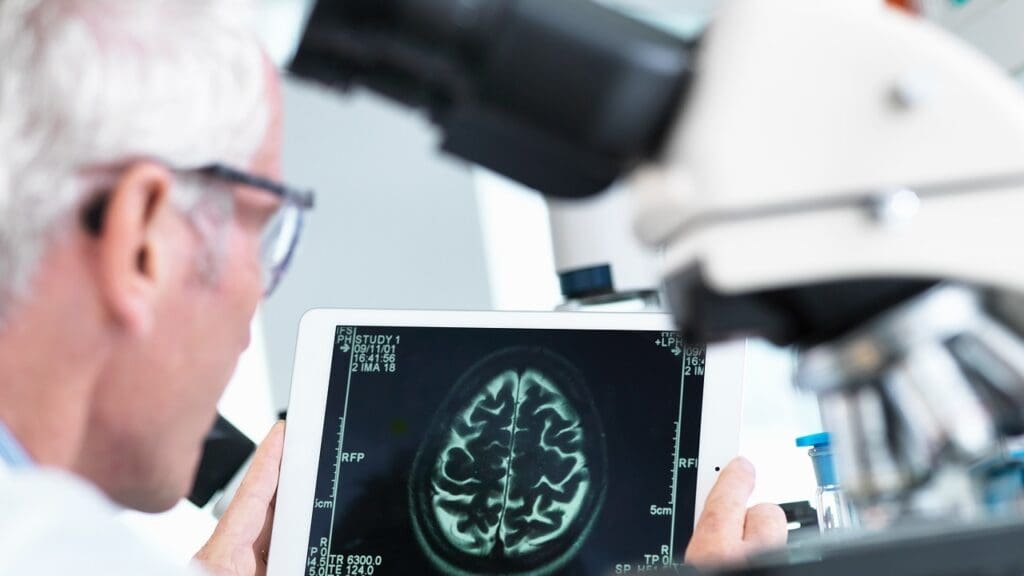
Magnetic Resonance Imaging (MRI) is our main tool for diagnosing brain stem tumors. It shows the tumor’s size, location, and type. We also use special MRI methods to learn more about the tumor.
Biopsy Considerations
Even though MRI is very helpful, a biopsy is the best way to confirm a diagnosis. But, biopsies on brain stem tumors are tricky because of their location. We think carefully about the risks and benefits, looking at the tumor’s MRI appearance and the patient’s health.
Grading System for Brain Stem Tumors
The World Health Organization (WHO) grading system helps classify brain stem tumors. The grade tells us about the tumor on brain stem life expectancy and helps plan treatment. We use this system to make treatment plans that fit each patient’s needs.
By using advanced imaging, considering biopsies, and grading tumors accurately, we can give a precise diagnosis. Then, we can create a treatment plan that works for patients with brain stem tumors.
Tumor on Brain Stem Life Expectancy: Key Factors
Several important factors determine the life expectancy of patients with brain stem tumors. Understanding these elements can help patients and their families better navigate the challenges ahead.
Age and Overall Health
The patient’s age and overall health are key in determining life expectancy. Younger patients with fewer health issues tend to have a better prognosis. We consider these factors when evaluating the outcomes for brain stem tumor patients.
Tumor Type and Grade
The type and grade of the tumor are critical in assessing life expectancy. For instance, diffuse intrinsic pontine gliomas (DIPG) are typically more aggressive and have a poorer prognosis compared to other types like focal brain stem gliomas. The tumor’s grade, which indicates how much the tumor cells resemble normal cells, also impacts the prognosis.
| Tumor Type | Typical Grade | Prognosis |
|---|---|---|
| DIPG | High-grade | Poor |
| Focal Brain Stem Gliomas | Low to High-grade | Varies |
| Cervicomedullary Tumors | Low-grade | Favorable |
Tumor Location and Size
The location and size of the tumor within the brain stem also significantly influence life expectancy. Tumors that are larger or more critically located may be more challenging to treat, affecting the overall prognosis.
Response to Treatment
How well a patient responds to treatment is another critical factor in determining life expectancy. Treatments such as surgery, radiation therapy, and chemotherapy can vary in effectiveness depending on the tumor type and individual patient factors.
By considering these key factors, healthcare providers can offer more accurate and personalized prognostic information to patients and their families. We continue to advance our understanding and treatment of brain stem tumors, aiming to improve outcomes for those affected.
Brain Stem Tumor Survival Statistics
Knowing survival stats for brain stem tumors is key for patients and their families. These numbers help them understand what to expect based on the tumor’s type and grade.
Survival Rates by Tumor Type
Survival chances for brain stem tumors differ a lot. For example, diffuse intrinsic pontine gliomas (DIPG) face a tougher road than focal brain stem gliomas. We’ll dive into these differences to help patients grasp their unique situation.
Five-Year Survival Rates
Five-year survival rates are a key way to gauge a patient’s outlook. These rates show the percentage of people who live for five years after being diagnosed. We’ll look at these rates for various brain stem tumors and what affects them.
Long-Term Survivors: What We Can Learn
Long-term survivors of brain stem tumors share important lessons. By studying their cases, we can spot patterns that might lead to better treatments for others.
Grasping brain stem tumor survival stats helps us see the complexity of these tumors. It shows the importance of tailored treatments. This knowledge helps patients and their families make informed choices about their care.
Treatment Options for Brain Stem Tumors
Treatment for brain stem tumors has improved a lot, giving patients new hope. The treatment depends on the tumor’s type, grade, and where it is. It also depends on the patient’s health.
Surgical Approaches
Surgery is tricky because of the brain stem’s important functions and delicate structure. But, new neurosurgical techniques have made things better for some. Minimally invasive surgical methods are being looked into to lower risks.
Radiation Therapy
Radiation therapy is often used for brain stem tumors, mainly for those that can’t be surgically removed. High-precision radiation techniques like stereotactic radiosurgery aim at the tumor. They try to avoid harming healthy tissue nearby.
| Treatment Type | Description | Benefits |
|---|---|---|
| Surgery | Removal or reduction of the tumor | Potential for complete removal, reduced tumor size |
| Radiation Therapy | Targeted radiation to kill tumor cells | Effective for inoperable tumors, spares healthy tissue |
Chemotherapy Protocols
Chemotherapy might be used alone or with other treatments. The choice of chemotherapy depends on the tumor type and the patient’s health. Targeted chemotherapy is being researched for its ability to target specific tumor cells.
Targeted Therapies
Targeted therapies aim at specific molecules that help tumors grow. These therapies are being tested in clinical trials for treating brain stem tumors.
Every patient’s case is different, and treatment plans are made just for them. A team of healthcare professionals works together. They aim to give the best care for patients with brain stem tumors.
Seeking Specialized Care
Managing a brain stem tumor starts with understanding the need for specialized care. Patients and their families face many treatment options and medical considerations. This is due to the complex nature of brain stem tumors.
Finding Brain Tumor Centers of Excellence
Specialized care centers offer the latest treatments and clinical trials. They provide access to advanced medical research and expertise. These centers have teams experienced in managing brain stem tumors. This can improve brainstem tumor prognosis and life expectancy for brain stem tumor patients.
The Importance of Multidisciplinary Teams
A multidisciplinary team includes neurosurgeons, oncologists, radiologists, and other specialists. They work together to create a personalized treatment plan. This approach ensures each patient gets the care they need.
Questions to Ask Your Healthcare Provider
When talking to your healthcare provider, ask informed questions. Ask about treatment options, side effects, and how the tumor type and grade affect life expectancy. Being proactive helps you make informed decisions about your care.
Advanced and Experimental Treatments
Medical research has made big strides in finding new treatments for brain stem tumors. These new therapies bring hope to those dealing with these tough conditions.
Immunotherapy Approaches
Immunotherapy uses the body’s immune system to fight cancer. Checkpoint inhibitors and personalized cancer vaccines are being tested in trials. They might help fight brain stem tumors.
Gene Therapy
Gene therapy tries to fix genes to fight brain stem tumors. Scientists are working on different methods. They aim to target genes that make tumors grow.
Clinical Trials and Research Initiatives
Clinical trials are key in finding better treatments for brain stem tumors. They let researchers test new treatments. This could lead to better results for patients.
How to Find Appropriate Clinical Trials
Patients can find clinical trials online at ClinicalTrials.gov or by talking to their doctor. It’s important to check if you qualify and talk to a doctor about joining a trial.
Eligibility Considerations
Who can join a trial depends on several things. These include the type of tumor, age, and health. Always talk to your doctor to see if a trial is right for you.
As research keeps improving, patients with brain stem tumors may get better treatments. Keeping up with new research and talking to your doctor can help you make the best choices for your care.
Living with a Brain Stem Tumor
Living with a brain stem tumor is tough. It needs a lot of support and care. Patients and their families face many challenges. They must deal with symptoms, treatments, and try to keep a good quality of life.
Managing Symptoms and Side Effects
Managing symptoms is key for brain stem tumor patients. Symptoms can include:
- Difficulty with balance and coordination
- Speech and swallowing problems
- Weakness or numbness in the face or extremities
Medicines, physical therapy, and other treatments can help. They aim to make life better.
Rehabilitation Options
Rehabilitation is important. It helps patients get back lost functions and adjust to changes. This might include:
- Physical therapy to improve mobility and strength
- Occupational therapy to enhance daily living skills
- Speech therapy to address communication challenges
Support Resources for Patients and Families
Support is vital for those dealing with a brain stem tumor diagnosis.
Financial Assistance Programs
Financial help is available to ease the cost of medical care. Organizations like:
- Patient advocacy groups
- Non-profit organizations dedicated to brain tumor support
Support Groups and Counseling
Support groups and counseling offer emotional support. They help patients and families deal with the emotional impact of the diagnosis.
Hospice and Palliative Care
Hospice and palliative care focus on comfort and quality of life. They help patients with advanced brain stem tumors.
Conclusion
Understanding brain stem tumors is key for patients and their families. The life expectancy with a brain stem tumor varies a lot. This depends on the tumor type, grade, and where it is, plus the patient’s health and how well they respond to treatment.
Even though predicting outcomes for brainstem tumors is tough, there’s hope. Medical care is getting better, and research is ongoing. Treatments like surgery, radiation, and chemotherapy are being tried. New therapies like immunotherapy are also being explored to help more people.
It’s vital to get care from teams at top brain tumor centers. These teams offer full support from start to finish. They help with each patient’s unique needs, from diagnosis to recovery.
We’re dedicated to helping patients and their families as we learn more about brain stem tumors. We believe in the power of hope and the strength of those facing these tough conditions.
What is the average life expectancy for someone with a brain stem tumor?
Life expectancy for someone with a brain stem tumor varies. It depends on the tumor’s type, grade, and location. It also depends on the patient’s health and how well they respond to treatment.
How do brain stem tumors affect life expectancy?
Brain stem tumors can greatly affect life expectancy. Some types have a very poor prognosis. Others may have a better chance with the right treatment.
What are the survival rates for brain stem tumors?
Survival rates for brain stem tumors differ by tumor type and grade. For example, DIPG has a very poor prognosis. But other types might have a better outlook.
Can brain stem tumors be treated, and what are the treatment options?
Yes, brain stem tumors can be treated. Treatment options include surgery, radiation, chemotherapy, and targeted therapies. The right treatment depends on the tumor and the patient’s health.
How does the grade of a brain stem tumor impact prognosis?
The tumor’s grade is key in determining prognosis. Higher-grade tumors usually have a poorer outlook.
What is the role of clinical trials in brain stem tumor treatment?
Clinical trials are vital in treating brain stem tumors. They offer new therapies that may improve patient outcomes.
How can I find a center of excellence for brain stem tumor treatment?
To find a top center for brain stem tumor treatment, look for hospitals that specialize in brain tumors. They should have a team of experts.
What are the benefits of seeking specialized care for brain stem tumors?
Specialized care for brain stem tumors offers many benefits. It gives patients access to the latest treatments and expert care. This can improve outcomes and quality of life.
How can I manage symptoms and side effects of brain stem tumor treatment?
Managing symptoms and side effects requires a full approach. This includes medication, rehabilitation, and support resources. It helps improve quality of life.
What support resources are available for patients and families affected by brain stem tumors?
Many support resources are available for those affected by brain stem tumors. This includes support groups, financial help, and palliative care services.