Getting a brain cancer diagnosis can be scary. People often wonder how long they can live. At Liv Hospital, we’re here to help. We offer patient-centered care and trusted expertise.
Survival rates for brain cancer patients change a lot. This depends on the tumor type, where it is, the patient’s age, and how well they respond to treatment. We’ll look at these factors to help you understand brain cancer better.
Key Takeaways
- Survival rates for brain cancer vary based on tumor type and location.
- Age and overall health are significant factors in determining life expectancy.
- Advancements in medical treatments have improved brain cancer prognosis.
- Understanding individual treatment responses is key for patients and families.
- Patient-centered care is vital for facing brain cancer challenges.
Understanding Brain Cancer: Types and Classifications
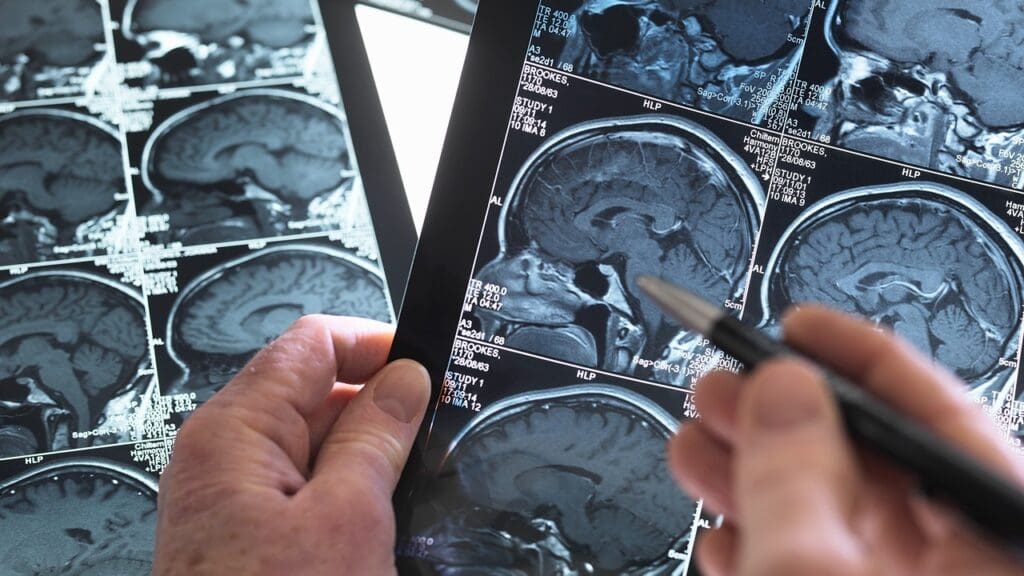
It’s important to know the different types and classifications of brain cancer. This knowledge helps doctors find the best treatments and improve patient outcomes. Brain cancer is sorted by where the tumor starts, how it behaves, and other details.
Primary vs. Secondary Brain Tumors
Primary brain tumors start in the brain. Secondary brain tumors spread from other parts of the body. Primary brain tumors are split into subtypes based on cell type and behavior. Secondary tumors, or metastatic brain tumors, are more common. They often come from cancers in the lung, breast, or skin.
Malignant vs. Non-Malignant Brain Tumors
Brain tumors can be either malignant or non-malignant. Malignant tumors are cancerous and grow fast, spreading to nearby brain tissue. Non-malignant tumors, or benign tumors, grow slower and don’t usually spread.
Common Brain Cancer Staging
Staging brain cancer is complex. It looks at the tumor’s size, location, and behavior. Even though it’s not as simple as other cancers, knowing these details is key to finding the right treatment.
How Long Can You Live with Brain Cancer: General Statistics

When you’re diagnosed with brain cancer, knowing the survival rates can help. We’ll look at overall survival rates, five-year survival stats, and compare them to other cancers.
Overall Survival Rates
The survival rate for brain cancer patients varies a lot. It depends on the cancer type and stage. Studies show that about 22-36% of patients live for five years after diagnosis.
Many things affect survival rates. These include where the tumor is, its size, and the patient’s health. Thanks to new treatments, survival rates have gotten better over time.
Five-Year Survival Statistics
Five-year survival stats give a clearer picture of brain cancer’s outlook. They show how many patients live for five years after being diagnosed. For brain cancer, this rate is about 36%, based on recent data.
This means about 36 out of 100 people with brain cancer are alive five years later. This number can change based on the brain tumor type.
Comparing Brain Cancer to Other Cancers
Looking at brain cancer survival rates compared to other cancers helps us understand it better. Brain cancer is tough to treat because of its location and the brain’s delicate tissue.
| Cancer Type | Five-Year Survival Rate |
|---|---|
| Brain Cancer | 36% |
| Breast Cancer | 90% |
| Lung Cancer | 21% |
| Colon Cancer | 65% |
The table shows brain cancer’s five-year survival rate is lower than some cancers like breast cancer. But it’s similar to or a bit better than others, like lung cancer. Knowing these comparisons helps us understand the prognosis better.
Survival Rates by Brain Tumor Type
Different brain tumors have different survival rates. Knowing these rates helps patients and families make better choices about treatment.
Glioblastoma Life Expectancy
Glioblastoma has a poor outlook. Patients usually live 12-18 months, but this can change based on treatment and health.
Meningioma Survival Rates
Meningiomas have a better outlook than glioblastomas. The five-year survival rate is 88% to 90%. This depends on the tumor and treatment success.
Astrocytoma and Oligodendroglioma Prognosis
Astrocytomas and oligodendrogliomas have different outlooks. Astrocytomas vary from low-grade to high-grade. Oligodendrogliomas often have a better chance, thanks to surgery and other treatments.
Pediatric Brain Tumor Survival Rates
Pediatric brain tumors are tough. But, thanks to better treatments, survival rates have jumped. The five-year survival rate for kids is about 80%, but it depends on the tumor type.
| Tumor Type | Average Survival Rate | Five-Year Survival Rate |
|---|---|---|
| Glioblastoma | 12-18 months | 5-10% |
| Meningioma | Varies | 88-90% |
| Astrocytoma | Varies by grade | 40-90% |
| Oligodendroglioma | Varies by grade | 50-90% |
| Pediatric Tumors | Varies by type | Around 80% |
“The prognosis for brain cancer patients has improved significantly with advancements in surgical techniques, radiation therapy, and chemotherapy. Understanding the specific type of brain tumor is key for the best treatment plan.”
Factors That Influence Brain Cancer Prognosis
When diagnosing brain cancer, several factors are important for predicting the patient’s outcome. These factors help doctors create a good treatment plan.
Tumor Location and Size
The location and size of a brain tumor greatly affect the prognosis. Tumors in key areas or larger ones are harder to treat. This often leads to a poorer outlook.
Age and Overall Health
A patient’s age and health are also key. Older patients or those in poor health may have a worse prognosis. This is because they might not handle aggressive treatments well.
Genetic and Molecular Markers
Genetic and molecular markers are becoming more important in predicting brain cancer prognosis. Certain genetic mutations can change how a tumor behaves and responds to treatment.
Treatment Response
The patient’s reaction to initial treatment is a big indicator of their prognosis. Good treatment can greatly improve survival chances and quality of life.
| Prognostic Factor | Impact on Prognosis |
|---|---|
| Tumor Location and Size | Critical location or larger size can worsen prognosis |
| Age and Overall Health | Older age or poor health can negatively impact prognosis |
| Genetic and Molecular Markers | Certain markers can influence treatment response and prognosis |
| Treatment Response | Positive response to treatment improves prognosis |
Understanding these factors helps doctors predict patient outcomes better. They can then tailor treatment plans to improve chances of success.
Inoperable Brain Tumors and Life Expectancy
Inoperable brain tumors are a complex condition where surgery is not an option. They require a treatment plan that covers many areas. These tumors are often too big or in the wrong place for surgery.
Defining Inoperable Tumors
Inoperable brain tumors are usually deep in the brain or too big to remove safely. Advanced imaging techniques help figure out the best treatment.
Survival Outlook for Inoperable Cases
The outlook for patients with inoperable brain tumors varies. It depends on the tumor type, where it is, and the patient’s health. Life expectancy also depends on how fast the tumor grows and how well it responds to treatment.
Alternative Treatment Approaches
Alternative treatments include radiation therapy and chemotherapy. These methods try to slow tumor growth and ease symptoms. Some patients might also get new treatments through clinical trials.
We create a treatment plan for each patient. Our goal is to improve life expectancy and quality of life.
Brain Stem Tumors: Specific Prognosis Challenges
Brain stem tumors are tough to deal with because of where they are. They sit between the cerebrum and the spinal cord. This spot is key for controlling things like breathing and heart rate.
Why Brain Stem Tumors Are Particular Concerns
These tumors are worrisome because they mess with important brain functions. This can lead to serious health issues. Surgery is hard because of where they are, and they can harm vital functions badly.
Life Expectancy with Brain Stem Involvement
The life span with brain stem tumors varies a lot. It depends on the tumor type, how serious it is, and the patient’s health. Because of where they are, the outlook is often not good.
| Tumor Type | Average Life Expectancy |
|---|---|
| Low-grade glioma | 5-10 years |
| High-grade glioma | 1-3 years |
Treatment Limitations and Innovations
There aren’t many treatment options for brain stem tumors because of their location. But, new ways to fight cancer with radiation and targeted treatments are giving people hope for better results.
Spinal Tumors: Related Prognosis Information
It’s important to know about spinal tumor prognosis, as they can be linked to brain cancer. We’ll look at how spinal tumors relate to brain cancer, their survival rates, and how they affect a patient’s life.
Connection to Brain Cancer
Spinal tumors can be either primary or secondary. Secondary tumors often come from other cancers, like brain cancer. If you have a spinal tumor and a history of brain cancer, it means your disease might be more complex. This connection shows the need for detailed care.
Survival Rates for Spinal Tumors
Survival rates for spinal tumors depend on several factors. These include the tumor type, where it is, and the patient’s health. People with benign tumors usually have better survival chances than those with malignant ones. Getting a diagnosis early and starting treatment quickly can greatly help.
Impact on Quality of Life
Spinal tumors can greatly affect a person’s quality of life. Symptoms can include pain, numbness, and neurological problems. Treatment aims to not just extend life but also to improve quality of life. Teams of doctors from different fields are key in managing these cases.
In summary, spinal tumors pose special challenges, mainly when linked to brain cancer. Knowing about their prognosis, survival rates, and life impact is critical for both patients and healthcare teams.
Complications Affecting Survival: Brain Tumor Bleeding
Brain tumors can lead to life-threatening bleeding. This can change a patient’s outlook on life. Bleeding in the brain, or hemorrhage, causes sudden and severe symptoms. These symptoms need immediate medical care.
Causes of Brain Tumor Hemorrhage
Several factors can cause brain tumor bleeding. The tumor’s location, size, and type play a big role. Tumors with a lot of blood vessels are more likely to bleed. Also, treatments like blood thinners can raise the risk of bleeding.
Impact on Life Expectancy
The effect of brain tumor bleeding on life expectancy varies. It depends on how severe and where the bleeding is. In some cases, it can greatly worsen the patient’s condition. In others, it might not change their survival chances much.
Emergency Management and Outcomes
Handling a brain tumor hemorrhage as an emergency is critical. It involves keeping the patient stable, managing brain pressure, and dealing with complications. Quick and effective treatment can help, but each case is different.
Treatment Options and Their Effect on Survival
When you’re diagnosed with brain cancer, knowing about treatment options is key. It’s important for patients and their families to understand how these treatments can affect survival. We’ll look at the different treatments and how they impact patient outcomes.
Surgery and Its Impact on Prognosis
Surgery is often the first step in treating brain cancer. It aims to remove as much of the tumor as possible. The success of surgery greatly affects the patient’s outlook. Removing the tumor completely can boost survival chances, but it depends on the tumor’s location and how easy it is to reach.
Radiation Therapy Outcomes
Radiation therapy is another important treatment for brain cancer. It uses high-energy beams to kill tumor cells. The success of radiation therapy depends on the tumor type and stage. It can be used alone or with surgery or chemotherapy.
Chemotherapy and Targeted Treatments
Chemotherapy uses drugs to kill cancer cells. Targeted treatments focus on specific molecules that help cancer grow. These treatments can increase survival chances when used correctly, alone or with other therapies.
Clinical Trials and Experimental Treatments
Clinical trials offer new and innovative treatments not yet widely available. They can be a good option for patients looking for alternative treatments. Below is a summary of treatment options and their survival effects.
| Treatment Option | Effect on Survival |
|---|---|
| Surgery | Improves survival by removing tumor |
| Radiation Therapy | Kills tumor cells, varying effectiveness |
| Chemotherapy & Targeted Treatments | Improves survival with appropriate use |
It’s vital to understand the treatment options and their survival impact for informed brain cancer care decisions. We’re constantly improving our brain cancer treatments, giving hope to patients and their families.
Long-Term Survivors: Stories of Hope
The journey of long-term survivors of brain cancer is filled with hope. It shows how certain factors help them live longer. Many patients not only survive but also thrive after treatment.
Factors Associated with Long-Term Survival
Several factors help brain cancer patients live longer. Early diagnosis and effective treatment plans are key. A patient’s overall health and resilience also play a big role.
Early detection is very important. It allows for timely treatment, which can improve survival rates.
Exceptional Responders to Treatment
Some patients respond very well to treatment. This is often because of genetic and molecular factors. Understanding these can help tailor treatments to fit each patient’s needs.
Lifestyle Considerations for Survivors
For long-term survivors, a healthy lifestyle is essential. This means eating well, exercising regularly, and managing stress. Lifestyle adjustments can greatly improve quality of life and outcomes.
By knowing what helps them survive longer and making smart lifestyle choices, brain cancer survivors can live well. We support and care for our patients, giving them the best chance at long-term survival.
Conclusion: Advances in Brain Cancer Research and Treatment
Recent breakthroughs in brain cancer research have led to better treatment options and outcomes. Studies show that 56% of participants were alive after 12 months. The median overall survival was 13.1 months.
Patients with tumors having favorable genetics lived longer. Their median survival was 22 months.
Glioblastoma, the most lethal type of primary brain cancer, affects about 14,500 people in the U.S. each year. A recent study found a new treatment method. It used short-course hypofractionated proton beam therapy, finishing in one to two weeks. This is much faster than the traditional three to six weeks.
We are seeing big steps forward in brain cancer treatment. Ongoing research is full of promise for future breakthroughs. The use of advanced imaging and new treatment methods is making a difference. As we keep moving forward with brain cancer research, we are hopeful for the future of patients with this disease.
What is the prognosis for brain cancer patients?
The outlook for brain cancer patients depends on several things. These include the tumor’s type and stage, and the patient’s health.
How long can you live with brain cancer?
Life expectancy with brain cancer varies. It depends on the tumor’s type and stage, and how well treatment works. With proper care, some patients can live for years.
What are the survival rates for different types of brain tumors?
Survival rates differ by brain tumor type. For example, glioblastoma has a lower survival rate than meningioma, which is often more treatable.
Can you survive brain cancer?
Yes, many people beat brain cancer, mainly if caught and treated early. Treatment success varies by tumor type and stage.
What is the life expectancy for inoperable brain tumors?
Life expectancy for inoperable tumors depends on several factors. These include the tumor’s type, size, and location, and the patient’s health. New treatments can improve outcomes.
How does brain tumor bleeding affect life expectancy?
Bleeding from brain tumors can greatly reduce life expectancy. It can lead to severe complications. Quick emergency care is critical.
What are the treatment options for brain cancer?
Treatments for brain cancer include surgery, radiation, chemotherapy, and targeted treatments. The best plan often combines these methods.
Can lifestyle changes improve survival rates for brain cancer patients?
Yes, a healthy lifestyle can help. Eating well and exercising regularly can improve health and survival chances for brain cancer patients.
Are brain tumors fatal?
Brain tumors can be fatal, but not always. Advances in treatments have improved survival rates for many patients.
How long does brain cancer take to kill you?
Brain cancer progression varies. It depends on the tumor type, stage, and treatment success. Some patients live for years, while others progress faster.
What is the survival rate for pediatric brain tumors?
Survival rates for kids with brain tumors have improved. Advances in treatments have made a big difference. The outlook varies by tumor type and stage.
How do genetic and molecular markers impact brain cancer prognosis?
Genetic and molecular markers offer insights into tumor behavior and treatment response. They help in making prognosis and treatment plans.
What is the connection between spinal tumors and brain cancer?
Spinal tumors can be linked to brain cancer. Some tumors can spread from the brain to the spine or vice versa. Understanding this connection is key for treatment.
References
- American Cancer Society (Brain and Spinal Cord Tumors in Adults: Survival Rates) : https://www.cancer.org/cancer/types/brain-spinal-cord-tumors-adults/detection-diagnosis-staging/survival-rates.html
- Cancer Research UK (Brain Tumour Survival) : https://www.cancerresearchuk.org/about-cancer/brain-tumours/survival
- SEER Cancer Statistics (Brain and Other Nervous System) : https://seer.cancer.gov/statfacts/html/brain.html