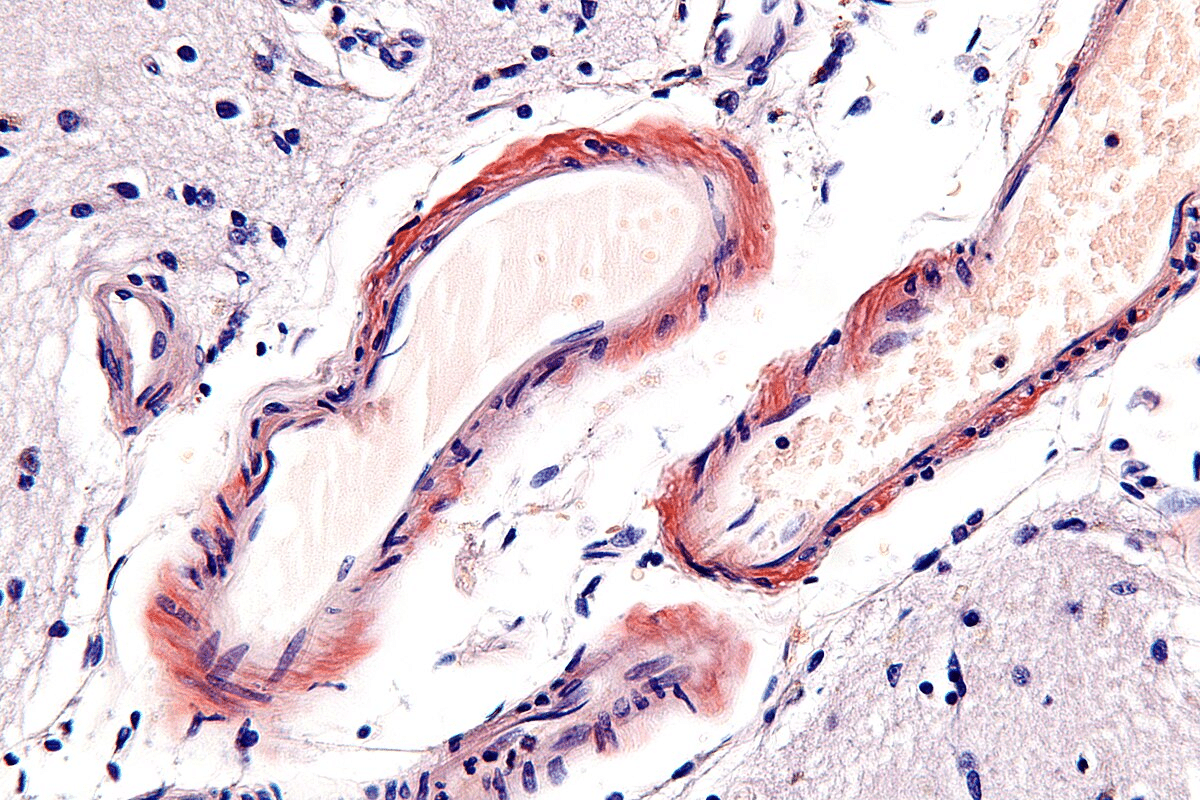
Cerebral Amyloid Angiopathy (CAA) is a condition where amyloid proteins build up in brain blood vessels. This can lead to different outcomes, often unpredictable how long can you live with cerebral amyloid angiopathy.
CAA is a common disease that affects small blood vessels in the brain. It causes cognitive decline in older adults and is a main reason for bleeding in the brain. How long someone can live with CAA depends on several factors. These include how severe the disease is, the type of bleeding, age, and overall health.
Recent studies show that about 80 percent of people diagnosed with CAA survive the first year. Around half of them have good long-term outcomes with the right treatment.
Key Takeaways
- Life expectancy with CAA varies significantly based on individual factors.
- Disease severity and hemorrhage characteristics play a critical role in determining outcomes.
- Proper management is essential for achieving favorable long-term results.
- CAA is a major contributor to cognitive decline in the elderly.
- Understanding CAA is critical for developing effective treatment strategies.
Understanding Cerebral Amyloid Angiopathy (CAA)

It’s important to understand Cerebral Amyloid Angiopathy to diagnose and manage it. Cerebral Amyloid Angiopathy (CAA) is a brain disorder. It happens when amyloid beta peptides build up in blood vessel walls.
Definition and Pathophysiology
CAA is when amyloid beta builds up in blood vessel walls. This causes the vessels to thicken, become fragile, and sometimes burst. This can lead to bleeding in the brain.
The buildup of amyloid beta in blood vessels is a key part of CAA. It’s linked to aging and Alzheimer’s disease. But, CAA can also happen on its own.
Types of Cerebral Amyloid Angiopathy
CAA comes in different forms, including sporadic and hereditary types. The most common type, sporadic CAA, is linked to aging and Alzheimer’s disease.
- Sporadic CAA: This is the most common form, typically occurring in older adults.
- Hereditary CAA: This form is associated with specific genetic mutations, such as those causing Dutch-type or Icelandic-type CAA.
Prevalence and Risk Factors
CAA is common among the elderly. It gets more common with age and is often linked to Alzheimer’s disease.
|
Risk Factor |
Description |
|---|---|
|
Age |
Increasing age is a significant risk factor for CAA. |
|
Alzheimer’s Disease |
CAA is often associated with Alzheimer’s disease pathology. |
|
Genetic Mutations |
Specific genetic mutations can increase the risk of hereditary CAA. |
As noted by Greenberg et al. (2020), “CAA is a significant cause of intracerebral hemorrhage in the elderly, and its diagnosis is critical for managing patients with this condition.”
“Cerebral amyloid angiopathy is a major cause of lobar intracerebral hemorrhage in the elderly. Its presence is also a marker of increased risk for recurrent hemorrhage.”
The Progressive Stages of CAA

Cerebral Amyloid Angiopathy (CAA) goes through four stages. Each stage affects life expectancy and quality of life differently. These stages are marked by specific changes and symptoms.
Stage 1: Initial Vascular Amyloid Deposition
The first stage of CAA sees amyloid proteins start to build up in brain blood vessel walls. This can cause small changes in how blood vessels work. But, it usually doesn’t cause symptoms yet.
Stage 2: Alteration of Cerebrovascular Physiology
CAA’s second stage shows more amyloid buildup. This changes how blood vessels work in the brain. It makes them less flexible and more likely to bleed.
Stage 3: Non-Hemorrhagic Brain Injury
The third stage of CAA causes brain damage without bleeding. It leads to white matter damage and memory loss. This stage is key because it shows the disease’s impact on the brain.
Stage 4: Advanced Disease and Hemorrhagic Events
The final stage of CAA is very serious. It brings a high risk of bleeding in the brain. Stage 4 CAA, or end-stage CAA, is very dangerous. It often leads to severe bleeding and death.
Knowing about these stages helps doctors manage CAA better. It also helps patients understand what might happen as their condition gets worse.
Clinical Manifestations and Symptoms
CAA symptoms vary from mild cognitive issues to severe bleeding. These symptoms can greatly affect a person’s life and need quick medical help.
Common Neurological Symptoms
People with CAA may show different neurological signs. These include:
- Confusion and disorientation
- Headaches, which can be severe
- Seizures in some cases
- Transient neurological deficits
Neurological symptoms can vary widely among individuals, making diagnosis challenging. It’s essential to consider CAA in the differential diagnosis for patients presenting with these symptoms.
Cognitive Impairment and Dementia
CAA is linked to cognitive decline and dementia risk. Amyloid deposits in blood vessel walls can cause vascular dysfunction. This contributes to Alzheimer’s disease.
Cognitive impairment shows as memory loss, language issues, and problem-solving challenges. Cognitive decline can progress slowly. It may also come with other dementia symptoms.
Hemorrhagic Complications
One severe CAA complication is hemorrhagic stroke. Amyloid deposits weaken blood vessel walls, raising hemorrhage risk. These events are life-threatening and need immediate care.
Hemorrhage symptoms include sudden headache, altered mental status, and focal neurological deficits. Quick diagnosis and treatment are key to managing these issues.
Diagnosis and Detection Methods
Getting a correct diagnosis of cerebral amyloid angiopathy is key for good care. Doctors use a mix of clinical checks, brain scans, and lab tests to find out if someone has CAA.
Neuroimaging Techniques
Brain scans are very important for spotting CAA. MRI (Magnetic Resonance Imaging) and CT (Computed Tomography) scans help see the brain’s blood vessels. They also find amyloid deposits.
- MRI is great for finding cerebral microbleeds and superficial siderosis, signs of CAA.
- CT scans spot big hemorrhages and other brain issues.
Biomarkers and Laboratory Tests
Lab tests and biomarkers are also key for diagnosing CAA. These include:
- Amyloid-β peptides in the cerebrospinal fluid (CSF), showing amyloid buildup.
- Genetic testing for CAA-linked gene mutations, like in APP, PSEN1, and PSEN2.
These tests help confirm the diagnosis and understand the disease’s cause.
Differential Diagnosis Considerations
It’s important to rule out other diseases when diagnosing CAA. Symptoms can be similar to Alzheimer’s and other dementias.
- Doctors must look at the patient’s symptoms, scans, and lab results carefully. This helps tell CAA apart from other conditions.
- A detailed diagnosis is needed to plan the right treatment.
How Long Can You Live With Cerebral Amyloid Angiopathy?
Cerebral amyloid angiopathy (CAA) is a complex condition that makes it hard to predict life expectancy. It happens when amyloid protein builds up in the brain’s blood vessels. This can lead to various complications.
Survival Rates and Statistics
Research on CAA has given us some clues about survival rates. But, the data can be quite different. It shows that CAA increases the risk of death, mainly due to bleeding in the brain.
Key statistics on CAA survival rates include:
- Median survival time after diagnosis varies widely among individuals.
- CAA is often associated with a higher risk of dementia and cognitive decline.
- The incidence of hemorrhagic events is a significant factor in mortality rates.
Factors Influencing Life Expectancy
Several factors are important in determining life expectancy for those with CAA. These include:
- Age at Diagnosis: Older individuals tend to have a poorer prognosis.
- Presence of Comorbidities: Conditions such as hypertension and diabetes can impact survival.
- Severity of CAA: The extent of amyloid deposition and related vascular damage influences outcomes.
- Genetic Factors: Certain genetic markers may affect the progression of the disease.
One-Year and Long-Term Prognosis
The prognosis for CAA can be split into short-term and long-term outcomes. In the first year, the risk of major bleeding is a big concern. Over time, the progression of cognitive decline and the risk of more bleeding are key in determining life expectancy.
Understanding these factors is essential for managing CAA effectively and improving patient outcomes.
Prognosis for CAA-Related Hemorrhage (CAAH)
Cerebral Amyloid Angiopathy-related hemorrhage (CAAH) is a severe condition. It can be life-threatening. People with CAAH often face a high risk of death and significant disability.
Mortality Rates in Acute Hemorrhagic Events
The death rates for CAAH are high. Research shows that 10% to 30% of people die soon after a CAA-related hemorrhage. The size and location of the bleed, the patient’s age, and health conditions all play a part.
Early treatment is key to saving lives. How quickly and well the medical team responds can greatly affect the outcome.
Recovery Outcomes After CAAH
Recovery from CAAH varies a lot. Some people recover well, while others face lasting cognitive and physical problems. The severity of the bleed, the treatment’s success, and any other health issues all impact recovery.
Rehabilitation is important for recovery. It helps patients regain lost abilities and improve their life quality.
Risk of Recurrent Hemorrhage
People who have had CAAH are at higher risk for more bleeds. Managing risk factors like high blood pressure and avoiding certain medications is vital. This can help prevent more bleeds.
Long-term monitoring and management are key. They help lower the risk of more bleeds and improve patient outcomes.
Prognostic Factors That Affect Survival
Knowing what affects survival in Cerebral Amyloid Angiopathy (CAA) is key. Many factors can change how well a patient does.
Hematoma Size and Location
The size and where a hematoma is matter a lot in CAA. Big hematomas can lead to high pressure in the brain and damage. Where the hematoma is can also affect how well a patient does.
Table 1: Impact of Hematoma Size on Outcome
|
Hematoma Size (cm³) |
Mortality Rate (%) |
Poor Outcome (%) |
|---|---|---|
|
<30 |
20 |
40 |
|
30-60 |
40 |
60 |
|
>60 |
60 |
80 |
Level of Consciousness at Presentation
How awake a patient is when they first see a doctor is very important. Those who are not awake or are very sleepy usually do worse. This is because their brain injury is more severe.
“The level of consciousness on admission is a strong predictor of outcome in patients with intracerebral hemorrhage.” –
Source: Neurology Journal
Age and Comorbidities
Being older and having other health problems are big factors. Older people and those with other health issues often do worse. Problems like high blood pressure and diabetes can make CAA harder to manage.
- Advanced age
- Presence of comorbid conditions
- History of previous hemorrhagic events
Genetic Factors
Genetics also play a part in how well CAA patients do. Some genes, like APP and PSEN1, can affect how CAA progresses. Knowing this can help doctors predict outcomes and plan better care.
In summary, many things affect how well CAA patients do. These include the size and location of the hematoma, how awake they are, their age, other health issues, and genetics. Understanding these factors is key to better care and outcomes.
Treatment Approaches and Their Impact on Longevity
Effective treatments are key in managing Cerebral Amyloid Angiopathy and can help patients live longer. CAA is complex, so a treatment plan must tackle symptoms and the root cause.
Acute Management of Hemorrhagic Events
Handling hemorrhagic events in CAA patients is urgent and often needs quick medical help. Keeping the patient stable and stopping more bleeding is essential. This might include:
- Reversing anticoagulation therapy
- Controlling blood pressure
- Managing intracranial pressure
A study in the Journal of Neurosurgery found that quick action can greatly improve patient outcomes.
“Prompt intervention can reduce the risk of further brain damage and improve survival rates.”
Medication Considerations
Medicine is vital in managing CAA symptoms and preventing problems. Antiepileptic drugs can stop seizures, and blood pressure medications help control high blood pressure, a risk for bleeding.
|
Medication Type |
Purpose |
|---|---|
|
Antiepileptic drugs |
Prevent seizures |
|
Blood pressure medications |
Manage hypertension |
Surgical Interventions
Surgery might be needed to handle bleeding or remove blood clots. Surgical evacuation of hematoma can save lives and may improve outcomes for some patients.
Experimental Therapies
Research on new treatments for CAA is ongoing. These aim to reduce amyloid buildup and improve blood vessel function. Immunotherapies targeting amyloid beta are showing promise.
In summary, CAA treatments vary and can greatly affect how long patients live. Understanding these options helps healthcare providers give better care.
Living With Cerebral Amyloid Angiopathy
People with CAA face big challenges that need special care and rehab plans. Managing CAA well means looking at all the patient’s needs.
Quality of Life Considerations
Keeping a good quality of life is key in managing CAA. As the disease gets worse, patients might lose their memory, have trouble moving, and face a higher risk of bleeding. These issues can really affect their everyday life.
Key factors influencing quality of life include:
- Cognitive function and the ability to perform daily activities
- Presence of neurological symptoms such as seizures or weakness
- Frequency and severity of hemorrhagic events
- Level of independence and need for caregiver support
Experts say, “The goal of CAA management is not just to live longer but also to keep the patient’s quality of life good.”
“Careful management of CAA can significantly improve patient outcomes and quality of life.” – Medical Expert, Neurologist
Supportive Care Strategies
Supportive care is vital for CAA patients. It helps manage symptoms, prevent problems, and improve life quality. This might include:
|
Supportive Care Measure |
Description |
Benefits |
|---|---|---|
|
Physical Therapy |
Tailored exercise programs to maintain mobility and strength |
Improves functional ability and reduces fall risk |
|
Speech Therapy |
Targeted interventions for communication and swallowing difficulties |
Enhances communication and reduces risk of aspiration |
|
Occupational Therapy |
Strategies to maintain independence in daily activities |
Promotes autonomy and improves quality of life |
Rehabilitation Options
Rehabilitation is key for CAA patients to recover from bleeding or manage getting worse. Rehab plans are made just for each person and might include:
A team of experts is needed to make good rehab plans. A clinical guideline says, “Rehab should start as soon as possible to help patients get better.”
By focusing on quality of life, supportive care, and rehab, doctors and nurses can really help patients with CAA.
Preventing Complications to Extend Survival
Managing Cerebral Amyloid Angiopathy (CAA) well is key to living longer. By taking action early, people with CAA can lower their risk of serious problems. This helps them enjoy a better life.
Blood Pressure Management
Keeping blood pressure in check is vital for CAA patients. High blood pressure can make CAA worse and raise the chance of bleeding. Keeping blood pressure at the right level through diet and medicine can help.
- Check blood pressure often
- Take the blood pressure medicine as told
- Eat less sodium
Anticoagulation and Antiplatelet Therapy Risks
Using blood thinners and antiplatelet drugs in CAA patients needs careful thought. These drugs can raise the risk of bleeding. Doctors must think about the good and bad sides and watch patients closely.
- Think about the good and bad of blood thinners
- Watch for signs of bleeding
- Look for other treatments when needed
Lifestyle Modifications
Changing your lifestyle is important for managing CAA and avoiding problems. Exercise regularly, eat well, and manage stress to stay healthy. This might help slow down the disease.
Regular Monitoring and Follow-up
Regular check-ups are critical for CAA patients. They let doctors catch any changes early and adjust treatment plans. Quick action can make a big difference.
- Make sure to see your doctor often
- Keep up with the latest CAA news
- Tell your doctor about any changes or worries
Conclusion
Cerebral Amyloid Angiopathy (CAA) is a complex condition. It happens when amyloid protein builds up in the brain’s blood vessels. This can lead to a variable prognosis.
CAA is a big problem for the elderly, causing a lot of illness and death. How long someone lives with CAA depends on how bad the disease is. It also depends on if they have bleeding in the brain and their overall health.
The outlook for people with CAA varies. It depends on how much amyloid is in the brain, if they have memory problems, and if they have bleeding. Knowing these things helps doctors figure out how long someone might live and how to help them.
In short, managing CAA well is key to preventing bad outcomes and living longer. Doctors can make treatment plans that work best for each patient. This includes controlling blood pressure, making lifestyle changes, and keeping a close eye on the patient’s health.
FAQ
What is cerebral amyloid angiopathy (CAA) and how does it affect life expectancy?
Cerebral amyloid angiopathy (CAA) is a condition where amyloid protein builds up in brain blood vessels. This can cause neurological symptoms and serious complications. Life expectancy with CAA depends on the disease stage, presence of bleeding, and overall health.
What are the stages of CAA and how do they impact life expectancy?
CAA goes through stages, starting with amyloid buildup in blood vessels. It then affects brain function and can lead to bleeding. The disease stage greatly affects life expectancy, with later stages being more serious.
What are the common symptoms of CAA?
Symptoms of CAA include neurological problems, memory loss, dementia, and bleeding in the brain. The severity and how often these symptoms occur depend on the disease stage.
How is CAA diagnosed?
Doctors use neuroimaging, biomarkers, and lab tests to diagnose CAA. They also rule out other conditions with similar symptoms.
What is the prognosis for CAA-related hemorrhage (CAAH)?
CAAH has a poor prognosis, with high death rates from bleeding. Recovery chances vary, and there’s a risk of more bleeding.
What factors influence life expectancy with CAA?
Life expectancy with CAA is influenced by bleeding size and location, consciousness level, age, other health issues, and genetics. Knowing these factors helps predict outcomes and guide treatment.
What treatment approaches are available for CAA?
Treatments for CAA include managing bleeding, medications, surgery, and experimental therapies. The choice depends on the disease stage and severity.
How can complications be prevented in CAA patients?
Preventing complications in CAA patients involves managing blood pressure, considering medication risks, lifestyle changes, and regular check-ups.
What is the impact of CAA on quality of life?
CAA can greatly affect daily life, causing memory loss, neurological issues, and bleeding. Supportive care and rehabilitation can help manage these effects.
What is the life expectancy for someone with stage 4 CAA?
Stage 4 CAA, with advanced disease and bleeding, has a poor prognosis. The risk of death is high.
Can lifestyle modifications improve life expectancy with CAA?
Yes, lifestyle changes like controlling blood pressure, eating well, and staying active can reduce complications and potentially extend life with CAA.
How does CAA affect survival rates?
CAA can significantly lower survival rates, mainly in advanced stages or with bleeding. Understanding survival factors is key to predicting outcomes.
Reference
National Center for Biotechnology Information. Evidence-Based Medical Guidance. Retrieved from https://pmc.ncbi.nlm.nih.gov/articles/PMC9532921/