

Graves’ disease is an autoimmune condition that makes the thyroid produce too many hormones. This leads to hyperthyroidism. Studies show that without treatment, hyperthyroidism can shorten life by about 3.5 years compared to those with normal thyroid levels.
But, with the right diagnosis, treatment, and care, most people with Graves’ disease can live long, healthy lives. At places like Liv Hospital, they focus on patient care and proven treatments. This approach greatly improves the outlook for those with this condition.
It’s important to understand Graves’ disease, its complications, and how to manage it. This helps keep a good quality of life. Getting diagnosed and treated early is key to controlling the condition and reducing its impact on life expectancy.
Key Takeaways
- Graves’ disease is a leading cause of hyperthyroidism.
- Untreated hyperthyroidism can reduce life expectancy.
- Proper treatment and management can significantly improve life expectancy and quality of life.
- Early diagnosis is critical for effective management.
- Patient-centered care improves outcomes for individuals with Graves’ disease.
Understanding Graves’ Disease and Life Expectancy
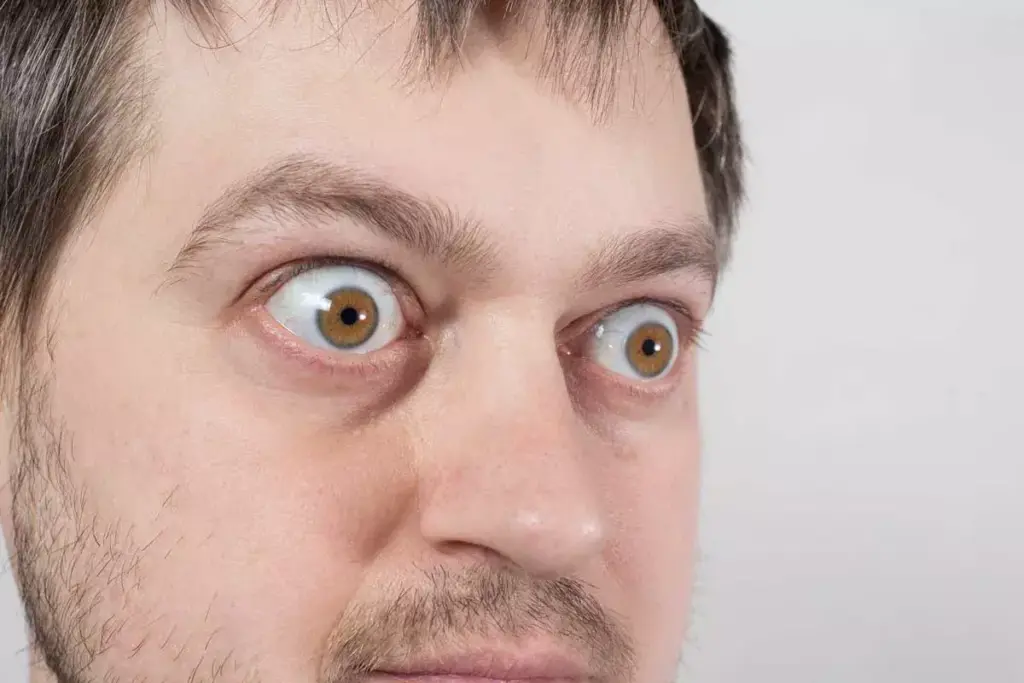
Graves’ disease can be very serious if not treated. It affects how the thyroid makes hormones. This can harm many body functions.
We will look into Graves’ disease, its causes, symptoms, and how it impacts life expectancy. Knowing these details is key to managing the disease well.
What is Graves’ Disease?
Graves’ disease is an autoimmune disorder. It makes the thyroid gland produce too many hormones, causing hyperthyroidism. Symptoms include weight loss, fast heart rate, and muscle weakness. Muscle twitching is also common due to the hormones’ effect on muscles.
Impact on Life Expectancy
Untreated Graves’ disease can shorten life expectancy. A study showed people with high thyroid hormone levels might live 3.5 years less than those with lower levels. It’s important to manage the disease well to avoid this.
| Thyroid Function Level | Life Expectancy Impact |
| Low to Typical | Normal Life Expectancy |
| Typical to High | Reduced by 3.5 years |
Mortality Risk Factors
Several factors can affect how long someone with Graves’ disease lives. These include how severe the hyperthyroidism is, other health issues, and how well treatment works. It’s important for doctors to know these to provide the best care.
- Severity of hyperthyroidism
- Presence of comorbidities
- Effectiveness of treatment
By managing Graves’ disease well and addressing these factors, people can live longer and healthier lives.
Common Symptoms and Complications

Graves’ disease causes many symptoms due to too much thyroid hormone. This affects your health a lot. It’s key to know how too much thyroid hormone impacts your body.
Physical Manifestations
Graves’ disease shows in many ways. You might feel muscle weakness, muscle twitching, and cramps. This is because your metabolism speeds up too much.
People also get shortness of breath. This is a big problem and linked to hyperthyroidism.
Other signs include unexplained bruising. Too much thyroid hormone makes it hard for your body to heal and keep blood vessels healthy. Also, you might lose weight even when you’re hungry a lot. This is because your body burns calories too fast.
Dangerous Complications
Graves’ disease can cause serious problems if not treated. It can harm your heart, leading to heart palpitations and irregular heartbeats. This strain can lead to heart failure over time.
It also weakens bones, leading to osteoporosis. This makes bones break easily. It’s a big worry for older people, as it can hurt their quality of life and independence.
| Complication | Description | Risk Factors |
| Heart Failure | The heart’s inability to pump enough blood | Untreated hyperthyroidism, pre-existing heart conditions |
| Osteoporosis | Weakening of bones leading to increased fracture risk | Excess thyroid hormones, lack of calcium and vitamin D |
| Respiratory Failure | Inability of the respiratory system to meet oxygenation needs | Severe muscle weakness, untreated hyperthyroidism |
Living with Graves’ Disease: Day-to-Day Management
Managing Graves’ disease every day is key to a good life and health in the long run. It needs a mix of medical care, lifestyle changes, and personal ways to cope.
Treatment Approaches
There are many ways to treat Graves’ disease. These include medicines, radioactive iodine, and surgery. The right treatment depends on how serious the disease is, what the patient wants, and any other health issues.
Antithyroid medications are often the first choice. They help make less thyroid hormone. Radioactive iodine therapy works by destroying part of the thyroid gland. Sometimes, surgery is needed to remove part or all of the gland.
| Treatment Option | Description | Potential Outcomes |
| Antithyroid Medications | Reduce thyroid hormone production | Effective in managing symptoms, possible long-term remission |
| Radioactive Iodine Therapy | Destroy part of the thyroid gland | Long-term reduction in hormone production, risk of hypothyroidism |
| Surgery | Remove part or all of the thyroid gland | Long-term reduction or elimination of hormone production, risk of hypothyroidism |
Remission and Relapse Statistics
About 34 percent of patients get better after treatment. But, 45 percent have their symptoms come back. Knowing these numbers helps people with Graves’ disease understand what to expect and make better choices.
To learn more about living with Graves’ disease, check out https://gdatf.org/bulletins/playing-on-one-string-day-to-day-life-with-graves/. There, you can find personal stories and experiences.
Coping Strategies
Dealing with Graves’ disease needs a plan that includes medical treatment, lifestyle changes, and emotional support. People who find good ways to cope often see big improvements in their life quality.
Good coping strategies include eating well, exercising regularly, and using stress-reduction methods like meditation or yoga. Support groups and counseling offer emotional support and help people connect with others facing similar challenges.
Conclusion
We’ve looked into Graves’ disease, its effects on life span, and the need for proper care. People with Graves’ disease can live full and active lives with the right treatment and care.
Studies show that catching Graves’ disease early is key. Knowing the signs helps people get help fast. This can prevent serious problems.
Managing Graves’ disease means more than just treatment. It’s about making lifestyle changes and keeping an eye on health. This way, people can enjoy a good life and manage their condition well.
The secret to doing well with Graves’ disease is a mix of medical help, personal effort, and support. We urge people to team up with their doctors to create a care plan that fits them.
FAQ
What is Graves’ disease and how does it affect life expectancy?
Graves’ disease is an autoimmune disorder that causes the thyroid to make too many hormones. With the right treatment, people with Graves’ disease can live a normal life. But, if not treated, it can cause serious problems that might shorten life.
Can Graves’ disease be cured?
There’s no cure for Graves’ disease, but treatments can manage it well. Some people have stayed in remission for a long time with the right treatment.
How does hyperthyroidism caused by Graves’ disease affect the body?
Hyperthyroidism from Graves’ disease can cause muscle weakness, shortness of breath, and easy bruising. If not treated, it can lead to heart issues and osteoporosis.
What are the common symptoms of Graves’ disease?
Symptoms include weight loss, anxiety, and heat intolerance. People may also feel muscle twitching, cramps, fatigue, and shortness of breath.
How is Graves’ disease typically treated?
Treatments include medicines, radioactive iodine, and surgery. The best treatment depends on the person’s needs and how severe their condition is.
Can Graves’ disease cause muscle twitching and cramps?
Yes, Graves’ disease can cause muscle twitching and cramps. These happen because of too many thyroid hormones affecting muscles and nerves.
Is it possible to live a normal life with Graves’ disease?
With the right treatment and care, people with Graves’ disease can live active, normal lives. It’s important to work closely with a doctor to manage the condition.
How long can you live with untreated Graves’ disease?
Untreated Graves’ disease can lead to heart problems and osteoporosis. These can greatly shorten life expectancy. It’s key to seek medical help if symptoms get worse.
What are the risks associated with Graves’ disease?
Untreated or poorly managed Graves’ disease can cause heart problems and osteoporosis. These can harm quality of life and life expectancy.
Can Graves’ disease be managed without medication?
Some people might manage their condition with lifestyle changes. But, most need medical treatment to control symptoms and prevent complications.
References
https://www.palomahealth.com/learn/hypothyroidism-hypertension-high-blood-pressure-connection?srsltid=AfmBOopKuGsAowlBDAPXkemzEhvl2JPYakOfB3BaOdAy7ySwecVAcJLV



 Departments
 Related Videos
 Our Doctors
 News
News