

Every year, about 17,000 people in the U.S. get spinal cord injuries. Many wonder if they’ll ever walk again. The injury’s severity and where it happens greatly affect how much paralysis there will be and if recovery is possible.
A spinal cord injury can cause different levels of paralysis, like being unable to walk from the waist down. Thanks to new medical tech and rehab methods, many people now have hope to move again and live more independently.
Learn how long can you live with spinal cord compression. Discover if walking is possible after injury and find life-saving treatment options.
Key Takeaways
The severity and location of a spinal cord injury determine the chance of walking again.
New medical tech has made rehab better.
Rehab methods are key to getting back on your feet.
Being paralyzed from the waist down can happen with severe injuries.
With the right treatment, some people can walk after a spinal cord injury.
Understanding Spinal Cord Injuries
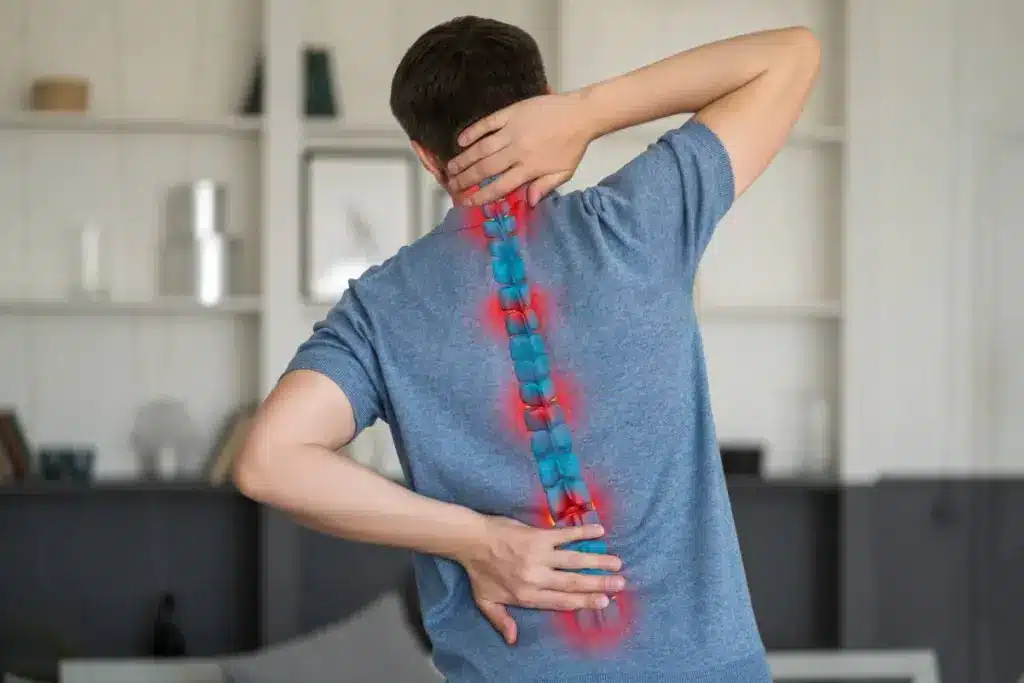
Spinal cord injuries can have different effects based on how severe and where the damage is. These injuries can happen from many causes, like accidents, falls, or sports injuries. Knowing about these injuries helps figure out how well someone might recover and what treatment they need.
Types of Spinal Cord Injuries
Spinal cord injuries are divided into two main types. Traumatic injuries come from outside forces, like car crashes or falls. Non-traumatic injuries are caused by things like tumors, infections, or diseases.
Traumatic Spinal Cord Injuries often cause severe damage right away. This can lead to either complete or incomplete injuries. How bad the injury is at first can affect how well someone might recover.
Complete vs. Incomplete Injuries
Knowing if an injury is complete or incomplete is key to understanding what to expect. Complete injuries mean no function below the injury site. Incomplete injuries mean some function is left, even if it’s not all there.
Levels of Injury and Their Impact on Mobility
The level of the spinal cord injury greatly affects mobility. Injuries higher up can lead to more paralysis or loss of function. The table below shows how different levels of injury can affect mobility.
Level of Injury | Potential Impact on Mobility |
|---|---|
Cervical (Neck) | Quadriplegia; possible loss of arm and leg function |
Thoracic (Upper Back) | Paraplegia; possible loss of leg function |
Lumbar (Lower Back) | Variable impact; may affect walking ability |
Studies show that the level and severity of a spinal cord injury greatly affect mobility. Understanding these factors is vital for creating effective rehab plans.
The Immediate Impact on Mobility

When a spinal cord injury happens, it can severely affect mobility. This impact can change a person’s life. It depends on where and how severe the injury is.
Initial Assessment After Injury
Right after a spinal cord injury, doctors quickly check how bad it is. They do detailed tests to see what parts of the body are working. This helps them figure out the best treatment.
They look at how awake the person is, how strong their muscles are, and if they can feel things. They also check reflexes. This helps them understand the injury and decide on immediate care.
Emergency Treatment Procedures
Emergency care for spinal cord injuries aims to stop further damage. Immobilization is key. Doctors use cervical collars or backboards to keep the spine from moving.
They also give medicines to reduce swelling and pain. Sometimes, they need to do surgery to help the spinal cord or stabilize the spine.
Stabilization Techniques and Their Importance
Stabilizing the spine is very important after a spinal cord injury. It helps prevent more damage and keeps the patient safe. This is true during transport and the first treatments.
Use of spinal boards and cervical collars for immobilization
Careful handling and log-rolling to minimize movement
Surgical stabilization in some cases to secure the spine
Good stabilization is key for better outcomes. It helps with the next steps in care, like rehabilitation.
Factors Affecting Walking Ability After SCI
Many things can affect if someone can walk after a spinal cord injury. It’s important for patients, caregivers, and doctors to know these factors. This helps set realistic goals and plan the best rehabilitation.
Location of the Injury on the Spinal Column
Where the spinal cord injury happens matters a lot. Injuries higher up, like in the cervical area, usually cause more severe damage. This can lead to quadriplegia.
Injuries lower down, like in the lumbar area, might not stop someone from walking. With the right treatment and rehab, they might even learn to walk again.
Severity of Nerve Damage
How bad the nerve damage is also matters a lot. If the injury is complete, it’s harder to regain walking. But, if it’s incomplete, there’s a chance for recovery.
Doctors can check the damage through tests and scans. This helps figure out the best course of action.
Age and Overall Health Considerations
Being younger and healthier can help with recovery. Older people or those with other health problems might face more challenges. This can make it harder to regain walking ability.
Factor | Impact on Walking Ability |
|---|---|
Age | Younger individuals tend to have better recovery outcomes. |
Overall Health | Presence of comorbidities can complicate rehabilitation. |
Timing of Medical Intervention
When medical help comes it is very important. Quick action, like surgery and rehab, can make a big difference. Waiting too long can lead to problems that make walking harder or impossible.
Key Takeaways:
The location and severity of the spinal cord injury are critical determinants of walking ability.
- Age and overall health influence recovery and rehabilitation outcomes.
Timely medical intervention is essential for optimizing the potential for walking after SCI.
Different Types of Paralysis Explained
It’s important to know about the different types of paralysis, mainly for those with spinal cord injuries. The type and extent of paralysis depend on where and how badly the spinal cord is hurt.
Paraplegia: Paralysis from Waist Down
Paraplegia is when the lower half of the body can’t move. This usually happens when the thoracic or lumbar parts of the spinal cord get hurt. People with paraplegia might lose feeling and control in their legs.
Key characteristics of paraplegia include:
Loss of sensation and mobility in the legs
Possible loss of bladder and bowel control
Variability in the level of independence, depending on the injury’s completeness and the individual’s overall health
Quadriplegia/Tetraplegia: Paralysis from Chest Down
Quadriplegia, or tetraplegia, happens when the cervical spine gets damaged. This causes paralysis in both arms and legs. The severity can differ, with some people keeping some movement or feeling.
The impact of quadriplegia includes:
Impaired or lost motor and sensory functions in the arms and legs
Potential respiratory complications due to diaphragm involvement
Need for extensive care and rehabilitation to improve independence
Partial Paralysis and Incomplete Injuries
Incomplete spinal cord injuries lead to partial paralysis. This means some movement or feeling is left below the injury. How much recovery happens can vary a lot from person to person.
Characteristics of partial paralysis include:
Variable loss of sensation and mobility
Potential for recovery of some functions over time with proper rehabilitation
Need for tailored treatment plans to meet specific needs and goals
How Long Can You Live With Spinal Cord Compression
Spinal cord compression can affect life expectancy in different ways. It happens when the spinal cord gets pressed by various reasons like herniated discs, tumors, or spinal stenosis.
Spinal Cord Compression Life Expectancy Factors
Several factors can change life expectancy for those with spinal cord compression. These include how severe the compression is, the cause, the treatment’s success, and the person’s health.
- Severity of Compression: The more severe the compression, the bigger the impact on life expectancy. Severe cases can lead to more serious health issues and shorter lives.
- Underlying Cause: The reason for the compression, like a tumor or infection, greatly affects life expectancy.
- Effectiveness of Treatment: Good treatment can improve life expectancy and quality of life.
- Overall Health: Existing health problems can also play a role in life expectancy with spinal cord compression.
Survival Rates and Statistical Data
Survival rates for spinal cord compression vary based on several factors. Data show that with the right treatment, many people can live active lives for years after diagnosis.
Condition | Average Life Expectancy | 5-Year Survival Rate |
|---|---|---|
Mild Compression | 15-20 years | 80-90% |
Moderate Compression | 10-15 years | 60-80% |
Severe Compression | 5-10 years | 40-60% |
Impact of Treatment on Longevity
Treatment for spinal cord compression can greatly affect how long someone lives. Surgery, physical therapy, and managing underlying conditions can all help improve outcomes.
Surgical Intervention: Surgery can help relieve pressure and stop further damage, potentially increasing life expectancy.
Quality of Life Considerations
While life expectancy is important, quality of life matters just as much for those with spinal cord compression. Good management includes medical treatment, rehabilitation, and support to keep independence and well-being.
Recovery Timeline After Spinal Cord Injury
Recovering from a spinal cord injury takes time and goes through many stages. Each stage has its own set of challenges and achievements. The journey depends on the injury’s severity, where it is, and the person’s health. Also, how quickly and well they get medical help matters a lot.
Acute Phase (0-48 hours)
The acute phase starts right after the injury. It’s when doctors first treat the patient and try to prevent more harm. They check how bad the injury is, handle urgent problems, and start the healing process.
Subacute Phase (48 hours to 14 days)
In the subacute phase, doctors focus on managing injury-related health issues. They watch for problems like infections or breathing troubles. At the same time, they start helping the patient with physical and functional challenges.
Intermediate Phase (14 days to 6 months)
The intermediate phase is when patients start to see big improvements. They keep working on getting better and more independent. This stage is key for building a strong foundation for long-term recovery.
Chronic Phase (6+ months) and Long-term Recovery
The chronic phase is about living with a spinal cord injury for a long time. While progress might slow down, ongoing care and strategies are essential. People learn to manage their injury, avoid complications, and improve their life quality.
Knowing about the recovery stages helps those with spinal cord injuries and their families. Each stage brings its own challenges and chances for growth. This shows why ongoing, detailed care is so important.
How Long Does It Take to Walk After Spinal Surgery
Recovering from spinal surgery takes time, with walking being a big goal. The time it takes to walk again varies. It depends on the surgery type, your health, and the injury’s severity.
Timeline for Different Types of Spinal Surgeries
Recovery times differ for each spinal surgery. For example, decompression surgery patients might walk in a few days to a week. On the other hand, spinal fusion patients could take weeks to months to walk comfortably.
A study in the Journal of Neurosurgery: Spine showed that minimally invasive surgery has a quicker recovery than open surgery.
Type of Surgery | Typical Recovery Time to Walking |
|---|---|
Decompression Surgery | 1-7 days |
Spinal Fusion Surgery | 6-12 weeks |
Minimally Invasive Surgery | 2-6 weeks |
Factors That Speed Up Recovery Process
Several factors can speed up recovery after spinal surgery. These include:
- Age and Overall Health: Younger, healthier patients tend to recover faster.
- Adherence to Rehabilitation Program: A structured physical therapy program can greatly improve recovery.
- Nutritional Status: Good nutrition supports healing.
Potential Setbacks and Complications
While many recover well, there are risks to be aware of. These include:
- Infection: Infections at the surgical site can slow recovery.
- Nerve Damage: Nerve injuries during surgery can affect mobility.
- Hardware Failure: There’s a risk of hardware failure in surgeries using implants.
Realistic Expectations for Different Injury Types
Patients with different spinal injuries have different recovery expectations. For example:
Those with complete spinal cord injuries face a tougher recovery.
Patients with incomplete injuries might have a better chance of walking again.
Knowing these factors and having realistic expectations is important for spinal surgery patients.
Walking With a Broken Back: Possibilities and Limitations
Knowing how a broken back affects walking is key for both patients and doctors. A broken back, or vertebral fracture, can really limit how well you can move around. It can also affect your independence.
Types of Vertebral Fractures
Vertebral fractures vary in how serious they are and how they happen. The main types are:
- Compression fractures: These happen when a vertebra collapses, often because of osteoporosis or an injury.
- Burst fractures: A more serious injury where the vertebra breaks from a big impact, like a fall.
- Flexion-distraction fractures: Also known as Chance fractures, these happen from a sudden bend in the spine.
- Fracture-dislocations: A severe injury where the vertebra moves out of place, which can harm the spinal cord.
When Walking Is Possible Despite Back Injuries
Whether you can walk after a vertebral fracture depends on the fracture’s type and how bad it is. It also depends on if there’s any damage to the spinal cord. For less severe fractures, like some compression fractures, you might be able to walk with the right support and therapy.
Safety Considerations and Precautions
It’s very important to be careful when trying to walk with a broken back. You should:
Avoid bending or twisting too much.
Use devices like braces or walkers for support.
Do physical therapy to make your back muscles stronger.
Supportive Devices for Mobility Assistance
There are many devices that can help with mobility issues from vertebral fractures. These include:
Device | Description | Benefit |
|---|---|---|
Orthopedic Braces | Provide support to the spine. | Help stabilize the spine, which can reduce pain. |
Walkers | Help with balance and walking. | Make walking more stable, which lowers the risk of falling. |
Canes | Support walking and balance. | Improve balance and give extra support. |
By knowing the type and severity of your vertebral fracture and taking the right precautions, you can increase your chances of staying mobile or getting back to moving around.
Success Stories: Has a Paralyzed Person Ever Walked Again?
Medical science has made great strides, leading to paralyzed people walking again. New rehab methods and treatments have played a big role in these stories.
Notable Recovery Cases in Medical Literature
Many studies have shown amazing recoveries. For example, a study in a top medical journal told of a patient who learned to walk again. They got special treatment for their spinal cord injury.
Key factors in these successes include the injury’s severity, the quality of care, and the patient’s health and rehab effort.
The Walking Quadriplegic Phenomenon
Quadriplegia means a person can’t move their arms or legs. But, some quadriplegics have learned to walk. This is thanks to new rehab methods and tech, like exoskeletons.
Walking Paraplegic Success Stories
Paraplegia affects the lower body. But, paraplegics walking again is more common. This is because some nerves are spared.
Custom rehab programs and intensive physical therapy have helped many. Assistive devices also play a big role in their recovery.
Factors Common in Successful Recovery Cases
While each story is unique, some common factors help. These include early treatment, detailed rehab plans, and the patient’s mental strength.
Early and proper medical care
Custom and thorough rehab plans
Advanced tech and aids
The patient’s dedication and mental toughness
These elements, along with ongoing support, have been key in helping paralyzed people walk again.
Technological Advancements in Mobility Assistance
New technologies are changing how we help people move again. These advancements are big for those with mobility issues. They’re making a real difference in how people with spinal cord injuries can move around.
Exoskeletons and Powered Orthoses
Exoskeletons and powered orthoses are wearable devices. They help people with spinal cord injuries stand and walk. These devices offer support and stability, helping users regain their independence.
Functional Electrical Stimulation (FES)
Functional Electrical Stimulation (FES) uses electrical impulses to activate muscles. It helps restore motor function. FES is effective in strengthening muscles, reducing atrophy, and improving mobility for those with spinal cord injuries.
- FES systems can restore walking, standing, and other motor functions.
FES works well with other devices, like exoskeletons, to boost their effectiveness.
Brain-Computer Interfaces for Movement Control
Brain-Computer Interfaces (BCIs) let people control devices with their thoughts. BCIs could greatly improve mobility assistance. They allow those with spinal cord injuries to control devices like exoskeletons and wheelchairs more easily.
A study in Nature showed BCIs can control robotic exoskeletons. Participants could walk and perform tasks with high accuracy.
Smart Prosthetics and Adaptive Equipment
Smart prosthetics and adaptive equipment offer more mobility and independence. They use advanced tech like sensors and AI. This makes them more functional and user-friendly.
Examples include prosthetic limbs with sensors, smart wheelchairs, and adaptive sports gear. These devices are customizable. Users can adjust them to fit their needs and preferences.
Surgical Interventions for Improving Mobility
For those with spinal cord injuries, surgery can help improve mobility. These surgeries are tailored to each patient’s needs. This depends on the injury’s type and severity.
Decompression Surgery Benefits and Risks
Decompression surgery aims to ease pressure on the spinal cord. It’s key in preventing further damage and may improve mobility. The surgery can reduce swelling and pressure, leading to better outcomes.
But, like any surgery, it comes with risks. These include infection, bleeding, and anesthesia-related complications.
Choosing to have decompression surgery depends on the patient’s health and injury details.
Spinal Fusion Procedures
Spinal fusion is another surgery option for spinal cord injury patients. It stabilizes the spine by fusing vertebrae together. This can reduce pain and provide stability, aiding in rehabilitation and mobility improvement.
The success of spinal fusion depends on the injury’s extent and the patient’s health.
Nerve Grafting and Nerve Transfer Techniques
Nerve grafting and nerve transfer are new surgical methods. Nerve grafting uses a healthy nerve to replace a damaged one. Nerve transfer redirects a healthy nerve to a paralyzed muscle.
These methods could greatly improve mobility for those with spinal cord injuries, even those with incomplete injuries.
Experimental Surgical Approaches in Clinical Trials
Several new surgical methods are being tested in clinical trials. These include stem cell therapies and nerve regeneration techniques. They aim to enhance mobility and restore function.
Though promising, these methods are not yet proven. Their safety and effectiveness are being carefully studied.
Learning to Walk Again: The Rehabilitation Process
The journey to walking again starts with a detailed rehabilitation program. This process is key for those who have lost mobility due to a spinal cord injury. Each plan is made to fit the person’s needs, aiming to help them reach their full recovery.
Initial Standing and Weight-Bearing Exercises
The first steps in rehab include standing and weight-bearing exercises. These are vital for keeping muscles strong, improving blood flow, and avoiding sores. Patients work with therapists to build their strength and stamina.
Gait Training and Pattern Recognition
Gait training is a major part of rehab. It teaches patients to walk by strengthening muscles and the nervous system. Through practice and the use of aids like walkers, they learn to walk safely and efficiently.
Balance and Coordination Therapy
Getting balance and coordination back is key for walking. Therapy focuses on exercises that help patients stay balanced and move their limbs well. This is done through physical therapy and special equipment.
Psychological Aspects of Relearning to Walk
The psychological aspects of learning to walk again are just as important. Patients face big emotional hurdles during rehab. Support from loved ones and mental health experts is vital to help them overcome these challenges and stay motivated.
Living with Spinal Cord Compression: Daily Management
Living with spinal cord compression is challenging. It requires careful daily management to keep quality of life high and prevent complications.
Pain Management Strategies
Pain management is key for those with spinal cord compression. You can try medication, physical therapy, or alternative methods like acupuncture or meditation. A healthcare provider can guide you to the best pain management plan.
Medication might include drugs to reduce pain and inflammation. Physical therapy helps improve mobility and lessen pain through exercises.
Preventing Further Complications
It’s important to prevent further issues with spinal cord compression. Regular health checks, a healthy lifestyle, and avoiding harmful activities are key.
Regular check-ups with healthcare providers
Maintaining a healthy diet and weight
Avoiding heavy lifting or bending
Adaptive Equipment and Home Modifications
Adaptive equipment and home changes can greatly improve life for those with spinal cord compression. Adaptive equipment includes wheelchairs and walkers to help with mobility.
Home changes might include ramps, wider doorways, or wheelchair-friendly bathrooms. These help keep you independent and safe at home.
Support Systems and Community Resources
Support systems and community resources are vital for managing spinal cord compression. Connecting with others who understand can offer emotional and practical support.
Support groups, whether in-person or online, are very helpful. Community resources like rehabilitation services, counseling, and educational programs also provide support.
Conclusion
Managing spinal cord injuries needs a full approach. This includes many treatment options to boost mobility and life quality. Knowing the injury’s type and severity is key to picking the right treatment.
New medical tech, like exoskeletons and brain-computer interfaces, helps a lot. Surgery, like decompression and spinal fusion, also helps improve mobility and prevent more problems.
Recovering from a spinal cord injury is tough and takes time. But, with the right treatment and support, people can see big improvements. Age, health, and injury severity affect life expectancy, showing the need for quick and effective care.
Understanding spinal cord injuries and the treatments available is the first step. It helps people regain mobility and enhance their life quality.
FAQ
Can you walk after a spinal cord injury?
Walking after a spinal cord injury varies. It depends on the injury’s severity and location. Some people can walk again, while others may not.
What are the different types of spinal cord injuries?
Spinal cord injuries are classified into two types. Complete injuries mean no function below the injury site. Incomplete injuries mean some function remains.
How long does it take to walk after spinal surgery?
Walking after spinal surgery varies. It depends on the surgery type and the person’s health. It can take weeks to months to walk again.
Can you walk with a broken back?
Walking with a broken back is possible in some cases. It depends on the fracture type and severity. Always follow medical advice to avoid injury.
What is the life expectancy of someone with spinal cord compression?
Life expectancy with spinal cord compression varies. It depends on the compression severity, treatment success, and overall health. Timely treatment can improve survival chances.
Has a paralyzed person ever walked again?
Yes, paralyzed individuals have walked again. This is often with advanced medical treatments and rehabilitation.
What are the different types of paralysis that can result from spinal cord injuries?
Spinal cord injuries can cause different types of paralysis. Paraplegia affects the waist down, quadriplegia affects the chest down, and partial paralysis is less severe.
What is the recovery timeline after a spinal cord injury?
Recovery after a spinal cord injury has several phases. It includes an acute, subacute, intermediate, and chronic phase. Long-term recovery is possible.
What are the latest technological advancements in mobility assistance?
New advancements include exoskeletons, functional electrical stimulation (FES), brain-computer interfaces, and smart prosthetics. These help individuals with spinal cord injuries regain mobility.
What surgical interventions are available to improve mobility?
Surgery options include decompression, spinal fusion, nerve grafting, and nerve transfer. These can improve mobility for those with spinal cord injuries.
How can individuals with spinal cord compression manage their condition daily?
Daily management involves pain control, preventing complications, using adaptive equipment, and home modifications. These improve quality of life.
What is the impact of spinal cord compression on life expectancy?
Spinal cord compression can affect life expectancy. The impact depends on the compression severity, treatment success, and overall health.
Can a T10 paraplegic walk?
Walking for a T10 paraplegic depends on their health, injury severity, and treatment success. Rehabilitation plays a key role.
How long can you live with spinal cord compression?
Life expectancy with spinal cord compression varies. Timely medical intervention and effective treatment can improve survival and quality of life.
Reference
National Center for Biotechnology Information. Evidence-Based Medical Insight. Retrieved from https://pubmed.ncbi.nlm.nih.gov/15201036/



 Departments
 Related Videos
 Our Doctors
 News
News