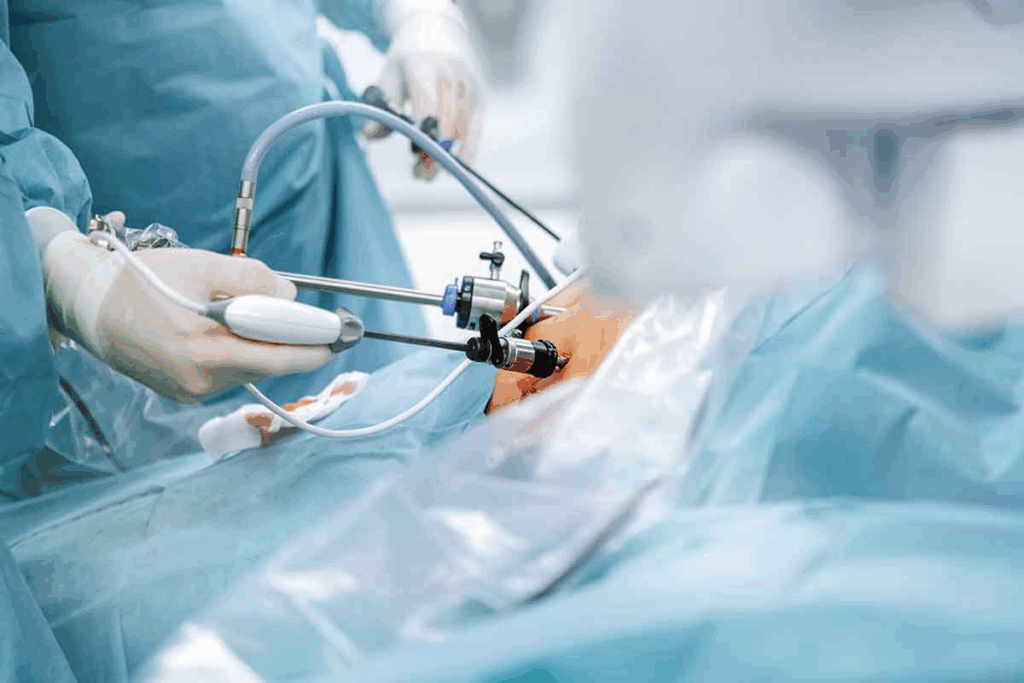
Dumping syndrome is a common issue afterbariatric surgery, like gastric bypass and gastric sleeve. It happens when food moves too fast from the stomach to the small intestine. This can cause symptoms like nausea, diarrhea, dizziness, and a fast heartbeat.
At Liv Hospital, we know how important it is to manage dumping syndrome well. Our team uses international best practices and focuses on the patient to help them recover. We aim to make sure bariatric surgery patients can deal with this condition effectively.
Key Takeaways
- Dumping syndrome is a frequent complication after gastric bypass and gastric sleeve surgery.
- Symptoms include nausea, diarrhea, dizziness, and rapid heartbeat due to rapid food transit into the small intestine.
- Effective management of dumping syndrome is key for a successful recovery after bariatric surgery.
- Liv Hospital offers complete care, mixing international best practices with patient-focused support.
- Knowing how long dumping syndrome lasts and how to manage it can greatly improve patient results.
Understanding Dumping Syndrome After Bariatric Surgery

Dumping syndrome happens when food, like sugar, moves too fast from the stomach to the small intestine. This quick move can cause uncomfortable symptoms. We’ll look at what dumping syndrome is, how it works, and how common it is after bariatric surgery.
Definition and Physiological Mechanism
Dumping syndrome is when food quickly moves to the small intestine, skipping the stomach’s digestion. This often happens after bariatric surgery, which changes the stomach’s shape. The fast food release in the intestine changes fluid balance and hormone levels, causing dumping syndrome symptoms.
Prevalence Rates Among Bariatric Patients
Dumping syndrome is common among bariatric surgery patients. About 20 to 50 percent of patients get it after gastric surgery. It affects 56.4 percent of those who have Roux-en-Y gastric bypass and 15.6 percent of those who have sleeve gastrectomy.
Surgical Procedure | Prevalence of Dumping Syndrome |
Roux-en-Y Gastric Bypass | 56.4% |
Sleeve Gastrectomy | 15.6% |
Knowing how common and why dumping syndrome happens is key to helping patients manage it after bariatric surgery.
Types of Dumping Syndrome: Early vs. Late

Dumping syndrome is a common issue after stomach surgery. It comes in two types: early and late dumping syndrome. Knowing about these types helps manage symptoms better.
Early Dumping Syndrome (10-30 Minutes Post-Meal)
Early dumping syndrome happens 10 to 30 minutes after eating. It’s when food moves too fast from the stomach to the small intestine. This causes uncomfortable symptoms.
The symptoms of early dumping syndrome include:
- Nausea and vomiting
- Abdominal cramps
- Diarrhea
- Flushing
- Rapid heartbeat
These symptoms happen because of the quick food release into the small intestine. It leads to a fluid shift, causing blood volume to drop.
Late Dumping Syndrome (1-3 Hours Post-Meal)
Late dumping syndrome occurs 1 to 3 hours after eating. It’s linked to reactive hypoglycemia, where too much insulin is made. This is due to a quick rise in blood sugar.
The symptoms of late dumping syndrome include:
- Dizziness
- Confusion
- Weakness
- Sweating
- Tremors
Late dumping syndrome is caused by the body’s strong reaction to fast glucose absorption. It leads to low blood sugar. Changing what you eat can help lessen these symptoms.
In conclusion, both early and late dumping syndrome pose challenges for those who’ve had stomach surgery. Knowing when and why symptoms happen is key to managing them well.
Dumping Syndrome After Different Surgical Procedures
The type of surgery done in gastric surgery affects how likely and severe dumping syndrome is. We’ll look at how two common surgeries, Roux-en-Y gastric bypass and gastric sleeve surgery, differ in causing dumping syndrome.
Roux-en-Y Gastric Bypass and Dumping Syndrome
Roux-en-Y gastric bypass is more likely to cause dumping syndrome than other surgeries. This is because the surgery changes how food moves through the stomach, leading to fast emptying.
Key factors contributing to dumping syndrome after Roux-en-Y gastric bypass include:
- Rapid transit of food into the small intestine
- Altered hormonal responses to food intake
- Changes in gut motility
Gastric Sleeve Surgery and Dumping Syndrome
Gastric sleeve surgery, though, has a lower chance of dumping syndrome. But, it’s not completely safe from it, and some risks are present.
Comparison of Dumping Syndrome Risk Between Roux-en-Y Gastric Bypass and Gastric Sleeve Surgery:
Surgical Procedure | Risk of Dumping Syndrome | Reason for Risk Level |
Roux-en-Y Gastric Bypass | Higher | Anatomical changes leading to rapid gastric emptying |
Gastric Sleeve Surgery | Lower | Less disruption of normal gastric anatomy |
Knowing the risks of different surgeries helps patients and doctors make better choices. It also helps manage expectations about possible problems like dumping syndrome.
Common Symptoms of Dumping Syndrome
Dumping syndrome can really affect a person’s life after stomach surgery. It has symptoms that can be mild or very severe. These symptoms are both in the stomach and in the body’s blood vessels. Knowing about these symptoms is important for treating dumping syndrome well.
Gastrointestinal Symptoms
Gastrointestinal symptoms are a big part of dumping syndrome. Common ones are:
- Nausea and vomiting
- Diarrhea
- Abdominal cramps
- Bloating
These happen because food moves too fast into the small intestine. This can cause a lot of discomfort. Managing what you eat is very important to help with these symptoms.
Vasomotor Symptoms
Vasomotor symptoms are also common in dumping syndrome. These include:
- Flushing
- Dizziness or lightheadedness
- Rapid heartbeat
- Sweating
Vasomotor symptoms happen because of how the body reacts to fast food movement. Spotting these symptoms early is key to reducing their effects.
How Long Do Dumping Syndrome Last: Timeline and Duration
After gastric surgery, many wonder how long dumping syndrome will last. The time it lasts varies, depending on the surgery type and diet. Symptoms can last from a few months to years, with some facing ongoing issues.
Immediate Post-Surgery Period (First 3 Months)
In the first three months after surgery, symptoms are often at their worst. “It’s common for patients to face dumping syndrome early on,” Medical Expert, a bariatric surgeon, says. “But, with the right diet, many see their symptoms lessen.”
Medium-Term Duration (3-12 Months)
Between 3 to 12 months post-surgery, symptoms often lessen. This is because the body adapts to the surgery and follows dietary advice. Following a diet high in protein and low in simple carbs helps manage symptoms. It’s key to work with your doctor on a diet plan.
Long-Term Persistence and Resolution
In the long run, how long symptoms last varies. Some may face symptoms for years, while others see them go away. The surgery type, food tolerance, and diet play big roles. Medical Expert, “Some may outgrow it, but others need to keep their diet strict.”
Knowing the timeline and duration of dumping syndrome helps manage expectations and make lifestyle changes. Working with healthcare providers and following dietary advice can help navigate dumping syndrome’s challenges.
Factors Affecting the Duration of Dumping Syndrome
Many things can change how long dumping syndrome lasts after bariatric surgery. Knowing these factors helps manage the condition better.
Type of Surgical Procedure
The surgery type greatly affects dumping syndrome’s length. Each method can change how fast symptoms go away.
Roux-en-Y gastric bypass surgery often leads to more dumping syndrome than gastric sleeve surgery.
Surgical Procedure | Incidence of Dumping Syndrome | Typical Duration |
Roux-en-Y Gastric Bypass | High | Several months to a year |
Gastric Sleeve Surgery | Moderate | Few weeks to several months |
Dietary Habits and Compliance
Changing your diet is key to handling dumping syndrome. Sticking to diet advice can shorten its time.
Dietary recommendations include eating small meals often, avoiding sweets, and drinking liquids between meals.
Individual Patient Factors
Each patient’s health, other medical issues, and genetics can affect dumping syndrome’s length.
Those with past gut problems or who don’t follow post-surgery advice may face longer symptoms.
Preventing and Managing Dumping Syndrome
Managing dumping syndrome needs a full plan. This includes changing what you eat, taking medicine, and making lifestyle changes. We’ll look at ways to lessen dumping syndrome symptoms and make life better for those who’ve had stomach surgery.
Dietary Modifications
Changing your diet is key in managing dumping syndrome. It’s best to eat smaller meals more often to not overload your stomach. Also, stay away from foods and drinks high in sugar, as they can make symptoms worse.
Here are some diet tips:
- Eat slowly and chew well
- Don’t drink liquids with meals
- Eat more protein
- Choose complex carbs over simple sugars
Medication Options
At times, medicine is needed to handle dumping syndrome symptoms. Octreotide can slow down stomach emptying and lessen symptoms.
It’s important for patients to talk to their doctor to find the right medicine for them.
Lifestyle Adjustments
Making lifestyle changes is also important. Keeping a healthy weight, staying active, and managing stress are key. Techniques like meditation or deep breathing can help.
By making these lifestyle changes, patients can lessen their symptoms and feel better overall.
When to Seek Medical Help for Persistent Dumping Syndrome
People with dumping syndrome need to know when to get medical help. Many can manage their symptoms with diet and lifestyle changes. But, some may need medical help for severe or ongoing symptoms.
Warning Signs of Complications
Some symptoms mean you might have a serious problem. Look out for severe abdominal pain, dehydration, significant weight loss, and dizziness or fainting spells. If you see these signs, get medical help right away.
Severe pain in your belly is a red flag. Dehydration from diarrhea or vomiting is serious. Losing a lot of weight quickly means your body isn’t getting enough nutrients. Dizziness or fainting can happen because of blood sugar or dehydration issues.
Available Interventions for Severe Cases
For severe dumping syndrome, there are treatments. These include diet changes, medicines, and sometimes surgery.
Changing your diet is often the first step. Eat smaller meals more often, avoid sweets, and eat more protein and fiber. Octreotide can also help by slowing down how fast your stomach empties.
Intervention | Description | Benefits |
Dietary Adjustments | Eating smaller, frequent meals; avoiding high-sugar foods | Reduces frequency and severity of dumping syndrome episodes |
Octreotide | Medication that slows gastric emptying | Manages symptoms, reduces episode severity |
Surgical Intervention | Revision of previous bariatric surgery | Can alleviate severe dumping syndrome symptoms |
Knowing when to get medical help for dumping syndrome is key. Recognizing warning signs and trying treatments can improve your life a lot.
Conclusion
It’s key for patients to understand dumping syndrome after gastric surgery. We’ve looked at the different types, symptoms, and what affects how long it lasts.
To manage dumping syndrome, a full plan is needed. This includes changing what you eat, your lifestyle, and sometimes medical help. Making smart choices can really help improve your life.
Handling dumping syndrome well lets patients deal with its challenges and get better health. We stress the need for ongoing support and advice for those who’ve had gastric surgery.
FAQ
What is dumping syndrome after gastric surgery?
Dumping syndrome happens after certain stomach surgeries, like bariatric procedures. It causes symptoms when food, mainly sugar, moves too fast from the stomach to the small intestine.
How long does dumping syndrome last after gastric bypass surgery?
Dumping syndrome’s length varies. It might last a few months or up to a year or more. The time it lasts depends on the surgery type, diet, and individual factors.
What are the symptoms of dumping syndrome?
Symptoms include nausea, vomiting, diarrhea, and stomach cramps. They also include flushing, sweating, and heart racing.
How can dumping syndrome be managed?
Managing it involves diet changes, medication, and lifestyle adjustments. Eat smaller meals, avoid sweets, and increase protein. Octreotide can also help.
Can dumping syndrome be prevented?
Preventing it is hard, but following a healthy diet and lifestyle can help. Avoiding sugary foods can reduce its risk.
When should I seek medical help for dumping syndrome?
Seek help for severe symptoms like intense pain, vomiting blood, or dehydration. Also, if symptoms get worse or last long, see your doctor.
How does the type of surgical procedure affect the risk of dumping syndrome?
The risk changes with the surgery type. Roux-en-Y gastric bypass is more likely to cause it than gastric sleeve surgery.
Can dumping syndrome occur after gastric sleeve surgery?
Yes, it can happen after gastric sleeve surgery, but it’s less common than with Roux-en-Y gastric bypass.
What is the difference between early and late dumping syndrome?
Early dumping happens within 10-30 minutes after eating. Late dumping occurs 1-3 hours later. Early dumping causes stomach and blood flow issues. Late dumping leads to low blood sugar.
References
Sengupta, D.K., & Herkowitz, H.N. (2003). Lumbar spinal stenosis: Treatment strategies and indications for surgery. Orthopedic Clinics of North America, 34(2), 281-295.https://pubmed.ncbi.nlm.nih.gov/12914268/