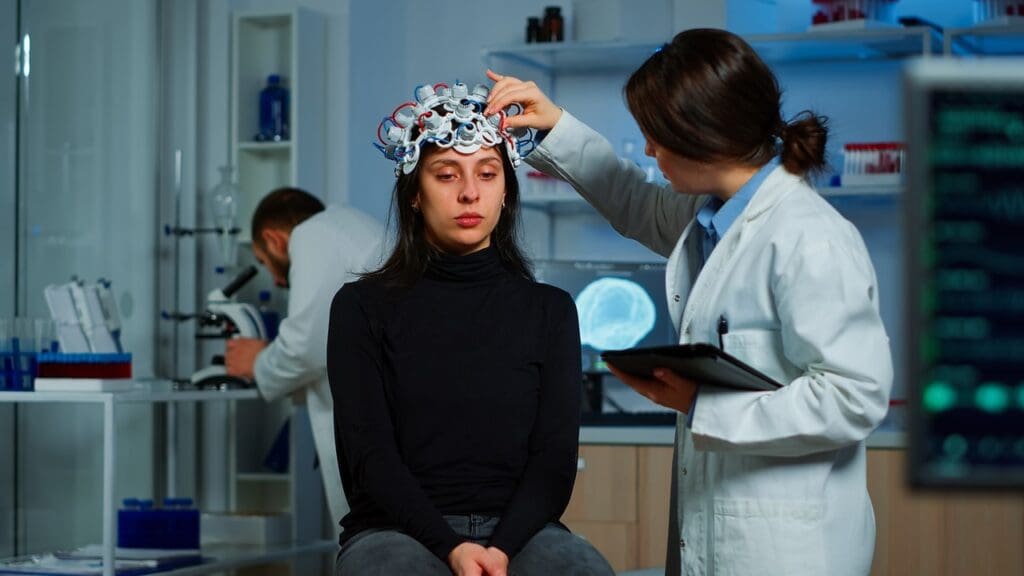
Having craniotomy surgery can be scary, and you might wonder about the process and healing. At Liv Hospital, we get it and aim to give you top-notch care.
A craniotomy is when a part of the skull is taken off to reach the brain. The surgery time can range from 3 to 5 hours. But, it might take longer if you’re having a brain tumor removed.
Before surgery, you’ll talk to your surgeon. They’ll plan out the craniotomy procedure steps and order tests to check your health and why you need surgery. We’ll walk you through what to expect before, during, and after. This way, you’ll be ready for what’s coming.
Key Takeaways
- Craniotomy surgery duration varies between 3 to 5 hours.
- Complex cases may require longer surgery time.
- Pre-surgery planning involves meeting with your surgeon and undergoing several health tests.
- Understanding the craniotomy procedure steps helps in preparing for the surgery.
- Life after craniotomy involves a detailed recovery plan.
Understanding Craniotomy: A Complete Overview
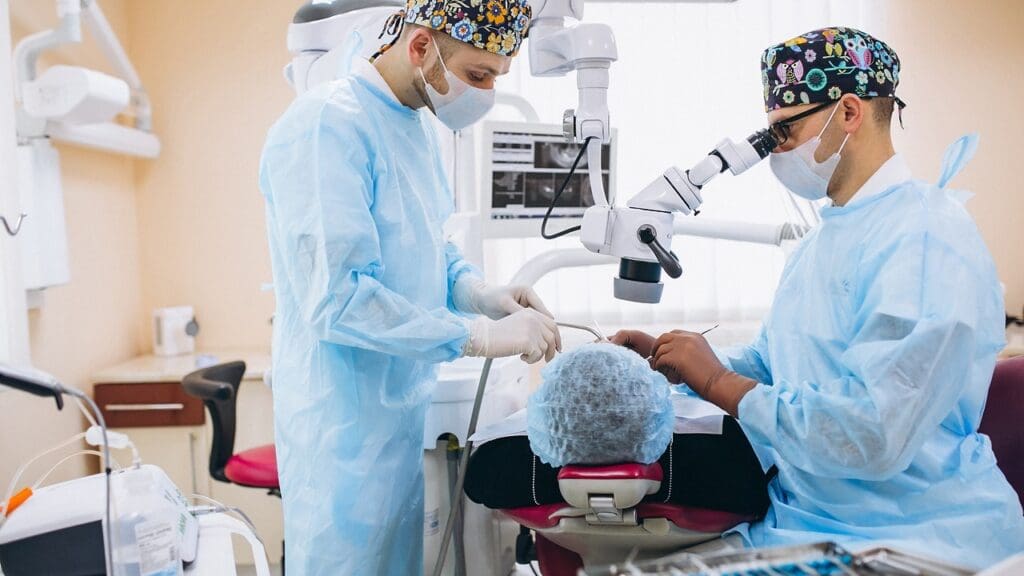
A craniotomy is a surgery where a part of the skull is taken off to reach the brain. It’s done for many reasons, like removing brain tumors or fixing aneurysms. Knowing about craniotomy can ease worries and get patients ready for surgery.
Definition and Purpose of a Craniotomy
A craniotomy means making a precise cut in the skull to get to the brain. Its main goal is to let neurosurgeons treat brain problems. By taking off a part of the skull, they can do operations that are hard or impossible without.
During the surgery, the bone flap is carefully taken out and saved to be put back later. This needs careful planning and doing to get the best results for patients.
Common Reasons for Undergoing a Craniotomy
Craniotomies are done for many health issues. Here are some of the main reasons:
- Brain tumor removal: Craniotomies help surgeons take out tumors in the brain.
- Aneurysm clipping: This surgery clips an aneurysm to stop it from bursting or bleeding more.
- Hematoma evacuation: Craniotomies help remove blood clots in or around the brain.
- Arteriovenous malformation (AVM) treatment: AVMs are treated through craniotomy.
Choosing to have a craniotomy is a big decision. It’s usually made after a lot of thought and talking with a neurosurgeon. The reason for the surgery will decide how it’s done.
| Condition | Purpose of Craniotomy | Common Outcomes |
|---|---|---|
| Brain Tumor | Removal of tumor | Relief from tumor-related symptoms |
| Aneurysm | Clipping or coiling of aneurysm | Prevention of rupture or re-bleeding |
| Hematoma | Evacuation of blood clot | Reduction in intracranial pressure |
Preparing for a Craniotomy: What to Expect
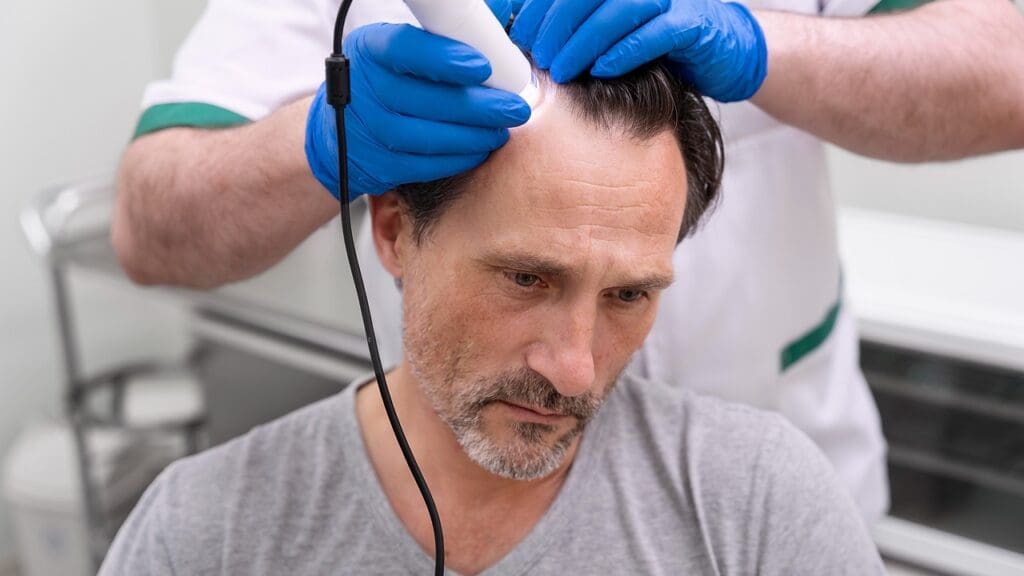
Getting ready for a craniotomy can make you feel less anxious. We’re here to help you understand what’s happening. We want to make sure you’re informed and comfortable with what’s coming.
Pre-Surgical Testing and Evaluation
Before surgery, we’ll run tests to check your health and the reason for surgery. These might include imaging studies like MRI or CT scans, blood tests, and more. We need to know everything about your situation.
Your surgical team will look at these results to plan the best surgery. They’ll also watch out for any possible problems.
Discussions with Your Surgical Team
Talking with your surgical team is key. They’ll explain the craniotomy procedure steps, how long it will take, and what recovery is like. This is your chance to ask questions and share any worries.
We’ll tell you exactly how to get ready for surgery. This might mean eating nothing beforehand, stopping certain meds, and taking antibiotics or other meds.
Mental and Physical Preparation
Getting ready mentally and physically is as important as the medical prep. We suggest you stay informed about your procedure and follow our advice on pre-surgery care. Rest well, eat right, and avoid hard activities before surgery.
Knowing how long a craniotomy takes and what recovery is like helps mentally prepare you. Recovery times can vary, but knowing the general time frame helps set realistic goals.
Being well-prepared can greatly help your surgery and recovery. If you’re worried about your life expectancy after craniotomy, we’re here to talk. We’ll give you personalized info based on your condition and health.
How Long Does a Craniotomy Take? Timeframes Explained
Knowing how long a craniotomy takes is key for those facing brain surgery. The length of such a big operation can worry people. But knowing what to expect can help ease some of that worry.
A craniotomy, where part of the skull is temporarily removed, can last from 3 to 5 hours. But, the actual time can vary. It depends on several factors.
Standard Duration
The usual time for a craniotomy is 3 to 5 hours. This allows the surgical team to do their job carefully. They open the skull and close it after the surgery is done.
Factors Influencing Procedure Time
Many things can make a craniotomy longer or shorter. These include:
- The complexity of the case
- The patient’s overall health and specific condition
- The surgical team’s experience and approach
- Any unexpected complications that may arise during surgery
Complex Cases and Extended Durations
For complex conditions like brain tumors or aneurysms, surgery can take longer. These cases need more detailed techniques. This can make the surgery last more than 5 hours.
It’s important for patients to talk to their surgical team about their case. This way, they can understand what to expect. It helps them prepare for the surgery and recovery.
The Craniotomy Procedure: Step-by-Step
A craniotomy is a detailed process. It starts with giving you anesthesia and ends with closing you up. A skilled team of neurosurgeons works together to keep you safe and ensure the best results.
Anesthesia Administration
On the day of your surgery, an anesthesiologist will give you anesthesia. This keeps you comfortable and pain-free. The type and amount of anesthesia depend on your health, the surgery’s complexity, and the neurosurgeon’s choice.
Surgical Positioning and Preparation
Once you’re under anesthesia, your team will adjust your head and body. This helps the neurosurgeon get to the right spot. They might shave your hair and sterilize your head to prevent infection.
Incision into the Cranium
The neurosurgeon will then make a planned incision into your skull. They choose the spot carefully to minimize scarring and aid healing.
Bone Flap Removal and Brain Access
Next, they remove a bone flap to reach your brain. This step is very precise to avoid harming nearby tissue. The neurosurgeon will then do the needed work, like removing a tumor or clipping an aneurysm.
Closure and Immediate Post-Operative Care
After the surgery, the neurosurgeon will close you up. They’ll put the bone flap back and secure it with plates, screws, or sutures. Then, you’ll go to the ICU for close monitoring.
For more detailed information on craniotomy procedures, you can visit https://www.aaroncohen-gadol.com/en/patients/craniotomy/overview for an overview.
| Step | Description | Key Considerations |
|---|---|---|
| Anesthesia Administration | Administering anesthesia to ensure patient comfort | Type and dosage based on patient health and surgery complexity |
| Surgical Positioning | Adjusting patient position for optimal access | Shaving and sterilizing the incision area |
| Incision and Bone Flap Removal | Making a precise incision and removing a bone flap | Minimizing scarring and avoiding tissue damage |
| Closure | Replacing the bone flap and securing it | Using plates, screws, or sutures for secure fixation |
Types of Craniotomy Incisions and Approaches
Different craniotomy techniques are used based on the location and nature of the condition. The location of the opening depends on the type of craniotomy needed. We use various approaches to ensure the most effective and safest procedure for each patient.
Temporal Craniotomy Technique
A temporal craniotomy involves making an incision in the temporal region of the skull. This approach is often used to access lesions or structures in the temporal lobe or to relieve pressure on the brain. The temporal craniotomy technique allows for minimal disruption of surrounding tissue, making it a preferred method for certain conditions.
Right Craniotomy Approach
A right craniotomy approach is used when the condition affects the right hemisphere of the brain. This could involve tumors, aneurysms, or other abnormalities requiring surgical intervention. The decision to use a right craniotomy approach depends on the specific location and nature of the condition.
Other Common Incision Types
Besides temporal and right craniotomy approaches, there are other types of incisions used in craniotomy procedures. These include:
- Frontal craniotomy: Used to access the frontal lobe.
- Parietal craniotomy: Employed for conditions affecting the parietal lobe.
- Occipital craniotomy: Used for lesions or abnormalities in the occipital lobe.
- Bifrontal craniotomy: Involves accessing both frontal lobes.
Choosing the Right Approach for Your Condition
The choice of craniotomy incision and approach is highly individualized. We consider several factors, including the location and size of the lesion, the patient’s overall health, and previous surgical interventions. Our team works closely with patients to determine the most appropriate technique, ensuring the best possible outcomes.
Brain Tumor Craniotomy: Special Considerations
Brain tumor craniotomies are complex and can take longer than usual. Neurosurgeons face unique challenges when removing tumors. They must consider several factors to achieve the best results.
Duration Differences for Tumor Removal
The time needed for a brain tumor craniotomy varies. Tumors in hard-to-reach places or in sensitive areas take longer to remove. This is because they require more careful and detailed techniques.
- Tumors near critical brain structures may necessitate a more cautious approach.
- Advanced imaging techniques can help guide the surgery and reduce duration.
- The use of intraoperative MRI can aid in ensuring complete tumor removal.
Complexity Factors in Tumor Cases
Several factors can affect the outcome of a brain tumor craniotomy. These include:
- The tumor’s proximity to vital brain structures.
- The patient’s overall health and medical history.
- The presence of any previous brain surgeries or treatments.
Understanding these factors is key for creating an effective surgical plan. It also helps manage patient expectations.
Advanced Techniques for Tumor Craniotomies
Neurosurgeons use advanced techniques for brain tumor craniotomies. These include:
- Intraoperative monitoring to preserve neurological function.
- Advanced imaging technologies such as MRI and CT scans.
- Minimally invasive approaches when feasible.
These techniques help improve the precision and safety of brain tumor surgeries. They also lead to better outcomes for patients.
Immediate Recovery After Craniotomy
Recovery from a craniotomy starts right after surgery. The first 24-48 hours are key. During this time, patients are watched closely in the ICU for any issues.
The First 24-48 Hours
The first 24-48 hours are very important. Patients are kept under close watch in the ICU. They are checked for vital signs, brain function, and pain.
Close monitoring helps catch any problems early.
- Vital sign monitoring
- Neurological assessments
- Pain management
- Monitoring for signs of complications
Hospital Stay Duration
How long a patient stays in the hospital after a craniotomy varies. Usually, it’s up to a week. This time lets doctors make sure the patient is recovering well.
Factors influencing hospital stay duration include the surgery’s complexity, the patient’s health, and any complications.
Common Post-Operative Symptoms
Patients may feel headaches, nausea, and tiredness after a craniotomy. These symptoms are treated with medicine and rest.
- Headache
- Nausea and vomiting
- Fatigue
- Swelling or bruising around the surgical site
Pain Management and Initial Mobility
Managing pain well is key in the early recovery. Patients get pain meds to help with discomfort. They are also encouraged to move a bit to avoid blood clots.
As they get better, patients are encouraged to move more. This helps them regain strength and lowers the risk of complications.
Long-Term Recovery Timeline and Rehabilitation
Starting your recovery from a craniotomy can be a big step. Knowing what to expect in the coming weeks and months is very helpful. The recovery process has several stages, from the first weeks after surgery to the months that follow. We will talk about the typical timeline, the role of physical and occupational therapy, and the milestones that show you’re getting better.
Weeks 1-2 After Surgery
The first two weeks after surgery are very important. Rest is key during this time. Avoid hard activities like heavy lifting, bending, or exercise. Your healthcare team will give you specific instructions on wound care, managing your meds, and when to come back for check-ups.
Months 1-3 of Recovery
In the first few months, you might see big improvements. Keep following your healthcare provider’s advice on slowly increasing your activity. Most people can start doing light activities and driving again in 6-8 weeks. But, this can vary based on how you’re doing and what your surgeon says.
Physical and Occupational Therapy
Physical and occupational therapy are key in your recovery. They help you get stronger, move better, and be more independent. A physical therapist can help with exercises to improve balance and coordination. Occupational therapy helps you learn to do daily activities again and adapt to any changes from surgery.
Here’s a general idea of what to expect during your recovery:
| Recovery Stage | Timeline | Key Activities |
|---|---|---|
| Immediate Recovery | 0-2 weeks | Rest, wound care, medication management |
| Early Rehabilitation | 2-6 weeks | Gradual increase in activity, light exercises |
| Advanced Rehabilitation | 6-12 weeks | Physical therapy, occupational therapy, driving |
Full Recovery Milestones
Full recovery from a craniotomy, like burr hole surgery, takes weeks of rehab. Patients usually hit big milestones in 3-6 months. But, full recovery can take up to a year or more in some cases. Be patient and work closely with your healthcare team to track your progress and solve any problems.
By understanding the recovery timeline and actively participating in your rehab, you can get the best results. This way, you can get back to your normal life as much as possible.
Bone Flap Healing: Does Skull Bone Grow Back After Surgery?
Healing the bone flap is key after craniotomy surgery. When part of the skull is removed, the team keeps the bone flap. They put it back at the end of the surgery.
Bone Flap Reattachment Methods
The skull bone is fixed with plates or screws after being removed. This is important to keep the skull strong and protect the brain. Our team works carefully to attach the bone flap for healing and to avoid problems.
Methods of Bone Flap Reattachment:
- Fixation with titanium plates and screws
- Use of absorbable materials for fixation
- Suturing the bone flap in place
After removing part of your skull, our team places it on a table. They use it to close your skull at the surgery’s end. The bone flap is secured with one of the methods listed above.
Healing Timeline for Cranial Bone
The healing time for the cranial bone varies. It depends on your health and the surgery’s complexity. The first few weeks are the initial healing phase.
| Timeframe | Healing Stage |
|---|---|
| 0-2 weeks | Initial healing and wound closure |
| 2-6 weeks | Bone flap integration begins |
| 3-6 months | Significant bone healing and integration |
Synthetic Materials and Alternatives
In some cases, the bone flap may not be used or more support is needed. Synthetic materials help restore the skull’s integrity.
Synthetic materials used include:
- Titanium mesh
- Polyetheretherketone (PEEK) implants
- Methylmethacrylate cement
Long-Term Cranial Integrity
Keeping the skull strong long-term is important for health. Our team works to ensure the bone heals well. This helps the patient regain their skull’s strength.
Understanding how the bone flap is fixed, the healing time, and the use of synthetic materials helps patients. It shows the complexity of restoring the skull after a craniotomy.
Potential Complications and How to Address Them
Knowing about possible problems after a craniotomy can help with recovery. Complications can happen, but knowing the signs and how to prevent them can help. Our team watches your health closely and gives you medicine as needed to keep you comfortable and safe.
Common Complications After Craniotomy
Craniotomy, like any surgery, has risks and complications. These include infection, bleeding, and brain swelling. Infection is a risk, and we use clean techniques and antibiotics to lower it.
Bleeding and swelling of the brain are also risks. Our team keeps a close eye on these during and after surgery. We use medicine and sometimes more surgery to manage swelling.
Warning Signs to Watch For
It’s important for patients and their caregivers to know the warning signs. These include a headache that won’t go away, fever, confusion, weakness, and trouble speaking. If you notice these signs, call your doctor right away.
- Increasing headache or pain not relieved by medication
- Fever above 38.5°C (101.3°F)
- Confusion, disorientation, or changes in mental status
- Weakness or numbness in the face, arm, or leg
- Difficulty speaking or understanding language
- Seizures or convulsions
When to Contact Your Healthcare Provider
If you see any warning signs, call your doctor quickly. For serious symptoms like a sudden bad headache, trouble breathing, or losing consciousness, call 911.
Strategies for Complication Prevention
Preventing problems starts before surgery with a detailed check-up and plan. We use careful surgery, watch you closely in the ICU, and give clear instructions for aftercare. This helps lower risks.
By knowing about possible problems and watching for warning signs, you can help your recovery. This way, you can reduce the risks of craniotomy complications.
Conclusion
Knowing what to expect after craniotomy surgery can really help. We’ve talked about the key steps from start to finish. Your main goal is to rest and let your body heal and get stronger.
Stick to your recovery timeline and listen to your healthcare team. This helps avoid problems and makes getting back to normal easier. Life after craniotomy takes time, but with the right attitude and support, you can do it.
We’re here to give you all the care and support you need. By knowing what to expect and how to manage your recovery, you can focus on getting better and living your life again.
How long does a craniotomy take?
A craniotomy can take anywhere from 3 to 5 hours. For more complex cases, like removing a brain tumor, it might take longer.
Does skull bone grow back after surgery?
Yes, the bone flap is usually put back in place during surgery. Over time, the cranial bone heals. The bone flap will integrate back into the skull.
What is the life expectancy after craniotomy?
Life expectancy after a craniotomy varies. It depends on the reason for surgery and the patient’s health. Many patients can live a full life after recovery.
What are the steps involved in a craniotomy procedure?
The procedure includes several steps. These are anesthesia, positioning, making an incision, removing the bone flap, and closing. Each step is done carefully for the best results.
What types of craniotomy incisions are used?
The incision type depends on the condition and its location. Common types include temporal and right craniotomy techniques.
How long is the hospital stay after a craniotomy?
Hospital stay varies. Patients usually stay a few days to a week or more. It depends on their condition and recovery.
What are the common post-operative symptoms after a craniotomy?
Symptoms include pain, swelling, and discomfort. Pain management helps alleviate these symptoms during recovery.
Can your skull grow back after a craniotomy?
Yes, the skull bone can heal and integrate back into the cranium. The bone flap is usually reattached, and the body heals it over time.
What is the recovery timeline for a craniotomy?
Recovery involves several stages. It starts with the initial weeks post-surgery and continues for months. Physical and occupational therapy are key in the rehabilitation process.
What are the possible complications after a craniotomy?
Complications include infection, bleeding, and neurological issues. It’s important to watch for warning signs and contact your healthcare provider if you notice anything unusual.
How is pain managed after a craniotomy?
Pain management includes medication and other strategies. These help alleviate discomfort during the initial recovery phase.
What is the role of physical and occupational therapy in craniotomy recovery?
Physical and occupational therapy are vital. They help patients regain strength, mobility, and functional abilities after a craniotomy.
References
- Aaron Cohen-Gadol, MD (Craniotomy Overview) : https://www.aaroncohen-gadol.com/en/patients/craniotomy/overview