
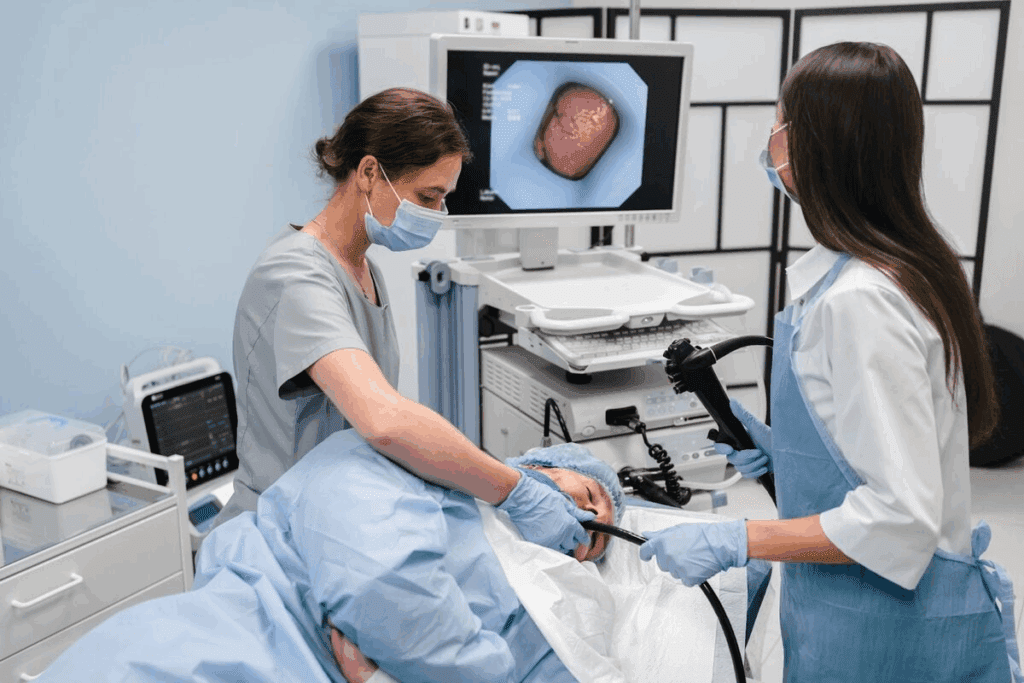
Getting a colonoscopy can worry many people. Knowing how long it takes and how long you’ll recover is key. how long does a female colonoscopy take
A colonoscopy usually takes 30 to 60 minutes. But, you might spend 2 to 3 hours at the hospital or clinic. The time can change if you have polyps that need to be removed.
Liv Hospital focuses on the patient. They make sure you get clear advice and safe care. This makes your experience as easy as possible.
Key Takeaways
- The total time spent at the hospital or clinic for a colonoscopy is usually 2 to 3 hours.
- The procedure itself typically lasts between 30 to 60 minutes.
- Factors such as polyp removal can affect the overall duration.
- Patients should plan for recovery time after the procedure.
- Liv Hospital provides patient-focused care for a smooth experience.
Understanding Colonoscopy Procedures
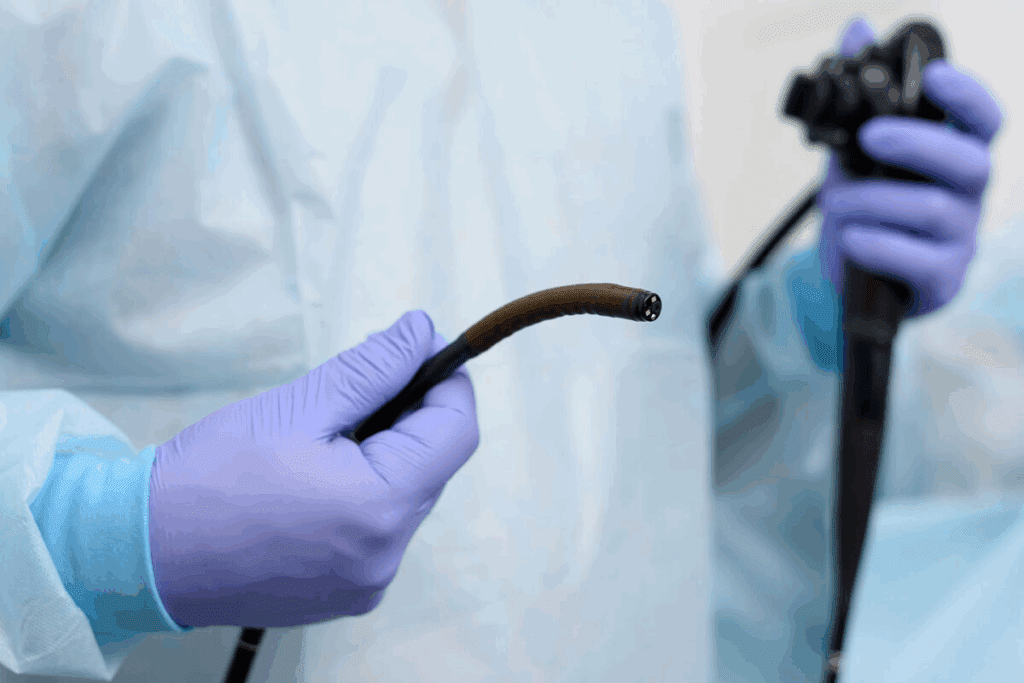
A colonoscopy uses a long, flexible tube with a camera to look inside the colon. It’s key for finding polyps, cancer, and other issues in the colon.
What Is a Colonoscopy?
A colonoscopy lets doctors see inside the colon. They use a colonoscope, a flexible tube with a camera and light, to do this.
The colonoscope sends images to a screen. This lets doctors spot problems like polyps or inflammation. These images help them figure out what’s wrong with the colon.
Why Colonoscopies Are Performed
Doctors do colonoscopies to check for symptoms like stomach pain, bleeding, or changes in bowel movements. It’s also used for screenings to find colon cancer early, mainly in people over 50 or with a family history of it.
This test can find the cause of stomach problems and catch colon cancer early. This makes it easier to treat.
Who Should Get a Colonoscopy
People with a family history of colon cancer, those with symptoms, and those over 50 should get a colonoscopy. How often you need one depends on your risk factors and past results.
| Risk Category | Recommended Age to Start Screening | Screening Interval |
| Average Risk | 50 years | 10 years |
| Family History of Colon Cancer | 40 years or 10 years before the age of the relative’s diagnosis | 5 years |
| High Risk (e.g., genetic syndromes) | Varies, often earlier than 50 | Varies, often more frequently than 10 years |
Preparing for Your Colonoscopy
A colonoscopy needs careful preparation to see the colon’s inside clearly. It’s important to follow several steps to prepare well.
Dietary Restrictions Before the Procedure
You’ll need to eat a special diet before your colonoscopy. Start with a low-fiber diet a few days early. Then, stick to clear liquids the day before.
Clear liquids are things like water, clear broths, and sports drinks. Try to avoid red and purple drinks as they can mess up the test results.
Bowel Preparation Process
Bowel prep is a key part of getting ready for a colonoscopy. You’ll take medicine to clean out your colon. Your doctor will tell you what kind of prep you need.
It usually includes laxatives and stool softeners. Make sure to follow your doctor’s instructions well to clean your colon right.
What to Bring to Your Appointment
Bring important things to your colonoscopy appointment. You’ll need your insurance cards, a list of your medications, and a driver’s license or ID.
Also, make sure someone can drive you home. The sedation might make it hard to drive.
By knowing and doing these steps, you can make your colonoscopy go smoothly. Good preparation helps the procedure work well and makes recovery faster. This means you can get back to your usual life sooner.
Colonoscopy Duration: What to Expect
Many people worry about how long a colonoscopy takes. Knowing what affects this time can help you feel more ready for it.
Average Procedure Time
The colonoscopy itself usually takes 20 to 45 minutes. This can change if the procedure is complex or if polyps are found and taken out.
Factors That May Extend Procedure Time
Several things can make a colonoscopy longer. These include:
- Polyps or other issues that need to be removed or checked.
- Your health and body shape.
- The skill of the doctor doing the procedure.
Polyp Removal and Its Impact on Duration
If polyps are discovered, they might be removed. This, called polypectomy, can add to the time. The size and number of polyps affect how long this part takes.
| Procedure Component | Average Time | Factors Influencing Time |
| Colonoscopy Procedure | 20-45 minutes | Complexity, polyp presence |
| Polyp Removal | Additional 10-30 minutes | Number and size of polyps |
| Total Visit Time | 1-2 hours | Pre-procedure preparation, recovery time |
Knowing what affects the time of a colonoscopy can ease your worries. It’s key to talk to your doctor about your specific case. This way, you’ll have a clearer idea of what to expect.
The Complete Timeline of a Colonoscopy Visit
Knowing what to expect during a colonoscopy can make you feel less anxious. A colonoscopy visit includes several stages. These are check-in, preparation, the procedure, and post-procedure monitoring.
Check-in and Administrative Procedures
The first step is check-in, where you do administrative tasks. You should arrive at least 30 minutes early. This is to fill out paperwork and give medical information.
Pre-Procedure Preparation at the Facility
After check-in, you go to a preparation area. Here, you change into a hospital gown. An IV line is placed for sedation and other medications.
The Actual Colonoscopy Procedure
The procedure takes 30 to 60 minutes. A gastroenterologist uses a tube with a camera to look for polyps or abnormalities. The time can vary, depending on what is found.
Several factors can affect the procedure’s length:
- The complexity of the procedure
- The presence of polyps or other abnormalities
- The patient’s overall health and anatomy
Post-Procedure Monitoring
After the procedure, you go to a recovery area. Here, you are monitored for 30 to 60 minutes. Medical staff watch for any reactions to the sedation and check your vital signs.
In total, you should plan to spend 2 to 3 hours at the hospital or endoscopy center. This includes check-in, preparation, the procedure, and recovery. Knowing this can help you plan your day and reduce anxiety.
Sedation Options and Their Effect on Procedure Time
Sedation makes colonoscopies more comfortable for patients. The type of sedation used can affect how long the procedure takes. Knowing about the different sedation options helps patients prepare for their colonoscopy.
Types of Sedation Used During Colonoscopies
Several sedation types are used during colonoscopies, including:
- Moderate Sedation: This is the most common type, where patients are relaxed but can respond to verbal commands.
- Deep Sedation: Patients are in a deeper state of relaxation and may not respond to verbal commands.
- Conscious Sedation: A mix of medications to relax and make patients more comfortable.
The choice of sedation depends on the patient’s medical history, anxiety levels, and the doctor’s judgment.
How Long Does a Colonoscopy Take With Different Sedation Types
The procedure time can vary based on the sedation type. Moderate sedation usually leads to quicker recovery, while deep sedation may need more time in the recovery area. On average, the procedure time is similar across sedation types, but recovery times differ.
Pain Management During the Procedure
Pain management is key during colonoscopies. Sedation reduces discomfort, and other strategies may be used if needed. The goal is to keep the patient comfortable during the procedure.
- Monitoring patient’s vital signs during the procedure.
- Adjusting sedation levels as needed.
- Using additional pain relief medications if required.
Understanding sedation options and their effects helps patients prepare for their colonoscopy and recovery.
Immediate Recovery After a Colonoscopy
After a colonoscopy, patients start a vital recovery phase that lasts about an hour. Medical staff watch over them closely to make sure they recover safely and smoothly.
The First Hour Post-Procedure
The first hour is key. Patients go to a recovery area where they’re checked for any immediate issues from the procedure or sedation.
Monitoring in the Recovery Area is a standard practice to ensure patient safety. Medical guidelines say patients are monitored for 30 to 60 minutes. This lets healthcare professionals check on the patient’s recovery and handle any concerns.
Monitoring in the Recovery Area
In the recovery area, staff check vital signs and watch for complications. The monitoring is thorough to make sure patients are stable before they leave.
| Monitoring Aspect | Description | Duration |
| Vital Signs Check | Checking blood pressure, heart rate, and oxygen saturation | Continuous |
| Complication Surveillance | Monitoring for any adverse reactions or complications | 30-60 minutes |
| Discharge Preparation | Preparing patients for discharge by assessing their recovery | Before discharge |
When You Can Go Home
Patients usually go home when they’ve fully recovered from the sedation and are stable. The healthcare team decides based on the patient’s condition.
Transportation Requirements
Because of sedation, patients shouldn’t drive themselves home. It’s important to arrange for someone to drive you home for your safety.
Knowing what happens right after a colonoscopy can ease worries. It helps patients prepare for the procedure and the recovery that follows.
Full Recovery Timeline Following a Colonoscopy
The recovery time after a colonoscopy is key. Knowing what to expect can make things easier. This common procedure helps doctors check or treat issues in the colon. Understanding the recovery time helps manage care and expectations.
First 24 Hours After the Procedure
Right after a colonoscopy, patients stay in a recovery area for 30 minutes to an hour. Medical staff watch for any immediate reactions to the procedure or sedation. It can take up to 24 hours to fully recover from sedation, so patients shouldn’t work or drive during this time.
In the first 24 hours, some discomfort like bloating and gas is common. These symptoms are usually mild and go away within a day or two. Resting and avoiding hard activities is recommended during this time.
Expected Side Effects and Their Duration
After a colonoscopy, some side effects may include:
- Bloating and gas
- Mild abdominal cramps
- A feeling of fullness
- Blood in the stool (if a polyp was removed)
These side effects are usually short-lived, lasting 24 to 48 hours. But, if symptoms don’t go away or get worse, it’s important to talk to a healthcare provider.
When to Contact Your Doctor
Most patients recover without issues, but sometimes medical help is needed. Call your doctor if you have:
- Severe abdominal pain
- Heavy rectal bleeding
- Fever or chills
- Signs of dehydration
Knowing when to seek help is key to a smooth recovery. Always follow the post-procedure instructions from your healthcare team for a safe recovery.
Returning to Normal Activities
After a colonoscopy, many wonder when they can get back to their daily life. Everyone recovers differently, but there are some general rules. These can guide you on when it’s okay to go back to work, drive, eat as usual, and do physical activities.
Can I Work the Day After a Colonoscopy?
Most people can go back to work the next day if they feel okay. But, it’s important to listen to your body. Don’t rush back if you’re not feeling right or if the sedation is affecting you.
Medical guidelines say you can do light activities the day after. But, it’s best to avoid hard work, heavy lifting, and intense exercises for a week.
Driving Restrictions
It’s best not to drive for at least 24 hours after a colonoscopy. The sedation can make it hard to drive safely.
Make sure someone drives you home after the procedure. Have them stay with you for a few hours to make sure you’re okay.
Resuming Regular Diet
For the first 24 hours, it’s best to stick to a light diet. Then, slowly go back to your usual diet as you can.
Start with bland foods like bananas, rice, applesauce, and toast (BRAT diet). Avoid spicy or fatty foods for a day or two.
Physical Activity Guidelines
Light activities like short walks are usually okay. But, strenuous exercise and heavy lifting should be avoided for at least a week.
| Activity | Recommended Waiting Time |
| Returning to Work | 1-2 days |
| Driving | 24 hours |
| Resuming Regular Diet | 1-2 days |
| Strenuous Exercise | 7 days |
Special Considerations That May Affect Colonoscopy Time and Recovery
Health conditions and past surgeries can change how long a colonoscopy takes and how you feel after it. Knowing about these can help you get ready for your procedure.
Medical Conditions That May Extend Procedure Time
Some health issues can make a colonoscopy longer. For example, diverticulosis might add time because of the small pouches in the colon wall.
A study in the Journal of Clinical Gastroenterology found that inflammatory bowel disease (IBD) can also make the procedure longer. This is because it needs more detailed checks and biopsies.
| Medical Condition | Potential Impact on Colonoscopy |
| Diverticulosis | Longer procedure due to presence of diverticula |
| Inflammatory Bowel Disease (IBD) | More detailed examination and possible biopsies |
Age-Related Considerations
Age also plays a big role in how long a colonoscopy takes and how you recover. Older people might need more time to get ready and recover because of other health issues and how sedation affects them.
“Older patients often have more complex medical histories, which can affect the colonoscopy procedure and recovery time.” – Dr. John Smith, Gastroenterologist
Previous Abdominal Surgery
If you’ve hadsurgery in your belly before, your colonoscopy might be more complicated. This is because of possible adhesions or changes in your body’s shape.
Complicated Colonoscopies
Some colonoscopies are more complex. This could be because of hard-to-reach areas or polyps that need to be taken out.
This complexity can make the procedure longer and your recovery time longer too. If you’re having a complicated colonoscopy, be ready for a longer recovery.
Understanding these special considerations can help you prepare for your colonoscopy better.
Conclusion: Planning for Your Colonoscopy
Knowing about the colonoscopy process helps patients prepare for their visit. The actual procedure takes 30 to 60 minutes. But, getting ready and recovering can take several hours.
It’s important to watch for signs of trouble and follow the doctor’s advice after the test. This ensures a safe recovery. Also, understanding the whole time needed for the colonoscopy helps in planning.
Being ready for what happens during and after the test is key. Following the doctor’s instructions is vital for a smooth recovery. This way, patients can have a better experience with their colonoscopy.
FAQ
How long does a colonoscopy take?
A colonoscopy usually takes 30-60 minutes. But, you might spend several hours at the hospital or clinic.
How long is the recovery time from a colonoscopy?
Recovery time varies. But, most people can get back to normal in 24 hours.
Can I work the day after a colonoscopy?
It’s best to take the day off after a colonoscopy. The sedation and procedure can make you feel tired and uncomfortable.
How long does it take to get a colonoscopy?
The procedure itself takes 30-60 minutes. But, getting ready and recovering can take several hours.
What is the colonoscopy procedure time?
The procedure time is usually 30-60 minutes. It can vary based on the procedure’s complexity and your health.
How long does a colonoscopy take with sedation?
With sedation, the procedure time is the same, 30-60 minutes. But, recovery might take longer.
How long do you stay in the hospital for a colonoscopy?
Most colonoscopies are done on an outpatient basis. You’ll usually leave the hospital a few hours after the procedure.
How long does a colonoscopy take from start to finish?
The whole process, from check-in to recovery, takes about 4-6 hours.
What are the factors that affect the length of a colonoscopy?
Several factors can influence the length of a colonoscopy. These include the procedure’s complexity, the presence of polyps, and your overall health.
Can I drive after a colonoscopy?
No, it’s not safe to drive after a colonoscopy. The sedation can make you drowsy.
When can I resume my regular diet after a colonoscopy?
You can usually go back to your regular diet within 24 hours. Start with light, easy-to-digest foods.
Are there any special considerations that may affect colonoscopy time and recovery?
Yes, certain medical conditions, age, and previous abdominal surgery can impact the procedure time and recovery.
References
Muleta, J., et al. (2024). A rare case of bile leak due to type 2 duct of Luschka injury: Diagnosis and intervention. Journal of Surgical Case Reports. Retrieved from https://academic.oup.com/jscr/article/2024/3/rjae179/7632948