How long does an infusion for osteoporosis take? Get the best quick answer on appointment times and what to expect during the process. Reclast infusion therapy is a convenient and effective treatment for osteoporosis. It’s an FDA-approved intravenous bisphosphonate medication with zoledronic acid. It’s used to treat and prevent osteoporosis.
The Reclast IV treatment is given once a year. It only takes 15 minutes to do. This quick treatment can greatly lower the risk of fractures from osteoporosis.
Liv Hospital offers top-notch osteoporosis care. Knowing how long and what benefits Reclast infusion therapy offers is key. It helps patients make informed choices about their treatment.
Key Takeaways
- Reclast is an FDA-approved medication for treating and preventing osteoporosis.
- The Reclast IV treatment is administered once a year.
- The infusion takes only 15 minutes to complete.
- Reclast can significantly reduce the risk of fractures associated with osteoporosis.
- Liv Hospital provides world-class osteoporosis care.
Understanding Reclast and Its Purpose
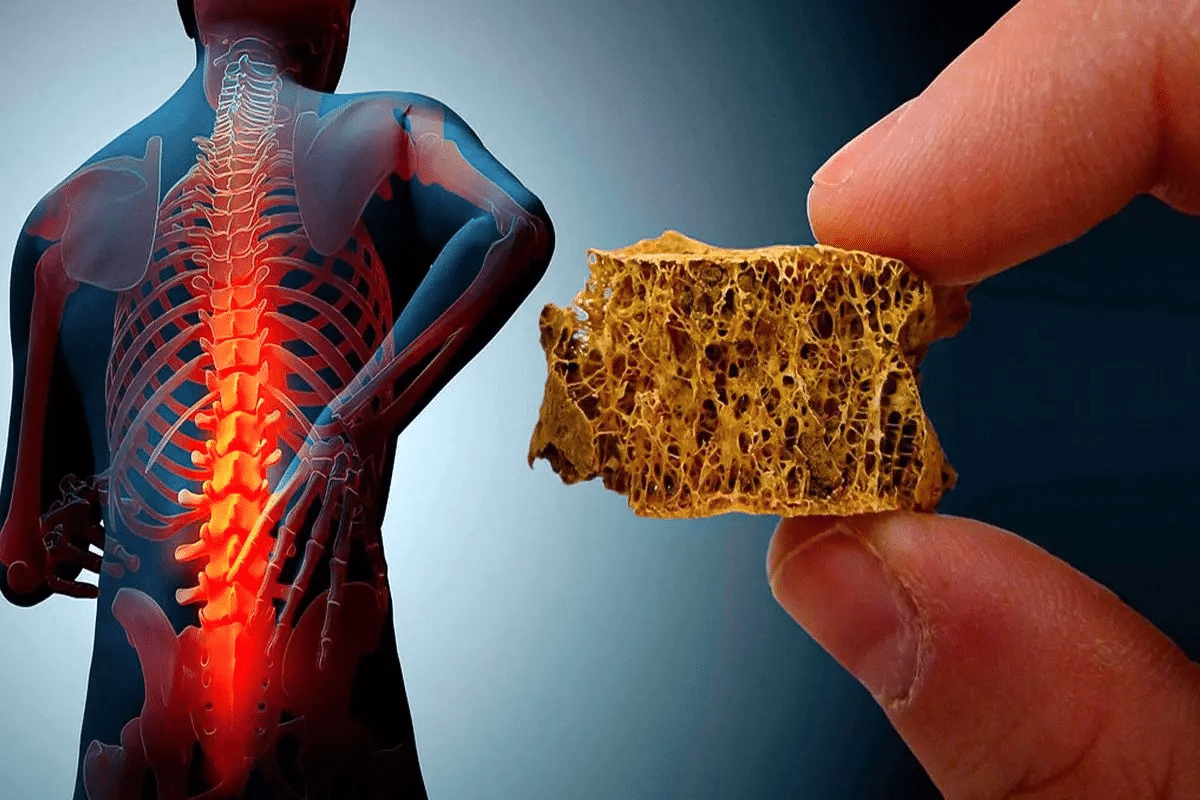
For those looking to treat osteoporosis, knowing about Reclast is key. Reclast, or zoledronic acid, is a drug used to treat and prevent osteoporosis. It helps many patients.
What Is Reclast (Zoledronic Acid)?
Reclast belongs to a group of drugs called bisphosphonates. These drugs help keep bones strong by stopping bone loss. Zoledronic acid, the main ingredient, stops cells that break down bones. This is important for keeping bones from getting weak and breaking.
FDA Approval and Indications
The FDA has approved Reclast for treating osteoporosis in several groups. These include postmenopausal women, men, and those with osteoporosis caused by steroid use. The FDA based its approval on studies showing Reclast reduces fractures and boosts bone density.
Reclast is used to prevent fractures in people with osteoporosis. It’s given by IV once a year. This makes it easier for patients to stick to their treatment plan, as it’s not a daily pill.
Target Populations for Reclast Treatment
Reclast is for several groups:
- Postmenopausal women with osteoporosis
- Men with osteoporosis
- Patients with osteoporosis caused by steroid use
These groups see their bones get stronger and fracture risk go down with Reclast. Doctors should decide if Reclast is right for each patient based on their health and medical history.
How Reclast Works in Treating Osteoporosis
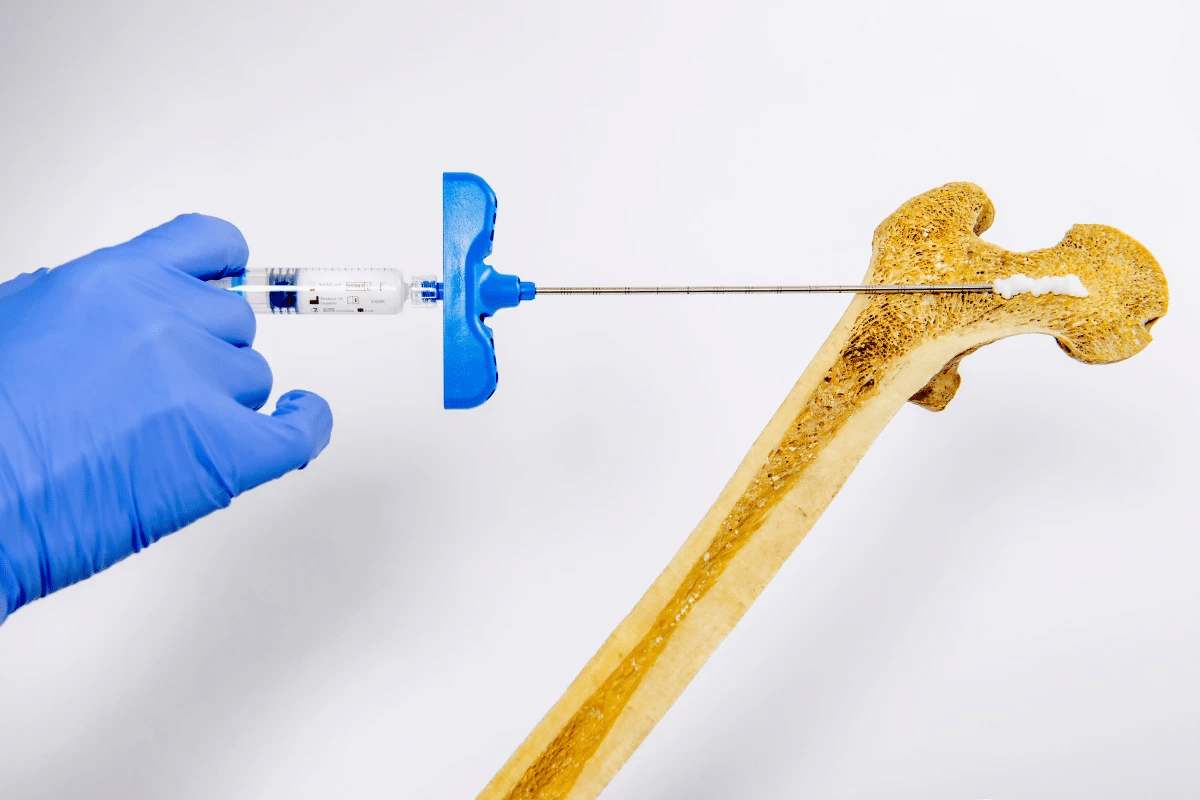
Reclast is a strong bisphosphonate given through an IV to fight osteoporosis. It targets bone breakdown. Knowing how Reclast works is key for both patients and doctors.
Mechanism of Action
Reclast stops osteoclasts from breaking down bones. Osteoclasts are cells that break down bones. By stopping these cells, Reclast slows bone loss and keeps bone density up. This helps lower the chance of fractures in people with osteoporosis.
“The use of Reclast has been shown to significantly reduce the incidence of vertebral and non-vertebral fractures,” as noted in clinical studies. This shows it’s very good at treating osteoporosis.
Bone Remodeling Process
Bone remodeling is a constant cycle of bone building and breaking. Reclast changes this by reducing osteoclast activity. This shifts the balance towards building more bone and keeping density up.
Targeting Osteoclast Activity
Reclast targets osteoclasts to minimize bone breakdown without hurting bone building. This focused method makes Reclast IV a strong treatment for osteoporosis. It directly tackles bone loss.
Studies show Reclast lowers the risk of fractures. As part of a full treatment plan, Reclast IV can be a great choice for osteoporosis patients.
How Long Does an Infusion for Osteoporosis Take
Knowing how long a Reclast infusion takes is important for those getting treatment for osteoporosis. A Reclast infusion usually lasts between 15 to 30 minutes.
Standard Reclast Infusion Duration
The usual time for a Reclast infusion is the same in most places. It usually takes about 15-30 minutes. During this time, the patient gets a dose of 5mg of zoledronic acid.
Factors That May Extend Infusion Time
While most infusions last 15-30 minutes, some things can make it longer. These include:
- Patient’s overall health and kidney function
- Presence of any underlying medical conditions
- Previous reactions to bisphosphonate infusions
In some cases, doctors might slow down the infusion to avoid side effects. This can make the infusion last longer.
Comparison to Other IV Osteoporosis Treatments
Reclast is not the only IV treatment for osteoporosis. Here’s how it compares to other common IV treatments:
|
Medication |
Infusion Duration |
Dosing Frequency |
|---|---|---|
|
Reclast (Zoledronic Acid) |
15-30 minutes |
Once a year |
|
Boniva (Ibandronate) |
15-30 seconds (IV push) or 15-30 minutes (IV infusion) |
Every 3 months |
|
Prolia (Denosumab) |
Not an infusion, administered via subcutaneous injection |
Every 6 months |
This comparison shows how Reclast stands out in terms of infusion time and how often it’s given.
Preparing for Your Reclast Infusion
Getting ready for your Reclast infusion involves a few key steps. Your healthcare provider will guide you through these. Proper preparation helps avoid side effects and makes the treatment work better.
Pre-Infusion Laboratory Tests
Your healthcare provider will order lab tests before the infusion. These tests check your kidney function and calcium levels. Serum creatinine and calcium levels are key to making sure it’s safe for you.
Hydration Requirements
Drinking plenty of water is important before your infusion. Your healthcare provider might tell you to drink lots of water before your visit. This helps your kidneys work well during treatment and reduces side effects.
Medication Adjustments Before Treatment
Tell your healthcare provider about all your medications. This includes over-the-counter drugs and supplements. Some medications might need to be changed or stopped before the infusion. Your healthcare provider will tell you about any medication adjustments needed.
By following these steps and your healthcare provider’s advice, you can have a safe and effective Reclast infusion. If you have questions or concerns, don’t hesitate to ask your healthcare provider. They can give you patient information on Reclast and help you prepare.
The Reclast Infusion Procedure Step by Step
Learning about the Reclast infusion process can ease worries for patients. It’s made to be quick and safe, with several important steps from start to finish.
Arrival and Initial Assessment
When patients arrive, they get checked to make sure they’re ready for the infusion. This includes looking at their vital signs and medical history.
IV Line Placement
The next step is putting in an IV line. This is a small tube put into a vein in the arm. It’s used to give the Reclast medication.
Proper IV placement is key for safe treatment delivery. Healthcare experts are trained to do this step well.
Medication Administration Process
After the IV line is set up, the Reclast medication is given. The infusion usually takes about 15 minutes. During this time, patients are watched for any bad reactions.
Monitoring During and After Infusion
Watching patients closely is a big part of the Reclast infusion. They are checked during and after the infusion for any quick reactions to the medicine.
After the infusion, patients are watched for a bit before they go home. This lets healthcare providers handle any concerns or side effects.
The whole process, from start to finish, aims to be as smooth and safe as it can be. Knowing what to expect can make patients feel more at ease and ready for their Reclast IV treatment.
Dosage and Frequency of Reclast Treatments
Knowing how often and how much Reclast you need is key for osteoporosis patients. Reclast, or zoledronic acid, is given through an IV. Its dosage is set to work well and keep side effects low.
Standard 5mg Annual Dosing Protocol
The usual dose of Reclast for osteoporosis is 5 mg once a year. This yearly dose helps lower fracture risk in osteoporosis patients. It also makes it easier for patients to stick to their treatment plan.
Studies show that the 5 mg yearly dose of Reclast:
- Reduces the risk of fractures in the spine, other bones, and hips
- Increases bone density at different parts of the body
- Is safe when given as directed
Treatment vs. Prevention Schedules
The Reclast dosage can change based on whether it’s for treatment or prevention. For treatment, the standard 5 mg dose is usually used. For prevention, the same dose is often given, but it depends on the patient’s risk and doctor’s advice.
Reclast is not for kids or for treating osteoporosis in patients with low calcium or other conditions that make it unsafe.
Adjustments for Renal Impairment
Patients with kidney problems might need to adjust their Reclast dose. Reclast is not for those with very poor kidney function (creatinine clearance
Doctors should check kidney function before giving Reclast. They must weigh the benefits and risks for each patient.
What to Expect During and After Your Infusion
Getting ready for your Reclast infusion might make you curious about what it feels like and how your body will react. Knowing what to expect and possible side effects can make you feel more at ease.
Patient Experience During Infusion
You’ll sit comfortably while a healthcare professional gives you the Reclast through an IV. The whole process usually takes 15-30 minutes. You might relax, read, or even work on your laptop during this time.
Common Immediate Reactions
Some people might feel mild to moderate side effects right after the infusion. You might feel flu-like symptoms like fever, fatigue, and muscle pain. These usually go away quickly with over-the-counter meds. You might also feel joint pain or swelling at the IV site.
Post-Infusion Symptoms
After the infusion, you might feel some symptoms. These can include fatigue, headache, and muscle or joint pain. These symptoms are usually mild and go away in a few days. Drinking plenty of water and following your doctor’s instructions is key.
When to Contact Your Healthcare Provider
While most side effects are mild, some need immediate attention. If you have severe symptoms like trouble breathing, chest pain, or severe pain, call for help right away. Also, if you’re worried about your symptoms or they last too long, talk to your doctor.
Knowing what to expect during and after your Reclast infusion helps you understand the treatment better. This way, you can make informed choices about your care.
Clinical Effectiveness of Reclast for Osteoporosis
Reclast is known for its effectiveness in treating osteoporosis. It is also known as zoledronic acid. Many studies have shown it can lower fracture risk and boost bone density in patients with osteoporosis.
Fracture Reduction Statistics
Many clinical trials have shown Reclast reduces fracture risk in osteoporosis patients. A study in the New England Journal of Medicine found a 70% drop in vertebral fractures compared to a placebo. This is key to improving life quality for those with osteoporosis.
A leading researcher said,
“The reduction in fracture risk with Reclast is a significant advancement in the management of osteoporosis, giving patients a valuable treatment option.”
Bone Mineral Density Improvements
Reclast also boosts bone mineral density (BMD). Clinical data show it increases BMD at the lumbar spine and hip. This BMD boost is linked to lower fracture risk, highlighting Reclast’s effectiveness in osteoporosis treatment.
Long-Term Efficacy Data
Long-term studies confirm Reclast’s ongoing benefits. A three-year trial showed Reclast kept providing fracture risk and BMD improvements. This long-term success makes Reclast a reliable option for osteoporosis treatment.
Patient-Reported Outcomes
Patients have reported better quality of life with Reclast. Studies indicate Reclast is generally well-tolerated, with most patients sticking to the annual dosing. The ease of an annual infusion makes Reclast a practical choice for managing osteoporosis long-term.
Potential Side Effects and Safety Considerations
It’s important for patients with osteoporosis to know about Reclast infusion side effects and safety. Reclast is usually safe but can cause serious side effects.
Common Side Effects
Reclast can make you feel flu-like, with symptoms like fever, tiredness, and muscle pain. These symptoms are usually mild and go away in a few days. Most can be treated with common over-the-counter medicines.
Rare but Serious Adverse Events
Reclast can also lead to rare but serious issues like kidney problems and osteonecrosis of the jaw (ONJ). Kidney issues might happen if you already have kidney disease. ONJ is a rare jawbone death that can happen with dental work. Telling your dentist about Reclast before dental procedures is key.
Risk Mitigation Strategies
To lower the risks of Reclast, several steps can be taken. Drinking plenty of water before and after the infusion helps prevent kidney problems. Regular dental visits and good oral care can also reduce ONJ risk. Checking your kidney function before each dose is also important.
Long-Term Safety Profile
Studies have looked at Reclast’s long-term safety. It’s usually safe but long-term use might increase the risk of fractures. Regular check-ups with your healthcare provider are vital to watch for long-term side effects.
Who Should Not Receive Reclast Infusions
Reclast is not safe for everyone. It’s used to treat osteoporosis but has risks for some. Certain health issues make it dangerous.
Absolute Contraindications
Some conditions make Reclast too risky. These include hypersensitivity to zoledronic acid or any other ingredients in Reclast and hypocalcemia. People with these should avoid Reclast.
Kidney Function Considerations
Those with severe kidney problems should not get Reclast. It can harm kidney function more. Creatinine clearance is key to check before Reclast.
|
Kidney Function Status |
Creatinine Clearance (mL/min) |
Reclast Administration |
|---|---|---|
|
Normal |
> 60 |
Standard dose |
|
Mild impairment |
50-60 |
Caution advised |
|
Moderate to severe impairment |
Not recommended |
Hypocalcemia and Vitamin D Deficiency
Those with hypocalcemia or vitamin D deficiency should not get Reclast first. It can lower calcium levels, making hypocalcemia worse.
Dental Health Concerns
People with dental issues, like invasive dental procedures or osteonecrosis of the jaw (ONJ), should talk to their doctor. These are not absolute no-gos but need careful thought before Reclast.
Conclusion: Making Informed Decisions About Reclast Treatment
Patients thinking about Reclast treatment for osteoporosis need to know its effects and benefits. Reclast infusion is a good option for treating osteoporosis when used right.
It’s important to understand how Reclast works. It targets osteoclasts, which helps reduce bone loss and increase density. This action lowers the risk of fractures in those with osteoporosis.
Patients should consider the benefits and possible side effects of Reclast. Talking to a healthcare provider about any concerns is key to getting the best results.
FAQ
What is Reclast and how does it work for osteoporosis?
Reclast, also known as zoledronic acid, is a treatment for osteoporosis. It stops bone loss by blocking certain cells. This helps make bones stronger and lowers the chance of fractures.
How long does a Reclast infusion take?
A Reclast infusion takes at least 15 minutes to give.
Is Reclast safe for everyone?
No, Reclast isn’t safe for everyone. It’s not good for people with kidney problems, low calcium, or dental issues. Always talk to your doctor before getting Reclast.
What are the common side effects of Reclast?
Side effects of Reclast include fever, tiredness, muscle pain, and joint pain. Rare but serious side effects are jaw problems and fractures in the thigh.
How often is Reclast administered?
Reclast is given once a year. It’s a 5mg IV infusion.
Can I receive Reclast if I have kidney problems?
People with certain kidney issues might not get Reclast. Doctors check kidney health before giving it.
How does Reclast compare to other osteoporosis treatments?
Reclast is one of many treatments for osteoporosis. Studies show it helps prevent fractures and boost bone density.
What should I do to prepare for a Reclast infusion?
Drink plenty of water, get needed tests, and tell your doctor about your medicines before the infusion.
What can I expect during and after the Reclast infusion?
During the infusion, you’ll be watched for any quick reactions. After, you might feel some side effects. Always follow up with your doctor as they advise.
How effective is Reclast in reducing fractures?
Reclast has been proven to greatly lower the risk of fractures in studies.
Are there any long-term safety concerns with Reclast?
Reclast is usually safe in the long run. But, it’s important to watch for any long-term side effects.
Reference
National Center for Biotechnology Information. Reclast Infusion Duration for Osteoporosis Treatment. Retrieved from https://www.ncbi.nlm.nih.gov/pmc/articles/PMC3427916/