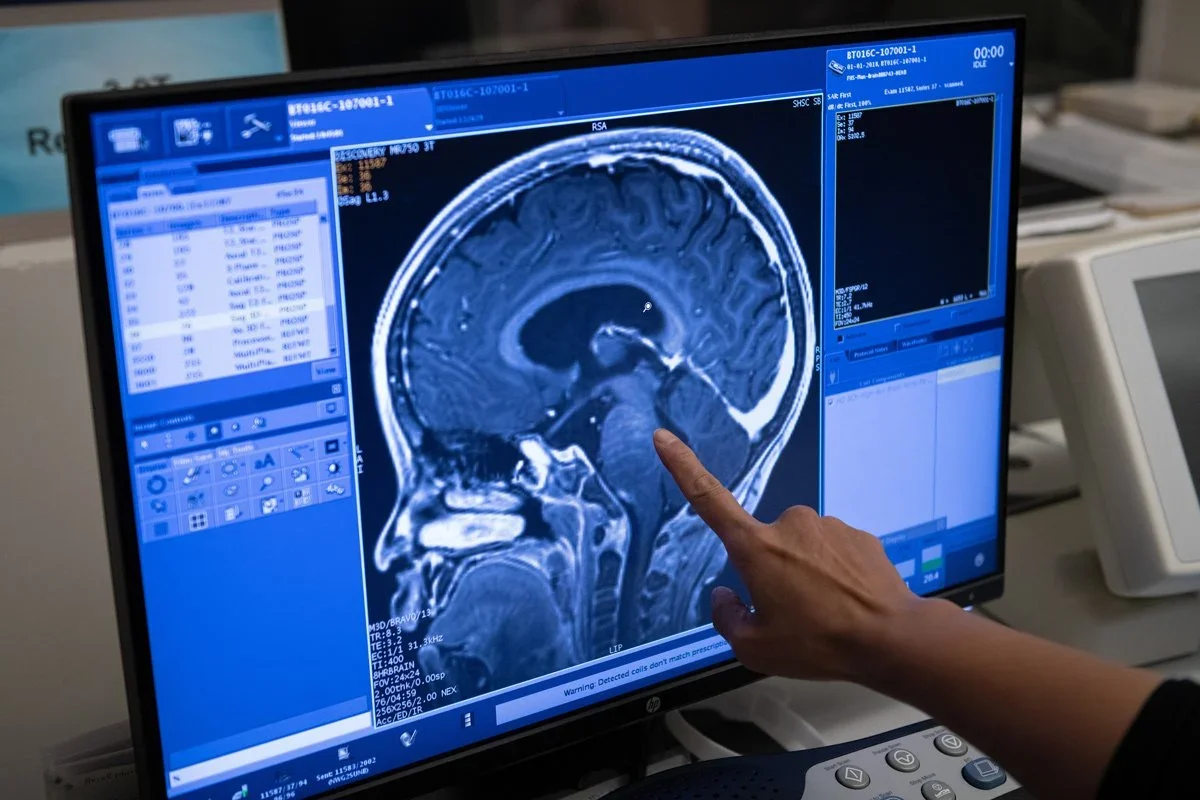
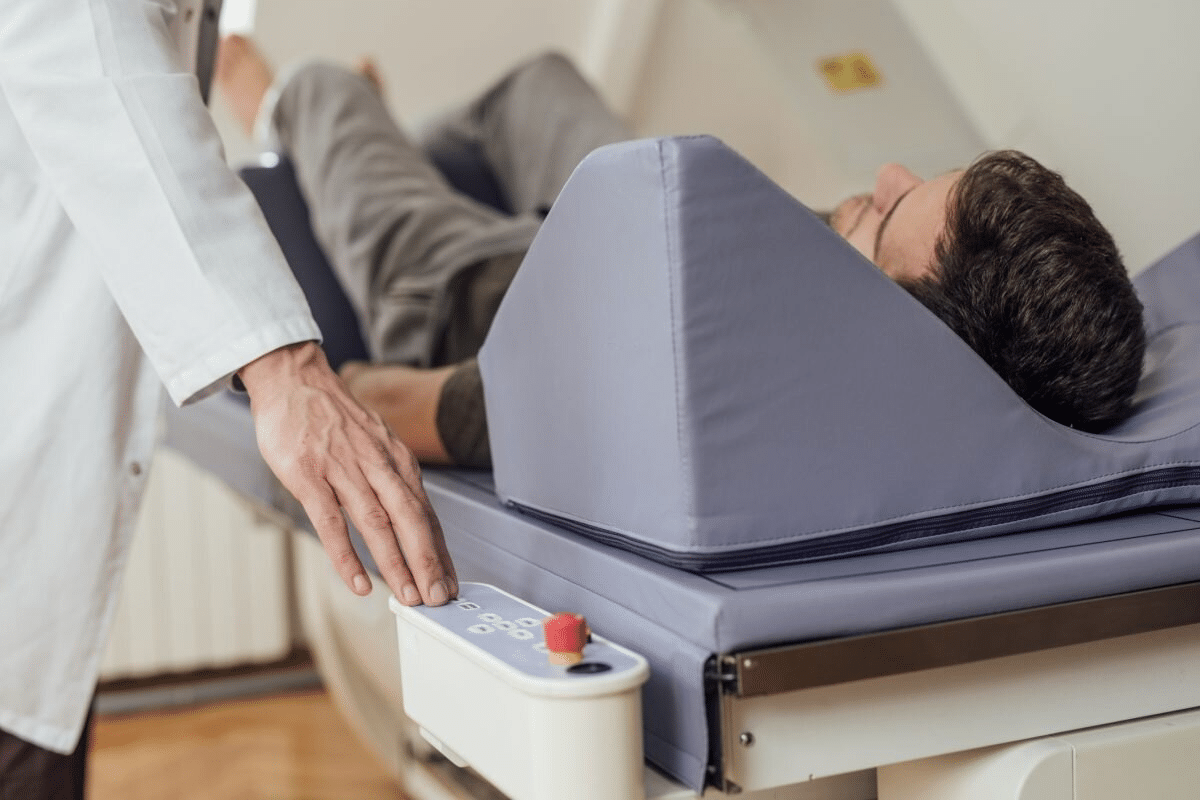
How long does bone density scan take? Find out the quick timeframe for this easy, painless procedure and what to expect during your visit. Knowing your bone health is key to avoiding fractures and staying independent. A DEXA scan, or dual-energy X-ray absorptiometry, is a mainstay in preventive care. It gives a quick and easy look at your bone strength.
We’ll walk you through the bone density scan process. We’ll cover why it’s important and what you’ll experience during it. This 10 to 20-minute test helps both patients and doctors make smart choices about bone health management and treatment.
Key Takeaways
- DEXA scans are essential for assessing bone health and diagnosing conditions like osteoporosis.
- The procedure is quick, taking only 10 to 20 minutes to complete.
- A DEXA scan helps healthcare providers make informed decisions about treatment plans.
- Understanding your bone density is key to staying independent as you age.
- Bone density scans are a vital tool in preventive medicine.
Understanding Bone Density Scans
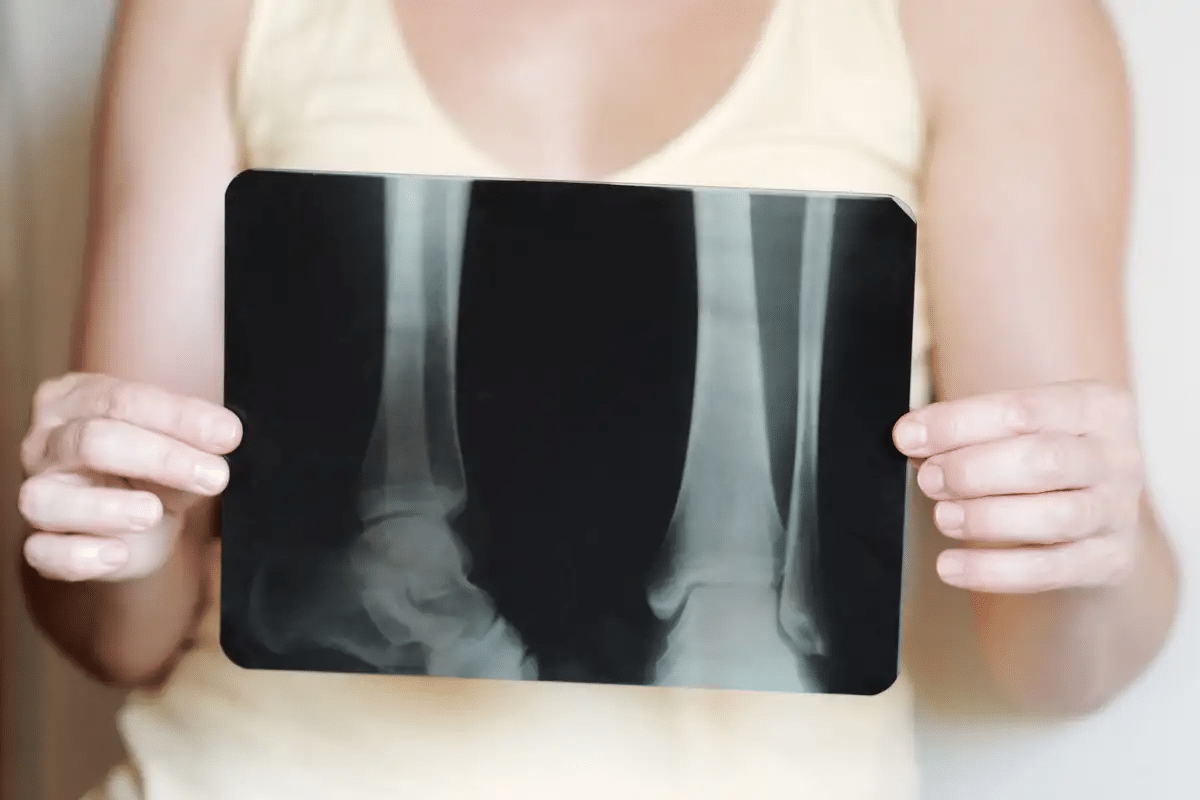
A bone density scan is a simple, non-invasive test. It measures bone mineral density. This test is key for checking bone health and spotting conditions like osteoporosis.
What is a DEXA/DXA Scan?
A DEXA (Dual-Energy X-ray Absorptiometry) scan, or DXA scan, is the top choice for bone density checks. It uses a high- and low-energy X-ray beam to see through the body. This helps figure out bone mineral content.
How DEXA Scans Work
During a DEXA scan, X-rays pass through the body differently. Bone and soft tissue absorb them in various ways. The scan then calculates bone mineral density in spots like the spine and hip.
Common Reasons for Bone Density Testing
Bone density tests are suggested for certain groups, mainly those at high risk for osteoporosis. Reasons include:
- Age: People over 65 years
- Gender: Postmenopausal women
- Family history of osteoporosis
- Previous fractures or certain medical conditions
The International Osteoporosis Foundation says, “Osteoporosis is a major public health problem worldwide, affecting millions of people.”
Osteoporosis Statistics and Risk Factors
Osteoporosis hits about 200 million women globally, making it a big health issue. Risk factors include:
|
Risk Factor |
Description |
|---|---|
|
Age |
Increased risk with advancing age |
|
Gender |
Higher risk in women, specially postmenopausal |
|
Family History |
History of osteoporosis or fractures in first-degree relatives |
Early detection through bone density scans can help manage and prevent osteoporosis from getting worse.
Who Should Get a Bone Density Scan
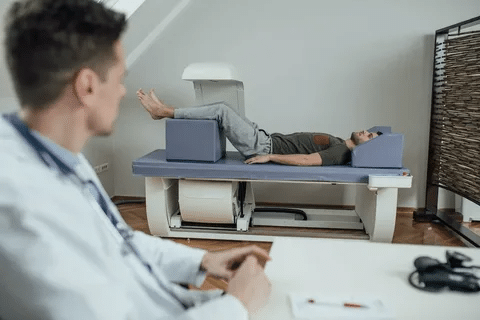
A bone density scan is a quick and efficient way to check bone health. It helps find people at risk of osteoporosis and fractures.
Age and Gender Considerations
Women over 65 should get screened for osteoporosis. Younger postmenopausal women with risk factors also need testing. Men can be at risk, too, if they’ve had fractures or other risk factors.
Age affects bone density, with older people having lower bone density. Women generally have lower bone mass than men. They are more likely to lose bone, mainly after menopause.
Medical Conditions That Warrant Testing
Some medical conditions raise the risk of osteoporosis and fractures. These include:
- Intestinal disorders that affect nutrient absorption
- Rheumatoid arthritis
- Multiple sclerosis
- Hyperthyroidism
- Long-term use of corticosteroids
People with these conditions should talk to their doctor about bone density testing.
Frequency Recommendations for Repeat Scans
The need for repeat scans depends on the first scan’s results and risk factors. If the first scan shows normal bone density, you might not need another for 5-10 years. But, if you have osteoporosis or are at high risk, you might need more frequent tests.
|
Initial Bone Density Result |
Recommended Frequency for Repeat Scans |
|---|---|
|
Normal |
5-10 years |
|
Osteopenia (low bone mass) |
3-5 years |
|
Osteoporosis |
1-2 years |
Always follow your doctor’s advice on when to have another scan. They consider your risk factors and medical history.
Preparing for Your Bone Density Scan
To get accurate results from your bone density scan, follow some key preparation steps. We know preparing for a medical test can feel overwhelming. But, the process for a bone density scan is quite simple.
Required Medical Information
We need some medical information before your scan. This ensures your test is safe and effective. Please share your medical history, including any past fractures or surgeries. Also, list your current medications.
Dietary and Medication Restrictions
There are some dietary and medication restrictions to keep in mind. Stop taking calcium supplements at least 24 hours before your scan. This is because they can affect the test results. Also, tell us about any other supplements or medications you’re taking.
What to Wear to Your Appointment
On the day of your appointment, wear loose, comfortable clothing. Make sure it doesn’t have metal items like zippers, buckles, or jewelry. This helps your scan go smoothly without delays.
Items to Avoid During the Scan
To get accurate results, avoid certain items during the test. Remove any metal objects, like jewelry or clothes with metal parts. Also, stay away from dense materials that could interfere with the scan.
By following these simple steps, you help make your bone density scan efficient. Your results will be accurate. If you have any questions or concerns, feel free to reach out to us for help.
How Long Does a Bone Density Scan Take: Timeline Expectations
A bone density scan is quick, but several things can change how long it takes. Patients often wonder how much time they’ll need for this test.
Average Duration
The scan itself usually takes 10 to 20 minutes. This can change a bit based on the technology used and the body part scanned.
“The DEXA scan is a quick and painless procedure, typically taking no more than 20 minutes.” – Medical Expert, Radiologist
Factors That May Extend Scan Time
While most scans last 10 to 20 minutes, some things can make it longer. These include:
- The need for extra scans or views
- Technical problems with the equipment
- Challenges with patient mobility or positioning
Our skilled technicians are ready to deal with these issues quickly, keeping delays to a minimum.
Total Time Commitment
Even though the scan is short, plan for a visit that lasts 30 to 60 minutes. This includes time for check-in, getting ready, and the scan itself.
|
Activity |
Estimated Time |
|---|---|
|
Check-in and Preparation |
10-20 minutes |
|
Bone Density Scan |
10-20 minutes |
|
Total Visit Time |
30-60 minutes |
Knowing what can affect the scan’s length helps patients prepare better. They can plan their day more easily.
The Bone Density Scan Process: Step by Step
Learning about the bone density scan process can ease your worries. We’ll guide you through each step, from when you arrive to when the scan is done.
Arrival and Check-in Procedures
When you get to the facility, start by checking in at the desk. You’ll need to give some basic info and might fill out a medical history form.
Key steps during check-in include:
- Providing identification and insurance information
- Filling out any necessary medical history forms
- Receiving instructions about the scan process
Positioning on the Padded Examination Table
After checking in, you’ll lie on a padded table. It’s made for comfort, and you’ll be set up so the scanning arm can move easily. This is usually over your spine, hip, or forearm.
During the positioning:
- You’ll be asked to stay very quiet and might be moved a bit for better scanning
- The technician will make sure you’re comfy and safe
The Scanning Arm Movement
The scanning arm will then move over the area, sending out low-level X-rays to check your bone density. This is quick and doesn’t hurt.
What to expect during the scanning arm movement:
- The arm will move slowly over the area being tested
- You might hear a soft humming or whirring sound
- The whole scan usually takes just a few minutes
Knowing these steps can make you feel more ready and relaxed for your bone density scan. If you have any worries or questions, talk to your healthcare provider or the technician.
How a DEXA Scan Works: The Technology Behind the Test
DEXA scans use dual-energy X-ray absorptiometry to measure bone mineral density. This method sends two low-dose X-rays. They are absorbed differently by bones and soft tissues, giving a clear picture of bone health.
Dual-Energy X-ray Absorptiometry Explained
Dual-energy X-ray absorptiometry uses X-rays of two different energies. It distinguishes between bone and soft tissue. This is key for measuring bone mineral density accurately.
As “The use of dual-energy X-rays allows for the separation of bone and soft tissue, providing a clear picture of bone health.” This quote shows how important this technology is for bone density assessment.
How Bone Mineral Density is Measured
Bone mineral density is measured by how much X-ray energy is absorbed by bones. The DEXA scan machine sends two X-ray beams through the bones. The difference in absorption helps calculate bone mineral density.
- The scan measures bone density in specific areas.
- Results are compared to average values for a healthy young adult.
- T-scores are used to indicate bone density relative to the norm.
Radiation Exposure Levels and Safety
DEXA scans have low radiation exposure. This is much lower than standard X-rays. It makes them safe for patients, even for those needing repeated scans.
Experts say,
“DEXA scans offer a low-risk method for assessing bone health, with radiation exposure levels that are minimal compared to other imaging techniques.”
This makes DEXA scans a good choice for long-term bone density monitoring.
Comparison to Other Medical Imaging Procedures
DEXA scans have much lower radiation exposure than CT scans. This makes them safer for patients needing regular bone density checks.
|
Imaging Procedure |
Radiation Exposure Level |
|---|---|
|
DEXA Scan |
Low |
|
Standard X-ray |
Moderate |
|
CT Scan |
High |
What to Expect During Your Bone Density Scan
Knowing what to expect during your bone density scan can make it less scary and more comfortable. We get that medical tests can worry you. But, a bone density scan is easy and doesn’t hurt.
Physical Sensations During the Procedure
You’ll lie on a padded table while the scanning arm moves over your body. It’s non-invasive, so you won’t feel anything. You might need to stay very quiet and hold your breath for a few seconds.
Key aspects to be aware of:
- You might need to take off jewelry or clothes with metal to avoid scan interference.
- The scan usually takes 10-20 minutes, depending on what’s being checked.
- You can breathe normally and relax during the scan.
Communication with the Technician
Our technicians are experts who will help you through the scan. They’ll explain each step, answer your questions, and make sure you’re comfortable.
“The technician was very friendly and explained everything clearly. I felt at ease during the entire process.” – A satisfied patient
Common Concerns and Misconceptions
Some worry about radiation. But, a DEXA scan’s radiation is very low, like a standard X-ray. We take all safety steps to protect you.
It’s essential to note that:
- Bone density scans are different from regular X-rays; they measure bone mineral density in a unique way.
- The scan is usually safe for most people, even those with certain implants.
Special Considerations for Different Patient Groups
Some groups need special care during the scan. For example, pregnant women or people with certain health issues might need extra steps or to tell their technician about their condition.
We aim to make your experience safe and comfortable. If you have any worries or questions, just ask your technician.
Understanding Your Bone Density Scan Results
Your bone density scan results give you important insights into your bone health. They help figure out if you have normal bone density, osteopenia, or osteoporosis.
T-scores and Z-scores Explained
Bone density scan results show two scores: T-scores and Z-scores. T-scores compare your bone density to a healthy young adult’s. Z-scores compare it to your age-matched peers. It’s key to understand these scores to get your results right.
T-scores help diagnose osteoporosis and osteopenia. A T-score of -1.0 or above is normal. Between -1.0 and -2.5 means osteopenia, and -2.5 or below means osteoporosis. Z-scores show if your bone density is unusual for your age, which might mean a problem.
|
T-score Range |
Diagnosis |
|---|---|
|
-1.0 or above |
Normal |
|
-1.0 to -2.5 |
Osteopenia |
|
-2.5 or below |
Osteoporosis |
Interpreting Your Results
To understand your bone density scan results, you need to know both T-scores and Z-scores. Your healthcare provider will look at these scores and other factors like your medical history and age. They will give you a full assessment.
“Understanding your bone density results is key to taking steps to keep or improve your bone health.” A bone health specialist
What Different Diagnoses Mean
If your bones are healthy, you’re at lower risk for fractures. Osteopenia means your bones are denser than normal, but you’re at moderate risk. Osteoporosis means your bones are much denser, and you’re at high risk.
Next Steps Based on Results
Your healthcare provider might suggest lifestyle changes, medication, or more tests based on your results. If your bones are healthy, they might recommend a balanced diet and exercise. For osteopenia or osteoporosis, they might suggest medication and lifestyle changes.
Understanding your bone density scan results is the first step to managing your bone health. By working with your healthcare provider, you can create a plan to keep your bones strong and lower your fracture risk.
Conclusion
Understanding bone density scans is key to keeping bones strong and preventing osteoporosis. We’ve covered everything from how to prepare for a scan to what your results mean. This guide aims to help you understand the importance of these scans.
Bone density scans are very important, mainly for those at risk of osteoporosis. We’ve looked into how DEXA scans work. By highlighting these points, we show how these scans help check bone health and guide treatment.
In short, a bone density scan is easy and safe. It gives you important info about your bones. By knowing this, you can take steps to keep your bones strong and stay healthy. Our goal is to help you manage your bone health well.
FAQ
What is a bone density scan, and why is it performed?
A bone density scan, or DEXA scan, measures bone health. It checks for osteoporosis, fracture risk, and treatment success.
How do I prepare for a bone density scan?
To get ready, share your medical history and avoid certain meds or supplements. Wear comfy clothes without metal. Skip calcium and vitamin D on test day.
How long does a bone density scan take?
A scan usually lasts 10 to 20 minutes. But, check-in and prep can add to the time. Equipment type and scan complexity also play a role.
What happens during a bone density scan?
You’ll lie on a table for the scan. A scanning arm will move over your hip or spine. The technician will guide you and operate the scanner.
Is a bone density scan safe?
Yes, it’s safe and non-invasive. It uses low X-rays, with radiation similar to a chest X-ray.
How often should I have a bone density scan?
Scan frequency varies based on age, health, and past scans. Usually, every 2-5 years is recommended. Your doctor will decide the best schedule for you.
What do the results of a bone density scan mean?
The results show T-scores and Z-scores. They compare your bone density to a healthy young adult and age-matched controls. Your doctor will explain the results and what they mean for you.
Can I undergo a bone density scan if I have certain medical conditions?
Most conditions don’t stop you from getting a scan. But, some might affect the test’s accuracy. Tell your doctor about any health issues or concerns.
How is a DEXA scan different from other medical imaging tests?
A DEXA scan measures bone mineral density with dual-energy X-ray absorptiometry. It’s different from CT scans or MRI, which are used for other purposes.
What are the benefits of having a bone density scan?
A scan can spot osteoporosis or low bone mass early. This allows for timely treatment to prevent fractures. It also checks if treatments are working and helps manage bone health.
References
Government Health Resource. Evidence-Based Medical Guidance. Retrieved from https://www.radiologyinfo.org/en/info/dexa
Government Health Resource. Evidence-Based Medical Guidance. Retrieved from https://www.radiologyinfo.org/en/info/dexa