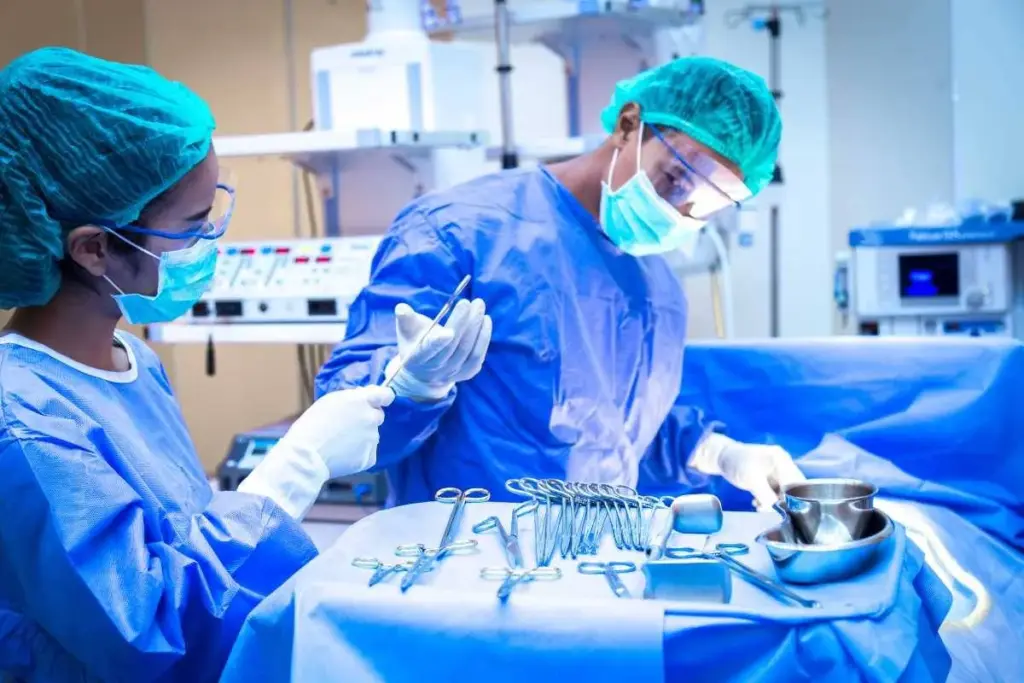
how long does it take for a scab to heal
Nearly 5 million people in the United States get surgical excisions every year. After such a procedure, many wonder about wound care and healing. It’s important to take good care of the wound to avoid problems and heal well.
The healing process of a scab goes through stages like inflammation, proliferation, and remodeling. Knowing these stages helps a lot in taking care of the wound. Proper wound care not only helps the wound heal but also lowers the chance of infection and scarring.
Answering how long do you have to keep an excision covered and discussing wound healing timelines like how long does it take for a scab to heal.
Key Takeaways
- The healing process involves inflammation, proliferation, and remodeling stages.
- Proper wound care is essential for minimizing complications.
- Understanding the healing stages helps in providing optimal care.
- A scab plays a critical role in protecting the wound during healing.
- Keeping the wound covered is important for a certain period.
Understanding Excisions and Wound Healing
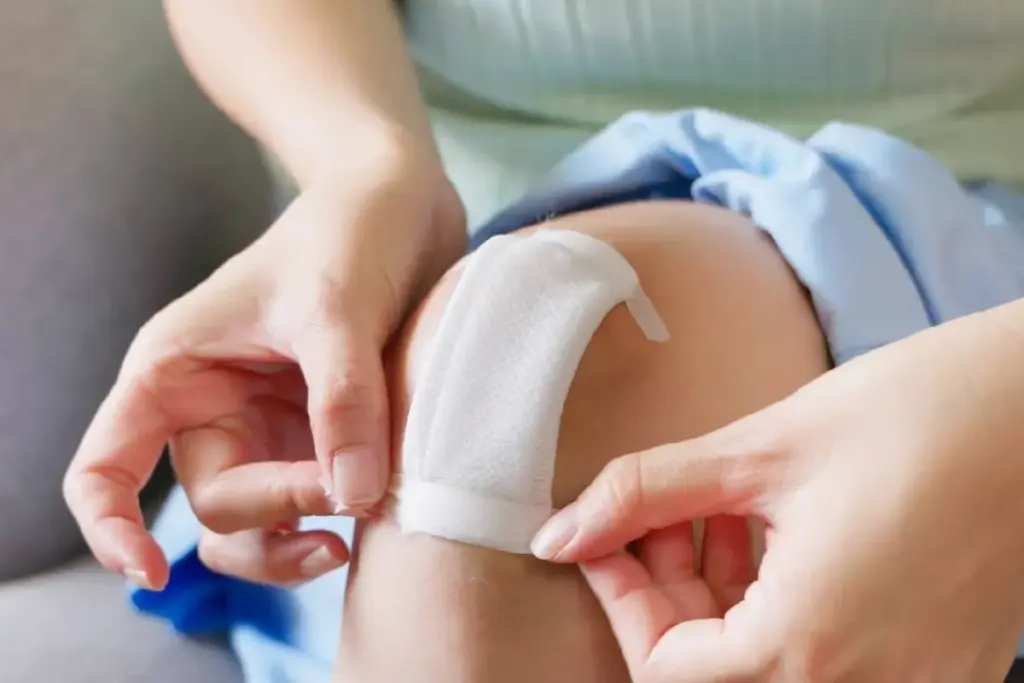
wound healing process
When a patient gets an excision, their body starts to heal. This healing is complex and has many stages. Knowing about the types of excisions and how wounds heal is key.
Types of Excisions and Their Purposes
Excisions are divided into two main types: diagnostic and therapeutic. Diagnostic excisions remove tissue for tests to find conditions like skin cancer. Therapeutic excisions take out tissue that’s causing problems or pain.
The Natural Wound Healing Process
The healing process has four stages: hemostasis, inflammation, proliferation, and remodeling. Hemostasis stops the bleeding first. Then, inflammation kicks in to clean the wound with the immune system.
The proliferation stage makes new tissue. Lastly, remodeling strengthens this new tissue.
Scabs are important for protecting wounds while they heal. How long a scab takes to form can vary. Things like wound size, depth, and health can affect this time.
Immediate Post-Excision Care
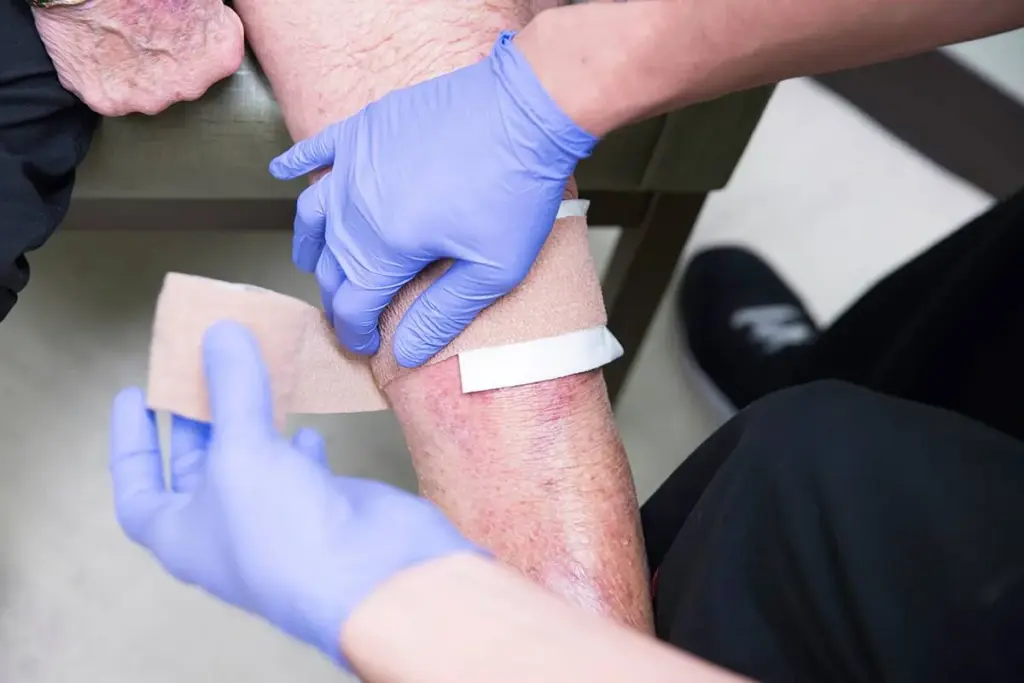
wound care after excision
After an excision, how you care for your wound is key. Proper care prevents infection, promotes healing, and reduces scarring.
Initial Wound Coverage Requirements
Right after an excision, your wound must be covered. This protects it from germs and bacteria. The healthcare provider will apply the first dressing. It’s vital to keep this dressing clean and dry for healing.
- Use a sterile bandage or dressing to cover the wound.
- Avoid touching the wound or dressing to prevent introducing bacteria.
- Keep the dressing dry; avoid submerging the wound in water until it’s fully healed.
First 24-48 Hours After Procedure
The first 24-48 hours are critical for healing. It’s important to follow care instructions closely to avoid complications.
- Monitor the wound for signs of infection, such as redness, swelling, or increased pain.
- Keep the wound dry, avoiding activities that could get the dressing wet.
- Follow any specific instructions provided by your healthcare provider regarding dressing changes or wound care products.
For cauterized wounds, it’s essential to follow the aftercare instructions provided by your healthcare provider, as these wounds may have specific care requirements to ensure proper healing.
By following these guidelines and maintaining good wound care practices, you can help ensure your excision heals properly and minimize the risk of complications.
How Long Does It Take for a Scab to Heal
Edit
Full screen
Delete
scab healing time
After an excision, the body starts to heal by forming a scab. This scab acts as a protective barrier during the healing process.
Scab Formation Timeline
The time it takes for a scab to form can vary. It usually starts within 24 to 48 hours after an excision. During this time, the body creates a fibrin clot that dries to form a scab.
Scab formation stages:
- Initial clotting (0-24 hours)
- Scab formation (24-48 hours)
- Scab maturation (48+ hours)
Factors Affecting Scab Healing Time
Several factors can affect how long it takes for a scab to heal. These include the wound’s size and depth, the person’s overall health, and any underlying medical conditions.
|
Factor |
Effect on Scab Healing |
|---|---|
|
Wound size and depth |
Larger and deeper wounds take longer to heal |
|
Age |
Older individuals may experience slower healing |
|
Nutrition and hydration |
Adequate nutrition and hydration support faster healing |
Understanding these factors and the scab formation timeline helps manage wound care. It supports the healing process.
Typical Covering Duration Based on Excision Type
Edit
Full screen
Delete
excision type
Knowing how long to cover different excisions is key for good wound care. The time needed to cover an excision varies a lot. This depends on the excision’s type and how deep it is.
Small Superficial Excisions
Small superficial excisions need covering for a shorter time. They usually need to be covered for 24 to 48 hours. This helps protect the wound and starts the healing process.
Once the first 24 to 48 hours pass, the wound can often be left uncovered. Or, it can be covered with a light dressing, depending on where it is and what you do.
Deep Tissue Excisions
Deep tissue excisions need longer covering. These wounds are deeper and may have more damage. So, they need more protection.
For deep tissue excisions, covering the wound for 48 to 72 hours or more is common. This depends on the wound’s size and what the doctor says.
“The key to proper wound healing is maintaining a clean and moist environment, which can be achieved through appropriate wound coverage and dressing changes.”
Facial Excisions
Facial excisions need extra care because facial skin is very sensitive. These excisions are often covered for 24 hours to reduce bleeding and start healing.
After 24 hours, a light dressing or ointment may be used to help healing and reduce scarring. It’s important to follow the doctor’s specific instructions for facial excisions.
In summary, how long to cover an excision depends on its type, size, and location. Knowing this helps people take better care of their wounds and heal them better.
Wound Dressing Options and Their Uses
Edit
Full screen
Delete
wound dressing options
There are many wound dressing options, each with its own use. Choosing the right one is important for healing after an excision.
Traditional Bandages and Gauze
Bandages and gauze are the most common choices. They are absorbent and work for many types of wounds. You can cut gauze to fit your wound, making it versatile.
These dressings are often held in place with medical tape. This can sometimes irritate the skin. But, they are inexpensive and easy to find.
Advanced Wound Dressings
Advanced dressings include foam, hydrocolloid, and alginate. They help keep the wound moist, which aids in healing. Foam dressings, for instance, handle heavy drainage well.
Hydrocolloid dressings turn into a gel when they meet wound fluid. Alginate dressings, made from seaweed, are very absorbent and keep the wound moist.
Waterproof Covering Options
Waterproof coverings are great for showering or bathing without harming the wound. They keep water out, protecting the wound from dirt.
These coverings come in different types, like waterproof tape and dressings. They’re perfect for hard-to-dry areas.
Knowing about wound dressing options helps you choose the best for your care. This can lead to better healing and fewer problems.
Signs Your Excision Is Healing Properly
Edit
Full screen
Delete
healing process of a scab
Knowing how an excision heals can help spot problems early. The healing stages are key to understanding if you’re recovering right.
Normal Healing Progression
Healing an excision usually goes through a set of steps. First, the wound might look red and swollen, which is okay. Then, a scab forms to keep the wound safe from germs. After that, the scab falls off, showing new skin underneath.
Key signs of normal healing include:
- Mild redness and swelling that gradually decreases
- Scab formation and eventual falling off
- Gradual improvement in wound appearance
Expected Timeline for Different Body Areas
The healing time changes based on where the excision is. Areas with more blood flow heal quicker.
Here’s a general outline of healing timelines for different body areas:
|
Body Area |
Typical Healing Time |
|---|---|
|
Face |
5-7 days |
|
Arms and Legs |
7-14 days |
|
Torso |
7-10 days |
Keep in mind, these times are just estimates. Healing times can differ for everyone.
Watching how your excision heals and knowing the expected time can help spot problems early. If you’re worried about your healing, talking to a doctor is always a good idea.
When to Change Your Wound Dressing
How often you need to change your wound dressing depends on several things. This includes the type and condition of your wound. It’s important for a healthy healing process and to avoid complications.
Recommended Frequency Based on Wound Type
The type of wound you have affects how often you should change your dressing. For example:
- Superficial wounds may need daily dressing changes, if they’re producing discharge.
- Deep or infected wounds might need more frequent changes, sometimes twice a day or as advised by a healthcare professional.
- Clean, dry wounds with little discharge can often be changed every other day or as advised.
It’s important to follow your healthcare provider’s specific instructions. They can give personalized advice based on your wound and health.
Proper Dressing Change Technique
Changing your wound dressing correctly is key for keeping it clean and promoting healing. Here’s how to do it:
- Prepare your supplies: Have a new dressing, gloves, and any needed cleaning solutions ready.
- Clean your hands: Wash your hands well with soap and water.
- Remove the old dressing: Gently take off the dressing, being careful not to pull on any stuck areas.
- Clean the wound: Use a saline solution or as directed by your healthcare provider to clean the wound.
- Apply a new dressing: Place a new, sterile dressing over the wound, securing it as needed.
Keeping everything clean during dressing changes is very important to prevent infection. If you’re unsure about any step, ask your healthcare provider for help.
Mole Removal Aftercare Specifics
Knowing how to care for your skin after mole removal is key. It affects how well you heal and how your skin looks afterward. Good aftercare means your skin heals with less scarring and fewer problems.
Covering Requirements After Mole Excision
After a mole is removed, it’s important to cover the wound. This keeps it clean from dirt and germs. The type of covering depends on the size and where the mole was.
Small wounds usually need just a bandage or gauze. But bigger or deeper wounds might need special dressings.
Keeping the wound dry and clean is vital for healing. Change the covering every day or when it gets wet or dirty. Waterproof coverings are good for areas that get wet or rub a lot.
Minimizing Scarring During Healing
To reduce scarring, take good care of the wound and use products that help skin heal. Silicone gel or sheeting can really help. They make scars less noticeable by flattening and softening them.
A dermatologist says, “Silicone gel or sheeting can make scars look better by keeping the area moist and safe.” Keeping the wound moist and out of the sun is also important for less scarring.
“The key to minimizing scarring is consistent and proper wound care, along with the use of evidence-based products like silicone gel.”
By following these tips and using the right products, you can improve healing and make scars less visible after mole removal.
Managing Stitches and Staples
Managing stitches and staples is key for wound healing and avoiding complications. It’s important to know how to care for sutures and when to remove them.
Covering Requirements With Sutures
Protecting a wound with sutures is the main goal. This helps keep the wound clean and reduces infection risk. Here are some key considerations:
- Keep the wound dry for at least 24 hours after the procedure.
- Use a sterile dressing or bandage to cover the wound.
- Avoid submerging the wound in water until the sutures are removed.
Suture Removal Timeline and Process
The time to remove sutures depends on the wound’s location and the sutures’ type. Usually, sutures are removed in 5 to 14 days after the procedure. Always follow your healthcare provider’s removal instructions to avoid problems.
Suture removal is typically done in the following timeline:
- Face: 5 days
- Neck: 7 days
- Body: 10-14 days
It’s important to have a healthcare professional remove sutures. They can check the wound and remove the sutures correctly.
Dealing With Cauterized Wounds
It’s important to know how to care for cauterized wounds for them to heal right. These wounds come from a medical procedure that burns tissue to close or remove a wound. They need special care to avoid infection and heal well.
Special Considerations for Cauterized Tissue
Cauterized tissue heals differently because of the burning process. This can make the tissue dry and the scab thicker, which might slow healing. Keeping the area clean and dry is key to prevent infection.
Key considerations include:
- Watch for signs of infection like more redness, swelling, or discharge
- Keep the wound dry to avoid infection
- Don’t pick at or scratch the scab to speed up healing
Covering Duration After Cauterization
The time you should keep a cauterized wound covered varies. It depends on the wound’s size, depth, and your doctor’s advice. Usually, cover it for at least 24 to 48 hours after the procedure.
Factors influencing covering duration include:
- The size and depth of the cauterized area
- Whether stitches or other closure methods are used
- Your doctor’s advice based on your healing
Proper care and covering of cauterized wounds are key to avoid complications and quick healing. Always follow your healthcare provider’s specific instructions.
When a Scab Won’t Heal: Troubleshooting
It’s important to know why a scab won’t heal. This helps in finding the right treatment. A scab that doesn’t heal can be a worry. Finding out what’s causing it is the first step to fixing it.
Identifying Problematic Healing
There are several reasons a scab might not heal right. These include:
- Infection: Bacterial or fungal infections can slow down healing.
- Poor Blood Circulation: Good blood flow is key for healing. Issues with circulation can slow healing.
- Underlying Health Conditions: Some health issues, like diabetes, can make it hard for wounds to heal.
- Repeated Trauma: If the scab keeps getting hurt, it won’t heal.
Watch the scab for signs of infection. Look for redness, swelling, or pus. If you see these, get medical help right away.
Addressing Small Scabs That Won’t Heal
For small scabs that won’t heal, you can try a few things:
- Keep the Area Clean: Wash the scab with mild soap and water to avoid infection.
- Apply Topical Treatments: Use over-the-counter antibiotic ointments to fight infection and help heal.
- Protect the Scab: Use a bandage to cover the scab and keep it safe from more damage.
In summary, fixing a scab that won’t heal means understanding why and taking action. By tackling the reasons for slow healing, you can help your body heal better.
Sebaceous Cyst Excision Recovery
Knowing how to recover after a sebaceous cyst removal helps you heal faster. This minor surgery needs careful care to heal well.
Wound Healing Time After Sebaceous Cyst Excision
The time it takes for a sebaceous cyst wound to heal varies. It depends on the cyst’s size, depth, where it is, and your health. Here’s a breakdown of the healing stages:
- Initial Healing (0-3 days): The wound is very sensitive. Keeping it clean and dry is key.
- Scab Formation (3-7 days): A scab forms to protect the wound from germs.
- Wound Contraction (7-14 days): The wound starts to shrink and close.
- Complete Healing (2-4 weeks): The wound is fully closed, and the scar starts to fade.
Special Care Instructions for Sebaceous Cyst Excision Recovery
To heal right and avoid problems, follow these care tips:
- Keep the wound clean and dry: Wash it with mild soap and water. Dry with a clean towel.
- Change dressings as directed: Your doctor will tell you when to change the dressing.
- Avoid strenuous activities: Don’t lift heavy, bend, or do exercise that strains the wound.
- Monitor for signs of infection: Look for redness, swelling, more pain, or pus. Call your doctor if you see these signs.
- Follow up with your healthcare provider: Go to all follow-up appointments to check the wound’s healing.
By following these tips and knowing the healing process, you can recover better from sebaceous cyst excision. This helps avoid complications.
Speeding Up the Healing Process Safely
To heal wounds faster, you need good food, proper care, and a healthy lifestyle. After an excision, your body needs the right nutrients and conditions to heal well.
Nutrition and Hydration for Optimal Healing
Eating a balanced diet full of vitamins and minerals is key for healing. Protein-rich foods like lean meats, fish, and eggs help fix tissues. Vitamin C in citrus fruits and greens helps make collagen and speeds healing.
Drinking lots of water also keeps your skin healthy and helps your body heal naturally.
Learn more about moist wound healing at Elastoplast’s guide on moist wound healing.
Topical Products That May Help
Some topical products can help wounds heal. Antibiotic ointments fight off infections. Hydrocolloid dressings keep wounds moist, which helps them heal faster. Silicone gel or sheeting can also make scars less noticeable.
Lifestyle Factors That Affect Healing
What you do every day affects how fast you heal. Smoking slows down healing by reducing blood flow. Quitting is a big help. Stress management like meditation or deep breathing can also aid healing by lowering cortisol levels.
By eating right, using the right topical products, and living healthily, you can safely speed up healing after an excision.
When to Seek Medical Attention
Knowing when to get medical help is key to healing an excision wound. After an excision, watch your wound for signs of trouble. These can mean infection or other problems.
Warning Signs of Infection
Infection is a big risk after an excision. Spotting signs early can stop serious problems. Look out for these:
- Increased Redness and Swelling: If the area gets more red or swollen, it might be infected.
- Pain or Tenderness: Some pain is normal, but too much or sharp pain is a warning.
- Pus or Discharge: Pus or odd discharge means you have an infection.
- Fever: A fever means your body is fighting something off.
- Delayed Healing: If your wound heals slowly, it could be infected.
“Infections can slow healing and cause more problems if not treated fast,” says Medical Expert, a wound care expert. “It’s important to watch your wound closely and see a doctor if it looks off.”
Complications Requiring Professional Care
Other issues can happen after an excision that need a doctor. These include:
- Bleeding or Hematoma: Too much bleeding or a blood clot under the skin can happen.
- Seroma: Fluid can collect under the skin, needing to be drained.
- Scarring: Some scarring is normal, but some complications can make it worse.
- Reaction to Sutures: Some people react to the stitches, needing a doctor’s check.
If you see any of these problems or signs of infection, get medical help right away. Quick action can avoid more serious issues and help you heal faster.
Conclusion
Proper wound care is key for healing after an excision. How long a scab takes to heal depends on the wound’s size and type. It also depends on your overall health and what you eat.
To help your wound heal, keep it covered until the scab forms fully. For more details on scab formation and healing, check out HealthKart’s guide on scab healing. By using the right wound care and being patient, you can avoid complications and recover smoothly.
FAQ
How long does it take for a scab to form after an excision?
Scabs usually form within 24-48 hours after an excision.
What factors influence the healing time of a scab?
Healing time varies based on wound size, location, and individual health.
How long should I keep my excision covered?
Covering time depends on the excision type. Small wounds need less time than deep ones.
What are the best wound dressing options for excisions?
Options include bandages, gauze, advanced dressings, and waterproof covers.
How often should I change my wound dressing?
Change frequency depends on the wound and dressing type.
What are the signs that my excision is healing properly?
Healing signs include scab formation and gradual wound closure.
How can I minimize scarring after mole removal?
Silicone gel or sheeting can reduce scarring during healing.
When should I remove my stitches or staples?
Removal time varies by wound location and suture type.
What are the special considerations for cauterized wounds?
Cauterized wounds need extra care due to infection and healing risks.
How can I speed up the healing process safely?
Good nutrition, hydration, and avoiding harmful lifestyle factors can help.
When should I seek medical attention for my excision?
Seek medical help for signs of infection like increased redness or pus.
How long does it take for a sebaceous cyst wound to heal?
Healing time for sebaceous cyst excisions varies by cyst size and location.
What are the benefits of using advanced wound dressings?
Advanced dressings promote healing, reduce infection risk, and minimize scarring.
Can I remove my scab or stitches at home?
Removing scabs or stitches at home is not recommended due to infection risks.
References
National Center for Biotechnology Information. Evidence-Based Medical Insight. Retrieved from https://www.ncbi.nlm.nih.gov/books/NBK482220/