Becoming a neurosurgeon is a huge challenge. It needs a lot of education, training, and hard work. The journey to becoming a neurosurgeon is not for the faint of heart. It takes over a decade of hard work. Learn how long does it take to become a neurosurgeon. Understand the demanding educational and training process clearly.
It starts with a strong science background in high school. You need to excel in biology, chemistry, and physics. Then, you move on to undergraduate studies, medical school, residency, and maybe fellowship programs. Each step is important and builds on the last one. It leads to the skills needed to be a great neurosurgeon.
We will explain the detailed timeline for this challenging yet rewarding career. The long education and training are similar to other medical fields. They have evolved over time.
Key Takeaways
- Becoming a neurosurgeon requires a strong foundation in sciences.
- The journey involves multiple stages: undergraduate studies, medical school, residency, and potentially fellowship programs.
- Extensive education and training are key for expertise.
- The path to becoming a neurosurgeon is long and hard.
- Dedication and perseverance are essential for success.
The Path to Becoming a Neurosurgeon: An Overview
Neurosurgery is a very specialized field. It needs a lot of education, training, and a deep commitment to patient care. Neurosurgeons are key in healthcare. They diagnose and treat complex brain, spine, and nervous system conditions.
What Does a Neurosurgeon Do?
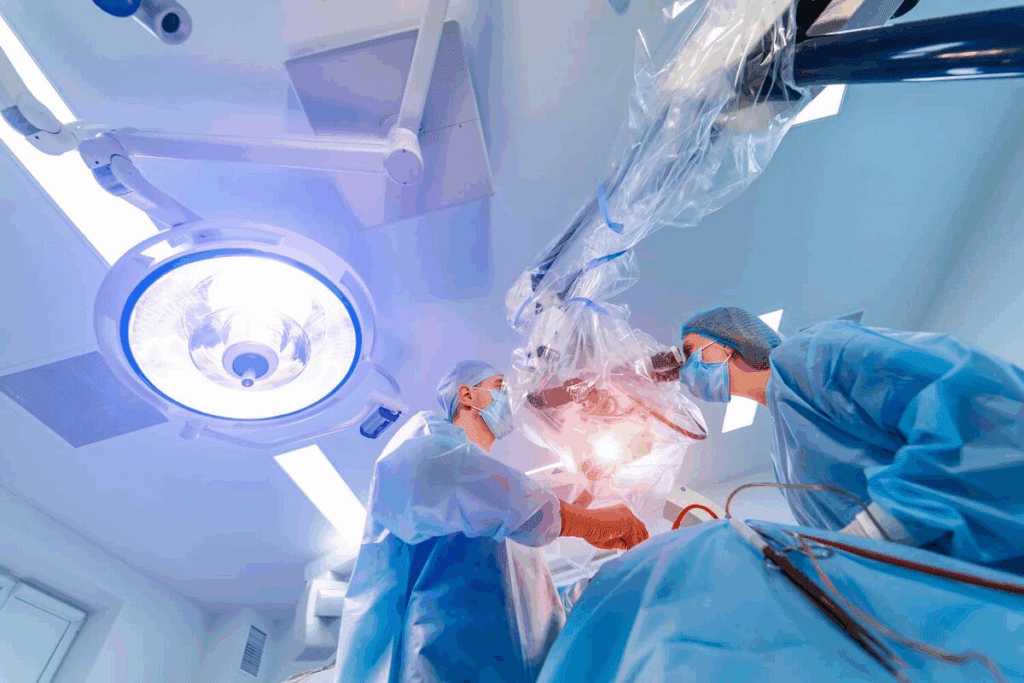
Neurosurgeons are medical experts. They deal with brain, spine, and nervous system issues. They use both surgery and non-surgery methods. They need to know a lot about neurology and surgery.
Some main responsibilities of a neurosurgeon are:
- Diagnosing neurological disorders
- Performing surgical operations on the brain and spinal cord
- Treating conditions such as brain tumors, aneurysms, and spinal disorders
- Conducting research to improve treatment options
Why the Long Training Period is Necessary
The long training for neurosurgeons is needed. Neurosurgery is very complex and delicate. It requires a lot of precision, skill, and knowledge. This training prepares neurosurgeons for many conditions.
| Stage | Duration | Description |
| Undergraduate Education | 4 years | Pre-medical coursework and preparation for medical school |
| Medical School | 4 years | Clinical and theoretical education in medicine |
| Residency | 7 years | Hands-on training in neurosurgery |
| Fellowship (optional) | 1-2 years | Specialized training in a subspecialty of neurosurgery |
Becoming a neurosurgeon takes a lot of time and effort. But for those who love helping patients, it’s a fulfilling career.
High School Preparation: Building the Foundation
High school is key for those dreaming of becoming neurosurgeons. It’s not just a time for learning; it’s a chance to build a strong base. This foundation is vital for success in medical school and beyond.
Essential Subjects to Focus On
High school students should excel in science and math. Biology, chemistry, and physics are vital for understanding the human body. Calculus and algebra help develop problem-solving skills.
Students should aim for Advanced Placement (AP) or International Baccalaureate (IB) courses. These show a higher level of academic commitment.
| Subject | Recommended Courses | Importance Level |
| Biology | AP Biology, IB Biology | High |
| Chemistry | AP Chemistry, IB Chemistry | High |
| Physics | AP Physics, IB Physics | High |
| Mathematics | AP Calculus, IB Mathematics | High |
Extracurricular Activities That Strengthen Your Application
Extracurricular activities can boost a student’s application to pre-med programs. Science fairs, volunteer work, and leadership roles show a student’s commitment and character.
- Science fairs and research projects show a student’s interest in science.
- Volunteer work in healthcare shows empathy and a desire to help others.
- Leadership roles in clubs or organizations show a student’s ability to lead and work with others.
By focusing on key subjects and participating in extracurricular activities, students can build a strong foundation. We encourage students to be proactive and seek opportunities to make their applications stand out.
Undergraduate Education: The First 4 Years
The first four years of college are key for those aiming to become neurosurgeons. It’s a time to meet pre-med needs and prepare a strong application for medical school.
Recommended Pre-Med Majors for Aspiring Neurosurgeons
There’s no single major needed for medical school, but biology, chemistry, or related fields are popular. These majors give a solid science base. They help understand the human body, essential for neurosurgery studies.
Important Courses and Prerequisites
Undergraduate studies should include biology, chemistry, organic chemistry, physics, and math. Taking advanced courses in these subjects can also help. It’s important to check the specific needs of medical schools, as they may require biochemistry or psychology.
- Biology
- Chemistry
- Organic Chemistry
- Physics
- Mathematics
Building a Competitive Application for Medical School
To stand out, students should do well in school and gain clinical experience, conduct research, and join clubs. These steps show dedication to medicine. Research, in particular, proves a deep grasp of medical sciences.
By focusing on these areas, students can prepare well for medical school and their future careers.
Medical School: The Next 4 Years
Medical school is a four-year journey that lays the groundwork for a career in neurosurgery. It’s filled with intense study. Students learn both the theory and practice of medicine, getting ready for residency and more.
First Two Years: Preclinical Education and Neuroscience Fundamentals
The first two years are all about preclinical education. Students learn the basics of medicine, like neuroscience, anatomy, and biochemistry. This knowledge is key to understanding the human body and medical practice.
Neuroscience courses are vital for those aiming to be neurosurgeons. They offer deep insights into the nervous system’s structure and function.
Last Two Years: Clinical Rotations and Neurosurgery Exposure
The second half of medical school is all about clinical rotations. Students get real-world experience in different medical fields. This is a big deal for neurosurgery hopefuls, as it lets them work with seasoned surgeons.
Clinical rotations are where students hone their skills. They learn to make decisions and care for patients, essential for neurosurgery.
USMLE Exams and Their Importance
Throughout medical school, students must pass the USMLE series. These exams are vital for getting a medical license. They also play a big role in the residency matching process.
The USMLE tests if students can apply what they’ve learned to real patient care. It ensures they’re ready for the challenges of medical practice.
By the end of medical school, future neurosurgeons will have a solid medical education. They’ll have seen neurosurgery in action and have the license needed for residency. This is the start of their journey to success in neurosurgery.
How Long Does It Take to Become a Neurosurgeon? The Complete Timeline
Neurosurgery is a very challenging medical field. It takes at least 15 years of education and training after high school. This long time is needed because of the complex and delicate nature of neurosurgical procedures.
Breakdown of Years by Educational Stage
The path to becoming a neurosurgeon includes several stages. These are undergraduate education, medical school, and residency training. Let’s look at each stage in detail:
- Undergraduate Education: Typically 4 years. Aspiring neurosurgeons usually study a pre-med field. They also complete necessary courses for medical school.
- Medical School: Typically 4 years. Medical school combines classroom learning and clinical rotations. It gives a broad education in medicine.
- Residency Training: Typically 7 years. Neurosurgery residency is very competitive. It involves a lot of hands-on training in surgery and patient care.
The total of 15 years is just a minimum. It doesn’t include extra time for fellowship training or research.
Comparing Neurosurgery to Other Medical Specialties
Neurosurgery is one of the most demanding medical fields. It requires a long and intense training program. Let’s compare it with other medical specialties:
| Medical Specialty | Typical Residency Length (Years) | Total Training Time After High School (Years) |
| Neurosurgery | 7 | 15 |
| Cardiothoracic Surgery | 6-8 | 14-16 |
| Orthopedic Surgery | 5 | 13 |
| General Surgery | 5 | 13 |
| Family Medicine | 3 | 7 |
This comparison shows the huge commitment needed to become a neurosurgeon. It reflects the field’s complexity and the high level of expertise required.
Applying for Neurosurgery Residency: The Competitive Process
Applying for neurosurgery residency is tough. You need to show you’re smart, skilled in clinics, and have done research. You also need to show you’re a good fit for neurosurgery.
Building a Competitive Application
A strong neurosurgery residency application starts with good grades and high USMLE scores. Candidates must have a strong academic record. Also, having experience in neurosurgery or related fields is key.
Doing research is important too. It shows you can make new discoveries in neurosurgery. Publications in reputable journals and presentations at conferences help a lot.
The Interview Process
The interview is a big part of applying for neurosurgery residency. It’s where you show you know your stuff and fit the specialty. Candidates are interviewed by neurosurgeons who check your skills and personality.
To do well, be ready to talk about your experiences, research, and goals. Show you really get neurosurgery and its challenges.
“The interview process is an opportunity for both the candidate and the program to assess their compatibility and future success in neurosurgery.”
Match Day and Next Steps
Match Day is when you find out where you’ll do your residency. It’s a big moment, moving from medical school to residency.
After Match Day, you start your neurosurgery residency. It’s a tough but rewarding path. You’ll learn from top neurosurgeons and grow your skills and knowledge.
Neurosurgery Residency: The Intensive 7-Year Training Period
Neurosurgery residency is a tough 7-year program. It prepares future neurosurgeons with the skills they need. This time is key for learning the complex skills needed for surgeries and caring for patients.
Structure of a Typical Neurosurgery Residency Program
A neurosurgery residency program starts with basic surgical skills. It then moves to more complex surgeries. Residents learn from experienced neurosurgeons, getting to know the specialty well.
Key Components of Neurosurgery Residency:
- Clinical rotations in various neurosurgical subspecialties
- Hands-on surgical experience
- Patient care and management
- Research opportunities
- Didactic education through lectures and seminars
Year-by-Year Progression of Skills and Responsibilities
The 7-year program builds a resident’s skills in neurosurgery step by step. Here’s how it progresses:
| Year | Skills and Responsibilities |
| 1-2 | Basic surgical skills, patient assessment, and fundamental neurosurgical knowledge |
| 3-4 | Assistance in complex neurosurgical procedures, increased responsibility in patient care |
| 5-7 | Lead surgeon in selected procedures, advanced patient management, and research participation |
Work Hours and Lifestyle During Residency
Neurosurgery residency is demanding, with long hours and high-stakes decisions. Residents often work over 60 hours a week. They also have to be ready to handle emergencies and complex cases.
Despite the hard work, the program supports residents. It helps them grow into skilled neurosurgeons. The training is a journey that sharpens surgical skills and builds judgment and professionalism.
Fellowship Training: Specializing Further
Neurosurgeons can improve their skills by joining fellowship programs. These programs focus on specific areas of neurosurgery. They help neurosurgeons become experts in high-demand fields.
Fellowship training is key for those wanting to specialize. It covers areas like pediatric neurosurgery, neuro-oncology, or spine surgery. These programs last one to two years and offer deep training in complex conditions.
Common Neurosurgical Subspecialties
Neurosurgical subspecialties meet different patient needs. Some include:
- Pediatric neurosurgery, focusing on children’s surgical treatments
- Neuro-oncology, handling brain tumors and related issues
- Spine surgery, focusing on spinal disorders
- Cerebrovascular neurosurgery, treating brain blood vessel conditions
Each area needs specific knowledge and skills. Fellowship training is essential for mastering these.
Length and Structure of Fellowship Programs
Fellowship programs in neurosurgery are intense and detailed. They last one to two years. Fellows work with experienced neurosurgeons during this time.
- Clinical training in the subspecialty
- Participation in surgeries and patient care
- Research opportunities to contribute to the field
- Collaboration with a multidisciplinary team
By the end, neurosurgeons have advanced skills and knowledge. They can offer top-notch care to their patients.
Board Certification and Continuing Education
Getting board certified is a big deal for neurosurgeons. It shows they are experts and really care about their work. This certification is key to proving a neurosurgeon’s skills and knowledge.
The American Board of Neurological Surgery (ABNS) oversees board certification. To get certified, neurosurgeons need to finish their residency, meet certain requirements, and pass a tough exam. This ensures they can give top-notch care to their patients.
Requirements for Board Certification
To qualify for board certification, neurosurgeons must meet a few criteria:
- Finish a neurosurgery residency program approved by the Accreditation Council for Graduate Medical Education (ACGME).
- Follow the ABNS’s ethical and professional guidelines.
- Pass the ABNS’s written and oral exams.
The certification exam is detailed. It checks a neurosurgeon’s knowledge and how they make decisions. Passing it shows they are truly skilled in their field.
Maintaining Certification Throughout Your Career
Board certification isn’t just for beginners. It’s a lifelong commitment to learning and following professional standards. Neurosurgeons must keep up with new medical discoveries through continuing education.
The ABNS makes sure certified neurosurgeons keep learning. They can do this by going to conferences, workshops, and online courses. Keeping their certification shows they are dedicated to the best care for their patients.
Staying updated is vital in neurosurgery. New technologies and methods are always coming out. By keeping up, neurosurgeons can offer the latest and best treatments to their patients.
The Challenges of Becoming a Neurosurgeon
Starting a career as a neurosurgeon is tough. It tests your brain power, physical strength, and emotional toughness. You’ll face a tough educational path, high-stakes training, and demanding work environments.
Academic Demands and Competition
Getting into neurosurgery is very competitive. You need to do well in college and medical school. It’s a long and hard journey.
Medical school is packed with knowledge and skills. You’ll learn a lot about anatomy, physiology, and biochemistry. Clinical rotations give you hands-on experience, but it’s stressful.
Physical and Emotional Challenges
Neurosurgeons face physical and emotional challenges. Surgery is long and requires standing for hours. It’s mentally and physically exhausting.
They also make life-or-death decisions. This can be very stressful. It’s important for them to find ways to cope and have support.
Work-Life Balance and Burnout Prevention
Neurosurgeons need to balance work and life to avoid burnout. Their demanding jobs can take over their personal time. It’s key to take care of yourself and set boundaries.
Preventing burnout includes staying active, practicing mindfulness, and having hobbies. A strong support network helps too. It’s all about managing stress and staying well.
By understanding the challenges, neurosurgeons can prepare better. They can stay well and enjoy their careers.
Career Outlook and Compensation for Neurosurgeons
Neurosurgeons are among the highest-paid doctors, thanks to their advanced training and skills. The need for skilled neurosurgeons is growing. This is due to an aging population and new medical technologies.
Salary Ranges and Progression
The salary for neurosurgeons varies. It depends on location, practice type, and experience. In the United States, they can earn between $600,000 to over $800,000 a year.
Experienced neurosurgeons in private practice or owning their clinics often make more. Those in academia or research might earn less.
Job Market and Opportunities
The job market for neurosurgeons is strong. They can work in hospitals, private clinics, or research places. The flexibility in career options lets neurosurgeons choose what suits them best.
There’s a big demand for neurosurgeons, which will keep growing. This is because of the need for specialized surgical care. Opportunities are not just in cities but also in rural and underserved areas.
Day in the Life of a Practicing Neurosurgeon
Neurosurgeons face a tough yet fulfilling job. They are key in healthcare, needing technical skill, precision, and care for patients.
Typical Work Hours and Schedule
Neurosurgeons work long hours, often more than 40 hours a week. Their days are filled with surgeries, patient talks, and office work. They also have to be ready for emergencies at any time.
Working in neurosurgery is stressful. Neurosurgeons make big decisions that can change patients’ lives. Despite the stress, many find it rewarding to help their patients.
Types of Procedures and Patient Care
Neurosurgeons do many surgeries, like brain and spinal operations. They treat brain tumors, aneurysms, and spinal injuries. They care for patients before and after surgery too.
| Procedure Type | Description | Complexity Level |
| Brain Tumor Surgery | Surgical removal of brain tumors | High |
| Spinal Surgery | Operations to correct spinal issues, such as herniated discs or spinal stenosis | High |
| Aneurysm Clipping | Surgical procedure to treat aneurysms by clipping the aneurysm neck | Very High |
Emergency Cases and On-Call Responsibilities
Neurosurgeons must be ready 24/7 for emergencies. They handle cases like brain injuries and spinal problems that need quick surgery. They make fast, important decisions with little information.
Being on call is tough. Neurosurgeons take turns to be ready for emergencies. They need medical knowledge and the ability to stay calm and make critical decisions.
Conclusion:
Becoming a neurosurgeon is a big step that takes a lot of time, effort, and dedication. The path is long and tough, filled with years of learning, training, and practice. Yet, for many, the benefits of a neurosurgery career are greater than the challenges. Neurosurgeons have the chance to greatly impact their patients’ lives, often in very important ways. The joy and fulfillment from helping others can make all the hard work worth it. Looking at the timeline to become a neurosurgeon, it’s clear it’s tough. But the end result can be very rewarding. If you’re thinking about this career, know the commitment and rewards involved. Choosing to be a neurosurgeon can change your life and the lives of your patients. The journey is hard, but for many, it’s a career that brings great satisfaction and fulfillment.
FAQ
How long does it take to become a neurosurgeon?
It takes at least 15 years of education and training after high school. This includes four years of college, four years of medical school, and seven years of residency.
What is the role of a neurosurgeon?
Neurosurgeons treat complex brain, spine, and nervous system conditions. They use both surgery and non-surgical methods.
Why is the training period for neurosurgery so long?
The long training is due to the complexity and delicacy of neurosurgery. It requires precision, skill, and deep knowledge.
What subjects should I focus on in high school to become a neurosurgeon?
Focus on sciences like biology, chemistry, and physics. Also, mathematics is key.
What are the typical undergraduate majors for aspiring neurosurgeons?
Biology, chemistry, or related fields are common choices. They provide a strong science foundation.
How long is medical school for neurosurgeons?
Medical school lasts four years. The first two years cover preclinical studies. The last two involve clinical rotations.
What is the purpose of neurosurgery residency?
Residency is a seven-year program. It offers hands-on experience in neurosurgery diagnosis and treatment.
What is fellowship training in neurosurgery?
Fellowship training is one to two years. It allows neurosurgeons to specialize in specific areas.
How do neurosurgeons become board certified?
To get certified, neurosurgeons must complete residency and meet ABNS requirements. They also need to pass a rigorous exam.
What are the challenges faced by neurosurgeons?
Neurosurgeons face intense competition, physical demands, and the need for a work-life balance.
What is the salary range for neurosurgeons?
Neurosurgeons are among the highest-paid. Their salaries reflect their education, training, and expertise.
What is a typical day like for a practicing neurosurgeon?
A typical day includes surgery, patient consultations, and administrative tasks. It often involves long hours and on-call duties.



 Departments
 Related Videos
 Our Doctors
 News
News