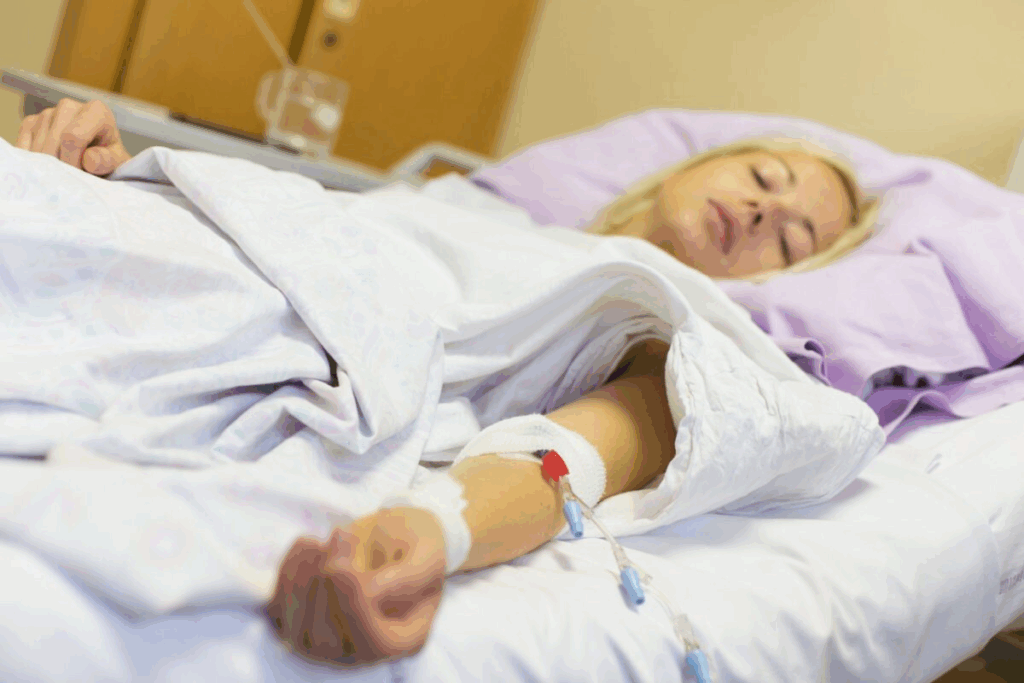
Egg retrieval is a minimally invasive procedure that collects mature eggs from the ovaries. It uses a thin needle under ultrasound guidance. Many women feel bloating and discomfort after this. Guide on how long does it take to recover from egg retrieval and manage symptoms.
At Liv Hospital, we focus on managing symptoms for a smooth recovery. Recovery from egg retrieval usually takes 2-7 days. Most women feel mild discomfort that goes away in a week.
Knowing what to expect during recovery can help you prepare and feel less anxious. In this guide, we’ll cover egg retrieval recovery time, bloating relief, and how to support your body during this phase.
Key Takeaways
- Egg retrieval is a minimally invasive procedure that typically requires 2-7 days for recovery.
- Bloating and discomfort are common symptoms after egg retrieval.
- Managing post-procedure symptoms is key for a smooth recovery.
- Understanding the recovery process can help reduce anxiety.
- Practical steps can be taken to support the body during the recovery period.
Understanding the Egg Retrieval Process and Its Effects

Knowing what happens during egg retrieval can ease worries about bloating and discomfort after. The egg retrieval process is key in assisted reproductive technologies like IVF.
What Happens During an Egg Retrieval Procedure
Egg retrieval is done under sedation or light anesthesia to reduce pain. A needle guided by ultrasound is used to get eggs from the ovaries. This usually takes 20-30 minutes.
After the procedure, patients are watched for a short time before going home. Though the procedure is quick, the body’s reaction to the medications can cause symptoms.
Why Bloating Occurs After Egg Retrieval
Bloating after egg retrieval comes from the medications that make ovaries produce more eggs. These drugs can make ovaries big, causing discomfort and bloating. Hormonal changes can also mess with digestion and bowel movements, adding to bloating.
Common Post-Retrieval Symptoms
Women often face various symptoms after egg retrieval. Common ones include:
- Mild abdominal pain or cramping
- Bloating
- Light vaginal spotting or bleeding
- Fatigue
- Mild nausea or dizziness
| Symptom | Frequency | Duration |
|---|---|---|
| Bloating | Common | 2-5 days |
| Mild abdominal pain or cramping | Very Common | 1-3 days |
| Light vaginal spotting or bleeding | Common | 1-2 days |
These symptoms are usually short-lived and go away in a few days. Knowing about these symptoms can help women feel more ready and less worried about what happens after the procedure.
How Long Does It Take to Recover from Egg Retrieval
Recovery from egg retrieval varies for everyone. The time it takes depends on how many eggs were retrieved and how well you handle the procedure.
Typical Recovery Timeline
Most women take 2 to 7 days to recover. They might feel bloated, uncomfortable, and have mood swings. Knowing this can help you plan and manage your days better.
| Day | Common Symptoms | Recommended Actions |
|---|---|---|
| 1-2 | Bloating, mild discomfort | Rest, hydration, light diet |
| 2-3 | Possible spotting, mood swings | Continue hydration, gentle stretches |
| 4-7 | Gradual improvement of symptoms | Resume light activities, monitor symptoms |
Factors That Affect Recovery Time
Several things can change how long it takes to recover. These include:
- The number of eggs retrieved: More eggs can lead to longer recovery.
- Individual pain tolerance: Women with lower pain tolerance may need more time to recover.
- Response to fertility medications: Sensitivity to these medications can affect recovery.
It’s essential to follow the doctor’s instructions and report any concerning symptoms during the recovery period.
When to Expect Bloating to Subside
Bloating is common after egg retrieval and usually goes away in 2 to 5 days. Drinking plenty of water and eating light can help. If bloating doesn’t get better or gets worse, see a doctor.
Understanding the recovery process helps women prepare better. This knowledge lets them plan, manage symptoms, and know when to get medical help.
Recognizing Normal vs. Concerning Symptoms
Some discomfort is normal after egg retrieval. But, some symptoms might mean a serious issue that needs quick attention. It can be hard to tell the difference between normal symptoms and those that need a doctor.
Expected Discomfort and Bloating
After egg retrieval, bloating and discomfort are common. This is because the ovaries swell a bit from the procedure. Mild bloating and cramping usually go away in a few days.
Signs of Ovarian Hyperstimulation Syndrome (OHSS)
About 15% of women might get OHSS, where the ovaries get too big and swell. Symptoms include severe bloating, stomach pain, and quick weight gain. If you see these signs, call your doctor right away.
| Symptom | Normal | Concerning |
|---|---|---|
| Bloating | Mild, manageable | Severe, persistent |
| Abdominal Pain | Mild cramping | Severe, sharp pain |
| Weight Gain | No significant gain | Rapid gain (more than 2 pounds in 24 hours) |
When to Contact Your Doctor
If you have severe stomach pain, heavy bleeding, fever over 100.4°F (38°C), or think you might have OHSS, call your doctor. Spotting serious symptoms early is important for quick help and avoiding problems.
Hydration Strategies to Reduce Bloating
Drinking enough water is key to feeling better after egg retrieval. We suggest focusing on staying hydrated to help your body heal well.
Importance of Proper Fluid Intake
Drinking lots of water helps get rid of extra fluids and aids in healing. Adequate hydration also helps with digestion and prevents constipation. Hormonal changes can make these issues worse.
Medical Expert, a fertility specialist, says, “Drinking enough water is vital for a smooth recovery after egg retrieval.” Keeping your body hydrated is important for your health during this time.
Best Electrolyte-Rich Beverages
Drinking water is good, but adding electrolyte-rich drinks can help even more. Some great choices are:
- Coconut water
- Sports drinks
- Herbal teas
- Clear broths
| Beverage | Electrolytes | Benefits |
|---|---|---|
| Coconut Water | Potassium, Magnesium | Natural hydration, replenishes electrolytes |
| Sports Drinks | Sodium, Potassium | Replenishes lost electrolytes, supports physical activity |
Hydration Schedule for Optimal Recovery
Here’s a hydration plan to help you recover best:
- Drink at least 8-10 glasses of water a day.
- Have electrolyte-rich drinks 2-3 times a day.
- Check your urine; it should be pale yellow or clear.
By sticking to these hydration tips, you can lessen bloating and aid your body’s recovery after egg retrieval. Keep in mind, everyone’s needs are different. Always talk to your healthcare provider for advice that fits you.
Dietary Approaches to Minimize Bloating
Making smart food choices is key to feeling better after egg retrieval. Eating a balanced diet full of nutrients can cut down on inflammation and discomfort. This helps you feel good during your recovery.
Foods That Reduce Inflammation and Bloating
Adding certain foods to your diet can lessen bloating and inflammation. Foods high in antioxidants, like berries and leafy greens, are great. Also, foods with omega-3 fatty acids, such as salmon and walnuts, help fight inflammation.
It’s also good to eat electrolyte-rich foods to replace lost salts. Bananas, avocados, and nuts are good choices. Drinking electrolyte-rich drinks is also important.
Foods to Avoid During Recovery
Some foods can make bloating and discomfort worse. Avoid high-sodium foods and carbonated drinks because they can cause water retention and gas. Also, cut down on high-fiber foods and dairy to reduce bloating, but this might not work for everyone.
Stay away from processed foods and sugary snacks too. They can cause inflammation and upset your stomach. Eating whole, nutrient-rich foods helps you recover better.
Balanced Meal Plan for the First Week
Having a balanced meal plan for the first week after egg retrieval can help manage bloating. Include lean proteins, complex carbs, and lots of fruits and veggies. Here’s a sample meal plan:
- Breakfast: Oatmeal with banana and almond milk
- Lunch: Grilled chicken salad with mixed greens, avocado, and whole grain crackers
- Dinner: Baked salmon with quinoa and steamed vegetables
- Snacks: Greek yogurt with berries, or carrot sticks with hummus
Drinking plenty of water all day is also key. By changing your diet, you can reduce bloating and aid your body’s recovery.
Physical Comfort Measures After Egg Retrieval
Managing comfort after egg retrieval is key for a smooth recovery. The post-procedure period can be tough, but there are ways to ease discomfort and relax.
Clothing Recommendations for Reduced Pressure
Wear loose, comfy clothes for the first week after egg retrieval. Loose clothing prevents extra abdominal pressure, which can make bloating and discomfort worse. Choose soft, breathable fabrics that move well and don’t squeeze your belly.
Optimal Sleeping Positions
Finding a comfy sleep position is vital for rest and healing. We suggest sleeping on your back with a pillow under your knees to ease belly strain. Or, try sleeping on your side with a pillow between your knees for pressure relief.
Gentle Movement and Stretches for Relief
Doing gentle movements and stretches can ease discomfort and boost blood flow. Short walks or gentle yoga stretches are good. But, avoid hard activities or heavy lifting for at least a week.
Heat and Cold Therapy Options
Heat and cold therapy can help with post-egg retrieval pain. Using a warm heating pad on your lower belly can ease cramps and bloating. A cold compress can also cut swelling. Always check with your healthcare provider on whether to use heat or cold.
By adding these comfort measures to your recovery plan, you can improve your comfort and speed up healing.
Activity Guidelines During Recovery
After egg retrieval, it’s important to follow activity guidelines. This helps reduce discomfort and complications. A balance of rest and gentle activity is key for healing and safety.
Returning to Work Safely
Most women can go back to work a day after egg retrieval. The procedure is usually done as an outpatient. But, it’s wise to take it easy for 24 to 48 hours.
If your job is physically demanding, you might need more time off. This ensures a comfortable recovery.
Appropriate Light Activities for the First Week
In the first week, do light activities that don’t strain your body. Good options include:
- Short walks
- Gentle stretching
- Light housekeeping
- Reading or other quiet hobbies
These activities help you stay comfortable. They also avoid movements that could cause pain or problems.
Exercise Restrictions for 5-7 Days
Avoid strenuous exercise and heavy lifting for 5 to 7 days. This prevents ovarian torsion, a serious condition. High-impact activities and heavy lifting should be avoided to let your body heal.
Preventing Ovarian Torsion
Ovarian torsion is rare but serious. Be aware of the risks and take steps to prevent it. Avoid strenuous activities and watch for sudden, severe pain in your lower abdomen.
If you feel severe pain, call your healthcare provider right away. Quick action is key in managing ovarian torsion.
By following these guidelines, you can lower the risk of complications. This makes your recovery after egg retrieval smoother and more comfortable.
Managing Other Post-Retrieval Symptoms
After egg retrieval, it’s key to manage symptoms for a smooth recovery. Women might face various symptoms that affect daily life. We’ll look at ways to tackle these symptoms effectively.
Addressing Cramping and Discomfort
Cramping is a common symptom after egg retrieval. Mild cramping can be eased with over-the-counter pain relievers like ibuprofen. Always follow the dosage and talk to your doctor if pain doesn’t go away. A warm heating pad on the lower abdomen can also help.
Dealing with Digestive Issues
Digestive problems, like bloating and constipation, are common after egg retrieval. To help, drink lots of water and electrolyte-rich drinks. Eating a balanced diet with fiber can also help with bowel movements.
- Eat small, frequent meals to ease digestion
- Avoid foods that can cause gas and bloating
- Consider a gentle laxative if constipation persists
Managing Hormonal Fluctuations
Hormonal changes after egg retrieval can cause mood swings and fatigue. Adequate rest and relaxation techniques, like meditation or deep breathing, can help. It’s also important to talk to your healthcare provider about any symptoms.
Emotional Wellbeing During Recovery
Emotional wellbeing is as important as physical health during recovery. Connecting with loved ones or joining a support group can offer emotional support. Doing things that bring joy and relaxation can also help reduce stress and anxiety.
By understanding and managing these symptoms, women can greatly improve their recovery. If you have concerns or symptoms last, it’s important to reach out to your healthcare provider for advice.
Conclusion: Creating Your Personalized Recovery Plan
Women can feel confident in their egg retrieval recovery by using hydration, diet, comfort, and activity levels. We’ve shared ways to lessen bloating and ease discomfort. This helps create a recovery plan that fits each person’s needs.
A tailored recovery plan is key to handling post-retrieval symptoms well. Knowing how long recovery takes and using methods to cut down on bloating helps. Women can improve their healing and results. It’s suggested to add these tips to daily life for better health during recovery.
It’s important to be proactive and informed about managing bloating and symptoms. By using the strategies we’ve discussed, women can control their recovery. This makes the process smoother and more comfortable. Our aim is to give women the knowledge and tools to successfully go through egg retrieval recovery.
FAQ
What is egg retrieval, and why does it cause bloating?
Egg retrieval is a procedure where eggs are taken from the ovaries. Bloating happens because the ovaries are stimulated during IVF. This leads to swelling and discomfort.
How long does bloating last after egg retrieval?
Bloating usually goes away in 2-5 days after egg retrieval. But, it can vary. This depends on how many eggs are taken and how your body reacts to the stimulation.
What are the common symptoms after egg retrieval?
Symptoms include bloating, cramping, and discomfort. You might also feel digestive issues. Some women feel emotional changes during recovery.
How can I reduce bloating after egg retrieval?
To lessen bloating, drink lots of water and electrolyte-rich drinks. Eat a balanced diet and avoid hard activities. Gentle movements can also help.
What foods should I avoid during the recovery period?
Avoid foods that cause gas and bloating, like beans and cabbage. Stick to easy-to-digest foods. Fruits, vegetables, and lean proteins are good choices.
When can I return to work after egg retrieval?
Most women can go back to work in a day or two. It depends on how you feel and your job. Listen to your body and don’t rush back to hard work.
What are the signs of Ovarian Hyperstimulation Syndrome (OHSS)?
OHSS symptoms include severe bloating and pain. You might also feel nauseous, vomit, and have trouble breathing. If you notice these, call your doctor right away.
How can I manage cramping and discomfort after egg retrieval?
Try gentle stretches and use heat or cold therapy. You can also take over-the-counter pain meds (check with your doctor first). Wearing loose clothes can help too.
Can I exercise after egg retrieval?
Avoid hard exercise for 5-7 days to prevent ovarian torsion. Short walks are okay, but follow your doctor’s advice.
How can I support my emotional wellbeing during the recovery period?
Rest and use relaxation techniques like deep breathing. Stay connected with loved ones. Follow your doctor’s advice and seek help if you’re feeling down or worried.
References
National Center for Biotechnology Information. Evidence-Based Medical Guidance. Retrieved from https://www.ncbi.nlm.nih.gov/pmc/articles/PMC7493532/