
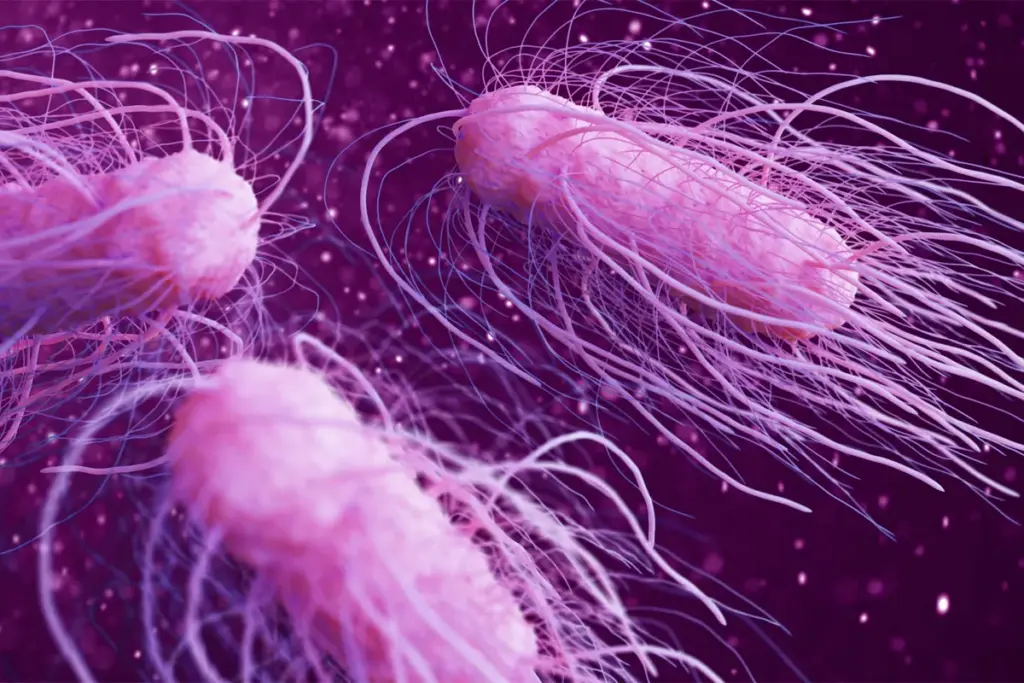
Salmonella infection hits fast, with symptoms showing up in hours to days after eating bad food. Knowing when salmonella symptoms begin and how long the infection lasts is key. It helps spot this common food illness early and avoid serious problems.
Salmonella symptoms usually start 6 hours to 6 days after swallowing the bacteria. Most people get better in 4 to 7 days without treatment. Knowing what to expect means you can get the right medical help fast. This is true whether you have mild stomach issues or severe bloody diarrhea.
Key Takeaways
- Salmonella symptoms typically start within 6 hours to 6 days after infection.
- Most people recover from Salmonella infection within 4 to 7 days without treatment.
- Understanding the incubation period and duration of symptoms is key for early recognition and prevention of complications.
- Seeking medical care promptly is essential if symptoms are severe or if you experience bloody diarrhea.
- Early recognition of Salmonella infection can help prevent dehydration and sepsis.
Understanding Salmonella Infection
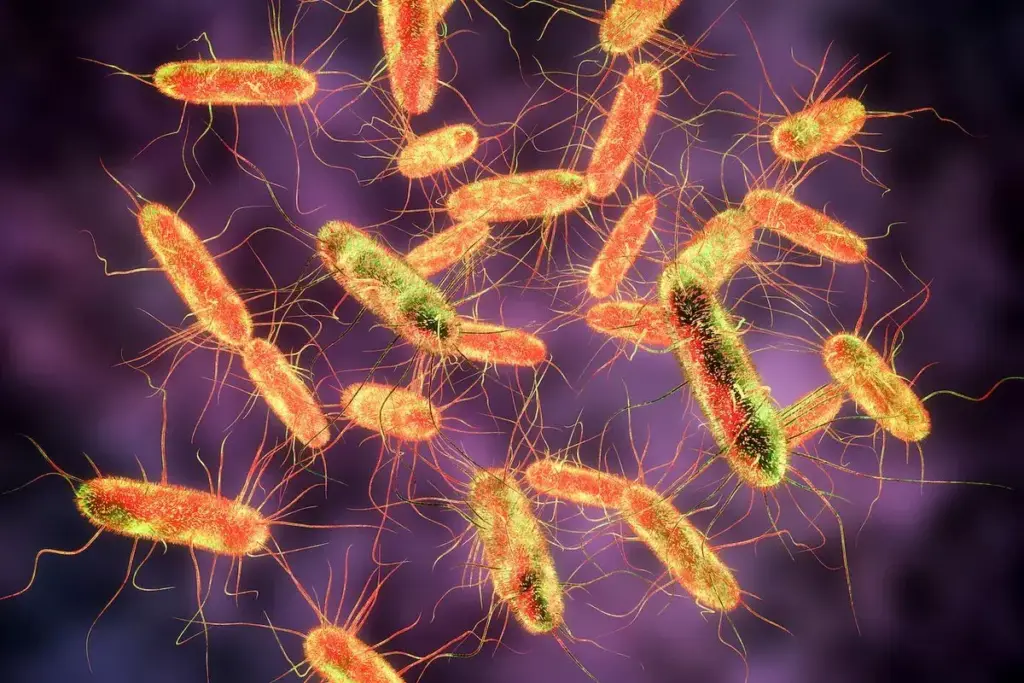
It’s important to know how Salmonella infection spreads to stop it. Salmonella is a bacteria that causes food poisoning. Symptoms include diarrhea, fever, and stomach pain. We’ll explore what Salmonella is and how it spreads.
What Is Salmonella and How Is It Contracted?
Salmonella bacteria spread through contaminated food or water, or by touching infected animals or people. Contaminated food is a big risk, like raw meats, poultry, eggs, and unpasteurized dairy. We get Salmonella by eating or drinking tainted food or water, or touching things with Salmonella germs.
Proper food handling and cooking are key to avoiding Salmonella. Cooking food well and handling it hygienically can lower infection risk.
Common Sources of Salmonella Exposure
Salmonella can come from contaminated food and water, or from infected animals. Raw or undercooked eggs and poultry are very risky because they can have Salmonella. Knowing these sources helps us take steps to prevent it.
| Source | Description | Prevention |
| Raw Meats and Poultry | Can be contaminated with Salmonella bacteria | Handle safely, cook thoroughly |
| Unpasteurized Dairy Products | May contain Salmonella bacteria | Avoid consumption, choose pasteurized products |
| Contaminated Water | Can be contaminated with Salmonella bacteria | Use safe drinking water, treat water if necessary |
Knowing where Salmonella comes from helps us prevent it. We can stay safe by practicing good hygiene, handling food right, and avoiding risky foods.
When Do Salmonella Symptoms Begin to Appear?
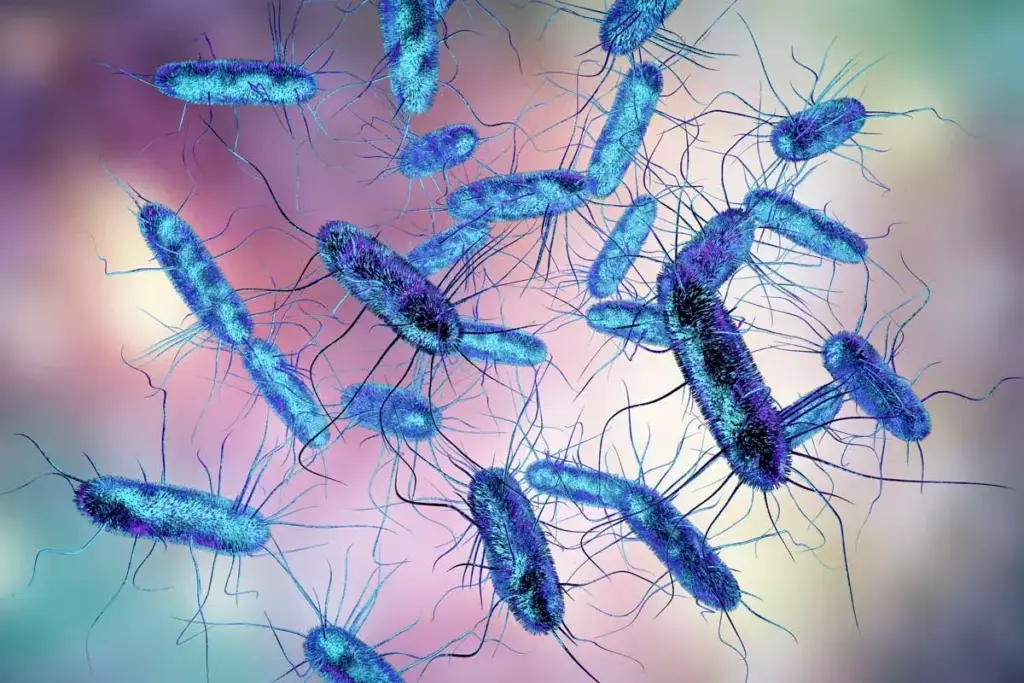
Salmonella symptoms can start within a few hours after eating contaminated food or water. This time frame is called the incubation period.
Typical Incubation Period (6-72 Hours)
The incubation period for Salmonella infection is usually 6 hours to 6 days. Most people show symptoms in 12 to 36 hours. The CDC says this time can change based on how much bacteria you eat and your health.
Knowing the incubation period helps doctors diagnose and treat Salmonella infections better.
First Signs and Symptoms to Watch For
The first signs of Salmonella infection are diarrhea, abdominal pain, fever, and vomiting. These symptoms can be different in everyone and may last for days.
It’s important to know these signs to get medical help if needed. Salmonella can cause serious problems like bloody diarrhea or dehydration. If you have these symptoms, see a doctor right away for the right treatment.
How Long Does Salmonella Last and What to Expect
Understanding how long Salmonella lasts is key to recovery. It helps you know when to get medical help. We’ll cover the typical symptom duration and what recovery is like.
Duration of Common Symptoms
Healthy people usually get better from Salmonella in 4 to 7 days without treatment. But, diarrhea can last up to 10 days. Symptoms vary based on health, infection severity, and any health issues.
Common symptoms and their typical duration include:
| Symptom | Typical Duration |
| Diarrhea | 4-10 days |
| Fever | 2-4 days |
| Abdominal cramps | 2-7 days |
Bloody Diarrhea: When to Be Concerned
Bloody diarrhea means your intestines are inflamed and ulcerated. If you have it, watch your symptoms closely. See a doctor if the bleeding is heavy, doesn’t stop, or with severe pain or fever.
Recovery Timeline and Long-Term Effects
Recovery from Salmonella can take a few days to a week or more. It depends on your health and the infection’s severity. Most people fully recover, but some may face long-term issues like reactive arthritis or IBS.
When to Seek Medical Attention
Get medical help if you have severe symptoms like high fever, bloody diarrhea, or dehydration signs. Also, if your symptoms get worse or last too long, see a doctor for help.
Conclusion
Knowing when Salmonella symptoms show up is key to getting better. Symptoms usually start 12 to 72 hours after getting sick. Most people get better in 4 to 7 days without needing the hospital.
Common signs include stomach pain, diarrhea, and fever. For more on Salmonella, including how it’s caused and treated, check out Temple Health’s Salmonella resource page. This info is important for knowing when to see a doctor if symptoms don’t go away.
By knowing the risks and taking steps to prevent it, we can fight Salmonella. If you think you have Salmonella, knowing how long it lasts and when to get medical help is vital.
FAQ
How long does it take for Salmonella symptoms to show?
Symptoms of Salmonella usually start within 12 to 36 hours. But, they can appear as early as 6 hours or as late as 72 hours.
Does Salmonella cause bloody diarrhea?
Yes, Salmonella can lead to bloody diarrhea. If you notice blood in your stool, you should see a doctor right away.
How long does it take for Salmonella symptoms to start?
Symptoms of Salmonella can start anytime between 12 to 36 hours after you get infected.
What are the first signs and symptoms of Salmonella infection?
Early signs include diarrhea, stomach pain, fever, and sometimes bloody stool.
How long do Salmonella symptoms last?
Most people get better from Salmonella in 4 to 7 days. But, some might have symptoms for longer.
When should I seek medical attention for Salmonella infection?
If you have severe symptoms like bloody stool, high fever, or dehydration, get medical help.
Can Salmonella infection cause long-term effects?
Usually, Salmonella doesn’t lead to long-term problems. But, some people might get reactive arthritis or other issues.
How can I prevent Salmonella infection?
To avoid Salmonella, keep your hands clean, handle food safely, and stay away from sick animals.
References
https://www.bswhealth.com/blog/14-signs-of-liver-damage-you-should-know



 Departments
 Related Videos
 Our Doctors
 News
News