Having burr hole neurosurgery can be scary. Knowing what to expect during recovery is key for everyone involved.
At Liv Hospital, we help you through every step with care and skill. The burr hole operation usually lasts 1-2 hours, based on how complex it is.
The recovery time changes based on several things. These include the condition being treated and the patient’s health. We’ll show you what to look for during the recovery period. This includes the first days after surgery and getting back to normal.
Key Takeaways
- Understanding the recovery process is key for patients and their families.
- The burr hole operation usually takes 1-2 hours.
- Recovery time varies based on the condition and patient health.
- Liv Hospital offers expert care and guidance during recovery.
- Patients can expect a few days in the hospital for recovery.
Understanding Burr Hole Surgery
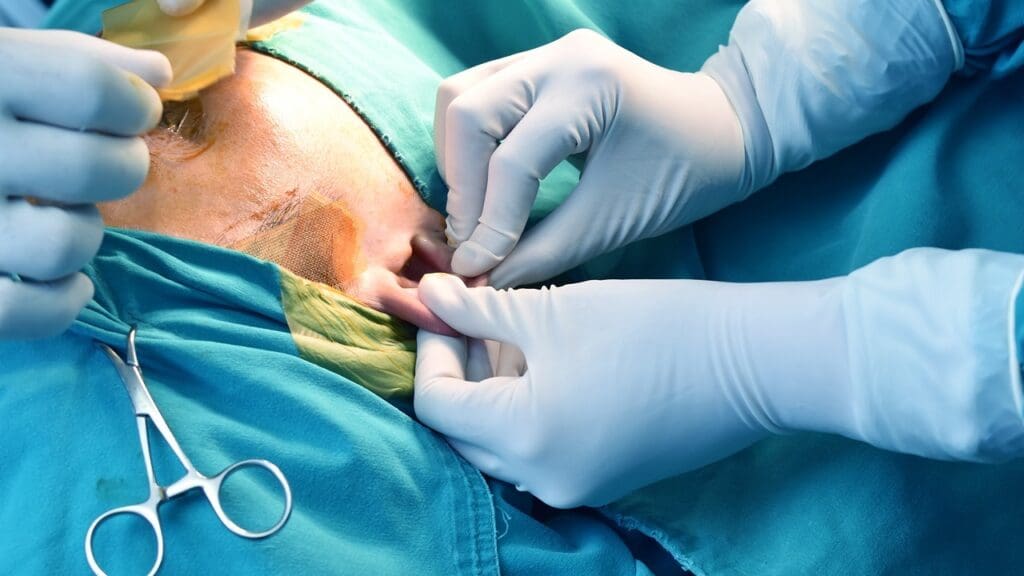
Burr hole neurosurgery is a small, non-invasive surgery. It makes tiny cuts and drills holes in the skull. This is to drain blood or fluid that has built up.
This method helps treat many issues, like chronic subdural hematoma. This is when blood gathers between the brain and skull, putting pressure on the brain.
What Is Burr Hole Surgery?
Burr hole surgery makes small holes in the skull to relieve pressure. This is key for treating conditions that put a lot of pressure on the brain. If not treated, it can cause serious brain damage.
Neurosurgeons use special tools to drill these holes. They aim to drain the fluid or blood, easing the brain’s pressure.
Common Conditions Requiring Burr Hole Surgery
Several conditions may need burr hole surgery, including:
- Chronic Subdural Hematoma: Blood builds up between the brain and skull, putting pressure on the brain.
- Subdural Hygroma: Fluid builds up in the subdural space.
- Intracranial Hemorrhage: Bleeding inside the skull that presses on the brain.
How the Procedure Is Performed
The burr hole procedure is done under general anesthesia. This keeps the patient comfortable and pain-free. Here’s what happens:
- The patient is prepared for surgery, and the scalp is cleaned and sterilized.
- A small incision is made in the scalp to expose the skull.
- A burr hole is drilled into the skull at the right spot.
- The blood or fluid is drained through the burr hole.
- The incision is closed, and the patient is watched as they recover.
The whole process is closely watched to keep the patient safe and ensure the surgery’s success.
The Immediate Post-Operative Period
The first few days after burr hole surgery are key for a smooth recovery. We watch our patients closely to catch any problems early and manage their pain well.
First 24-48 Hours After Surgery
In the first 24 to 48 hours, patients stay in the hospital under close watch. Our medical team checks vital signs and neurological function. They also look for any complications. This quick action helps ensure the best results for our patients.
Hospital Monitoring and Care
The length of the hospital stay depends on the patient’s condition and surgery complexity. Patients are usually watched for several days to catch any immediate surgery issues. Our team offers detailed care, including regular check-ups and addressing any concerns or symptoms.
Managing Pain and Discomfort
Managing pain and discomfort is a top priority right after surgery. We use a mix of medications and other methods to keep patients comfortable. Pain management plans are made for each patient to ensure they get the best care.
By focusing on these important care aspects, we can reduce risks and help our patients recover smoothly from burr hole surgery.
Hospital Recovery Timeline
The time it takes to recover from burr hole surgery varies. It depends on the patient’s health and how well they do after the surgery. We watch our patients closely to help them recover smoothly and safely.
Typical Length of Hospital Stay
Most patients stay in the hospital for a few days to a week after surgery. This time lets our team keep a close eye on them. We can quickly handle any issues that might come up.
Factors influencing hospital stay include the patient’s age, health, and any complications. We look at each case differently to plan the best care.
Factors That May Extend Hospitalization
Some things can make a patient stay longer in the hospital. These include:
- Complications after surgery
- Underlying health issues
- A slow recovery or unexpected reactions to the surgery
We work hard to manage these issues. We team up with patients and their families to tackle any problems and make sure they recover well.
Preparing for Discharge
When patients start to get better, we start getting them ready to go home. This means:
- Teaching them how to care for their wound
- Helping them understand their medication and any side effects
- Setting up follow-up appointments to check on their recovery
We make sure patients and their caregivers have all the info they need. This helps them keep recovering safely at home.
Burr Hole Surgery Recovery Time: What to Expect Week by Week
Knowing how long it takes to recover from burr hole surgery is key. It helps patients plan their recovery and rehabilitation. The healing process takes time, with big improvements seen over weeks.
Week 1: Initial Recovery Phase
In the first week, patients might feel some pain and tiredness. Rest and following post-operative instructions are very important. It’s best to avoid hard work and activities to help the body heal.
Weeks 2-3: Progressive Improvement
By weeks 2-3, patients start to feel better. Symptoms like headaches or nerve problems may lessen. We suggest slowly getting back to normal activities as you feel able.
Weeks 4-6: Approaching Full Recovery
By weeks 4 to 6, most are close to fully recovering. But, everyone heals at their own pace. Regular check-ups with our team help track progress and solve any issues.
When Recovery Takes Longer Than Expected
Recovery can sometimes take longer than expected. Things like the condition being treated, overall health, and age play a role. We offer tailored care and advice to help patients heal as quickly and smoothly as possible.
| Recovery Week | Expected Progress | Recommendations |
|---|---|---|
| Week 1 | Initial recovery, some discomfort | Rest, follow post-operative instructions |
| Weeks 2-3 | Noticeable improvement | Gradually increase activity levels |
| Weeks 4-6 | Approaching full recovery | Attend follow-up appointments |
Most people feel better from their symptoms soon after surgery. They need 2-6 weeks to fully recover. Everyone heals differently, and we’re here to support you every step of the way.
Physical Limitations During Recovery
Recovery from Burr Hole Surgery means following certain physical rules to heal well. Patients need to stick to these guidelines to help their recovery and avoid problems.
Activity Restrictions
After Burr Hole Surgery, patients should avoid hard work. This includes heavy lifting, bending, and exercise. These activity restrictions help prevent too much strain on the body, mainly the surgery area.
- Avoid heavy lifting (more than 10 pounds) for at least 2-4 weeks.
- Don’t bend or strain, as it can raise intracranial pressure.
- Limit activities that involve sudden movements or jarring.
Driving Limitations
Driving limitations are key in post-operative care. Patients usually can’t drive until their doctor says it’s okay. This is usually after the first check-up, when the doctor checks the patient’s condition and any side effects from medicine.
Following these rules is important to stay safe while driving after brain surgery.
Return to Work Timeline
The return to work timeline depends on the job and how well the patient recovers. People with desk jobs might go back sooner than those with jobs that require a lot of physical effort.
- For desk jobs: usually 2-4 weeks after surgery.
- For jobs that are very physically demanding: might need 6-8 weeks or more off work.
Exercise and Physical Therapy Recommendations
Slowly adding exercise and physical therapy helps patients get stronger and move better. It’s important to listen to what your healthcare provider says about how hard and what kind of exercises to do.
- Start with gentle stretching and short walks.
- Move to harder activities as your healthcare provider advises.
- See a physical therapist if your doctor suggests it.
By following these physical rules and guidelines, patients can have a smoother and more effective recovery from Burr Hole Surgery.
Wound Care and Healing
Recovering from burr hole surgery needs the right wound care. It’s key to make sure the wound heals right. This helps avoid problems and gets the best results.
Caring for the Surgical Site
We give patients clear instructions on wound care after surgery. It’s important to keep the area clean and dry. They should wash it gently with mild soap and water.
Key Steps in Wound Care:
- Gently clean the wound with mild soap and water
- Pat the area dry with a clean towel
- Avoid applying harsh chemicals or ointments without doctor’s approval
- Keep the wound covered with a sterile bandage as directed
Do Burr Holes Close? Understanding Skull Healing
Patients often wonder if burr holes close after surgery. The body’s healing process is the answer. Burr holes don’t fully close, but the bone around them heals. The scalp covers the area, making it less noticeable.
| Healing Stage | Description | Timeline |
|---|---|---|
| Initial Healing | The body’s initial response to the surgery, including inflammation and the start of tissue repair. | 0-2 weeks |
| Bone Regeneration | The process by which the bone around the burr holes heals. | Several months |
| Scalp Coverage | The scalp tissue covers the burr holes, reducing visible signs of the surgery. | Varies, typically within a few months |
When to Contact Your Doctor About Wound Concerns
It’s important to watch how your wound heals and call your doctor if you see signs of infection. Look out for redness, swelling, discharge, or fever.
If you notice anything unusual or have wound healing concerns, contact your healthcare provider for help and advice.
Managing Symptoms During Recovery
After Burr Hole Surgery, patients face many symptoms. It’s key to manage these symptoms well. This helps keep patients comfortable and aids in their recovery.
Headaches and Pain Management
Headaches are common after Burr Hole Surgery. Pain management is very important. Your healthcare team will give you a pain plan. This might include medicine and other treatments.
“Pain is the body’s way of saying something’s wrong,” says a neurosurgeon. “Good pain management means fixing the cause, not just hiding the pain.”
Neurological Symptom Improvement
Patients might feel weak, numb, or have brain changes after surgery. It’s important to watch these symptoms and tell your doctor about any changes.
- Keep track of any new or worsening symptoms.
- Follow your healthcare provider’s instructions for managing neurological symptoms.
- Attend follow-up appointments to monitor your progress.
Sleep and Fatigue Issues
Sleep issues and fatigue are common during recovery. Try to sleep at the same time every day. Avoid hard activities before bed. Make your sleep area comfy.
“Rest is a critical component of the recovery process. Patients should prioritize getting enough sleep and avoiding overexertion,” advises a specialist in post-operative care.
Managing symptoms well can make recovery better. It’s important to work with your healthcare team. This way, you can handle any problems that come up during recovery.
Psychological Aspects of Recovery
Recovery from burr hole surgery is not just about physical healing. It also involves emotional and psychological adjustments. Patients may feel a range of emotions during the post-operative period. These feelings can be as challenging as their physical symptoms.
Emotional Changes After Brain Surgery
Patients often experience significant emotional shifts after brain surgery. They might feel anxiety, depression, or even relief and gratitude. The brain’s response to surgery can impact mood and emotional regulation. It’s important for patients and caregivers to be aware of these changes.
Coping Strategies for Patients and Caregivers
It’s key to develop effective coping strategies for emotional recovery. We suggest:
- Maintaining open communication with healthcare providers about emotional changes
- Engaging in relaxation techniques such as meditation or deep breathing exercises
- Staying connected with family and friends for support
- Participating in activities that bring joy and comfort
Caregivers also play a vital role in supporting patients. By being understanding and patient, they help create a supportive environment. This environment fosters emotional healing.
When to Seek Mental Health Support
While emotional changes are normal in recovery, sometimes professional help is needed. If feelings of anxiety or depression last or get worse, seeking help is important. Signs that indicate the need for professional support include:
- Persistent feelings of sadness or hopelessness
- Increased anxiety that interferes with daily life
- Difficulty sleeping or changes in appetite
- Withdrawal from social activities
We are dedicated to providing care that addresses both physical and emotional needs. By acknowledging the psychological aspects of recovery and supporting patients, we help them heal more effectively.
Potential Complications and How to Address Them
Complications after burr hole surgery are rare but can happen. Knowing about them helps manage them well. We aim for a smooth recovery for our patients, but it’s important to understand the risks.
Common Complications After Burr Hole Surgery
Burr hole surgery, like any neurosurgical procedure, has risks. Some common complications include:
- Infection at the surgical site
- Bleeding or hematoma formation
- Neurological deficits or worsening of existing symptoms
- Seizures
- Reaction to anesthesia
Knowing these complications helps us catch them early. We make sure our patients know about these risks and how we try to avoid them.
Warning Signs to Watch For
It’s important to know the warning signs of complications. Patients should look out for:
- Increasing headache or pain not relieved by medication
- Fever or chills
- Redness, swelling, or discharge from the surgical site
- Confusion, drowsiness, or difficulty staying awake
- Weakness or numbness in the face, arm, or leg
- Difficulty speaking or understanding speech
If you notice any of these symptoms, contact your healthcare provider right away.
Emergency Situations Requiring Immediate Care
Some complications can become emergencies. Situations needing immediate medical attention include:
- Sudden severe headache
- Loss of consciousness
- Seizure activity
- Difficulty breathing
- Chest pain or pressure
We tell our patients to go to the emergency room if they have these serious symptoms.
| Complication | Warning Signs | Action Required |
|---|---|---|
| Infection | Fever, redness, swelling, discharge | Contact healthcare provider |
| Bleeding/Hematoma | Severe headache, confusion, weakness | Seek emergency care |
| Neurological Deficits | Weakness, numbness, speech difficulties | Contact healthcare provider |
Medical experts say, “Early detection and prompt management of complications are critical to ensuring the best possible outcomes after burr hole surgery.”
“The key to successful recovery lies in being vigilant about possible complications and seeking medical help when needed.”
Burr Hole Surgery Success Rates and Outcomes
It’s important for patients and doctors to know about burr hole surgery outcomes. This surgery is very effective for many neurological problems. Knowing its success rate helps decide if it’s the right treatment.
Statistical Success Rates
The success rate for burr hole surgery, like for chronic subdural hematoma, is very high. Research shows it can be over 90 percent in some cases. This is good news for those thinking about this surgery.
Factors Affecting Surgical Outcomes
Even though burr hole surgery has a good success rate, results can differ. This depends on the condition being treated, the patient’s health, and any other health issues. Knowing these factors helps set realistic goals and get the best results.
Long-term Prognosis
Most patients see a big improvement in their symptoms after burr hole surgery. But, the long-term outcome depends on the condition and the patient’s health at surgery time.
Patient Testimonials and Experiences
What patients say about their experiences with burr hole surgery is very helpful. Many say their quality of life gets much better after the surgery. For example,
“After my burr hole surgery, I was able to return to my normal activities within a few weeks. The recovery was smoother than I expected.”
These stories show the surgery’s benefits and how it can change lives for the better.
In summary, burr hole surgery is a successful treatment for many neurological issues. Understanding what affects the outcome and long-term results helps patients make better choices about their care.
Conclusion: The Road to Recovery After Burr Hole Surgery
Recovering from burr hole surgery takes time, patience, and support. At Liv Hospital, we know how important it is to care for you fully during this time. Knowing what to expect during burr hole surgery recovery helps patients get through this tough period.
With the right care and support, patients can recover well. We aim to give top-notch healthcare and support to our international patients. This ensures they get the best care on their road to recovery.
Our team is here to help you get back to health after surgery. By following the recovery plan and getting help when needed, patients can have a full recovery.
What is burr hole surgery?
Burr hole surgery is a procedure where small holes are made in the skull. It helps relieve pressure or access the brain.
How long does burr hole surgery take?
The time needed for burr hole surgery varies. It depends on the case’s complexity and the condition being treated. It usually takes a few hours.
What is the typical hospital stay after burr hole surgery?
After burr hole surgery, patients usually stay in the hospital for a few days to a week. This depends on their health and if any complications arise.
Do burr holes close after surgery?
Yes, burr holes do heal with bone regeneration. They are covered by the scalp, which minimizes cosmetic concerns.
What are the activity restrictions after burr hole surgery?
Patients should avoid heavy lifting, bending, and strenuous activities. Their doctor will provide specific guidelines for recovery.
How long does it take to recover from burr hole surgery?
Recovery from burr hole surgery is gradual. Patients see significant improvements over several weeks. It usually takes 4 to 6 weeks to fully recover.
What are the possible complications of burr hole surgery?
Complications can include infection, bleeding, and neurological deficits. It’s important to watch for warning signs and seek immediate care if needed.
What is the success rate of burr hole surgery?
Burr hole surgery is very successful, with a success rate over 90 percent for conditions like chronic subdural hematoma.
How is pain managed after burr hole surgery?
Pain management involves medication and other interventions. The medical team provides guidance to ensure patient comfort.
When can I return to work after burr hole surgery?
Returning to work depends on the job and recovery progress. The doctor will provide specific guidance based on the patient’s situation.
What are the signs of complications after burr hole surgery?
Signs of complications include severe headache, confusion, weakness, or difficulty speaking. Immediate medical care is needed if these symptoms occur.
How is wound care managed after burr hole surgery?
Wound care involves keeping the surgical site clean and dry. The medical team provides specific instructions to prevent infection and ensure healing.