
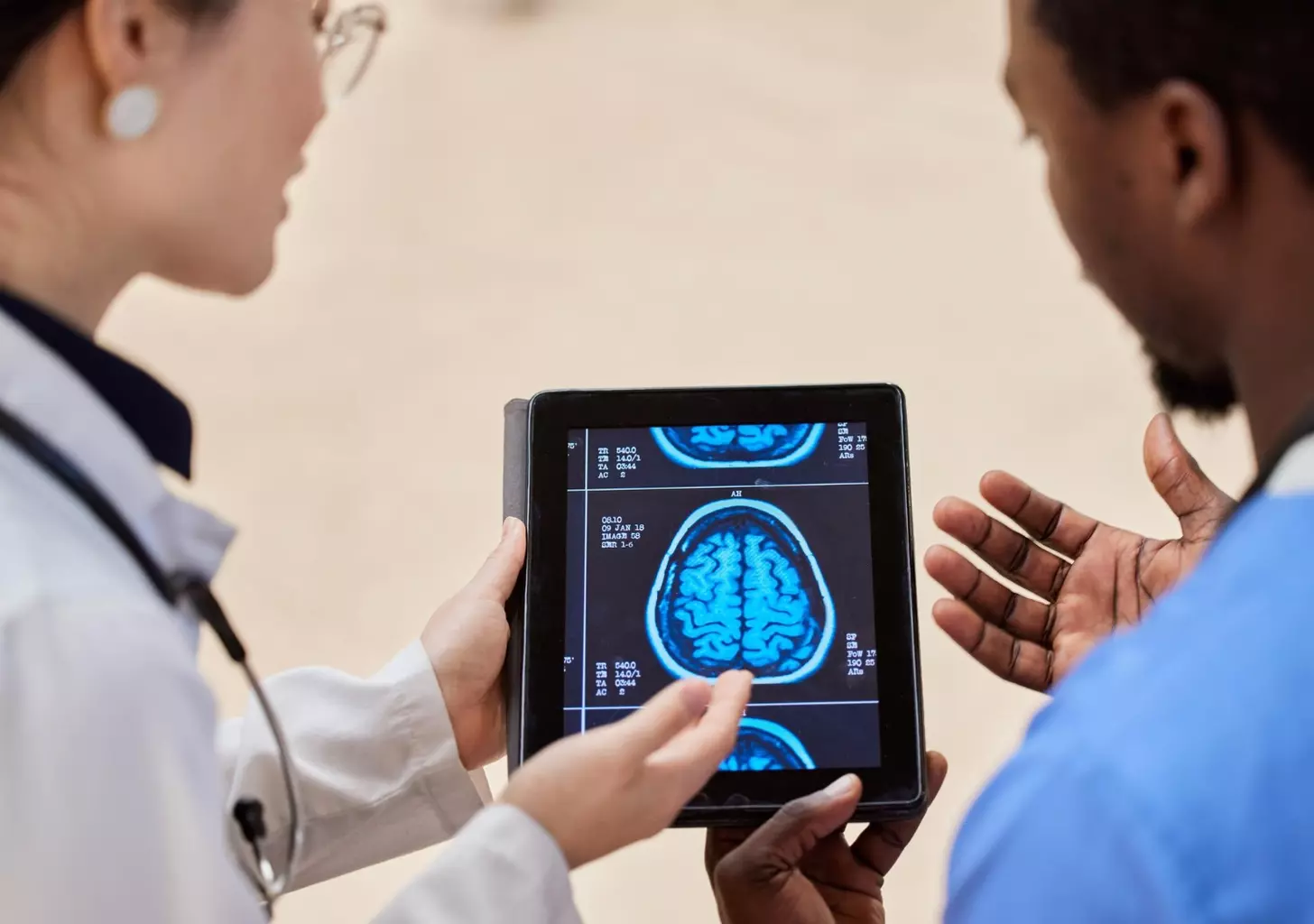
Having a brain biopsy can be scary. Knowing what to expect during recovery is key. At Liv Hospital, we focus on you, guiding you through the recovery period.
The recovery time changes based on the biopsy type and your health. Usually, you’ll stay in the hospital for a few hours to days. Healing the incision site takes weeks.
We know every patient’s path is different. We’re dedicated to top-notch healthcare and support for international patients.
Key Takeaways
- Recovery time varies depending on the type of biopsy and individual health.
- Hospital stay can range from several hours to a few days.
- Full healing of the incision site takes several weeks.
- Liv Hospital provides patient-centered care and support.
- Each patient’s journey is unique, and we tailor our care to fit.
Understanding Brain Biopsies: Purpose and Procedure
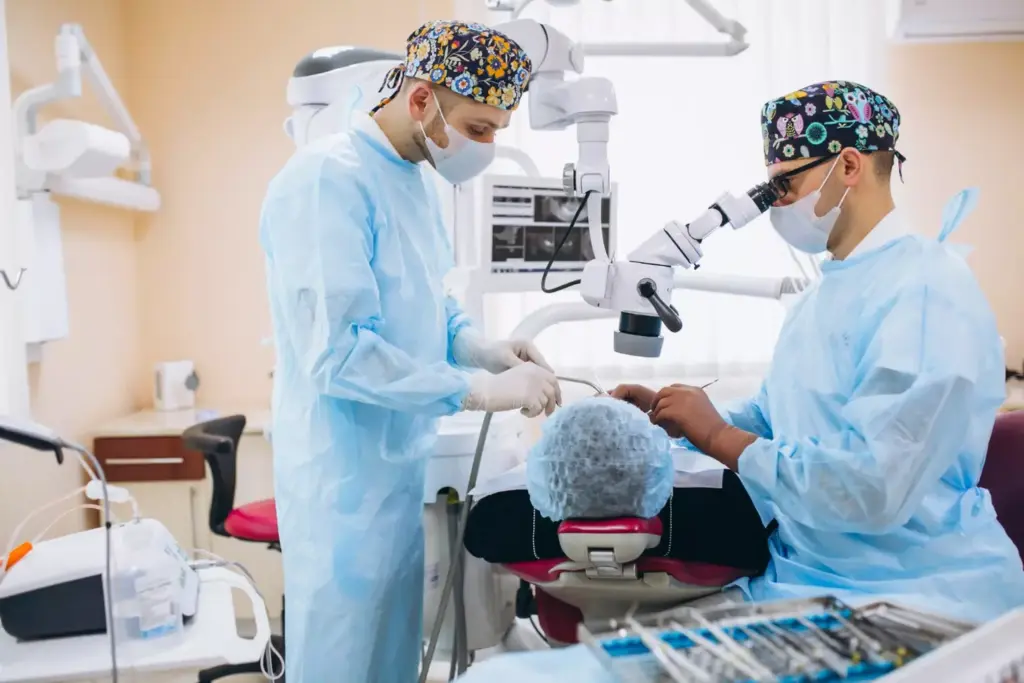
Brain biopsies are key for finding and understanding brain problems. They help diagnose conditions like tumors, infections, and inflammatory diseases. By looking at brain tissue, doctors can figure out the best treatment.
What Is a Brain Biopsy and Why Is It Performed?
A brain biopsy takes a small piece of brain tissue for study. It’s done when other tests don’t give clear answers or when a specific diagnosis is needed. The main aim is to get a precise diagnosis to plan the right treatment.
Brain biopsies are done for many reasons. They help find brain tumors, infections, or inflammatory diseases. They also help figure out why someone has strange neurological symptoms. The results are key to knowing what to do next.
Types of Brain Biopsy Procedures
There are several brain biopsy methods, each for different reasons and techniques. The main ones are:
- Stereotactic Biopsy: A small, precise procedure that uses a frame and imaging to get tissue.
- Open Craniotomy Biopsy: This is a more invasive surgery where the skull is opened to get to the brain.
- Needle Biopsy: A less invasive option that uses a needle to collect tissue.
Knowing about the different brain biopsy methods helps patients understand what to expect. The choice depends on the brain issue’s location, type, and the patient’s health.
We aim to make brain biopsies clearer and less scary for patients. Our goal is to make sure patients are well-informed and supported every step of the way.
How Is a Brain Biopsy Done: The Procedure Explained
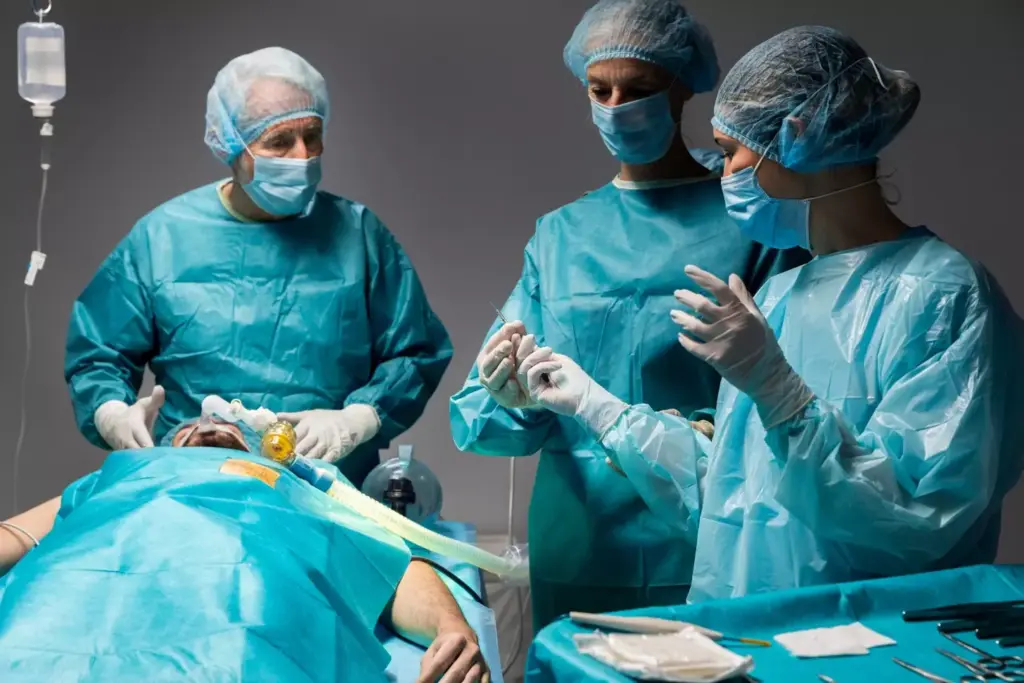
A brain biopsy has several key steps, from getting ready to aftercare. Knowing these steps can make patients feel more ready for the procedure.
Preparation Before the Procedure
Before a brain biopsy, patients get specific instructions. They might need to stop certain medicines that could cause problems. It’s also important to have someone to drive them home after the surgery.
Pre-procedure preparation typically involves:
- Completing any necessary pre-operative tests, such as blood work or imaging studies
- Discussing any allergies or sensitivities with the surgical team
- Reviewing and signing informed consent forms
- Following any specific dietary instructions provided by the healthcare team
During the Biopsy: What Happens in the Operating Room
In the operating room, the patient is under anesthesia. This keeps them comfortable and pain-free. The surgical team uses special tools to find the right spot in the brain for the biopsy.
The team’s skill is key here. They must carefully work through the brain’s complex structures to get the needed tissue samples.
How Long Does a Brain Biopsy Take?
The time it takes for a brain biopsy can vary. It depends on the case’s complexity and the biopsy type. Usually, it lasts from one to several hours.
| Type of Biopsy | Typical Duration | Complexity Level |
|---|---|---|
| Stereotactic Biopsy | 1-2 hours | Moderate |
| Open Biopsy | 2-4 hours | High |
| Endoscopic Biopsy | 1-3 hours | Moderate to High |
We know waiting can be tough. But our team works hard to make the process as smooth and quick as possible.
Brain Biopsy Recovery Time: What to Expect
The time it takes to recover from a brain biopsy can vary a lot. This depends on the type of procedure done. We want to help you know what to expect during this time.
Hospital Stay Duration for Different Types of Biopsies
The time you spend in the hospital after a brain biopsy changes based on the procedure and your health. For minimally invasive stereotactic biopsies, you might only stay a few hours or overnight. But, if you have an open craniotomy biopsy, you could stay longer, up to several days. This is to make sure you heal well and to watch for any problems.
Full Healing Timeline from Procedure to Complete Recovery
It can take several weeks to fully heal after a brain biopsy. The cut usually takes 2 to 4 weeks to close. But, most people can get back to normal in about a week, mainly after less invasive procedures. It’s important to follow your doctor’s advice to recover well.
Factors That May Extend Recovery Time
Many things can affect how long it takes to recover from a brain biopsy. These include your health, age, any surgery complications, and the biopsy type. For example, older people or those with health issues might need more time. Also, if you have problems like infection or bleeding, it could take longer to get better.
Knowing these factors and listening to your doctors can help you recover faster. This way, you can get back to your usual activities sooner.
Minimally Invasive vs. Open Brain Biopsies: Recovery Differences
The type of brain biopsy done can affect how quickly you heal. Minimally invasive biopsies usually heal faster than open ones. Knowing these differences helps patients prepare for their recovery.
Stereotactic Biopsy Recovery Process
A stereotactic brain biopsy is a less invasive method. It uses a special frame and imaging to guide the surgeon. Recovery from this type of biopsy is usually quicker, with little discomfort. Most people can go back to their usual activities in a few days.
It’s important for patients to follow their post-procedure instructions carefully. This includes watching for infection signs, using pain meds as directed, and slowly increasing physical activity.
Open Craniotomy Biopsy Recovery Expectations
An open craniotomy biopsy involves removing part of the skull to reach the brain. This more invasive method takes longer to recover from. Patients should expect a longer hospital stay and recovery at home.
After an open craniotomy biopsy, patients might feel more pain, swelling, and bruising. Plan for weeks of recovery, avoiding hard activities and following a care plan from your healthcare team.
The recovery differences between these biopsies show why talking to your doctor about your procedure is key. Understanding what to expect helps you prepare and make better care choices.
The First 48 Hours After a Brain Biopsy
Recovery from a brain biopsy starts right away, with the first 48 hours being very important. During this time, patients are watched closely for any signs of problems or changes in their brain. Managing pain well and taking good care of the wound are key for a smooth recovery.
Immediate Post-Procedure Monitoring
Right after the biopsy, patients go to a recovery area. There, doctors and nurses keep a close eye on them. They check vital signs, brain responses, and look for any complications. “The first 48 hours are vital for identifying any issues early,” says why this time is so important.
Pain Management and Medication Protocols
Managing pain is a big part of taking care of patients after surgery. Patients get specific instructions on how to take pain medicine. It’s very important to follow these instructions to stay comfortable and avoid problems. Sticking to the medication plan is key to keeping pain at bay.
Initial Mobility and Activity Restrictions
In the first 48 hours, patients are told to not do too much. They should avoid heavy lifting, bending, or hard exercises. Moving too much can cause bleeding or swelling at the biopsy site. Starting to do normal activities again should be done slowly and with doctor’s advice.
By following these steps and getting help from medical experts, patients can get through the first critical part of their recovery from a brain biopsy.
Week One of Recovery from Brain Biopsy
Starting your first week after a brain biopsy, knowing what to expect at home is key. This time is vital for your healing. Being informed can ease worries and help your recovery go smoothly.
Transitioning Home: What to Expect
After coming home, rest is essential. Having someone with you for a few days can help with daily tasks and watch your health. Always follow your doctor’s advice on medication, follow-up visits, and any warning signs.
Wound Care and Incision Healing
Good wound care is critical to avoid infection and aid healing. We’ll give you clear instructions on how to clean and change your dressing. The incision will take several weeks to heal. Keep the area clean and dry and watch for infection signs like redness or swelling.
Here’s a basic wound care routine:
| Day | Wound Care Activity | Notes |
|---|---|---|
| 1-2 | Keep dressing dry and intact | Avoid getting the dressing wet |
| 3-4 | Change dressing as instructed | Clean the incision site gently |
| 5+ | Continue dressing changes | Monitor for signs of infection |
Daily Activities and Limitations
In the first week, avoid strenuous activities like heavy lifting or exercise. You can slowly get back to your usual activities as your doctor advises. Most people can get back to their normal life in a few weeks, but it depends on you.
Knowing how long it takes to recover from a biopsy and what activities to avoid is important. We’re here to support you, giving you the care and guidance you need for a great recovery.
Brain Biopsy Results: Timeline and Process
After a brain biopsy, patients wait eagerly for their results. These results are key to planning their treatment. We’re here to help you through this important time.
How Long Does It Take to Get Brain Biopsy Results?
The time to get brain biopsy results can differ. Usually, it takes a few days to a week. We tell our patients when to expect their results at the start.
The team looks at the biopsy sample under a microscope. They check for any issues, like tumors. Our pathology team works hard to give you accurate and quick results.
Understanding Your Pathology Report
It’s vital to understand your pathology report. It tells you about your diagnosis. The report will say if a tumor is there and what kind it is.
Here’s what a pathology report might have:
| Report Section | Description |
|---|---|
| Specimen Information | Details about the biopsy sample, including its origin and size. |
| Microscopic Examination | Findings from the microscopic analysis, including cell types and abnormalities. |
| Diagnosis | The final diagnosis based on the biopsy results, including tumor type and grade if applicable. |
Our medical team is ready to talk about your report. We’ll answer your questions and explain your next steps.
Getting your brain biopsy results is a big step. We’re here to support you from diagnosis to treatment and more.
Brain Biopsy Scars and Physical Recovery
Recovering from a brain biopsy involves healing the incision and managing scarring. We’ll help you know what to expect and how to care for your body during this time.
What to Expect Regarding Scarring
The look of a brain biopsy scar can change based on the biopsy type and healing. Modern surgery, like stereotactic biopsy, uses small cuts to reduce scarring. Usually, the scar is small and may fade with time.
The scalp’s healing and hair covering the scar can affect its visibility. Sometimes, the scar is almost invisible, if the hair isn’t cut during surgery.
Scar Management and Minimization Techniques
Good scar care starts right after surgery. Keeping the incision clean and following the doctor’s wound care advice is key. Some might use topical treatments to help healing and reduce scar look.
For others, extra treatments like silicone gel or sheeting might be suggested. These can help lessen the scar’s appearance.
Knowing about scarring and taking steps in scar care can help your recovery. It can also make your head biopsy scar less noticeable in the long run.
Potential Complications and Safety Concerns
Brain biopsies are usually safe, but there are risks. It’s important to know about these risks and how to avoid them. This knowledge helps ensure a good outcome.
Is Brain Biopsy Dangerous? Understanding the Risks
A brain biopsy, like any surgery, has risks. These can include infection, bleeding, and changes in the brain. We do everything we can to avoid these risks. This includes careful patient checks and precise surgery.
Choosing to have a brain biopsy is a big decision. It’s about weighing the benefits against the risks. Often, the biopsy is key to diagnosing and treating serious brain issues.
Common Complications After Brain Biopsy
Some common issues after a brain biopsy are:
- Infection at the surgical site
- Bleeding or hematoma
- Seizures
- Neurological deficits, such as weakness or numbness
While these problems can happen, they are not common. Our team is ready to handle any issues that come up. We aim for the best outcome for each patient.
Warning Signs and When to Seek Immediate Medical Help
It’s key to watch for signs of trouble after a brain biopsy. Look out for:
- Increasing headache or pain
- Fever or chills
- Confusion or changes in mental status
- Weakness or numbness in the face, arm, or leg
If you notice any of these symptoms, get medical help right away. Quick action can prevent serious problems and help you recover faster.
Recovery plans are made to lower risks and complications. By carefully following post-op instructions and going to follow-up visits, patients can greatly reduce their risk of problems.
Conclusion: Navigating Your Brain Biopsy Recovery Journey
Recovering from a brain biopsy needs a deep understanding of the process. Knowing about the recovery after brain biopsy and the brain biopsy healing process helps patients. This knowledge makes their journey to full recovery easier.
Having a brain biopsy can be tough. Our team is dedicated to top-notch healthcare and support. We aim to help our patients get the best results.
Good recovery means knowing the procedure and managing possible complications. We offer complete care and support. This way, our patients can take charge of their recovery and reach their health goals.
FAQ
What is the typical recovery time after a brain biopsy?
Recovery time after a brain biopsy varies. It depends on the procedure type and the patient’s health. Patients usually stay in the hospital for a few hours to days. The incision site heals in several weeks.
How long does it take to get brain biopsy results?
Getting brain biopsy results can take different times. It depends on the analysis complexity. Patients are told when to expect their results. Understanding the pathology report is key for diagnosis and treatment.
What are the differences in recovery between minimally invasive and open brain biopsies?
Minimally invasive procedures, like stereotactic biopsy, have shorter recovery times. They cause less discomfort than open craniotomy biopsies. Open biopsies require longer hospital stays and have longer recovery periods.
What should I expect during the first 48 hours after a brain biopsy?
The first 48 hours are critical for monitoring. Patients are watched for neurological changes or other issues. Pain management is important during this time.
How do I care for the wound after a brain biopsy?
Patients get specific wound care instructions. They learn about pain management and activity limits for the first week. Proper wound care is essential for healing.
Is a brain biopsy a dangerous procedure?
Brain biopsy is generally safe but has risks. These include infection, bleeding, and neurological changes. Patients should be aware of these risks and the measures to prevent them.
What are the common complications after a brain biopsy?
Common complications include infection, bleeding, and neurological changes. Knowing the warning signs is important for preventing serious outcomes.
How can I manage scarring after a brain biopsy?
Advanced techniques aim to minimize scarring. There are methods to manage and reduce scars. Patients are advised on scar care and healing expectations.
What are the activity limitations after a brain biopsy?
Patients are given activity restrictions for a smooth recovery. Knowing these limits is important for managing expectations and preventing complications.
How long does a brain biopsy procedure take?
Procedure duration varies based on case complexity and biopsy type. Patients are informed about the expected procedure time.
FAQ
What is the typical recovery time after a brain biopsy?
Recovery time after a brain biopsy varies. It depends on the procedure type and the patient’s health. Patients usually stay in the hospital for a few hours to days. The incision site heals in several weeks.
How long does it take to get brain biopsy results?
Getting brain biopsy results can take different times. It depends on the analysis complexity. Patients are told when to expect their results. Understanding the pathology report is key for diagnosis and treatment.
What are the differences in recovery between minimally invasive and open brain biopsies?
Minimally invasive procedures, like stereotactic biopsy, have shorter recovery times. They cause less discomfort than open craniotomy biopsies. Open biopsies require longer hospital stays and have longer recovery periods.
What should I expect during the first 48 hours after a brain biopsy?
The first 48 hours are critical for monitoring. Patients are watched for neurological changes or other issues. Pain management is important during this time.
How do I care for the wound after a brain biopsy?
Patients get specific wound care instructions. They learn about pain management and activity limits for the first week. Proper wound care is essential for healing.
Is a brain biopsy a dangerous procedure?
Brain biopsy is generally safe but has risks. These include infection, bleeding, and neurological changes. Patients should be aware of these risks and the measures to prevent them.
What are the common complications after a brain biopsy?
Common complications include infection, bleeding, and neurological changes. Knowing the warning signs is important for preventing serious outcomes.
How can I manage scarring after a brain biopsy?
Advanced techniques aim to minimize scarring. There are methods to manage and reduce scars. Patients are advised on scar care and healing expectations.
What are the activity limitations after a brain biopsy?
Patients are given activity restrictions for a smooth recovery. Knowing these limits is important for managing expectations and preventing complications.
How long does a brain biopsy procedure take?
Procedure duration varies based on case complexity and biopsy type. Patients are informed about the expected procedure time.
References
American Association of Neurological Surgeons (AANS). (n.d.). Stereotactic brain biopsy. Retrieved from https://www.aans.org/patients/conditions-treatments/stereotactic-brain-biopsy
Cancer Research UK. (n.d.). Brain tumour biopsy. Retrieved from https://www.cancerresearchuk.org/about-cancer/brain-tumours/treatments/surgery/biopsy



 Departments
 Related Videos
 Our Doctors
 News
News