
Shingles is caused by the varicella-zoster virus and affects millions globally. Knowing when it’s contagious is key to stopping its spread. Shingles itself isn’t contagious, but the virus can spread through contact with the rash’s fluid.
The contagious period starts when the blisters show up and ends when they dry and scab over, usually in 7 to 10 days. The CDC says the risk drops once the rash crusts over. It’s vital to be careful during this time to protect those who can’t get vaccinated or have weak immune systems.
At Liv Hospital, we focus on educating patients and using proven methods to manage shingles. Knowing when it’s contagious and taking steps to prevent spread helps keep everyone safe.
Key Takeaways
- Shingles is contagious from the moment blisters appear until they dry and scab over.
- The contagious period typically lasts 7 to 10 days.
- Direct contact with the fluid from shingles rash blisters can spread the varicella-zoster virus.
- The risk of transmission decreases once the rash has crusted over.
- Precautions are essential to protect unvaccinated or immunocompromised individuals.
Understanding Shingles and Its Viral Cause
To understand shingles, we need to know about its viral cause, the varicella-zoster virus. This virus is linked to chickenpox. Shingles, or herpes zoster, happens when this virus wakes up again.
What Is Shingles (Herpes Zoster)?
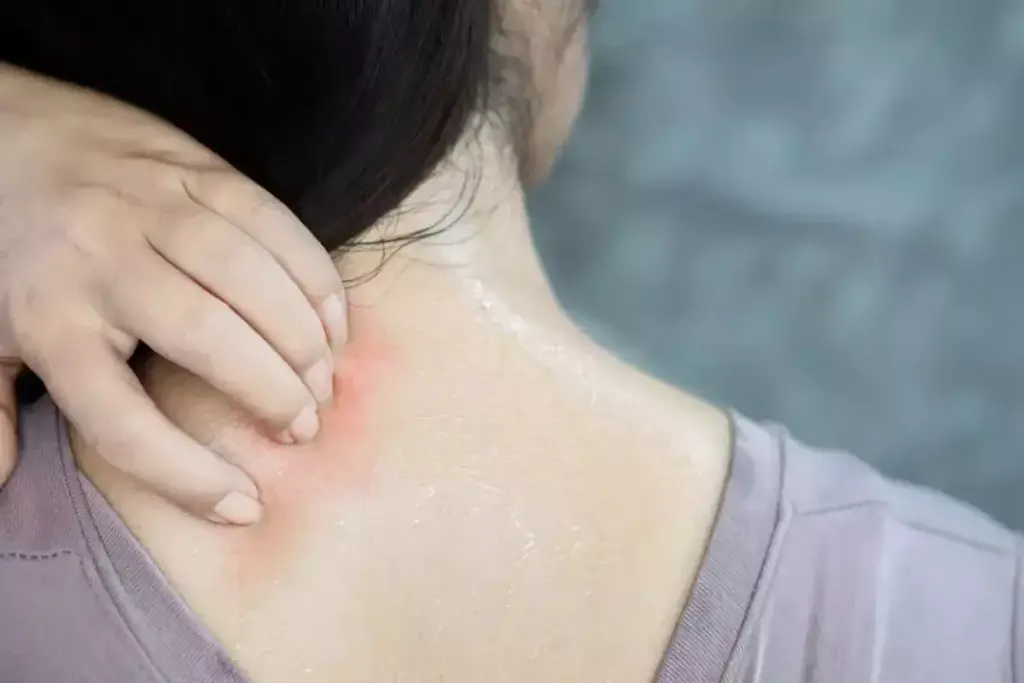
Shingles brings a painful rash, often on one side of the body. It’s caused by the varicella-zoster virus, which first leads to chickenpox. After getting over chickenpox, the virus stays hidden in nerve tissue near the spinal cord and brain.
Almost all Americans born before 1980 have had chickenpox, even if they don’t remember it. The chance of getting shingles goes up with age, mainly after 50. This is because our immune system gets weaker with age, making it harder to keep the virus in check.
The Varicella-Zoster Virus Connection
The varicella-zoster virus spreads easily through direct contact with the rash. But, shingles itself can’t be passed on directly. A person with shingles can give the virus to someone who hasn’t had chickenpox or been vaccinated, causing chickenpox in that person.
It’s key to know that while shingles isn’t contagious, the virus can spread to others who are at risk. This is why it’s important to take steps to stop the virus from spreading, mainly to those who are most vulnerable, like older adults and people with weak immune systems.
When Is Shingles No Longer Infectious?
Knowing when shingles is no longer contagious is key to preventing its spread. Shingles happens when the varicella-zoster virus reactivates. It’s contagious until the rash crusts over. We’ll look at how long it stays contagious, when it’s safe, and how long the virus can live on surfaces.
The Typical Contagious Timeline
Shingles is contagious from when the rash shows up until the blisters dry and scab over. This usually takes 7 to 10 days. During this time, touching the fluid from the blisters can spread the virus to those who haven’t had chickenpox or been vaccinated.
Signs That Indicate Shingles Is No Longer Contagious
When the rash fully crusts over, shingles is no longer contagious. It’s important to watch the rash and wait until it heals completely.
How Long Virus Particles Survive on Surfaces
The varicella-zoster virus is weak outside the body and doesn’t last long on surfaces. The CDC says it’s mainly spread by touching the fluid from the blisters, not through the air or surfaces. But, it’s good to keep clean by washing hands often to reduce any risk.
| Condition | Contagious Status |
| Rash appears | Contagious |
| Blisters start to crust over | Contagious |
| Rash fully crusted over | Not contagious |
How Shingles Spreads and Who Is at Risk
The varicella-zoster virus causes shingles. It can spread to people who never had chickenpox or got vaccinated against it. This usually happens through direct contact with the fluid from shingles blisters.
Transmission Methods and Contact Precautions
Shingles spreads through direct contact with the fluid from the rash blisters. It’s key to keep the rash covered to stop the virus from spreading. People with shingles should avoid contact with individuals who are at high risk of complications, such as pregnant women and those with weakened immune systems.
To lower the risk of spreading the virus, we suggest:
- Keeping the rash covered
- Avoiding touching or scratching the rash
- Washing hands frequently
- Avoiding contact with high-risk individuals
High-Risk Individuals for Virus Transmission
Some groups are more likely to catch the varicella-zoster virus from someone with shingles. These include:
- Individuals who have never had chickenpox
- Pregnant women who are not immune to chickenpox
- People with weakened immune systems
- Newborn babies whose mothers are not immune to chickenpox
It’s vital for these individuals to avoid contact with anyone who has shingles until the rash is fully crusted over.
Shingles vs. Chickenpox Transmission
Shingles and chickenpox are both caused by the varicella-zoster virus. But they spread differently. People with chickenpox are more contagious because they can spread the virus through respiratory droplets, not just through direct contact with the rash fluid.
| Disease | Transmission Method | Contagious Period |
| Shingles | Direct contact with rash fluid | Until rash is crusted over |
| Chickenpox | Respiratory droplets and direct contact with rash fluid | 1-2 days before rash appears until all lesions are crusted over |
Reducing the Contagious Period with Treatment
Treatment is key in shortening how long shingles is contagious. Knowing about treatments helps manage the condition. It also lowers the chance of spreading it to others.
Antiviral Medications and Their Timing
Medicines like acyclovir or valacyclovir can lessen shingles’ severity and length. Starting these drugs within 72 hours of the rash is best. Early use can cut down on contagious time, ease symptoms, and prevent serious issues.
Additional Measures to Prevent Transmission
Along with medicines, there are steps to stop shingles spread. Keeping the rash covered is a must to avoid virus contact. Washing hands often, after touching the rash, is also key. Also, stay away from those at high risk of chickenpox complications, like pregnant women and those with weak immune systems.
Using antiviral treatment and these steps can greatly reduce contagiousness. This helps protect people around you.
Conclusion
Knowing when shingles is contagious is key to stopping its spread. The virus behind shingles can spread until the rash crusts over. This knowledge helps us avoid passing it on to others.
The Shingrix vaccine is very good at preventing shingles. It’s recommended for adults over 50. By getting vaccinated and taking precautions, we can lower the risk of shingles spreading.
Yes, herpes zoster, or shingles, can be spread. But with the right information and precautions, we can control its spread. This protects us and those around us, who might be more at risk.
FAQ
What is shingles, and how is it related to chickenpox?
Shingles, also known as herpes zoster, is caused by the varicella-zoster virus. This virus also causes chickenpox. After you get over chickenpox, the virus stays hidden in your body. It can wake up years later and cause shingles.
Is shingles contagious, and can it be spread to others?
Shingles isn’t directly contagious like other diseases. But, the virus can spread to people who haven’t had chickenpox or been vaccinated. This could make those people get chickenpox.
How long is shingles contagious, and when does it stop being contagious?
Shingles is contagious until the rash crusts over, usually 7-10 days after it starts. Once the rash crusts, the person is no longer contagious.
Can shingles be spread through casual contact or airborne transmission?
Shingles can spread through direct contact with the rash’s fluid. But, it’s not usually spread through casual contact or in the air.
Who is at high risk for contracting the varicella-zoster virus from someone with shingles?
People who haven’t had chickenpox or been vaccinated are at high risk. They can catch the varicella-zoster virus from someone with shingles.
How can the spread of shingles be prevented?
To prevent shingles spread, cover the rash and practice good hygiene. Also, avoid direct contact with people at high risk.
Can antiviral medications reduce the contagious period of shingles?
Yes, antiviral meds can make shingles less severe and shorter. This can also shorten how long it’s contagious.
How long can the varicella-zoster virus survive on surfaces?
The varicella-zoster virus is fragile and doesn’t last long on surfaces. This makes catching it from surfaces unlikely.
Is there a vaccine available to prevent shingles?
Yes, there are vaccines to prevent shingles. Getting vaccinated is a good way to lower your risk of getting shingles and its complications.
Can you get shingles from someone who has shingles?
No, you can’t directly get shingles from someone with it. But, you can get chickenpox if you haven’t had it before or been vaccinated.
How can I minimize the risk of transmitting the varicella-zoster virus to others?
To lower transmission risk, cover the rash and practice good hygiene. Also, avoid direct contact with people at high risk.
Herpes zoster (shingles). In MotherToBaby | Fact Sheets (Bookshelf ID NBK582747). National Center for Biotechnology Information. https://www.ncbi.nlm.nih.gov/books/NBK582747/NCBI