

Knowing the right calorie intake after gastric sleeve surgery is key for losing weight and staying healthy. This surgery makes your stomach smaller and changes how your body handles food and nutrients. Understanding how many calories should I eat after gastric sleeve helps you manage your diet effectively.
At Liv Hospital, we offer full care and support during recovery. We know that good nutrition after surgery is vital for healing and losing weight. Our team helps patients follow a special calorie intake plan. It’s made just for them at each recovery stage.
By knowing bariatric surgery calorie guidelines, patients can manage their nutrition better. This helps them meet their energy needs and succeed in the long run.
Key Takeaways
- Calorie intake after gastric sleeve surgery follows a structured progression.
- Understanding caloric needs at each recovery stage is essential.
- Liv Hospital provides full care and nutritional guidance.
- Effective post-operative nutrition supports healing and weight loss.
- Tailored calorie intake plans meet individual patient needs.
Understanding Gastric Sleeve Surgery and Its Impact on Calorie Needs
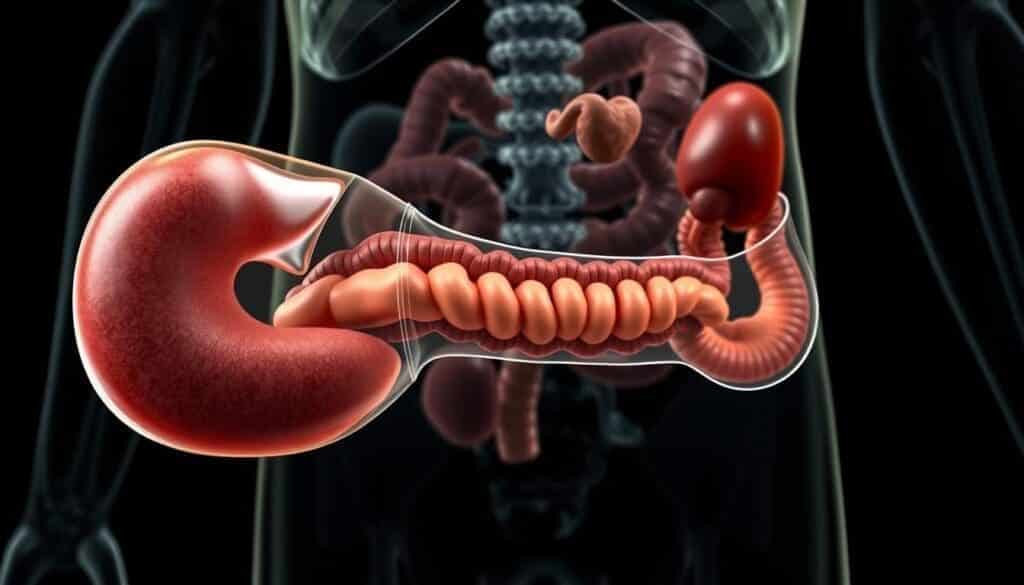
The gastric sleeve procedure removes a big part of the stomach. This changes how the body handles food. It also affects how much food a person can eat and how many calories they need.
How Gastric Sleeve Changes Your Digestive System
Gastric sleeve surgery makes the stomach much smaller. It’s about 80% smaller, leaving a narrow “sleeve” or tube. This means you can’t eat as much and feel full sooner with less food.
Key Changes to the Digestive System:
- Reduced stomach capacity
- Altered nutrient absorption
- Changes in hunger and satiety hormones
Why Calorie Requirements Change After Surgery
After gastric sleeve surgery, you need fewer calories. This is because you eat less food. But, it’s important to make sure you’re getting enough nutrients from what you do eat.
Post-Surgery Phase | Calorie Needs | Nutritional Focus |
Immediate Post-Op | 300-400 calories | Clear liquids, hydration |
Liquid Diet | 400-600 calories | Protein-rich liquids, vitamins |
Pureed Foods | 600-800 calories | Soft, protein-rich foods, nutrient-dense |
It’s key to understand these changes. This helps patients manage their diet well. It’s important for successful weight loss.
The Importance of Proper Calorie Intake for Recovery and Weight Loss

Finding the right amount of calories is key for healing and losing weight after gastric sleeve surgery. It gives the body the energy it needs to recover and helps with weight loss goals.
Balancing Weight Loss Goals with Nutritional Needs
After gastric sleeve surgery, it’s important to balance calorie intake with nutritional needs. This means eating enough calories for the body’s needs but not too many. A well-balanced diet with protein, healthy fats, and complex carbs is vital for this balance.
It’s not just about cutting calories. It’s about getting the nutrients the body needs to work right. Patients should eat nutrient-rich foods to meet their needs while keeping calorie intake in check.
Consequences of Inadequate or Excessive Calorie Intake
Eating too few calories can slow down metabolism, cause muscle loss, and slow recovery. Eating too many calories can stop weight loss and even lead to weight gain. Finding the right balance is key for recovery and weight loss.
Some issues with not enough calories include:
- Fatigue and weakness
- Slowed metabolism
- Muscle loss
- Delayed recovery
Too many calories can cause:
- Hindered weight loss
- Potential weight regain
- Strain on the digestive system
Understanding the importance of proper calorie intake helps patients manage their recovery and weight loss after gastric sleeve surgery.
Immediate Post-Op Phase: How Many Calories After Gastric Sleeve Surgery
After gastric sleeve surgery, a special diet is needed for healing. Patients must watch their calorie intake closely. This helps them recover well and start losing weight successfully.
First Two Weeks: Clear Liquid Diet
In the first two weeks, patients eat a clear liquid diet. They aim for 300-400 calories daily. This diet is gentle on the stomach, helping it heal.
Clear liquids include water, clear broths, and sports drinks. These drinks are full of electrolytes.
Weeks 3-4: Full Liquid Diet
By weeks 3-4, patients move to a full liquid diet. This diet has thicker liquids and more calories. They aim for 400-600 calories daily.
Full liquids include protein shakes, thicker soups, and pureed foods. These are mixed with broth or water.
Tracking Your Intake During the Liquid Phase
Patients need to track their calorie intake during the liquid phase. A food diary or mobile app can help. This ensures they get enough nutrients without eating too much.
It’s also important to watch overall health. If there are any concerns or symptoms, tell the healthcare provider.
By managing calorie intake well, patients can support their recovery. This sets them up for successful weight loss after gastric sleeve surgery.
Transitioning to Soft Foods: Weeks 5-8
Patients move to soft foods around weeks 5-8 after surgery. This is a key time. They start to eat a more varied diet while their stomach heals.
Recommended Calorie Range
The calorie intake goes up to 600-800 calories per day. This helps meet nutritional needs and aids in weight loss and recovery.
Here’s a look at daily calorie intake at different stages post-surgery:
Stage | Days/Weeks Post-Surgery | Calorie Intake |
Liquid Diet | 0-4 weeks | 300-600 calories |
Soft Foods | 5-8 weeks | 600-800 calories |
Solid Foods | Beyond 8 weeks | 800-1000 calories |
Protein-First Approach to Meal Planning
It’s important to eat protein first during this time. Foods high in protein help with healing and feeling full. Good options include scrambled eggs, Greek yogurt, and pureed meats.
Portion Size 6 Months After Gastric Sleeve
Looking ahead to 6 months post-surgery, portion sizes increase. Patients eat more solid foods and learn to balance their meals better.
Transitioning to soft foods is a step-by-step process. It’s about watching calorie intake and focusing on protein. Being mindful of portion sizes helps patients succeed in this phase.
Establishing Regular Eating Patterns: Months 3-6
As patients move forward in their recovery, it’s key to eat regularly. This helps keep nutritional balance and aids in weight loss. They usually eat more calories, focusing on balanced meals and controlling portions.
By three to six months after surgery, patients eat about 800-1,000 calories a day. This slow increase in calories meets their nutritional needs and supports healthy weight loss.
Gradual Increase to 800-1,000 Calories
Reaching 800-1,000 calories is a big step in recovery. It lets patients meet their nutritional needs while losing weight at a healthy pace. It’s important to eat nutrient-dense foods to get the most from each calorie.
To increase calories slowly, focus on protein, vegetables, and whole grains. A balanced diet with a variety of foods ensures patients get all the nutrients they need for good health.
How Much Can You Eat After Gastric Sleeve
Knowing portion sizes is key after gastric sleeve surgery. Patients should remember their stomach is much smaller. Eating too much can cause discomfort and problems.
Patients can usually eat 1-1.5 cups of food per meal six months after surgery. But, this can change based on health and eating habits. It’s important to listen to your body and adjust your portions as needed.
Balancing Macronutrients for Optimal Health
It’s important to balance macronutrients after gastric sleeve surgery. Patients should aim for the right amounts of protein, carbohydrates, and fats. This supports their nutritional needs.
Macronutrient | Recommended Daily Intake | Food Sources |
Protein | 60-80 grams | Lean meats, fish, eggs, dairy, legumes |
Carbohydrates | 100-150 grams | Whole grains, fruits, vegetables |
Fats | 30-50 grams | Nuts, seeds, avocados, healthy oils |
By balancing macronutrients and watching portion sizes, patients can stay healthy and keep losing weight. Regular check-ups with healthcare providers are important. They help ensure patients are getting the nutrients they need and making any necessary changes.
Calculating Your Personal Calorie Needs 6-12 Months Post-Surgery
The first year after gastric sleeve surgery is key for adjusting your calorie intake. Your body’s needs change as you work towards your weight loss goals.
Your calorie needs are unique, based on your age, gender, weight, activity level, and health. Getting your calorie intake right is vital for good nutrition and weight loss.
Factors Affecting Individual Calorie Requirements
Many things affect your calorie needs after surgery. These include:
- Age and gender
- Current weight and body composition
- Activity level and physical performance
- Overall health status and any comorbidities
- Weight loss goals and progress
Knowing these factors helps figure out your calorie needs. For example, someone who’s more active might need more calories to keep losing weight and have enough energy.
Using Bariatric Calorie Calculator Tools
Bariatric calorie calculators are great for guessing your daily calorie needs after surgery. They look at your age, gender, weight, height, and activity level to give you a personalized calorie plan.
Factor | Impact on Calorie Needs |
Age | Metabolic rate decreases with age, potentially lowering calorie needs |
Activity Level | Increased physical activity raises calorie requirements |
Weight Loss Goals | More aggressive weight loss goals may require careful calorie management |
Adjusting for Activity Level and Weight Loss Goals
As you lose weight, you need to adjust your calorie intake. More activity means you might need more calories to keep your energy up and avoid malnutrition.
If you’re not losing weight as fast, you might need to eat fewer calories. This helps you stay on track with your weight loss goals without losing too much nutrition.
By thinking about these factors and using bariatric calorie calculators, you can find out how many calories you need 6-12 months after surgery. This helps you stay healthy and reach your weight loss goals.
One Year and Beyond: Long-Term Calorie Management
Success after gastric sleeve surgery depends on managing calories well. As patients hit the one-year mark, their diet needs change.
Calorie Intake 1 Year After Gastric Bypass
At one year, patients usually eat 1,000-1,200 calories a day. This helps keep their weight stable and supports health.
Key Considerations:
- Balancing macronutrients for optimal health
- Adjusting portion sizes based on individual needs
- Monitoring overall calorie intake
Portion Size 1 Year After Gastric Sleeve
One year after surgery, meals are about 1 to 1.5 cups. This helps manage calories well.
Tips for Managing Portion Sizes:
- Eat slowly and mindfully
- Use smaller plates to control portions
- Avoid distractions while eating
Gastric Sleeve Diet After One Year
A balanced diet is key for long-term success. We suggest three main meals and one to three snacks a day. Aim for 900 to 1,200 calories.
Meal | Recommended Calorie Range | Portion Size |
Breakfast | 200-300 calories | 1 cup |
Lunch | 300-400 calories | 1-1.5 cups |
Dinner | 300-400 calories | 1-1.5 cups |
By sticking to these guidelines, patients can keep their weight off and stay healthy long-term.
Tools and Methods for Tracking Calories After Bariatric Surgery
Tracking calories is key for bariatric patients to lose weight and stay healthy. After surgery, it’s important to watch calorie intake. This ensures they get the nutrients they need while losing weight.
Bariatric Macro Calculator Apps
Bariatric macro calculator apps help track calories and nutrients. They let patients log their food and see how they’re doing. Some top apps include:
- MyFitnessPal
- Lose It!
- MyNetDiary
These apps have a big food database. They make it easy to track calories and nutrients. They also have features like barcode scanning and meal planning.
Food Scales and Measuring Techniques
Food scales and measuring are great for tracking calories. Accurate portion sizes are key. Digital scales are best for weighing food.
To use food scales well, patients should:
- Measure food portions accurately
- Use a digital food scale
- Record food intake in a food diary
Bariatric Weight Loss Calculator by Month
A bariatric weight loss calculator predicts weight loss over time. It considers starting weight, goal weight, and activity level. This helps create a personalized weight loss plan.
Month | Predicted Weight Loss | Calorie Intake |
1 | 10-15% | 800-1000 calories |
3 | 20-25% | 1000-1200 calories |
6 | 30-40% | 1200-1500 calories |
By using these tools, bariatric patients can track calories well. This helps them reach their weight loss goals.
Addressing Weight Regain: How to Lose Weight 2 Years After Gastric Sleeve
After gastric sleeve surgery, weight regain is common. This can happen due to changes in metabolism and diet. It’s a big worry for those who’ve had the surgery, as it can affect their weight loss and health.
Common Causes of Weight Regain After Bariatric Surgery
There are many reasons for weight regain after bariatric surgery. Knowing these reasons is key to keeping weight off. Some common causes include:
- Metabolic Changes: The body can change how it handles calories after surgery.
- Dietary Habits: Going back to bad eating habits can cause weight gain.
- Physical Activity Levels: Less exercise means burning fewer calories, leading to weight gain.
- Stretched Stomach Pouch: The stomach can stretch over time, allowing for bigger meals and weight gain.
How Much Can You Eat 2 Years After Gastric Sleeve
Two years after surgery, you can eat more than right after. But, you can’t eat as much as before surgery. Eating a balanced diet is important for health and keeping weight off.
Patients can usually eat 1-1.5 cups of food per meal. But, this can change based on your stomach size and how you feel. It’s important to watch how much you eat and adjust as needed to keep losing weight.
Recalculating Calorie Needs for Weight Loss Maintenance
To keep losing weight, you need to figure out how many calories you should eat. Use a bariatric calorie calculator or talk to a doctor to find out. This helps you know how many calories you need to eat to keep losing weight.
When adjusting calories, think about your age, sex, weight, height, and how active you are. Checking and changing your calorie intake regularly helps you reach and keep your weight loss goals.
Conclusion: Sustainable Calorie Management for Lifelong Success
Success after gastric sleeve surgery needs a long-term plan for calorie management and healthy eating. It’s important for patients to keep eating nutrient-rich foods, control portions, and eat balanced meals. This helps keep weight off and keeps them healthy.
Managing calories well is essential for lasting success. Eating more protein, vegetables, and whole grains helps meet nutritional needs while keeping calorie intake healthy. Regularly checking and adjusting their diet helps them stay on the right path.
We urge patients to stay alert and active in managing their nutrition. This way, they can enjoy the benefits of their surgery for many years. They will achieve lasting success and better health through smart calorie management.
FAQ
How many calories should I eat after gastric sleeve surgery?
Your calorie needs change as you recover. Start with 300-400 calories on the clear liquid diet. Then, move to 400-600 calories on the full liquid diet. As you eat soft foods, aim for 800-1,000 calories or more.
What is the recommended calorie intake 1 year after gastric sleeve surgery?
A year after surgery, eat about 1,000-1,500 calories. This number can change based on how active you are and your weight loss goals.
How much can you eat after a gastric sleeve surgery?
Your stomach is smaller after surgery. Start with liquids and then soft foods. Eat 1/4 cup to 1 cup per meal.
What is the portion size 6 months after gastric sleeve surgery?
Six months later, eat 1/2 cup to 3/4 cup per meal. Your needs may vary based on your progress and diet.
How do I calculate my personal calorie needs after gastric sleeve surgery?
Use a bariatric calorie calculator to figure out your needs. It considers your activity level and weight loss goals. Always check with your healthcare provider for personalized advice.
What are the common causes of weight regain after gastric sleeve surgery?
Weight regain often happens if you don’t eat well or track calories. Hormonal changes, less activity, or health issues can also play a part.
How much can you eat 2 years after gastric sleeve surgery?
Two years after surgery, you can eat more than in the early stages. Aim for 1-1.5 cups per meal. Your needs may vary based on your health.
How do I use a bariatric macro calculator?
A bariatric macro calculator helps you plan your daily nutrients. Just input your details, and it will show you how much protein, carbs, and fats you need.
What is the gastric sleeve diet after one year?
After a year, eat balanced meals rich in protein, veggies, and whole grains. Stick to a healthy diet to keep losing weight and stay healthy.
How can I track my calorie intake after bariatric surgery?
Use apps, food scales, and measuring tools to track calories. Keeping a food diary or using a mobile app can also help you stay on track.
Reference
National Center for Biotechnology Information. Calorie Intake After Gastric Sleeve: A Guide. Retrieved from https://pubmed.ncbi.nlm.nih.gov/31333944/



 Departments
 Related Videos
 Our Doctors
 News
News