Iron is an essential mineral that helps make red blood cells, which carry oxygen throughout your body. Knowing how much iron supplement should i take depends on your age, gender, and overall health.
At LivHospital, we focus on safe and effective treatment plans tailored to each patient. Our doctors ensure your iron levels are properly managed to avoid deficiency or overload. The right iron intake for women and men can vary, so it’s always best to consult a healthcare professional before starting supplements.
Key Takeaways
- Iron supplement dosage varies based on age, gender, and health needs.
- Consulting a healthcare professional is key to the right iron intake.
- Liv Hospital offers personalized care and advice on iron supplements.
- Iron is vital for making red blood cells and oxygen transport.
- A healthcare professional can guide you on the best iron dosage.
Understanding Your Body’s Iron Requirements
The amount of iron your body needs changes based on age, gender, and health. Iron is key to carrying oxygen and supporting the body. Knowing your iron needs is vital for good health.
Iron Needs Based on Age and Gender
Iron needs differ by age and gender. Adult men need about 8 mg of iron daily. Women of childbearing age need around 18 mg, more because of menstrual blood loss.
A renowned nutrition expert notes, “Women of reproductive age need more iron because of menstrual blood loss.” This is important for keeping iron levels healthy and avoiding deficiency.
Special Considerations for Pregnancy and Health Conditions
Pregnant women need 27 mg of iron daily. This is because the fetus and the mother’s blood volume grow. A study in the Journal of Nutrition says pregnant women are at higher risk of iron deficiency.
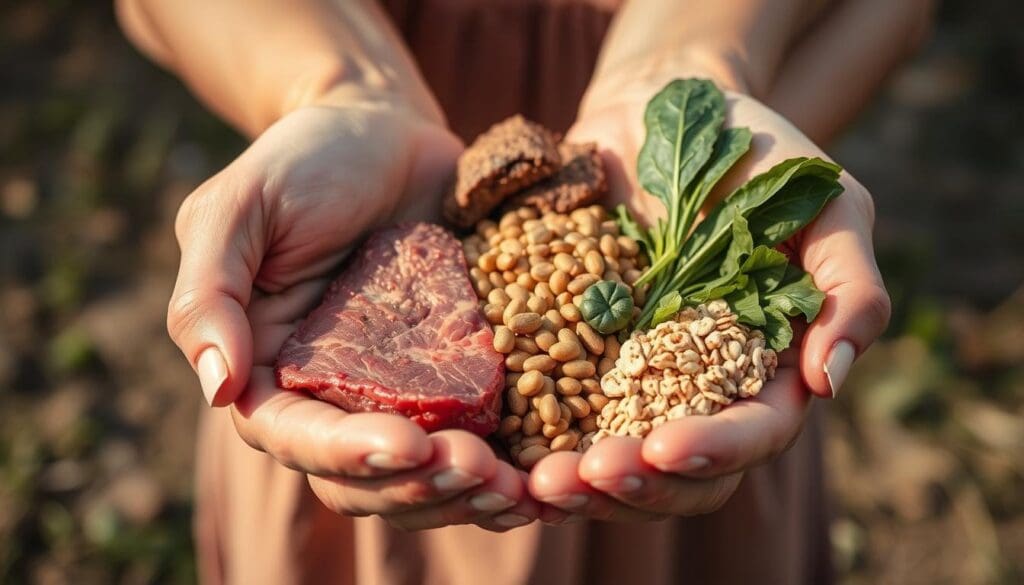
Health issues like celiac disease or gastrointestinal disorders can affect iron absorption. People with these conditions should talk to their doctor about iron supplements.
“The key to safe and effective iron supplementation is understanding your individual needs and health status.” –
A Healthcare Expert
In conclusion, knowing your iron needs is key for safe supplements. Consider your age, gender, and health to find the right iron amount for you.
How Much Iron Supplement Should I Take: Recommended Dosages
The right amount of iron supplement depends on your age and health. Knowing the correct dosage is key to managing iron deficiency and staying healthy.
Standard Daily Iron Intake Guidelines
Daily iron needs change with age, gender, and health. Adults need 8 mg of iron daily, except for women aged 19-50, who need 18 mg. Pregnant women should take about 27 mg every day.
Supplementation Levels for Treating Deficiency
If you have iron deficiency, you might need more iron. Treatment doses can be 30 mg to 120 mg daily. Always follow your doctor’s advice to get the right dose.
Maximum Safe Dosages to Avoid Toxicity
Knowing the safe iron limit is important. Adults should not take more than 45 mg of iron daily. Too much can cause stomach problems and even harm organs. Always talk to a doctor before starting iron supplements.
In summary, finding the right iron supplement dosage is vital. We suggest talking to a healthcare professional to find the best plan for you. This way, you can make sure your iron supplements are both safe and effective.
Signs You May Need Iron Supplementation
Iron deficiency can show up in many ways. Knowing the signs is key to figuring out if you need supplements. People with iron deficiency often face symptoms that affect their daily lives.
Common Symptoms of Iron Deficiency
Common signs include fatigue, weakness, and shortness of breath. Iron is vital for carrying oxygen in the body. Low iron means tissues and organs don’t get enough oxygen, causing these symptoms.
Other signs are pale skin, dizziness, and cold hands and feet. In severe cases, it can lead to serious health problems like a fast heartbeat or a weakened immune system.
When to Consult a Healthcare Provider Before Supplementing
If you’re showing symptoms of iron deficiency, see a healthcare provider before taking supplements. They can find out why you’re feeling this way and suggest the best treatment.
Your doctor might do blood tests to check your iron levels. They can also advise on the right dosage and type of supplement. They’ll consider any interactions with other medicines or health issues.
Some groups, like pregnant women or people with certain health conditions, need special care with iron supplements. A healthcare provider can give tailored advice and help manage any risks or benefits.
By knowing the signs of needing iron supplements and talking to a healthcare provider, you can take care of your health. This helps address any iron deficiency you might have.
Types of Iron Supplements and Their Effectiveness
Iron supplements come in different forms, each with its own benefits. Knowing these differences helps you pick the right one for you.
Ferrous vs. Ferric Iron Supplements
Iron supplements are mainly ferrous and ferric iron. Ferrous iron, like ferrous sulfate and ferrous gluconate, is more easily absorbed by the body. It’s better at treating iron deficiency anemia than ferric iron.
Different Forms: Tablets, Liquids, and Multivitamins
Iron supplements come in various forms to meet different needs. Tablets and capsules are common, while liquid iron supplements are good for kids or those who can’t swallow pills. Iron is also found in multivitamin formulas, providing a full nutritional boost.
Absorption Rates and Bioavailability
The bioavailability of iron supplements changes based on their form and other nutrients. Vitamin C, for instance, helps iron absorption. Here’s a table showing the absorption rates of different iron supplements:
| Type of Iron Supplement | Absorption Rate |
| Ferrous Sulfate | High |
| Ferric Citrate | Moderate |
| Ferrous Gluconate | High |
When picking an iron supplement, think about the type of iron and how it’s absorbed. Consider vitamin C, and when you take the supplement with meals.
Optimizing Iron Absorption Through Diet
Iron absorption can be improved with certain dietary changes. A balanced diet rich in iron can help your body use this nutrient better. Eating a variety of iron-rich foods is key.
Animal-Based Foods Rich in Heme Iron
Heme iron, found in animal products, is easier for the body to absorb than non-heme iron. Red meat, poultry, and seafood are great sources. For instance, clams, beef liver, and sardines are very high in heme iron.
Eating these foods can boost your iron levels. Also, heme iron can help your body absorb non-heme iron better when eaten together.
Plant-Based Options Rich in Non-Heme Iron
Plant-based diets can get iron from non-heme sources. Legumes, nuts, and fortified cereals are good options. For example, lentils, chickpeas, and pumpkin seeds are rich in non-heme iron.
| Food | Iron Content (mg per serving) |
| Lentils (1 cup cooked) | 6.6 |
| Chickpeas (1 cup cooked) | 4.7 |
| Pumpkin Seeds (1 ounce) | 4.2 |
Enhancing Iron Absorption with Vitamin C and Other Nutrients
Vitamin C is key to better iron absorption from plant sources. Eating foods high in vitamin C, like citrus fruits, bell peppers, and strawberries, with iron-rich foods can help a lot.
Other nutrients like vitamin A and beta-carotene also aid in iron absorption. A diet full of whole foods can help keep iron levels healthy.
Making smart food choices can improve iron absorption. It’s all about finding a diet that works for you.
Potential Risks and Side Effects of Iron Supplementation
Iron supplements can be helpful, but knowing the risks is key. They are used to treat iron deficiency. Yet, like any medicine, they can cause side effects.
Common Digestive Side Effects and How to Manage Them
Digestive issues are common with iron supplements. You might feel constipated, nauseous, or have stomach cramps. To ease these, take iron with food. This can lessen stomach upset.
Start with a small dose and slowly increase it. This can also help reduce side effects. Some foods and drinks can affect how well iron is absorbed. For example, vitamin C can help iron absorption. So, eating foods rich in vitamin C with iron can be good.
Signs of Iron Toxicity and Overdose
Too much iron can be dangerous. It can cause iron toxicity or overdose. Signs include severe stomach pain, vomiting blood, and feeling dizzy. In bad cases, it can harm organs and even be fatal.
If you think you’ve taken too much iron, get help right away. It’s a serious situation.
“Iron poisoning is a significant risk, especially in children, who might accidentally take adult iron supplements. Keeping supplements away from kids is key to avoiding overdose.”
-Professionals highlight.
Special Precautions for Certain Medical Conditions
Some people need to be careful with iron supplements. Those with hemochromatosis or iron overload should not take them without a doctor’s say-so. People with stomach problems might need special iron supplements to avoid bad reactions.
Always talk to a doctor before starting iron supplements. They can guide you on the right dose and watch for any side effects or interactions with other medicines.
Conclusion: Creating Your Personalized Iron Strategy
Knowing how much iron you need daily is key for good health. The amount you should get changes with age, gender, and health. Women usually need more iron, like 18 mg a day, than men, who need about 8 mg.
Men do need iron, even if it’s less. Iron deficiency can happen to anyone, not just women. Iron supplements can help those who lack iron or are at risk. But, whether supplements are right for you depends on your health. Always talk to a doctor before starting.
To make an iron plan, know your needs and eat right. Include foods high in iron in your diet. If needed, add supplements. Always check with a doctor to find the best plan for you.
FAQ
Is iron supplementation safe?
Iron supplements are usually safe when taken as directed. Always follow your doctor’s advice. Be aware of possible side effects like stomach problems and iron overdose.
How much iron should I take daily?
The amount of iron you need changes with age, gender, and health. Adult men need about 8 mg daily. Women of childbearing age need around 18 mg. Pregnant women need about 27 mg.
What vitamins help with low iron?
Vitamin C boosts iron absorption, which is good for plant-based foods. Eating foods high in vitamin C, like citrus fruits, with iron-rich foods helps.
Is it good to take iron supplements?
Iron supplements help those with low iron or at risk. Always talk to a doctor first. This ensures you only take what you need.
Are vitamins high in iron effective?
Iron-rich vitamins can help with iron deficiency. Their effectiveness depends on the iron type and presence of vitamin C. Choose a supplement that fits your needs well.
What are the best foods to eat for iron?
Heme iron sources like red meat, poultry, and fish are very good. Non-heme sources like beans and fortified cereals are also great. Eating them with vitamin C-rich foods boosts absorption.
Which vitamin is for iron?
Vitamin C is key for iron absorption. It helps your body take in more non-heme iron, which is important for those with low iron.
How much iron do women need?
Women of childbearing age need about 18 mg of iron daily. This can change based on health and pregnancy.
Do men need iron supplements?
Men usually need less iron, about 8 mg daily. But, some might need supplements for health reasons or iron deficiency.
Is it safe to take an iron supplement?
Taking iron supplements is safe with a doctor’s guidance and the right dosage. Watch for side effects and adjust as needed.
References
StatPearls. (n.d.). Iron Supplementation – NCBI Bookshelf. https://www.ncbi.nlm.nih.gov/books/NBK557376/