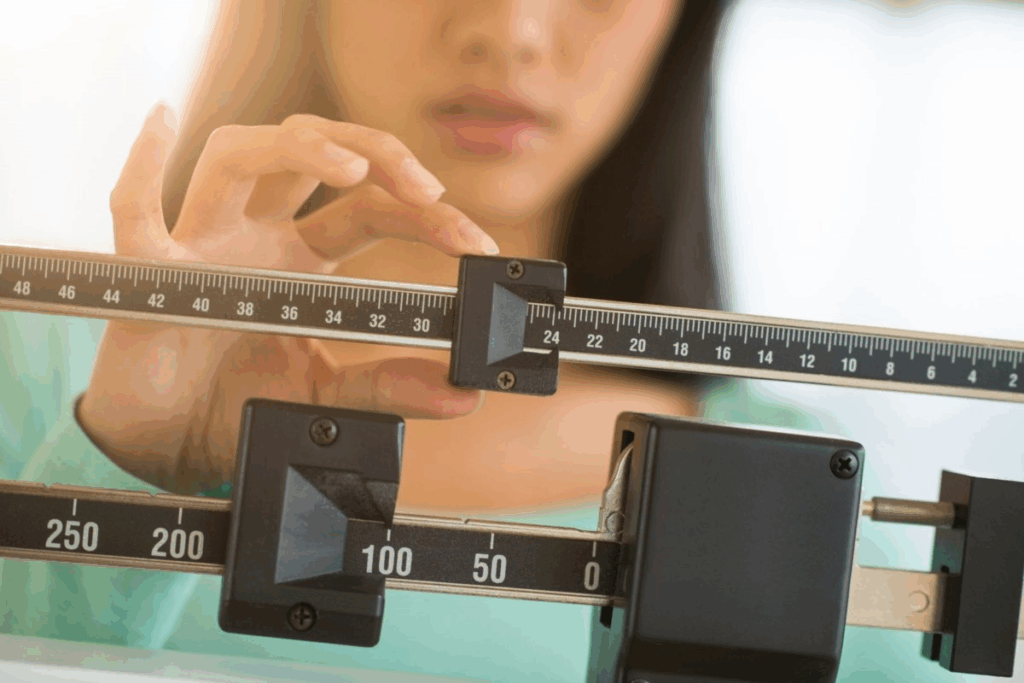
Finding the right weight range by height is key to checking your health. At Liv Hospital, we think knowing your ideal weight is vital. It helps keep you healthy and lowers the chance of getting chronic diseases.
Carrying too much weight can cause serious health problems. Our team works hard to give you care that fits you. We use international standards to help you make smart choices for your health.
Key Takeaways
- Checking your weight against your height is important for staying healthy.
- Being overweight can lead to many illnesses and shorten your life.
- Knowing your ideal weight helps you make better health choices.
- Personalized care and global medical standards support your health journey.
- Getting to a healthy weight is a big step towards feeling well.
Understanding the Relationship Between Height and Weight

Knowing how height and weight relate is key to a healthy life. The right balance between the two shows our health and well-being.
The link between height and weight is more than looks. It affects our health deeply. Body Mass Index (BMI) is a tool doctors use to check weight against height and judge health.
Why Height-Weight Proportions Matter
Height and weight ratios are important for spotting health risks. Calculating your BMI is the first step to see if your weight is healthy, says Mustafa Hussain, M.D.
- BMI helps figure out if your weight is healthy for your height.
- It spots people at risk for health issues because of their weight.
- BMI is used worldwide by doctors, making it a standard measure.
The Science Behind Body Proportions
Body proportions science looks at how measurements like height and weight connect. BMI is found by dividing weight in kilograms by height in meters squared (kg/m). It shows if a person’s weight is healthy for their height.
Even though BMI is helpful, it has its limits. It doesn’t measure body fat directly or consider muscle or body shape. So, doctors often use BMI with other measures for a clearer health picture.
What is Body Mass Index (BMI)?

Body Mass Index (BMI) has been key in checking weight for years. It’s a simple way to see if someone’s weight is healthy for their height. This helps tell if a person’s weight is in a good range.
How BMI is Calculated
BMI is found by dividing weight in kilograms by height in meters squared (kg/m). It’s used because it shows body fat better than just weight. For example, someone who weighs 70 kilograms and is 1.75 meters tall has a BMI of 22.9.
Let’s look at another example. If someone weighs 154 pounds (about 69.8 kilograms) and is 5 feet 9 inches (about 1.75 meters) tall, their BMI is also 22.9. This puts them in the “healthy weight” category.
BMI Categories and Their Meanings
The World Health Organization (WHO) sets BMI categories. These are: underweight (BMI
BMI Category | BMI Range | Health Risks |
Underweight | Less than 18.5 | Malnutrition, osteoporosis |
Healthy Weight | 18.5 – 24.9 | Lower risk of health problems |
Overweight | 25 – 29.9 | Increased risk of chronic diseases |
Obese | 30 or more | High risk of chronic diseases, e.g., diabetes, heart disease |
Medical Expert, an obesity expert, said, “BMI is useful for weight status, but it has limits. It doesn’t measure body fat directly or tell lean body mass from fat.”
BMI is useful, but we must know its limits. For example, athletes with a lot of muscle might have a high BMI without being too fat. So, we should use BMI with other health checks for a full picture of health.
Knowing your BMI and its meaning is key to a healthy weight. It helps lower the risk of health problems related to weight. Always talk to health experts to find a healthy weight that fits you, considering more than just BMI.
Standard Height-Weight Charts Explained
To keep a healthy lifestyle, knowing how to use height-weight charts is key. These charts help figure out if your weight is healthy for your height.
Adult Male Height-Weight Ranges
For adult men, the right weight depends on height. For example, a 5 feet 9 inches tall man should weigh between 125 and 154 pounds. Being too heavy or too light can mean health problems. It’s important to check these charts to find the right weight for your height.
- A male who is 5’6″ (168 cm) should weigh between 118-154 pounds.
- A male who is 6’0″ (183 cm) should weigh between 140-174 pounds.
Adult Female Height-Weight Ranges
For adult women, the healthy weight also depends on height. For example, a 5 feet 4 inches tall woman should weigh between 110 and 140 pounds. Staying within this range is linked to better health.
- A female who is 5’2″ (157 cm) should weigh between 104-135 pounds.
- A female who is 5’8″ (173 cm) should weigh between 125-160 pounds.
How to Read and Interpret These Charts
When using height-weight charts, remember they are just a guide. They are based on averages and don’t consider muscle or body fat. So, it’s important to look at other health signs too.
“While height-weight charts are useful, they are just one tool among many for assessing health. It’s also important to consider factors like waist circumference and body fat percentage.”
— Health Expert
By understanding and using standard height-weight charts, people can better understand their health. This helps them make smart choices about their lifestyle.
How Much Weight Should You Carry for Your Height?
Finding the right weight for your height can be tricky. We’re here to help you figure out your ideal weight range. We’ll also explain what factors affect it.
Determining Your Ideal Weight Range
Your ideal weight isn’t just a number. It depends on your height, body type, and health. For adults, the body mass index (BMI) is often used to estimate ideal weight. But, BMI doesn’t consider muscle or body fat.
Considering your body frame size is a better way. For example, a male of the same height as a female should weigh 10-20% more. This is because males generally have more muscle and bigger bones.
Adjustments Based on Body Frame Size
Your body frame size is key to finding your ideal weight. People with bigger bones or more muscle will weigh more. To adjust your ideal weight, use wrist size to guess your frame.
- For a small frame, subtract 10% from your ideal weight.
- For a large frame, add 10% to your ideal weight.
The Concept of “Healthy Weight” vs. “Ideal Weight”
“Healthy weight” and “ideal weight” mean different things. Healthy weight means a lower risk of health issues. Ideal weight is about reaching a goal, like for sports.
Knowing the difference helps set realistic goals. Focus on a healthy weight that’s good for you and keeps you well.
Specific Weight Ranges for Common Heights
Knowing the right weight for your height is key to staying healthy. Height and weight are closely linked. Understanding this helps you reach a healthy body mass.
Weight Ranges for People 5’0″ to 5’4″
For those 5’0″ to 5’4″ tall, weight varies by body frame size. A 5’0″ woman with a small frame should weigh 95-100 pounds. A large frame should weigh 115-120 pounds. A 4’11” woman with a small frame should aim for 91-95 pounds.
- A 5’2″ woman should weigh 104-109 pounds for a small frame and 125-130 pounds for a large frame.
- For a 5’4″ woman, a small frame should weigh 115-120 pounds, while a large frame should weigh 140-145 pounds.
Weight Ranges for People 5’5″ to 5’9″
As height increases, so does the ideal weight range. A 5’6″ woman’s weight depends on her body frame size. For example, a large frame should weigh 139-143 pounds, while a small frame should weigh 124-128 pounds.
- A 5’8″ person with a small frame should weigh 135-140 pounds.
- For a 5’9″ person, the ideal weight is 145-150 pounds for a small frame and 165-170 pounds for a large frame.
Weight Ranges for People 5’10” and Taller
Taller individuals have a higher ideal weight range. An average weight for an 18-year-old female who is 5’10” or taller is higher. For example, a 5’10” woman with a small frame should weigh 150-155 pounds, while a large frame should weigh 175-180 pounds.
- A 6’0″ tall individual with a small frame should weigh 165-170 pounds.
- For someone 6’2″ tall, the ideal weight is 185-190 pounds for a small frame and 210-215 pounds for a large frame.
Knowing these weight ranges helps set realistic health goals. It ensures a healthy weight for your height and body frame size.
Height-Weight Proportions by Age Groups
The way our body weight relates to our height changes as we get older. As we age, our body composition changes. This includes how much muscle and fat we have, and our bone density. Knowing these changes helps us understand healthy weight ranges for different ages.
Children and Adolescents
For kids and teens, how tall and heavy they are is key to their health. Growth charts track their height and weight against their age. These charts are different for boys and girls because they grow at different rates.
Important things to remember for this age group include:
- Growth spurts during puberty can lead to rapid changes in height and weight.
- Body composition changes, with an increase in muscle mass and bone density.
- Proper nutrition is essential to support healthy growth.
Adults (20-65 years)
For adults, finding the right weight depends on their height and body frame. The body mass index (BMI) is often used to check if someone’s weight is healthy for their height. But, BMI doesn’t measure body fat or muscle directly.
Important things to remember for adults include:
- Maintaining a healthy lifestyle through a balanced diet and regular exercise.
- Monitoring weight changes, as significant weight gain or loss can be a health indicator.
- Adjusting for body composition, as muscle is denser than fat.
Seniors (65+ years)
For seniors, finding the right weight is more complex. This is because they lose muscle, bone density, and body fat changes. Older adults might have more body fat for the same BMI as younger adults.
Important things to remember for seniors include:
- Maintaining muscle mass and strength through appropriate exercise.
- Ensuring adequate nutrition to support bone health and overall well-being.
- Regular health check-ups to monitor and manage any age-related health issues.
Understanding how height and weight change with age is key to a healthy life. By knowing the unique needs of each age group, we can give better advice on average weight and weight ranges by height.
For example, a proper weight for a 5′ female changes with age, body frame, and health. It’s important to talk to healthcare professionals to find the right weight for someone’s specific needs.
Biological Sex Differences in Weight Distribution
Biological sex greatly affects how weight is spread across the body, impacting health. Men and women have different body compositions. This affects their weight distribution patterns.
Male vs. Female Body Composition
Men generally have more muscle mass than women, who have more body fat. Hormones and genetics play a role in this difference.
A male and female of the same height can weigh differently. For example, a 5’4″ woman might weigh between 120-145 lbs. A man of the same height might weigh between 140-170 lbs.
Hormonal Influences on Weight
Hormones are key in how weight is distributed and body composition is shaped. Testosterone in men helps grow muscle and fat around the belly. Estrogen in women promotes fat in the hips, thighs, and buttocks.
These hormonal differences lead to different fat storage patterns. Men often store fat around their midsection, while women store it in their lower body.
- Men: Tend to have more visceral fat around the abdomen, which is associated with higher health risks.
- Women: Tend to have more subcutaneous fat in the lower body, which is generally considered less risky.
Knowing these differences is key to finding a healthy weight. For example, a woman wondering “what should I weigh” should look at her body composition, height, and hormones.
For a woman weighing about 144 lbs, whether this is a good weight depends on her height and body type. Using height-weight charts and considering muscle mass and body fat percentage can help.
Beyond BMI: Alternative Methods to Assess Healthy Weight
There are many ways to measure a healthy weight, not just BMI. BMI is good for a general idea, but it doesn’t tell the whole story. It can’t tell the difference between muscle and fat. Other methods give a clearer picture of health.
Waist-to-Height Ratio
The waist-to-height ratio is a simple but effective way to check health risks. It’s calculated by dividing waist size by height. Studies show it’s better at predicting health risks than BMI. A ratio of 0.5 or higher means higher health risks.
Key benefits of waist-to-height ratio:
- Easy to measure
- Correlates well with visceral fat
- Provides a quick health risk assessment
Body Fat Percentage
Body fat percentage is key to understanding body composition. It’s different from BMI because it looks at fat and muscle separately. For adults, a healthy range is 21-33% for women and 8-24% for men. These numbers can change with age and fitness level.
“Assessing body fat percentage is critical for understanding health risks linked to excess fat, like visceral fat around the belly.”
Nutrition and Health Professionals
Waist Circumference Measurements
Waist circumference is a simple way to check for health risks linked to belly fat. For men, a waist over 40 inches (102 cm) and for women over 35 inches (88 cm) raises disease risks. These include diabetes and heart disease.
To accurately measure waist circumference:
- Stand with your feet together
- Place the tape measure around your natural waistline, just above the belly button
- Take the measurement at the end of a normal breath
Using these alternative methods helps understand health better. It lets people take steps towards a healthier weight.
Health Implications of Being Outside Your Ideal Weight Range
Keeping a healthy weight is key for your overall health. Being outside the ideal weight range can cause many health problems. When your weight is far from what’s recommended for your height, you face more health risks.
Risks Associated with Underweight Status
Being underweight can cause many health issues. These include a weak immune system, osteoporosis, and hair loss. Underweight people may also feel tired, have trouble healing wounds, and lose muscle.
In severe cases, being underweight can lead to serious problems. These include anemia and weaker bones, which can increase the risk of fractures.
Health Concerns Related to Overweight Status
Being overweight increases the risk of serious health problems. These include type 2 diabetes, high blood pressure, and heart disease. Excess weight can also cause joint issues, sleep apnea, and some cancers.
The extra strain on your body can lower your quality of life. It can also lead to higher healthcare costs.
Medical Conditions Linked to Obesity
Obesity is a big risk for serious health issues. These include heart disease, stroke, and certain cancers like breast, colon, and kidney cancer. Obesity can also make existing health problems worse, like osteoarthritis.
It’s linked to a higher risk of metabolic syndrome. The health problems caused by obesity affect both physical and mental health.
It’s important to understand the health risks of being outside your ideal weight range. By knowing these risks, you can take steps to stay healthy. Recognizing the dangers of being underweight or overweight helps you make better health choices. It also encourages you to seek medical help when needed.
Factors That Influence Your Ideal Weight Beyond Height
Many things affect your ideal weight, not just your height. Height is a starting point, but other factors can change what’s considered a healthy weight for you.
Genetic Predispositions
Genetics play a big role in your weight and body shape. They can affect how your body stores fat and how you metabolize food. This means some people might naturally store fat in certain areas.
Research has found many genes linked to weight and obesity. These genes can make it harder for some to lose or keep weight off, even with diet and exercise.
Muscle Mass and Body Composition
Muscle and body composition are key to finding your ideal weight. People with more muscle might weigh more but not be overfat, because muscle is denser than fat.
Looking at body composition, like lean body mass to fat mass, is better than just weight. For example, athletes might weigh more due to muscle, but they could be very healthy based on their body composition.
Ethnic and Racial Variations
Ethnic and racial background also matter for ideal weight. Different ethnicities have different muscle mass, bone density, and fat distribution. This can affect what’s considered a healthy weight for them.
Studies show that certain ethnic groups face health risks at different BMIs or body fat percentages. For example, some Asian populations might face health risks at lower BMIs than Europeans.
These factors show how complex finding your ideal weight is. By looking at genetics, muscle, body composition, and ethnic background, healthcare providers can give better advice on healthy weight.
Weight Management Strategies Based on Your Height
Knowing how to manage your weight based on your height is key for good health. It’s about eating right, staying active, and setting achievable goals.
Caloric Needs by Height and Activity Level
Caloric needs change with height, age, and how active you are. Taller people need more calories because they have more body mass. Use a caloric intake calculator to figure out your daily needs.
For example, a tall, active person needs more calories to keep their weight. Here are some general guidelines:
- For people 5’0″ to 5’4″, the daily caloric needs range from 1,600 to 2,000 calories for women and 2,000 to 2,500 calories for men, depending on activity level.
- For those 5’5″ to 5’9″, the range is from 1,800 to 2,200 calories for women and 2,200 to 2,800 calories for men.
- For individuals 5’10” and taller, the daily caloric needs can exceed 2,200 calories for women and 2,800 calories for men, if they are very active.
Exercise Recommendations for Different Body Types
Exercise is vital for managing weight. The right exercise depends on your body type and height. Mix aerobic exercises like walking with strength training to build muscle.
Taller people might do well with exercises that improve flexibility and balance, like yoga or tai chi. This helps prevent injuries. Here are some exercise tips:
- Aerobic exercises: do at least 150 minutes of moderate-intensity or 75 minutes of vigorous-intensity per week.
- Strength training: do twice a week, focusing on all major muscle groups.
- Flexibility and balance exercises: do 2-3 times a week, if you’re taller.
Setting Realistic Weight Goals
Setting realistic weight goals is key for successful weight management. Aim for specific, measurable, achievable, relevant, and time-bound (SMART) goals. Losing 1-2 pounds a week is a healthy pace.
Keep track of your progress and adjust your plan as needed. Regular check-ins with a healthcare provider can offer valuable advice and support.
Conclusion: Finding Your Healthy Weight Balance
Finding the right weight for your height is key to your health. It’s important for feeling good and staying healthy. We’ve looked at how height, body type, and age affect your ideal weight.
Using height-weight charts and BMI is a good start to find a healthy weight range. We also talked about waist-to-height ratio and body fat percentage. These help you understand your healthy weight balance better.
Keeping a healthy weight is vital to avoid health problems like obesity. Knowing your healthy weight range helps you make better choices. Use this info to make positive changes and keep a healthy weight.
FAQ
What is a healthy weight, and how is it determined?
A healthy weight is based on height, body composition, and frame size. We use BMI, waist-to-height ratio, and body fat percentage to check it.
How do I calculate my BMI, and what does it mean?
Calculate your BMI by dividing your weight in kilograms by your height in meters squared. It shows if you’re underweight, normal, overweight, or obese. It gives a general idea of health risks.
What are the limitations of using BMI to assess healthy weight?
BMI doesn’t consider muscle mass or body composition. It might not be accurate for athletes or those with a lot of muscle. Waist circumference and body fat percentage give a better view.
How much should I weigh if I’m 5’5″?
If you’re 5’5″ (165 cm), a healthy weight is usually 114 to 144 pounds. This depends on your body frame and muscle. Always check with a doctor for a personal assessment.
What is the ideal weight range for a woman who is 4’11”?
For a woman who is 4’11” (150 cm), a healthy weight is 95 to 123 pounds. This varies based on body frame and muscle. Individual factors play a big role.
How does body frame size affect my ideal weight?
Body frame size, small, medium, or large, affects your ideal weight. People with a larger frame can carry more weight. Those with a smaller frame have a lower ideal weight. We take these into account when assessing a healthy weight.
What are the health risks associated with being underweight or overweight?
Being underweight can cause weakened immunity and osteoporosis. Being overweight or obese raises the risk of diseases like diabetes, heart disease, and some cancers. Keeping a healthy weight is key for well-being.
How can I achieve and maintain a healthy weight?
To achieve and keep a healthy weight, eat a balanced diet and exercise regularly. Lifestyle changes are also important. Set realistic goals, track your progress, and get help from healthcare professionals if needed.
What are some alternative methods to assess healthy weight beyond BMI?
Beyond BMI, we use waist-to-height ratio, body fat percentage, and waist circumference. These methods give more insight into body composition and health risks. They help create a fuller picture.
How do genetic predispositions influence my ideal weight?
Genetic predispositions can affect body composition, metabolism, and weight. Knowing your genetic background helps tailor diet and exercise advice. This ensures a healthy weight that fits your needs.
What is the appropriate weight for someone who is 5’6″?
For someone who is 5’6″ (168 cm), a healthy weight range is 125 to 154 pounds. This depends on body frame size and muscle. A healthcare professional can give a more precise weight.
How does muscle mass affect my ideal weight?
Muscle mass is key in determining ideal weight. People with more muscle may weigh more without being overfat. We consider this when assessing a healthy weight.
What are the weight ranges for people who are 5’10” or taller?
For those 5’10” (178 cm) or taller, the healthy weight range varies. It depends on height, body frame size, and muscle. Generally, for someone 5’10”, a healthy weight is between 144 and 174 pounds. But it can vary.
References:
National Center for Biotechnology Information. Ideal Weight by Height: Guide for Health. Retrieved from https://pubmed.ncbi.nlm.nih.gov/19233468/