Discovering a cyst on the brain can be scary. It makes you worry about its impact on your health. At Liv Hospital, our team focuses on you, giving expert care for every case.
Brain cysts are fluid-filled sacs inside the brain. They can be found with an MRI, sometimes by accident or because of symptoms. Even though many benign brain cysts don’t show symptoms, some can lead to headaches, seizures, or vision issues.
It’s important to know about brain cysts, their symptoms, and treatment options. We’ll look into how serious frontal lobe cysts and other cerebral cysts are. We’ll also talk about how to diagnose and care for them.
Key Takeaways
- Brain cysts are fluid-filled sacs that can be detected using MRI.
- Many brain cysts are asymptomatic, but some can cause symptoms like headaches or seizures.
- Benign brain cysts are typically not life-threatening but require monitoring.
- Symptoms of brain cysts can vary depending on their location and size.
- Liv Hospital’s neurology team provides complete care for patients with brain cysts.
Understanding Brain Cysts: What They Are and How They Form
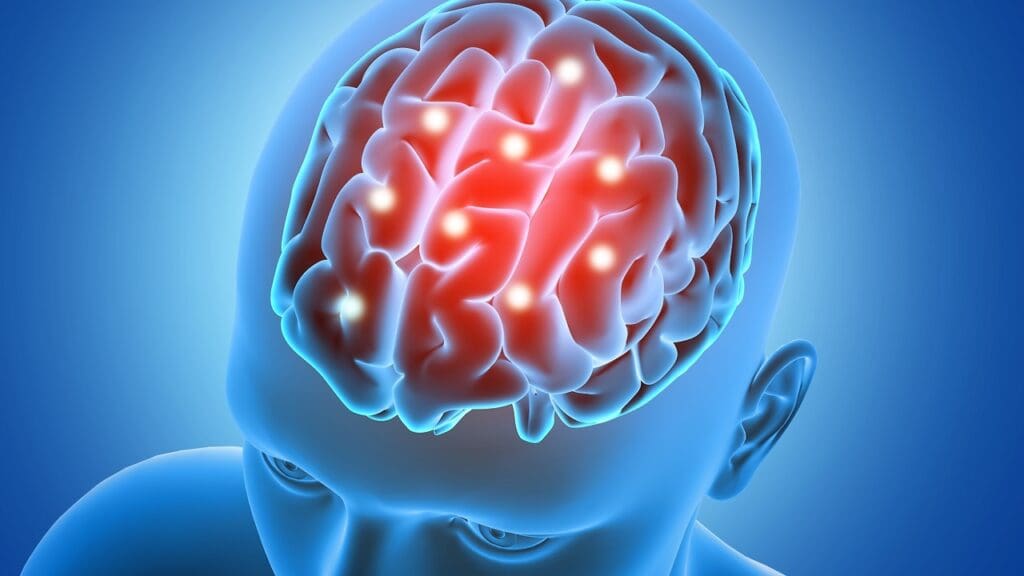
It’s important to know about brain cysts to figure out the right treatment. Brain cysts, or cerebral cysts, are fluid-filled sacs in the brain. They can appear at birth or later due to injury, infection, or tumors.
Definition and Basic Structure of Brain Cysts
Brain cysts are filled with fluid and can be different sizes and locations. They have a membrane that keeps them separate from the brain. Knowing how a cyst is structured can help understand its effect on brain function.
Common Causes and Risk Factors
There are many reasons why brain cysts form. Some common ones include:
- Congenital abnormalities during embryonic development
- Trauma or injury to the brain
- Infections that affect the brain
- Tumors or abnormal cell growth
Things that might increase your risk of getting a brain cyst include:
- A history of head trauma
- Certain infections
- Genetic predispositions
Knowing the causes and risk factors helps doctors understand how serious the problem is. It also helps them decide the best way to treat it.
| Causes of Brain Cysts | Description |
|---|---|
| Congenital Abnormalities | Abnormalities during embryonic development |
| Trauma or Injury | Head trauma or injury that affects the brain |
| Infections | Infections that affect the brain, such as meningitis |
Types of Brain Cysts You Should Know About
Brain cysts come in many types, each needing its own care plan. Knowing the differences is key for the right treatment.
Arachnoid Cysts
Arachnoid cysts are filled with cerebrospinal fluid. They sit between the brain and the arachnoid membrane. Most are harmless but can cause problems if they press on the brain.
Arachnoid cysts are often found by chance during tests for other issues. They might cause headaches or seizures if they grow too big.
Colloid Cysts
Colloid cysts are benign tumors in the third ventricle of the brain. They can block cerebrospinal fluid flow, raising pressure inside the skull.
“Colloid cysts are worrisome because of their location and risk of causing hydrocephalus,” notes Dr. John Smith, a neurosurgeon. “Quick diagnosis and treatment are vital to avoid serious issues.”
Dermoid and Epidermoid Cysts
Dermoid and epidermoid cysts contain skin cells, hair, and other tissues. They form from misplaced cells during fetal development.
Dermoid cysts are usually harmless but can grow and cause problems if they get big or infected. Epidermoid cysts are lined with squamous cells and can grow slowly over time.
Pineal Cysts
Pineal cysts happen in the pineal gland, a small gland in the brain. Most are benign and don’t cause symptoms unless they grow too large.
Pineal cysts are common and often found by chance during scans. Rarely, they can lead to headaches, vision issues, or other neurological problems.
How Serious Is a Cyst on the Brain? Assessing the Severity
The seriousness of a brain cyst depends on several factors. These factors need to be carefully evaluated. Understanding them is key to assessing risks and choosing the best treatment.
Factors That Determine Severity
Several key factors determine the severity of a brain cyst. These include its type, size, location, and how it affects surrounding brain tissue. The type of cyst is very important. Some types are more likely to cause symptoms or complications than others.
| Factor | Description | Impact on Severity |
|---|---|---|
| Type of Cyst | Arachnoid, Colloid, Dermoid, etc. | Different types have varying risks |
| Size of Cyst | Small, Medium, Large | Larger cysts are generally more severe |
| Location of Cyst | Cysts in critical brain areas | Location can significantly affect severity |
Benign Brain Cysts vs. Concerning Ones
Many brain cysts are benign and don’t cause symptoms. But, some can be concerning because they might cause neurological problems or other complications. It’s important to know the difference to give the right care.
“The distinction between benign and concerning brain cysts lies in their characteristics and their impact on the patient’s health.”
Can a Cyst on the Brain Be Fatal?
In rare cases, a brain cyst can be fatal if not properly diagnosed and managed. The risk of death is higher with cysts that put a lot of pressure on important brain structures. This can lead to complications like hydrocephalus.
We know that finding out you have a brain cyst can be scary. But knowing what makes it serious can help you make better choices about treatment and management.
Common Symptoms of Brain Cysts
A brain cyst can cause a range of symptoms, from mild to severe. These symptoms depend on the cyst’s size, location, and how much pressure it puts on the brain.
Headaches and Pain Patterns
Headaches are a common symptom of brain cysts. These headaches can be mild or severe and may get worse in the morning or when you move. The pattern of pain can help doctors figure out where the cyst is and how it’s affecting your brain.
Neurological Symptoms
Neurological symptoms happen when the cyst presses on or irritates nearby nerves. You might feel weakness or numbness in your limbs, have trouble speaking, or even have seizures. The specific symptoms depend on where the cyst is in relation to important brain areas.
Vision and Balance Problems
Vision issues, like double vision or blurred vision, can happen if the cyst affects the brain’s visual centers. Balance problems, such as dizziness or coordination issues, may occur if the cyst is near the cerebellum or brainstem.
Cognitive and Behavioral Changes
Cognitive and behavioral changes can happen if the cyst is in areas important for these functions. You might have trouble remembering things, focus, or notice changes in your personality. These symptoms can be subtle but can really affect your daily life.
It’s important to know these symptoms to catch and treat brain cysts early. If you’re experiencing any of these, see a doctor for a detailed check-up.
Brain Cyst Symptoms in Adults vs. Children
It’s important to know how brain cyst symptoms differ in adults and children. This knowledge helps doctors diagnose and treat them better. Symptoms can look different and be more severe in one age group than the other.
How Symptoms Present in Adults
Adults with brain cysts often have headaches, dizziness, and nausea. These issues come from the cyst’s pressure or from blocking cerebrospinal fluid. They might also have seizures, weakness, or numbness in different body parts, based on where the cyst is.
Unique Considerations for Pediatric Patients
Children with brain cysts show different symptoms because their brains are developing. They might seem irritable, have developmental delays, or changes in how they eat. Babies might have a bulging fontanelle or their head might grow bigger. It’s key for parents and doctors to watch for these signs to get help early.
| Symptom | Adults | Children |
|---|---|---|
| Headaches | Common | Less common |
| Developmental Delays | Rare | Common in infants |
| Seizures | Possible | Possible, more in older children |
When dealing with brain cysts, age matters. Knowing how symptoms differ helps doctors give better care. This way, they can treat each age group more effectively.
Location Matters: How Cyst Position Affects Symptoms
Knowing how a brain cyst’s location affects symptoms is key for good diagnosis and treatment. Brain cysts can pop up in different parts of the brain. Where they are can greatly change the symptoms they cause.
Frontal Lobe Cysts and Their Effects
Cysts in the frontal lobe can deeply affect a person’s behavior, judgment, and how they move. The frontal lobe handles many important brain tasks, like making decisions, solving problems, and controlling movement. A cyst here can change a person’s personality, cause mood swings, and make it hard to balance and coordinate.
Cysts in Other Brain Regions
Cysts in other brain areas can lead to a variety of symptoms. For example, cysts in the temporal lobe might mess with memory and language. Cysts in the cerebellum can affect balance and coordination. The different effects of brain cysts show why knowing their exact location is so important.
Why Location Influences Treatment Decisions
The spot where a brain cyst is located affects its symptoms and treatment choices. Cysts in tricky or hard-to-reach spots might need more careful management. But cysts in easier-to-get-to places might be treated with surgery. We look at the cyst’s location, size, and how it affects the brain around it to decide the best treatment.
By understanding how cyst location and symptoms are linked, we can make treatment plans that really fit each patient’s needs.
Potential Complications of Untreated Brain Cysts
Untreated brain cysts can cause serious problems. These issues depend on the cyst’s size, where it is, and how it affects the brain and fluid pathways.
Increased Intracranial Pressure
One big worry is increased intracranial pressure. As the cyst grows, it can press on the brain. This can cause headaches, nausea, and vomiting.
If not treated, this pressure can get worse. It might lead to serious and even life-threatening problems.
Hydrocephalus
Brain cysts can also cause hydrocephalus. This is when too much cerebrospinal fluid builds up in the brain. It happens when the cyst blocks fluid flow.
This can make the ventricles bigger. It can lead to more pressure, problems with thinking, and trouble walking.
Rare but Serious Complications
There are also rare but serious issues. These include seizures, getting worse in thinking, and brain herniation in extreme cases. These risks show why it’s key to find and treat brain cysts quickly.
| Complication | Description | Potential Consequences |
|---|---|---|
| Increased Intracranial Pressure | Pressure exerted on the brain due to cyst growth | Headaches, nausea, vomiting, potentially life-threatening |
| Hydrocephalus | Accumulation of cerebrospinal fluid in the brain | Increased intracranial pressure, cognitive impairment, gait disturbances |
| Rare but Serious Complications | Seizures, cognitive decline, brain herniation | Severe and potentially life-threatening outcomes |
We stress how important it is to know about these complications. This helps make sure patients get the right care on time. By understanding these risks, doctors can plan better treatments and manage patient hopes.
Diagnosing Brain Cysts: The Process Explained
Diagnosing brain cysts is a detailed process. It uses both clinical checks and advanced imaging. This method helps doctors find and understand brain cysts. It’s key for choosing the right treatment.
Brain Imaging Techniques
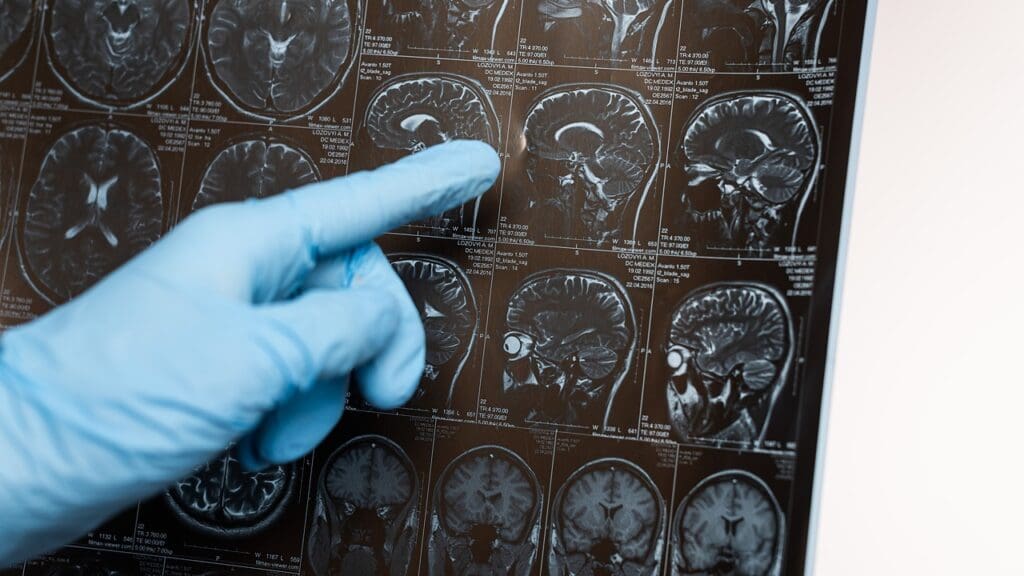
Magnetic Resonance Imaging (MRI) and Computed Tomography (CT) scans are key tools. MRI shows soft tissues clearly, helping spot cysts and their effects. CT scans give quick, detailed images, useful in emergencies or when MRI is not available.
What Doctors Look for in Brain Cyst Imaging
Doctors examine images for size, location, and impact on brain tissue. They check if the cyst is causing brain shifts or blocking fluid flow. For more on brain cysts, visit Cedars-Sinai’s health library.
Additional Diagnostic Tests
More tests might be needed to understand the cyst better or to rule out other issues. These include neurological exams to check brain functions. Other tests depend on the cyst’s location and suspected effects.
| Diagnostic Test | Purpose |
|---|---|
| MRI | Detailed imaging of soft tissues |
| CT Scan | Quick, detailed imaging in emergency situations |
| Neurological Examination | Assessment of cognitive and motor functions |
Using these tests, doctors get a full picture of the brain cyst. They then plan a treatment that fits the patient’s needs.
Treatment Options for Brain Cysts
Brain cyst treatment varies based on the cyst’s type, size, and location. It also depends on other factors. The goal is to find the best treatment for each patient’s needs and health.
Monitoring and Observation Approach
For some, watching and waiting might be the best plan. This is true for small cysts that don’t cause many problems. Regular scans, like MRI or CT, help track the cyst’s size and any changes.
Surgical Interventions
For cysts causing big problems or at risk of serious issues, surgery might be needed. This could mean draining or removing the cyst. The choice depends on the cyst and the patient’s health.
At places like the University of North Carolina’s Pediatric Neurosurgery, patients get care that fits their needs.
Medication Management
Medicine can help with symptoms like headaches or seizures from brain cysts. The right medicine depends on the symptoms and the patient’s health history.
Factors That Influence Treatment Decisions
Many things affect how to treat brain cysts. These include the cyst’s type, size, and where it is, as well as the patient’s health and what they want. Knowing these factors helps make better care choices.
| Factor | Influence on Treatment |
|---|---|
| Cyst Type | Different types of cysts may require different treatment approaches. |
| Cyst Size | Larger cysts may be more likely to require surgical intervention. |
| Cyst Location | The location of the cyst can impact the choice of surgical approach or the decision to monitor. |
| Patient Health | The patient’s overall health and medical history can influence treatment decisions. |
When to Seek Medical Attention for Suspected Brain Cysts
If you think you might have a brain cyst, knowing when to see a doctor is key. Some symptoms need quick medical help. Knowing these can help you act fast.
Warning Signs That Require Immediate Care
Some symptoms are urgent and need immediate doctor visits. These include severe headaches, sudden changes in how you move or think, or changes in your mental state. If you see these, get help right away.
Questions to Ask Your Doctor
Having questions ready for your doctor can make your visit better. Ask about your cyst, risks, and treatment choices.
- What type of brain cyst do I have?
- What are the possible complications?
- What treatment options are there?
Preparing for Your Appointment
To get the most from your doctor’s visit, prepare well. Write down your symptoms and when they started. Also, list your questions and worries.
| Preparation Step | Description |
|---|---|
| List Symptoms | Detailing when symptoms started and how they’ve changed over time |
| Write Down Questions | Preparing a list of questions for your doctor |
| Bring Relevant Documents | Including previous medical records and test results |
Conclusion: Understanding Your Path Forward
Getting a brain cyst diagnosis can be tough. But knowing about your condition and treatment options is key to moving on. By teaming up with your healthcare team and keeping up with your condition, you can make smart choices about your care.
We’ve looked at brain cysts from different angles. This includes their symptoms, how they’re diagnosed, and treatment choices. Knowing about brain cysts and their health impact is vital for handling them well. Your journey ahead will involve watching your condition, possible surgery, and medication, based on your needs.
Handling brain cysts is a team effort between you and your healthcare team. By staying informed and involved in your care, you can tackle the challenges of brain cysts and boost your health. We’re here to support you, providing top-notch healthcare and support for international patients.
What is a brain cyst?
A brain cyst is an abnormal fluid-filled structure in the brain. It can be present at birth or develop later due to injury, infection, or tumors.
What are the common symptoms of a brain cyst?
Common symptoms include headaches and problems with vision and balance. You might also notice changes in your behavior or thinking. These symptoms vary based on the cyst’s size and location.
Can a cyst on the brain cause headaches?
Yes, a brain cyst can lead to headaches. This is often due to increased pressure or irritation in the brain.
How are brain cysts diagnosed?
Doctors use a combination of clinical exams and imaging tests like MRI and CT scans to diagnose brain cysts.
What are the treatment options for brain cysts?
Treatment options include watching the cyst, surgery, or medication. The best choice depends on the cyst’s characteristics and your health.
Can a cyst on the brain be fatal?
In rare cases, a brain cyst can be life-threatening if not treated. The risk depends on the cyst’s size, type, and location.
What are the possible complications of untreated brain cysts?
Untreated cysts can lead to increased pressure, hydrocephalus, and serious issues like neurological problems or cognitive decline.
How does the location of a brain cyst affect its symptoms and treatment?
The cyst’s location is key in determining symptoms and treatment. Cysts in different areas can affect various brain functions, leading to different symptoms.
Are brain cysts common in children?
Brain cysts can occur in both kids and adults. Children might show different symptoms due to their developing brains and unique causes.
What should I do if I suspect I have a brain cyst?
If you think you have a brain cyst, seek medical help right away. Severe headaches, sudden neurological issues, or changes in mental status are urgent signs.
References
- UCHealth (Brain Cyst) : https://www.uchealth.com/en/conditions/brain-cyst
- Center for Neurosciences, Orthopaedics, & Rehabilitation (Cysts Overview) : https://www.cnsomd.com/surgery-conditions/brain-tumors/cysts-overview
- Astra Neuro (Brain Cyst Neurosurgeon) : https://www.astraneuro.com/brain-cyst-neurosurgeon-los-angeles-encino-ca
- University of Missouri Health Care (Brain Cyst) : https://www.ummhealth.org/health-library/brain-cyst-0
- NewYork-Presbyterian Pediatrics (Brain Cysts Treatment) : https://www.nyp.org/pediatrics/neurology-and-neurosurgery/brain-cysts/treatment