
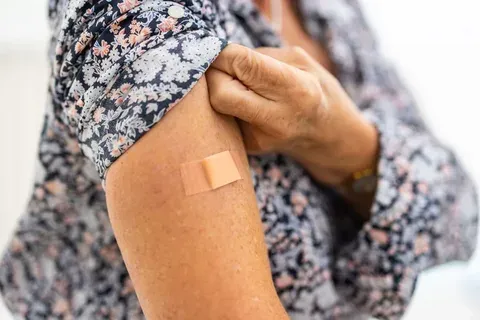
It’s important to know how to stop the spread of shingles in hospitals. This helps keep patients and healthcare workers safe. It’s all about infection control measures.
Shingles, or herpes zoster, is when the varicella-zoster virus comes back. It happens to about one-third of people at some point. So, healthcare workers need to be very careful.
At Liv Hospital, we take steps to stop VZV from spreading. We do this by avoiding direct contact with lesion fluid or when the virus is in the air.
Key Takeaways
- Shingles is caused by the reactivation of varicella-zoster virus (VZV).
- Transmission can occur through direct contact with lesion fluid or aerosolization.
- Proper infection control measures are key in hospitals.
- Liv Hospital follows CDC-recommended precautions for shingles patients.
- Knowing how shingles spreads is important to stop it.
Understanding Shingles and Its Transmission
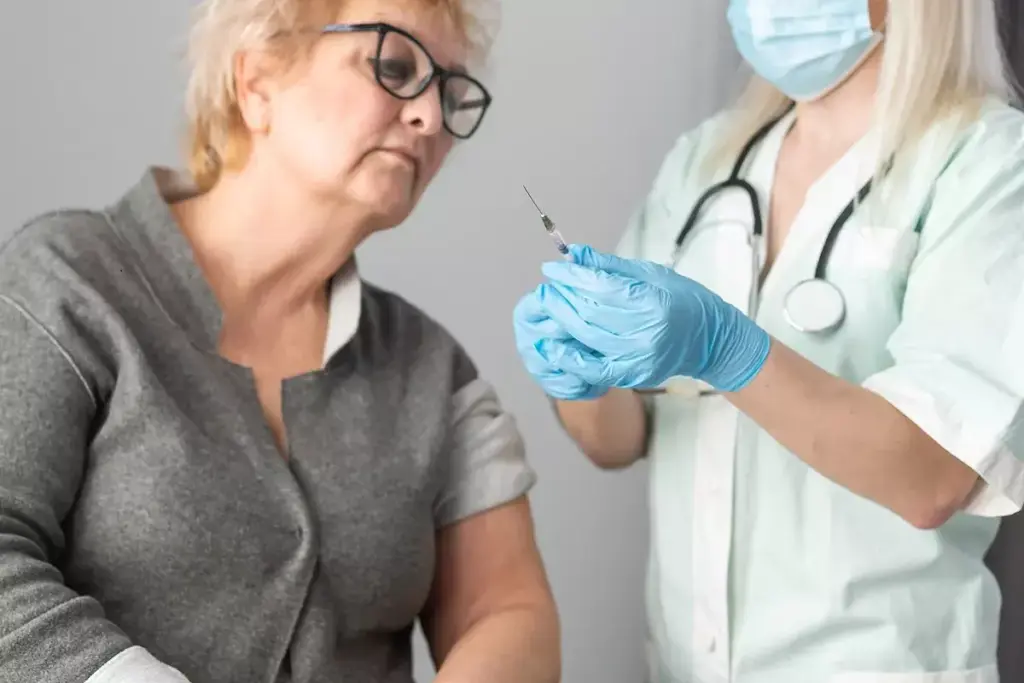
Shingles is caused by the varicella-zoster virus. This virus is the same one that causes chickenpox. It can reactivate in people with weakened immune systems or those who had chickenpox before.
What is Herpes Zoster (Shingles)?
Shingles, also known as herpes zoster, is a viral infection. It causes a painful rash on one side of the body. The virus that causes shingles was dormant in nerve cells after the first chickenpox infection.
The symptoms of shingles can be severe and include pain, itching, and a rash that develops into blisters. The CDC says the risk of getting shingles goes up with age, more so for people over 50.
“Shingles is a significant health concern due to its severe pain and complications, mainly in older adults and those with weakened immune systems,” say healthcare experts.
Transmission Routes and Infectious Period
Shingles spreads through direct contact with the rash’s fluid or through the virus in the air from the rash. The infectious period starts when the vesicles appear and lasts until they dry and crust over. During this time, people with shingles can spread the virus to others who haven’t had chickenpox or been vaccinated against it.
The CDC advises people with shingles to stay away from those at high risk of severe varicella. This includes pregnant women without immunity, newborns, and those with weakened immune systems. Knowing how shingles spreads and when it’s most contagious helps in controlling the virus and preventing its spread.
Types of Isolation Precautions for Shingles Patients

Isolation precautions for shingles vary based on the patient’s immune status and rash extent. This ensures the right care while reducing transmission risks.
Standard Precautions for Localized Shingles
For those with localized shingles, we use standard precautions. This includes covering the lesions. It’s usually enough to stop the virus from spreading.
- Keep lesions covered with a dressing or clothing.
- Practice good hand hygiene.
- Use personal protective equipment (PPE) as needed.
Airborne and Contact Precautions for Disseminated Shingles
For disseminated shingles or in immunocompromised patients, we take extra steps. Both airborne and contact precautions are needed until the rash is fully dry and crusted.
- Place the patient in a negative-pressure isolation room.
- Use N95 respirators or higher-level respirators for healthcare workers.
- Ensure all visitors wear appropriate PPE.
Duration of Isolation Requirements
The length of isolation depends on the patient’s health and rash progress. For disseminated shingles, precautions last until all lesions crust over. This can take days to a week.
Following these guidelines is key to prevent outbreaks and protect everyone involved.
Implementing Shingles Contact Precautions in Clinical Practice
In clinical settings, we need a detailed plan for shingles precautions. This includes using personal protective equipment (PPE) and setting up patient rooms correctly. Healthcare workers must have the right knowledge and tools to stop the spread of the varicella-zoster virus.
Personal Protective Equipment (PPE) Requirements
Healthcare workers caring for shingles patients should wear gloves and masks. Gloves are key when touching the rash or contaminated areas. For airborne cases of shingles, healthcare workers should also wear masks to add extra protection.
Wearing gowns might be needed if clothes could touch the rash or contaminated areas. It’s vital to use PPE correctly to stop the virus from spreading in healthcare settings.
Patient Room Setup and Placement
Setting up patient rooms is important to stop shingles spread. Patients with shingles should be in single rooms to avoid spreading the virus. Rooms for patients with airborne shingles should have good ventilation.
Healthcare facilities should place shingles patients carefully. This is to avoid spreading the virus to other patients, like those who are immunocompromised or not vaccinated against varicella. Proper patient placement can greatly lower transmission risks.
Healthcare Worker Protection and Vaccination
Keeping healthcare workers safe from shingles is key. Healthcare workers who are not immune to varicella should be vaccinated to prevent shingles. Vaccination programs help protect workers, lowering transmission risks in healthcare settings.
Healthcare workers should also learn about shingles risks and the need for contact precautions. By focusing on worker protection, we can reduce shingles transmission and keep the workplace safe and healthy.
Conclusion: Ensuring Compliance with Shingles Precaution Protocols
It’s very important to follow shingles contact precautions to stop the spread of varicella-zoster virus (VZV) in hospitals. By sticking to isolation for shingles in hospital rules, hospitals can keep workers and patients safe from VZV risks.
Shingles precautions in hospitals include standard, airborne, and contact measures, based on the disease’s symptoms. It’s key to follow these shingles protocols to keep the hospital safe and stop outbreaks.
Healthcare facilities can offer top care while reducing VZV transmission risk by following these guidelines. It’s important to keep educating and training healthcare workers. Also, they must stay committed to following the set protocols.
FAQ
What type of isolation precautions should be taken for patients with shingles?
For people with shingles who are healthy and have only a few spots, just basic precautions are needed if the spots are covered. But, for those with more spots or who have weakened immune systems, more steps are needed. They should follow both airborne and contact precautions until the spots dry and crust over.
What is the infectious period for shingles, and when can a patient be considered non-contagious?
Shingles is contagious from when the spots first appear until they dry and crust over. This usually takes about 7-10 days after the rash starts.
What personal protective equipment (PPE) is required when caring for patients with shingles?
Healthcare workers caring for shingles patients need to wear gloves, masks, and gowns. This helps prevent touching the fluid from the spots and lowers the chance of spreading the virus.
How should patient rooms be set up to minimize the risk of shingles transmission?
Shingles patients should be in single rooms with good air flow. This helps prevent the virus from spreading. Rooms for airborne infections (AIIRs) are best for patients with widespread shingles.
Are healthcare workers at risk of contracting shingles from patients, and what measures can be taken to protect them?
Healthcare workers who haven’t had chickenpox or the vaccine are at risk. Getting vaccinated against varicella helps protect them from getting shingles.
What are the CDC guidelines for shingles isolation precautions?
The CDC says patients with just a few spots can follow basic precautions if the spots are covered. But, for those with more spots or weakened immune systems, more steps are needed. They should follow both airborne and contact precautions until the spots dry and crust over.
How long should isolation precautions be maintained for patients with shingles?
For patients with just a few spots, basic precautions can be followed as long as the spots are covered. But, for those with more spots or weakened immune systems, precautions should continue until the spots dry and crust over.
Can shingles be transmitted through airborne or droplet routes?
Shingles can spread through touching the fluid from the spots or by breathing in aerosolized material. For patients with widespread shingles, airborne transmission is a concern. So, airborne precautions are recommended.
What is the difference between contact and airborne precautions for shingles?
Contact precautions mean wearing gloves and gowns to avoid touching the spot fluid. Airborne precautions mean putting the patient in an AIIR and wearing a mask to avoid breathing in virus particles.
REFERENCES:
Herpes zoster (shingles). In MotherToBaby | Fact Sheets (Bookshelf ID NBK582747). National Center for Biotechnology Information. https://www.ncbi.nlm.nih.gov/books/NBK582747/NCBI



 Departments
 Related Videos
 Our Doctors
 News
News