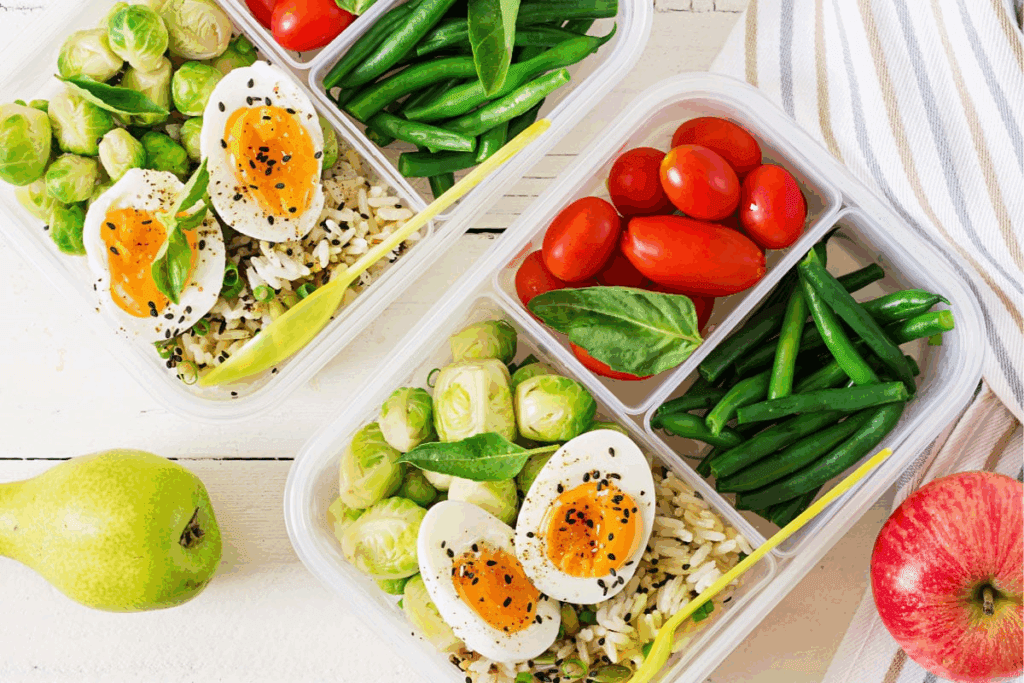
Potassium is an essential mineral and electrolyte that keeps our bodies healthy. It helps our hearts, muscles, and blood pressure stay in check.how to boost your potassiumHow to Prepare Your Body for Chemotherapy?
But, most Americans don’t get enough potassium. They only get about half of the needed 4,700 milligrams each day. Eating potassium-rich foods can boost your health and lower heart disease risks.
At Liv Hospital, we focus on easy, science-backed ways to stay healthy. Knowing about natural sources of potassium is vital for a balanced diet.
Key Takeaways
- Potassium is essential for maintaining heart health and muscle function.
- Most Americans consume only half of the recommended daily potassium intake.
- Incorporating potassium-rich foods can improve overall health.
- Natural sources of potassium are key for a balanced diet.
- Liv Hospital promotes evidence-based nutritional strategies for overall wellness.
The Vital Role of Potassium in Your Body
Potassium is vital for many body functions, like nerve signals and muscle contractions. It’s an essential mineral that helps keep fluid balance, supports heart health, and lets muscles move and relax.
Essential Functions as an Electrolyte
Potassium is an electrolyte with an electrical charge. It works with other electrolytes to keep fluid balance, send nerve signals, and control muscle movements. This is key for a healthy heartbeat and muscle function.
How Potassium Supports Multiple Body Systems
Potassium is important for the heart, muscles, and nerves. It helps the heart beat right and blood pressure stay normal. It also makes muscles work well, preventing cramps and spasms. Plus, it helps nerves send signals, which is vital for body functions.
Studies show eating more potassium can lower heart disease risk by 18 percent for every 1,000 mg. This shows how important potassium is for heart health.
Signs of Inadequate Potassium Intake
Not getting enough potassium can cause muscle weakness, fatigue, and heart palpitations. You might also get constipation, muscle cramps, and feel bloated. If you don’t get enough, you could face serious problems like abnormal heart rhythms or even paralysis.
To stay healthy, eat great sources of potassium and learn how to get more potassium in your diet. This way, you keep your potassium levels right and support your health and well-being.
The Potassium Gap: Why Most Americans Fall Short
Potassium is a key nutrient that many Americans don’t get enough of. This is a big health worry because potassium is vital for our bodies. It helps with many important functions.
Current Intake Statistics and Deficiency Rates
Most people in the U.S. only get about half the potassium they need. This is concerning because potassium is important for blood pressure, bone health, and muscle function.
Let’s look at how much potassium different groups in the U.S. get. Here’s a table showing average intake:
Age Group | Average Potassium Intake (mg/day) | % of Recommended Daily Intake |
19-30 years | 2,806 | 60% |
31-50 years | 2,641 | 56% |
51+ years | 2,514 | 53% |
FDA Recommendation of 4,700mg Daily
The FDA says adults should eat about 4,700 milligrams of potassium each day. This is because potassium is key for muscle and nerve function, and heart health.
It’s hard to meet this goal with the usual American diet. But eating foods high in potassium, like fruits, veggies, and legumes, can help.
Common Causes of Low Potassium Intake
Many things lead to low potassium levels in Americans. A big one is not eating enough fruits, veggies, and whole grains, which are full of potassium.
Other reasons include:
- Eating too many processed foods, which are low in potassium
- Not having access to fresh produce in some areas
- Not knowing how important potassium is for our diet
Knowing these reasons helps us find ways to get more potassium and improve our nutrition.
Health Benefits of Optimal Potassium Levels
Having the right amount of potassium in your diet is key for good health. Potassium is a vital mineral that helps your body work right. We’ll look at how keeping potassium levels in check can boost your health.
18% Lower Cardiovascular Disease Risk per 1,000mg
Eating foods high in potassium can lower heart disease risk. For every 1,000mg of potassium, heart disease risk drops by about 18%. This is because potassium helps lower blood pressure and cuts down stroke risk, both big heart disease causes.
Blood Pressure Regulation Benefits
Potassium is key in controlling blood pressure. It counteracts sodium’s effects and relaxes blood vessels, leading to lower blood pressure. People eating more potassium have a lower chance of high blood pressure.
Muscle Function and Cramp Prevention
Potassium is vital for muscle health. It helps muscles contract and relax properly, preventing cramps. Athletes and those who work hard physically need enough potassium to avoid muscle cramps and spasms.
Bone Health and Kidney Function
Enough potassium is also good for bones and kidneys. It reduces calcium loss in urine, helping bones stay strong and preventing osteoporosis. Plus, it helps kidneys work better by easing their load.
Potassium-Rich Fruits to Add to Your Diet
Fruits are not just tasty, but also full of potassium, a key mineral for your body. Adding different fruits rich in potassium to your diet can greatly increase your potassium levels. We’ll look at some top fruits high in potassium and how to add them to your meals.
Bananas: 451mg in a Medium Fruit
Bananas are famous for their potassium content. A medium banana has about 451mg of potassium. They’re also packed with vitamins and minerals, making them a great choice for health.
Dried Apricots: 755mg per Half-Cup
Dried apricots are very high in potassium. A half-cup gives you about 755mg of potassium. They’re also full of fiber and antioxidants, adding to their health benefits.
Watermelon: 14% of Daily Value per Serving
Watermelon is refreshing and a good potassium source. It offers about 14% of the Daily Value (DV) for potassium. Its high water content makes it perfect for hot days.
Other Fruits with High Potassium Content
There are many fruits rich in potassium, aside from bananas, dried apricots, and watermelon. Some include:
- Avocados: Often seen as a vegetable, avocados are actually a fruit and a great potassium source.
- Oranges: Oranges and their juice are good for potassium, with one orange providing a lot.
- Cantaloupe: Like watermelon, cantaloupe is hydrating and rich in potassium.
Adding these fruits to your diet is easy and tasty. Try bananas in your cereal, dried apricots as a snack, or watermelon as a dessert. These small changes can greatly boost your potassium intake and improve your health.
Vegetables That Pack a Potassium Punch
Vegetables are full of potassium, a key mineral we often miss. Adding these to your meals can really up your potassium levels.
Spinach: 839mg per Cup When Cooked
Spinach is a top source of potassium. Just one cup cooked gives you 839 milligrams. It’s perfect for stews or smoothies.
Potatoes: 925mg in a Medium Baked Potato with Skin
A medium baked potato with skin is packed with 925 milligrams of potassium. It’s a great way to get more potassium.
Tomatoes, Avocados, and Other Vegetable Sources
Tomatoes, though fruits, are rich in potassium. Avocados also add a lot to your potassium intake. Broccoli, carrots, and beet greens are other good sources.
Cooking Methods That Preserve Potassium
Cooking can lower a veggie’s potassium, but some methods are better. Steaming or sautéing keeps more potassium than boiling.
Adding these veggies to your meals and choosing the right cooking methods boosts your potassium. This helps your health, blood pressure, bones, and muscles.
Protein Sources Rich in Potassium
Protein-rich foods like fish, beans, nuts, and dairy are great for potassium. Adding them to your meals can really help your health.
Fish and Seafood Options
Fish and seafood are tasty and full of potassium. Salmon is a top choice, with 534mg of potassium per 3-ounce serving. Cod and sardines are also good sources.
Try grilling or baking salmon and serve it with veggies. Use canned sardines in salads or on crackers.
Beans and Legumes: Nutritional Powerhouses
Beans and legumes are very rich in potassium. White beans have 1128mg per cup, and lentils have 731mg per cup. They’re also full of fiber and protein.
Adding them to soups, stews, or salads is a healthy choice. A lentil soup or white bean salad is a tasty option.
Nuts and Seeds for Potassium Boost
Nuts and seeds are also good for potassium. Pistachios have 291mg per ounce, and sunflower seeds have 241mg per ounce. They’re great as snacks or in meals.
Use pistachios or sunflower seeds on salads or yogurt for a crunchy topping.
Dairy Products with Significant Potassium
Dairy products are also rich in potassium. Milk and yogurt are excellent choices. A cup of milk has 366mg, and a cup of yogurt has 400mg.
Drink a glass of milk with meals or have yogurt as a snack. You can also add milk to smoothies or oatmeal.
Food | Potassium Content (mg) | Serving Size |
Salmon | 534 | 3 oz serving |
White Beans | 1128 | 1 cup |
Pistachios | 291 | 1 oz |
Milk | 366 | 1 cup |
Adding protein-rich foods to your diet can boost your potassium levels. There are many tasty ways to do this, from fish to dairy products.
How to Boost Your Potassium Through Meal Planning
Boosting your potassium levels is easy with meal planning. Focus on foods rich in nutrients. This ensures you get the 4,700mg of potassium you need every day.
Potassium-Rich Breakfast Ideas
Start your day with foods high in potassium. Try a banana (451mg), cooked spinach (839mg), or orange juice. Avocado toast with a fried egg adds 708mg of potassium.
Other great breakfasts include oatmeal with dried apricots (755mg per half-cup) and nuts or seeds. These are also good for potassium.
Lunch and Dinner Combinations for Maximum Intake
For lunch and dinner, mix different foods high in potassium. A spinach salad with avocado and tomatoes is a good choice. Use potatoes (925mg in a medium baked potato with skin) and other root vegetables in your cooking.
Dinner can be a grilled salmon fillet with steamed broccoli and a baked potato. It’s tasty and packed with potassium.
Strategic Snacking for Potassium Benefits
Snacking smart can also boost your potassium. Choose dried fruits like apricots, bananas, or citrus fruits. Nuts and seeds, such as almonds and pumpkin seeds, are also great snacks.
Sample Meal Plan to Reach 4,700mg Daily
Here’s a meal plan to hit your daily potassium goal:
Meal | Food | Potassium Content (mg) |
Breakfast | Banana and oatmeal with almonds | 751 |
Mid-Morning Snack | Dried apricots | 755 |
Lunch | Grilled chicken salad with spinach, avocado, and tomatoes | 1,542 |
Afternoon Snack | Orange juice and a handful of almonds | 496 |
Dinner | Baked potato with skin, steamed broccoli, and grilled salmon | 1,656 |
Total | 4,700 |
By adding these foods to your meals, you can easily meet your potassium needs. This meal plan shows how to spread out potassium-rich foods throughout the day for 4,700mg.
Beverages That Contribute to Potassium Intake
Beverages can help boost your potassium levels. They add to a diet rich in this important mineral. Some drinks offer a lot of potassium, just like many foods do.
Fruit and Vegetable Juices: Content Comparison
Fruit and vegetable juices are packed with potassium. Orange juice and beet juice stand out. A cup of orange juice has about 496 mg of potassium. Beet juice gives you around 518 mg per cup.
Beverage | Potassium Content (mg per cup) |
Orange Juice | 496 |
Beet Juice | 518 |
Coconut Water | 600 |
Smoothie Recipes Optimized for Potassium
Smoothies are tasty and can increase your potassium. Mixing fruits and veggies high in potassium makes a drink full of nutrients. For instance, blending bananas, spinach, and avocado makes a smoothie with over 1,500 mg of potassium.
Sample Smoothie Recipe:
- 1 banana (451 mg potassium)
- 1 cup cooked spinach (839 mg potassium)
- 1/2 avocado (487 mg potassium)
Coconut Water and Other Natural Drinks
Coconut water is a natural potassium source, with one cup giving about 600 mg. Herbal teas and low-sugar sports drinks also add to your potassium intake, but in different amounts.
Adding these drinks to your diet helps meet your daily potassium needs. You have many choices, from juices and smoothies to natural drinks.
Balancing Potassium With Other Nutrients
To stay healthy, we need to balance potassium with other important nutrients. Potassium is key for many body functions. But, it works best when paired with other essential nutrients.
The Critical Sodium-Potassium Ratio
The sodium-potassium ratio is key for healthy blood pressure. Too much sodium and not enough potassium can raise blood pressure. We should eat more foods rich in potassium to balance sodium’s effects.
The American Heart Association suggests eating less than 2,300 milligrams of sodium daily. They also recommend getting 4,700 milligrams of potassium each day.
Key points to consider for the sodium-potassium ratio:
- Watch sodium in processed and restaurant foods.
- Eat more fruits, vegetables, and legumes for potassium.
- Focus on your overall diet, not just single nutrients.
Magnesium and Calcium Interactions
Magnesium and calcium are important for heart health and strong bones. They work with potassium to help the body function well. For example, magnesium helps control potassium inside cells, and calcium supports muscles and bones.
Benefits of balancing magnesium, calcium, and potassium:
- Improved heart health through better blood pressure.
- Stronger bones, lowering osteoporosis risk.
- Less muscle cramps and spasms.
Hydration’s Role in Electrolyte Balance
Drinking enough water is key for electrolyte balance, including potassium. Water helps move electrolytes to cells and supports body functions. It’s important to drink plenty of water, even more when eating foods or taking supplements high in electrolytes.
Tips for maintaining hydration and electrolyte balance:
- Drink at least eight glasses of water a day.
- Check your urine color. It should be pale yellow if you’re hydrated.
- Drink electrolyte-rich drinks during hard workouts.
Special Considerations for Potassium Intake
Some people need to be extra careful about their potassium intake. Potassium is key for health, but some may need to adjust how much they eat. This is based on their health or the medicines they take.
Medical Conditions That Affect Potassium Needs
Some health issues can change how much potassium our bodies need. For example, people with kidney disease might need to eat less potassium. This is because their kidneys can’t get rid of extra potassium well. This can cause hyperkalemia, when there’s too much potassium in the blood.
Medical Condition | Impact on Potassium Levels | Recommended Action |
Kidney Disease | Reduced ability to remove excess potassium | Limit potassium intake |
Heart Failure | May require careful management of potassium levels | Consult healthcare provider |
Diabetes | May have altered potassium levels due to medication or kidney issues | Monitor potassium levels regularly |
Medications That Impact Potassium Levels
Many medicines can change how much potassium we have. For instance, some diuretics can make us lose potassium. On the other hand, some heart or blood pressure medicines can make us keep more potassium. It’s important for people on these medicines to know how they might affect their potassium levels.
Some common medicines that can change potassium levels include:
- Diuretics (potassium-sparing or potassium-wasting)
- ACE inhibitors
- Beta-blockers
- Certain antibiotics
When to Consult a Healthcare Provider
If you have a health issue or take medicines that can change potassium levels, talk to your doctor. They can give you advice on how much potassium you should eat. This can help you avoid any problems.
We suggest talking to your doctor about potassium if you:
- Have kidney disease or heart failure
- Are taking medicines that affect potassium levels
- Feel symptoms of potassium imbalance (like muscle weakness or irregular heartbeat)
Risks of Excessive Potassium Intake
While we need potassium, too much can be dangerous. It can cause hyperkalemia, which can harm the heart. People with kidney disease are at a higher risk because their bodies can’t get rid of extra potassium well.
Symptoms of hyperkalemia include:
- Fatigue
- Muscle weakness
- Palpitations or irregular heartbeat
- Numbness or tingling
Knowing these special considerations helps us manage our potassium intake better. This supports our overall health and well-being.
Conclusion: Creating a Sustainable Potassium-Rich Diet
Adding potassium-rich foods to your meals can boost your health and lower heart disease risk. A diet full of fruits, veggies, proteins, and drinks can meet your daily potassium needs of 4,700mg.
To boost your potassium intake, eat bananas, spinach, and potatoes. Also, try coconut water and fruit juices. Knowing good potassium sources and adding them to your meals keeps your levels right.
It’s important to balance potassium with sodium, magnesium, and calcium for good electrolyte balance. Smart food and drink choices lead to a healthy, potassium-rich diet. Adding the right foods to your meals can greatly benefit your health.
FAQ
What are the best natural sources of potassium?
The best natural sources of potassium are bananas, dried apricots, spinach, potatoes, and avocados. Adding these foods to your diet can help boost your potassium levels.
What foods are high in potassium?
Foods high in potassium include bananas, apricots, and watermelon. Also, spinach, potatoes, and tomatoes are good choices. Protein sources like fish, beans, and dairy products are also rich in potassium.
How can I get more potassium in my diet?
To get more potassium, eat a variety of fruits, vegetables, and proteins. Planning your meals and snacks can also help meet your potassium needs.
What is a good source of potassium?
Good sources of potassium are bananas, spinach, potatoes, and avocados. You can also try potassium-rich drinks like coconut water and fruit juices.
How do I balance potassium with other nutrients?
Balancing potassium with other nutrients means keeping a healthy sodium-potassium ratio. Also, consider how magnesium and calcium interact. Staying hydrated is key for electrolyte balance.
Are there any medical conditions that affect potassium needs?
Yes, some medical conditions can change your potassium needs. Always talk to a healthcare provider if you have a condition or are on medications that affect potassium.
What are the risks of excessive potassium intake?
Too much potassium can cause hyperkalemia, a condition with high blood potassium levels. It’s important to know the risks and talk to a healthcare provider if you’re concerned.
How can I create a sustainable potassium-rich diet?
For a sustainable potassium-rich diet, include a variety of potassium-rich foods in your meals. Make smart choices about drinks and balance potassium with other nutrients.
What are some potassium-rich breakfast ideas?
Good breakfast ideas include oatmeal with bananas, spinach omelets, and yogurt parfaits with dried apricots. These can give you a potassium boost to start your day.
How can I increase my potassium levels?
Increase your potassium levels by eating foods, drinks, and supplements high in potassium (if a healthcare provider recommends it). Planning your meals and snacks can also help.
References
World Health Organization. Potassium: Dietary Sources Beyond Bananas for Optimal Health. Retrieved from https://www.who.int/tools/elena/interventions/potassium-cvd-adults



 Departments
 Related Videos
 Our Doctors
 News
News