Many people worldwide struggle with acne. It affects not just how we look but also our confidence and daily life. At Liv Hospital, we offer caring dermatological support to those seeking clear skin.
Our team knows how hard it is to deal with constant breakouts. We want to help you with expert advice and proven solutions. The right care can improve your health and self-confidence.
Dermatologists recommend a simple routine for best results. Start with a gentle cleanser and a non-comedogenic moisturizer. This keeps your skin hydrated without blocking pores.
Experts at Cosmopolitan say simple is often better. Using sun protection daily helps prevent dark spots. This approach is effective for lasting results.
We offer a detailed approach with care and knowledge. Our goal is to provide top-notch healthcare and support to our global visitors. Your path to better skin starts with our professional, caring care.
Key Takeaways
- Simple three-step routines often yield the best results for sensitive surfaces.
- Gentle cleansers remove debris without causing unnecessary irritation or dryness.
- Non-comedogenic products prevent pores from clogging while maintaining hydration.
- Daily sun protection helps avoid permanent marks and discoloration.
- Professional dermatological care addresses physical symptoms and mental health.
- Consistency remains the most important factor for achieving lasting facial clarity.
What is Acne Prone Skin and How to Identify It
Knowing if you have acne-prone skin is the first step to managing it. This skin type tends to get acne because of too much oil, clogged pores, and inflammation.
It’s important to understand what makes your skin prone to acne. We’ll look at the signs and what can trigger it. This will help you figure out your skin type and how to care for it.
Defining Acne-Prone Skin Characteristics
Acne-prone skin has some key traits. It often makes more oil, which can block pores. It also tends to get inflamed easily.
This skin type might look shiny, mainly in the T-zone. It can also be more sensitive to products and the environment.
Common Signs You Have Acne-Prone Skin
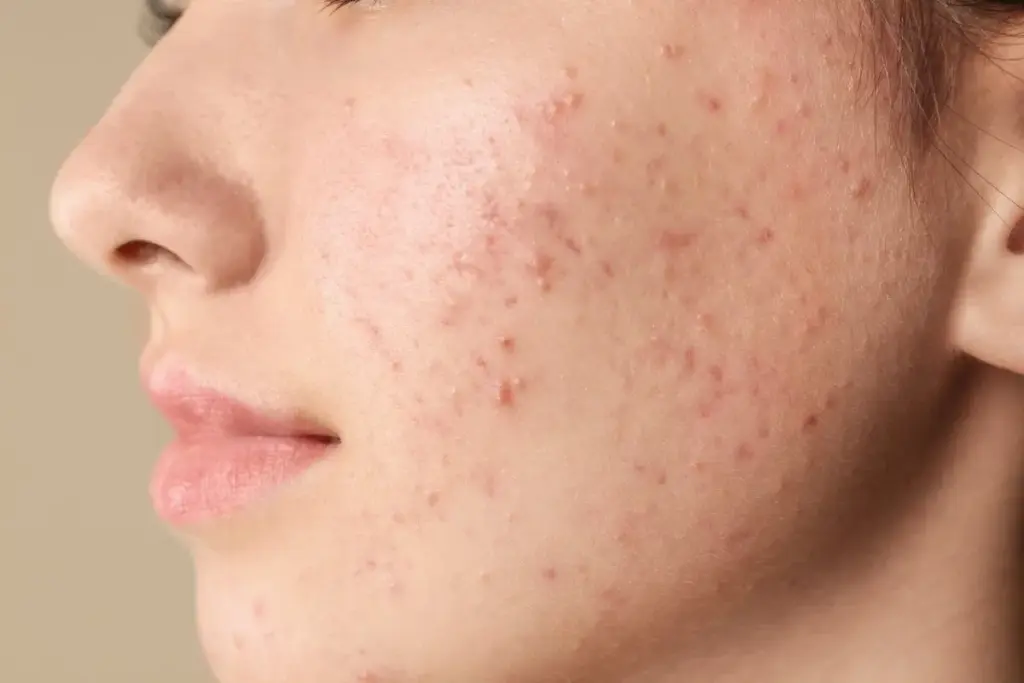
Breakouts, blackheads, and whiteheads are signs of acne-prone skin. It can also be red and inflamed, often after using certain products or being in certain environments.
Acne often hits the face, neck, and back. These areas have more sebaceous glands.
Understanding Triggers and Contributing Factors
Many things can make your skin more prone to acne. Hormonal changes, stress, and what you eat can all play a part.
Choosing the right skincare and living a balanced life can help. Knowing what products and habits can make acne worse is key.
Essential Skincare Routine for Acne-Prone Skin
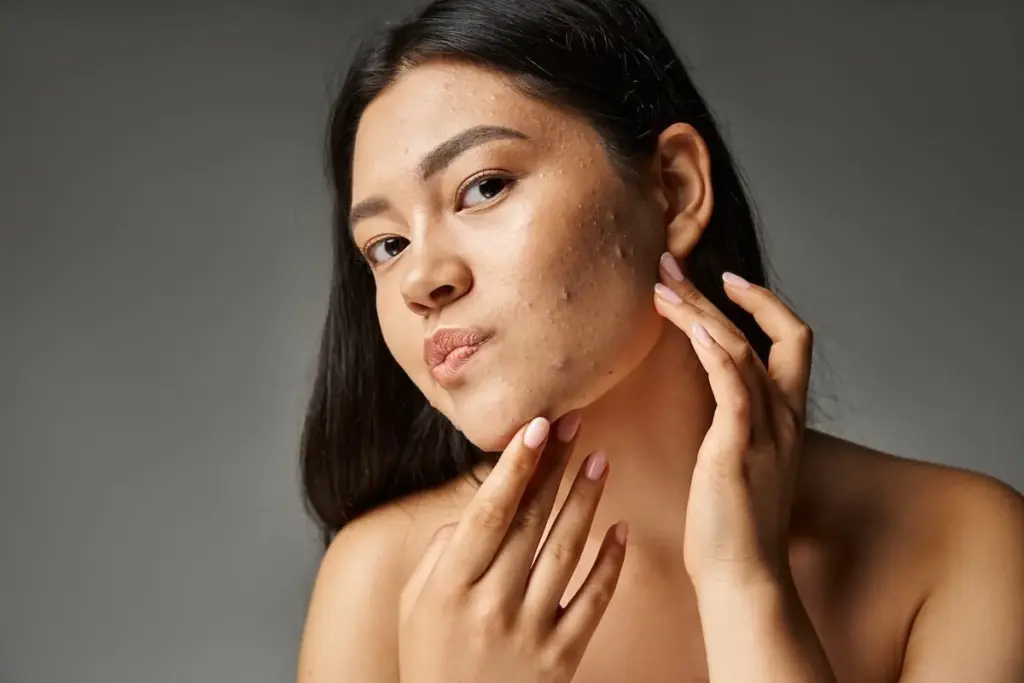
For those with acne-prone skin, a good skincare routine can change everything. It’s not just about treating current breakouts. It’s also about stopping new ones from happening.
Choose the Right Gentle Cleanser
Cleansing is the first step in any skincare routine. For acne-prone skin, you need a gentle cleanser. It should remove dirt and extra oil without drying out your skin. Look for cleansers with glycerin or ceramides to keep your skin’s barrier strong.
Apply Targeted Treatment Products
After you clean your skin, use treatment products. These should have salicylic acid or benzoyl peroxide. These ingredients help by clearing pores and killing bacteria that cause acne.
Here’s a comparison of common acne treatment ingredients:
| Ingredient | Concentration | Benefits |
| Salicylic Acid | 0.5-2% | Exfoliates skin, unclogs pores |
| Benzoyl Peroxide | 2.5-10% | Kills acne-causing bacteria, reduces inflammation |
Moisturize with Non-Comedogenic Formulas
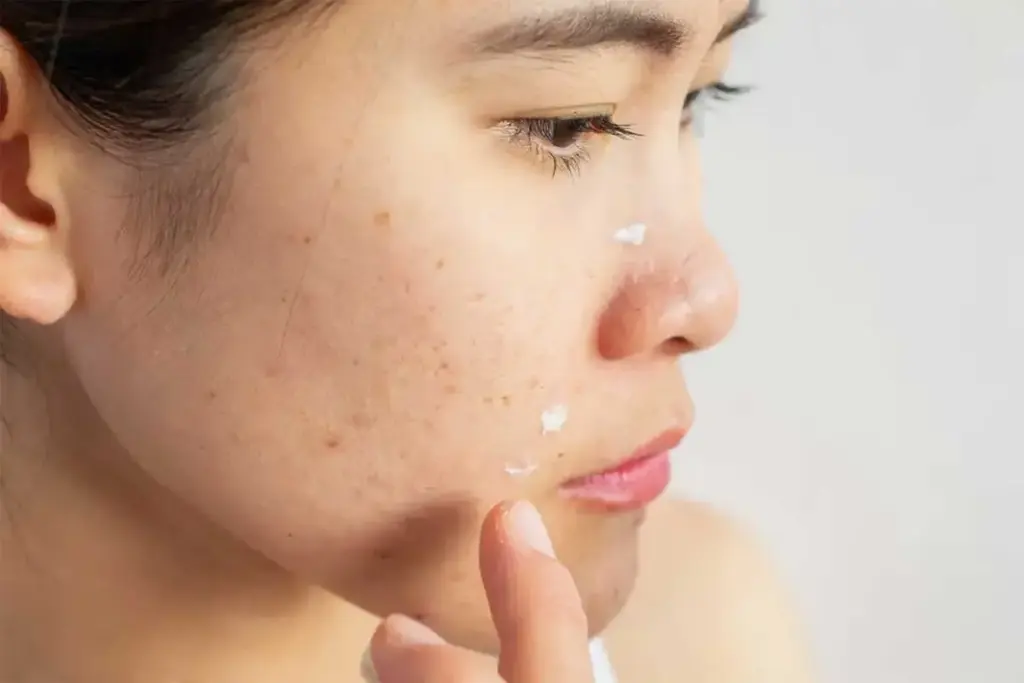
Moisturizing is key, even for acne-prone skin. Use non-comedogenic moisturizers to keep your skin hydrated without clogging pores. Look for “oil-free” or “non-acnegenic” labels.
Protect with Oil-Free Sunscreen Daily
Wearing sunscreen daily is important. It protects your skin from UV damage, which can make acne worse and cause dark spots. Choose an oil-free sunscreen with at least SPF 30 for good protection.
By following these steps and using the right products, you can greatly improve your skin health. Remember, consistency and patience are important. It may take time to see the results.
Conclusion
Managing acne-prone skin needs a mix of simple skincare, lifestyle changes, and expert care. At Liv Hospital, we focus on caring for your skin with compassion and evidence. We aim to help you get healthier skin.
Knowing what acne-prone skin is and its signs is the first step to better skin. A skin care routine recommended by a dermatologist is key. It helps reduce pimples and improves skin quality.
Being consistent and patient is important for managing prone skin. The right acne skincare and lifestyle changes can greatly improve your skin. We encourage you to take action for healthier, clearer skin.
With the right approach and professional help, you can say goodbye to persistent pimples. Our team is here to support you on your journey to better skin.
FAQ
What is acne-prone skin and how can I identify if I have it?
Acne-prone skin is more likely to develop pimples, blackheads, or whiteheads due to excess oil and clogged pores. Frequent breakouts and visible pores are common signs.
What is a dermatologist recommended skin care routine for acne-prone skin?
A typical routine includes gentle cleansing, non-comedogenic moisturizers, and targeted treatments like salicylic acid or benzoyl peroxide. Sunscreen is also essential to protect the skin.
How to prevent pimples on face through daily habits?
Maintain good hygiene, avoid touching your face, and follow a consistent skincare routine. Eating a balanced diet and managing stress can also help reduce breakouts.
What can help with pimples for those with sensitive skin?
Use gentle, fragrance-free products designed for sensitive skin to avoid irritation. Mild active ingredients like low-strength salicylic acid can help control breakouts.
What are the most effective tips for acne for women in USA dealing with adult breakouts?
Consistent skincare, hormonal balance, and stress management are key for adult acne. Using dermatologist-recommended products and avoiding harsh treatments can improve results.
Is it necessary to moisturize if I have very oily, acne-prone skin?
Yes, moisturizing helps maintain skin balance and prevents excess oil production. Use lightweight, oil-free, non-comedogenic moisturizers to avoid clogging pores.
References
National Center for Biotechnology Information. Evidence-Based Medical Insight. Retrieved from https://pmc.ncbi.nlm.nih.gov/articles/PMC3509882/[1



 Departments
 Related Videos
 Our Doctors
 News
News