
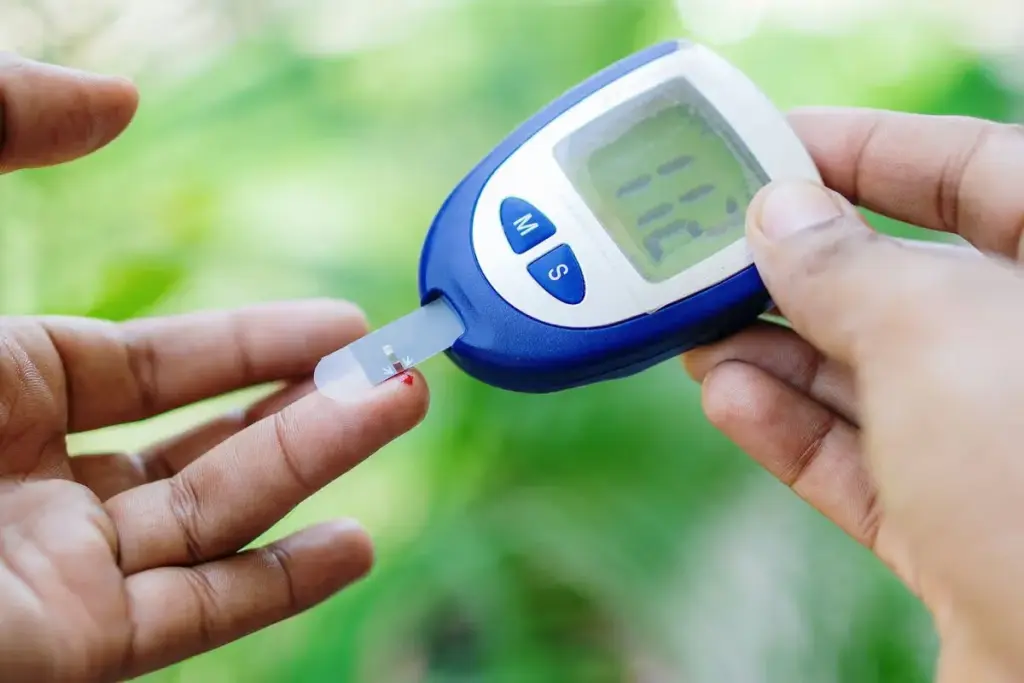
Managing diabetes means knowing how food affects your blood glucose levels. It’s important to check your blood sugar after eating. This helps you and your doctors see if your diabetes plan is working.
By watching your postprandial glucose response, you learn how your body reacts to food. This knowledge helps you make better food choices and treatment plans. The American Diabetes Association suggests aiming for less than 180 mg/dL 2 hours after eating.
Key Takeaways
- Checking blood sugar after eating helps assess the impact of different foods on glucose levels.
- The American Diabetes Association recommends a target of below 180 mg/dL 2 hours after a meal.
- Monitoring postprandial glucose response informs diet and treatment plan decisions.
- Understanding pre-meal glucose levels is key for managing diabetes well.
- Regular blood sugar monitoring is vital for adjusting medications or insulin.
When to Check Blood Sugar After Eating and Why It Matters
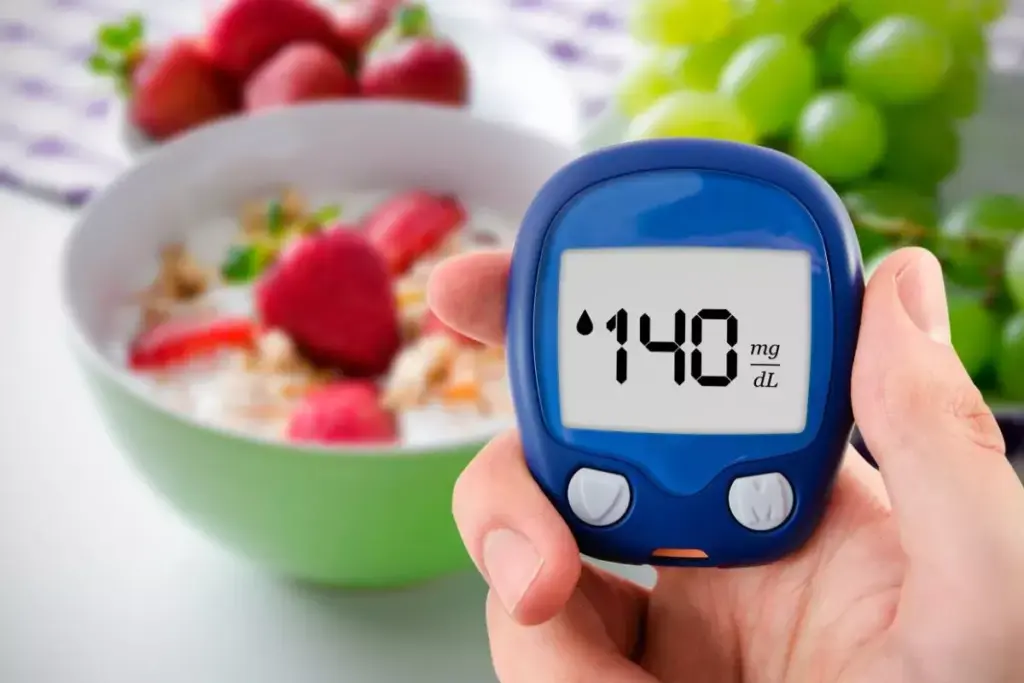
Checking blood sugar after meals is key for managing diabetes. It helps people see how their body reacts to food. This is important for keeping blood sugar in check and avoiding diabetes problems.
Understanding Optimal Timing for Postprandial Testing
The American Diabetes Association says to check blood sugar 1 to 2 hours after eating. This is because blood sugar usually hits its peak during this time.
Key considerations for postprandial testing include:
- Understanding that peak blood glucose levels usually occur between 1 to 2 hours after a meal.
- Recognizing the importance of this timing in assessing the body’s response to food.
- Adjusting testing schedules based on individual factors such as meal composition and medication timing.
Target Blood Sugar Levels After Meals
The American Diabetes Association recommends keeping blood sugar below 180 mg/dL after meals. Staying within this range is key to avoiding diabetes complications.
To achieve this, individuals can:
- Monitor their carbohydrate intake to manage the impact on blood sugar levels.
- Engage in regular physical activity to improve insulin sensitivity.
- Adhere to their medication regimen as prescribed by their healthcare provider.
The Importance of Regular Postprandial Monitoring
Regular monitoring after meals is essential for diabetes management. It shows how food and activities affect blood sugar levels.
Understanding these effects helps people make better choices about their diet, exercise, and medication. This improves their blood sugar control and overall well-being.
Step-by-Step Process to Check and Manage Blood Sugar Levels
To keep your blood sugar in check, it’s key to know how to test and manage it. Good diabetes care means checking your levels often, testing right, and making smart choices based on what you find.
Preparing for Your Blood Glucose Test
Before you test your blood sugar, make sure you’re ready for accurate results. Wash your hands well with soap and warm water to avoid contamination. You’ll need your glucose meter, test strips, lancet device, and logbook. Make sure your meter is set right and use a clean lancet for each test.
Choosing the right time to test is also key. You should test before meals, after meals, and at bedtime, as advised by your doctor and based on your needs.
How to Perform an Accurate Blood Sugar Test
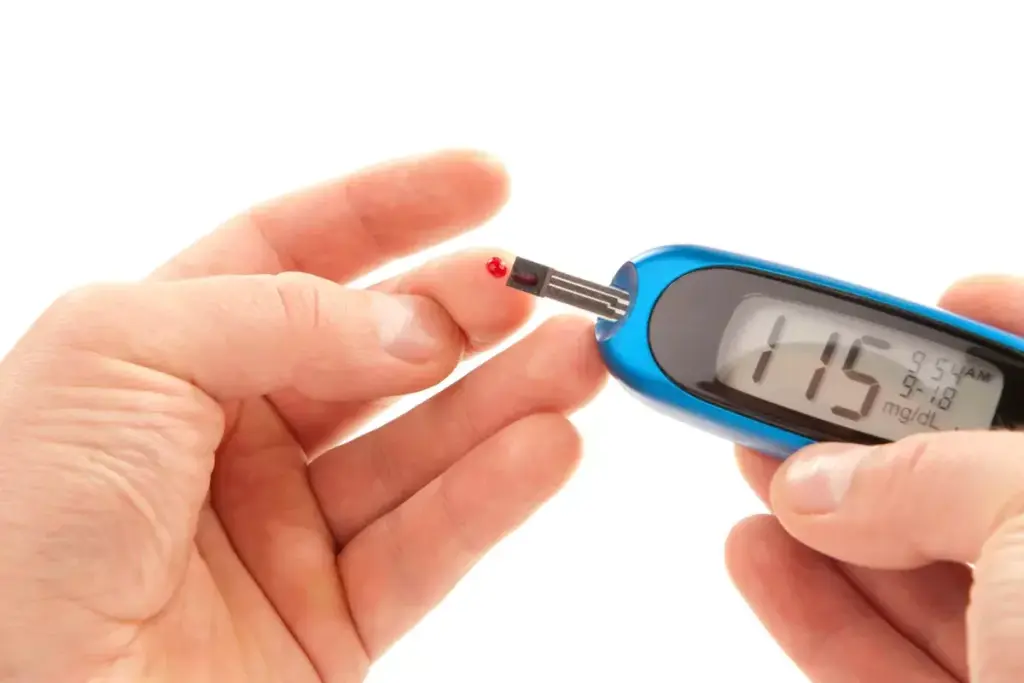
To get an accurate blood glucose test, follow these steps. First, insert a test strip into your glucose meter as the maker says. Then, use your lancet to prick your finger for a small blood drop. Touch the test strip to the blood drop and wait for your reading.
It’s important to record your results in a logbook or app. This helps you see patterns and make changes to your treatment plan.
How to Control Blood Sugar Based on Your Results
After getting your reading, you can take steps to manage your levels. If your sugar is high, you might need to change your diet or exercise. For example, eating foods with a lower glycemic index or taking a short walk after meals can help.
If your sugar is low, eat a quick-acting carb like glucose tablets or fruit juice. Always follow your doctor’s advice on what to do with your readings.
Proven Methods to Improve Blood Sugar Control
To better control your blood sugar, try a mix of lifestyle changes and advanced diabetes tools. Using a continuous glucose monitor (CGM) gives you real-time data to spot trends and make better choices.
Other good strategies include eating a balanced diet, staying hydrated, and exercising regularly. Working with your healthcare team to adjust your plan is also key for stable glucose levels.
Conclusion
Checking blood sugar after eating is key for managing diabetes well. High blood sugar after meals can lead to serious health issues. Knowing when to check blood sugar after eating helps people keep their levels safe.
Managing blood sugar is about more than just testing. It’s about knowing when to test, what levels are good, and making healthy lifestyle choices. This guide helps people improve blood sugar control and lower diabetes risks.
Keeping blood sugar in check takes hard work and dedication. By staying informed and active, people can manage their diabetes better. This leads to better health overall.
FAQ
What is the optimal timing for checking blood sugar after eating?
The best time is 1–2 hours after the first bite of a meal.
This timing captures the peak post-meal glucose level for accurate monitoring.
What are the target blood sugar levels after meals?
For most adults, post-meal glucose should be under 140 mg/dL within 2 hours.
Targets may be slightly higher for older adults or those with certain health conditions.
Why is regular postprandial monitoring important?
It helps identify spikes that can damage blood vessels and organs over time.
Consistent monitoring allows adjustments in diet, activity, or medication to improve control.
How do I prepare for a blood glucose test?
For a fasting test, avoid food and drinks except water for 8–12 hours.
For post-meal testing, note the exact time you start eating to measure accurately 1–2 hours later.
How can I improve my blood sugar control?
Eat balanced meals with fiber, protein, and healthy fats, stay active, and manage stress.
Follow your treatment plan, monitor glucose regularly, and adjust lifestyle habits as needed.
What should I do if my blood sugar is high after a meal?
Check your level, hydrate, and consider light activity if safe.
Consult your healthcare provider for guidance on medication adjustments or dietary changes.
How can I maintain stable blood sugar levels?
Maintain a consistent routine with balanced meals, regular exercise, adequate sleep, and stress management.
Track trends to prevent spikes and dips and follow your healthcare plan closely.
What are the benefits of using a continuous glucose monitor?
CGMs provide real-time glucose trends, alerts for highs and lows, and reduce the need for fingerstick tests.
They help identify patterns, improve A1C control, and support proactive diabetes management.
References
Hyperglycemia is blood glucose greater than 125 mg/dL while fasting and greater than 180 mg/dL 2 hours postprandial. https://www.ncbi.nlm.nih.gov/books/NBK430900/



 Departments
 Related Videos
 Our Doctors
 News
News