

Knowing your insulin levels is key to staying healthy. Insulin helps control blood sugar. If it’s off, it might mean you have a health problem.
A fasting insulin test checks your insulin after you wake up. Normal fasting insulin levels are between 2 to 25 mU/L. This test is important because it can show insulin resistance before diabetes.
Understanding your insulin levels helps you make better health choices. Liv Hospital focuses on catching problems early with blood tests. This way, you can take care of your health sooner.
Key Takeaways
- Understand the importance of insulin fasting range for metabolic health.
- Learn how to check insulin level through a simple blood test.
- Discover the significance of fasting insulin level test in early detection of insulin resistance.
- Find out what normal insulin levels are and how they impact your health.
- Empower yourself with knowledge to make informed health decisions.
Understanding Fasting Insulin Tests and How They Work

A fasting insulin test is a simple yet powerful tool. It checks how well your body uses insulin. Knowing about these tests helps keep insulin levels healthy. This is key for managing diabetes and prediabetes.
What Is a Fasting Insulin Level Test
This test measures insulin in your blood after fasting overnight. It’s important for diagnosing and managing insulin resistance and diabetes.
The test takes a blood sample. It checks if your pancreas makes enough insulin. It also sees how well your body uses insulin to control blood sugar.
How to Prepare for Your Fasted Insulin Test
To prepare, you need to fast for 8 to 12 hours before the test. Your healthcare provider will tell you about any diet changes or medication adjustments.
Key preparation steps include:
- Fast for the recommended duration
- Avoid certain medications or supplements as advised by your healthcare provider
- Stay hydrated by drinking water
The Blood Work Insulin Levels Testing Procedure
The test involves a simple blood draw. A healthcare professional will clean the area, insert a needle, and collect blood.
The procedure is quick and may cause minor discomfort. The blood is then analyzed to find your insulin levels.
Understanding Insulin Fasting Range and What Your Results Mean
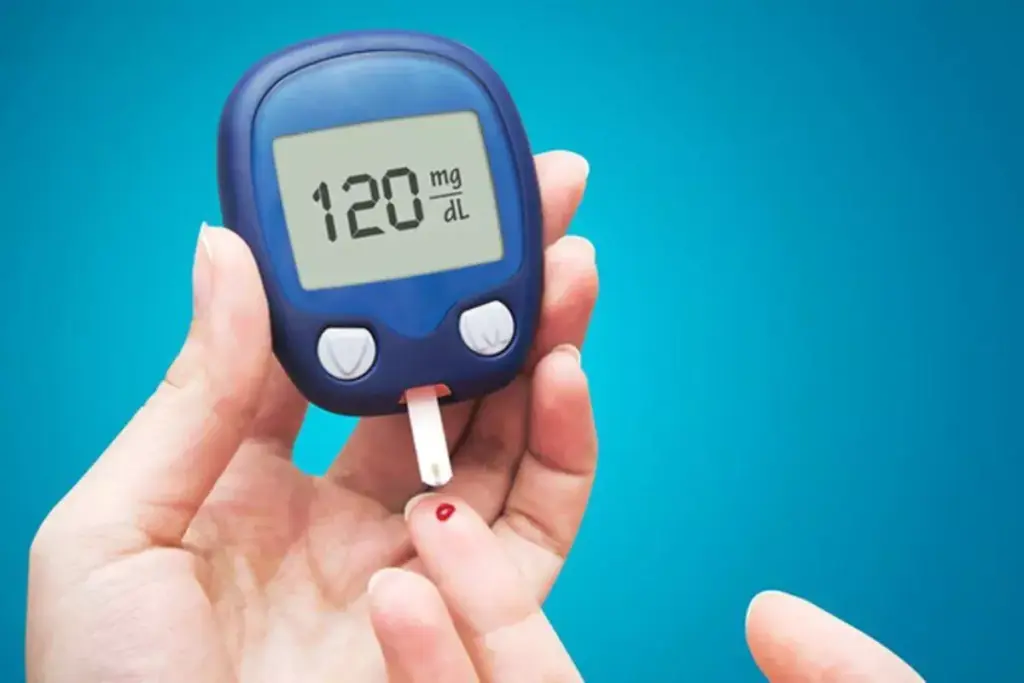
Knowing your insulin fasting range is key to keeping your body healthy and avoiding chronic diseases. It shows how well your body controls blood sugar. We’ll explore what normal and optimal levels are, and what high levels mean.
Normal Fasting Insulin Levels: The 2 to 25 mU/L Range
Normal insulin levels are between 2 to 25 mU/L. But, experts say levels under 10 microunits per milliliter are best for health. Staying in this range helps your body use insulin better and lowers disease risk.
Optimal Insulin Levels for Metabolic Health
Optimal Insulin Levels for Metabolic Health
The best insulin levels are under 10 mU/L. This helps your body use insulin well, reducing the chance of type 2 diabetes and other health problems.
What High Fasting Insulin Levels Indicate
High insulin levels mean your body might not be using insulin well. This is a sign of insulin resistance, a risk factor for type 2 diabetes. It means your body is working hard to keep blood sugar levels stable, which can lead to exhaustion over time.
| Insulin Level (mU/L) | Interpretation | Health Implication |
| 2-10 | Optimal | Good insulin sensitivity, lower risk of metabolic disorders |
| 10-25 | Normal | Moderate insulin sensitivity, room for improvement |
| >25 | High | Insulin resistance, higher risk of type 2 diabetes and metabolic disorders |
Other Insulin Lab Tests: Random and Serum Tests
Doctors also use random or serum insulin tests. These tests check insulin levels at any time, not just after fasting. They help understand how your body handles blood sugar and insulin all day.
Understanding these test results helps you see your metabolic health better. It’s important to talk to your doctor about them to know how to keep your insulin levels healthy.
Conclusion
Knowing your insulin levels is key for good metabolic health. Testing your fasting insulin helps spot insulin resistance early. This can prevent serious health issues later on.
Regular blood tests for sugar and insulin are important. They let you catch any problems early. This way, you can start treatment right away.
Learning about insulin and metabolic health is powerful. It helps you avoid metabolic disorders and stay healthy. By keeping an eye on your insulin levels, you’re on the path to a better life.
FAQ
How do I check my insulin levels?
Insulin levels are measured through a blood test ordered by a healthcare provider, usually at a lab or clinic.
What is a normal fasting insulin level?
Normal fasting insulin levels generally range from 2–25 µIU/mL, but exact ranges may vary by laboratory.
What does a high fasting insulin level indicate?
High fasting insulin may indicate insulin resistance, prediabetes, obesity, or early type 2 diabetes.
How do I prepare for a fasting insulin test?
You should fast for 8–12 hours, avoid food and calorie-containing drinks, and follow your doctor’s instructions.
What is the difference between a fasting insulin test and a random insulin test?
Fasting insulin measures baseline levels after not eating, while a random insulin test measures insulin at any time regardless of meals.
How is a serum insulin test different from a fasting insulin test?
A serum insulin test can be fasting or non-fasting and measures insulin in the blood, whereas a fasting test specifically assesses baseline insulin after fasting.
What are the benefits of monitoring my insulin levels?
Monitoring helps detect insulin resistance, manage diabetes risk, and guide lifestyle or medication adjustments.
How often should I get my insulin levels checked?
Frequency depends on your health status; generally, it’s checked if you have risk factors or symptoms, as advised by your healthcare provider.
References
National Center for Biotechnology Information. Evidence-Based Medical Insight. Retrieved from https://pmc.ncbi.nlm.nih.gov/articles/PMC8465972/