

Did you know drug-induced liver injury is now the top cause of acute liver failure in the U.S.? It’s important to know about liver toxins and which medicines might be risky. This is key for both patients and doctors.
The LiverTox database is a reliable tool. It’s made by the National Institute of Diabetes and Digestive and Kidney Diseases (NIDDK) and the National Library of Medicine (NLM). It gives info on over 1400 medicines and supplements that could harm liver health.
We’ll see how the LiverTox database helps people understand the dangers of some medicines and supplements. We’ll also look at why it’s important in the medical world.
Key Takeaways
- The LiverTox database is a trusted resource for understanding drug-induced liver injury.
- It provides information on over 1400 medications and supplements that may affect liver health.
- The database is a collaborative effort between NIDDK and NLM.
- Understanding liver toxins is critical for patients and healthcare providers.
- The LiverTox database is a valuable resource for identifying possible liver risks.
Understanding Liver Toxins and Their Health Implications
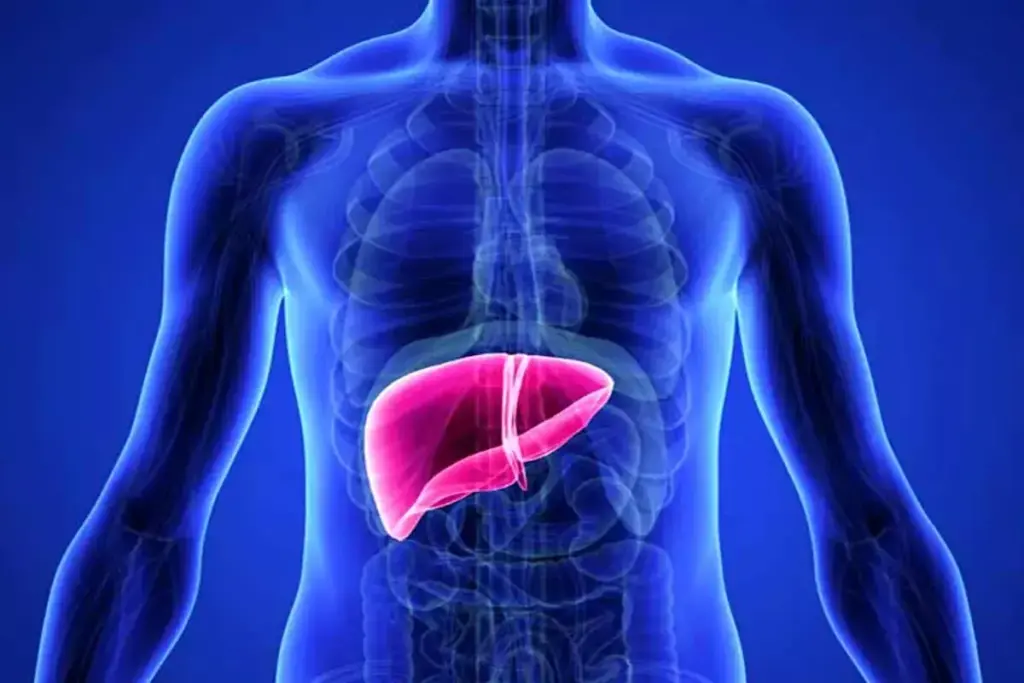
Modern medicine has made us realize how important liver toxins are. These toxins can come from certain drugs and supplements. If not handled right, they can harm our health a lot.
The Rising Prevalence of Drug-Induced Liver Injury
Drug-induced liver injury (DILI) is a big problem in the US. It’s a leading cause of sudden liver failure. The National Institutes of Health has a database called LiverTox. It helps us understand liver damage from drugs and supplements.
More people are getting DILI, which means we need to know more about it. Doctors and patients should both be aware of the dangers of some drugs and supplements.
Identifying High-Risk Medications and Supplements
Some drugs and supplements are more likely to hurt the liver. This includes some antibiotics, anti-inflammatory drugs, and herbal supplements. Knowing which ones are risky is the first step to avoiding harm.
Using reliable sources like the LiverTox database helps us learn about these risks. This knowledge helps us make better choices for our health and the health of our patients.
Recognizing Signs of Liver Toxicity
Spotting liver toxicity early is very important. Symptoms can be mild, like feeling tired or yellow skin, or very serious, like liver failure. Knowing these signs and acting fast can make a big difference.
Here’s a table that shows signs of liver toxicity and what to do:
| Signs of Liver Toxicity | Action to Take |
| Fatigue, jaundice | Consult a healthcare provider for evaluation |
| Dark urine, pale stools | Seek medical attention |
| Severe abdominal pain, vomiting | Immediate medical attention required |
By learning about liver toxins, we can protect our liver health. Being aware and educated helps prevent liver damage from drugs and supplements.
How to Use the LiverTox Database to Check for Liver Toxins
Using the LiverTox database might seem hard at first. But, once you get the hang of it, finding what you need is easy. The LiverTox database is a big help from the National Institutes of Health (NIH). It lets you search for medicines or supplements and tells you if they can harm your liver.
Overview of the LiverTox Database Structure
The LiverTox database is set up to make finding drug info easy. It covers medicines, herbs, and supplements and tells you if they can hurt your liver. It also updates often with new research.
When you use the LiverTox database, you’ll find lots of info on different substances. This includes prescription drugs, over-the-counter items, and supplements. Each entry tells you if a substance can harm your liver, how it might do so, and how likely it is to happen.
Step-by-Step Guide to Searching the Database
Searching the LiverTox database is simple:
- Go to the LiverTox database on the NIH website (livertox.nih.gov).
- Type in the name of the medicine or supplement you want to know about in the search bar.
- Look through the results to find the right profile for your question.
- Read the detailed info carefully, focusing on the parts about liver harm, case reports, and risks.
Interpreting Database Information for Your Medications
Understanding the LiverTox database takes some effort. It uses special terms and data. The database shows how likely a substance is to harm your liver.
| Risk Category | Description | Examples |
| High Risk | Substances known to frequently cause liver injury. | Certain antibiotics, some herbal supplements |
| Moderate Risk | Substances that have been associated with liver injury, but less frequently. | Some anticonvulsants, certain statins |
| Low Risk | Substances rarely associated with liver injury. | Most over-the-counter pain relievers |
Learning how to use the LiverTox database helps you make better health choices. You can understand the risks of your medicines better.
Conclusion: Practical Applications for Medication Safety
We’ve seen how knowing about liver toxins is key. The LiverTox database helps keep us safe from harmful meds. It lets us take care of our health by avoiding liver damage from some drugs and supplements.
The LiverTox database is a treasure trove of info on liver risks from different meds. It helps us make smart choices about our treatments. For example, talking about liver health, or “liver talks,” shows how vital it is to know about liver tox risks. Also, keeping up with “liver ticker” news keeps us in the loop about liver health issues.
Some might ask, “What happened to LiverTox?” But it’s here to stay, helping both doctors and patients. Knowing about “liver tox” risks helps us choose safer, more effective treatments for our health.
Using the LiverTox database gives us the power to protect our liver health. This leads to better health outcomes for all of us.
FAQ
What is the LiverTox database, and how can it help me understand liver toxicity?
The LiverTox database is a tool from the National Institutes of Health (NIH). It gives details on how drugs and supplements can harm the liver. This helps people make smart choices about their health.
How do I access the LiverTox database, and what information does it contain?
You can find the LiverTox database online at livertox.nih.gov. It has lots of info on drugs and supplements. It also talks about liver damage cases.
What are the signs of liver toxicity, and why is early recognition important?
Liver toxicity signs include jaundice, fatigue, dark urine, and stomach pain. Spotting these early is key. Quick medical help can stop serious liver damage.
How can I use the LiverTox database to check the liver toxicity of my medications?
Just type your medication or supplement name into the LiverTox database. It will show if it can harm the liver. This helps you talk to your doctor about the risks.
Is the LiverTox database updated regularly, and can I rely on its information?
Yes, the LiverTox database is updated often. It’s a trusted source for both doctors and patients. It keeps you informed about drug and supplement risks.
Can the LiverTox database help me identify high-risk medications and supplements?
Yes, it sorts drugs and supplements by liver injury risk. This helps you know which ones to avoid. It guides you in making safe choices.
How can healthcare providers utilize the LiverTox database in their practice?
Doctors can use LiverTox to keep up with liver injury info. This helps them give better advice to patients. It also aids in making accurate diagnoses.
Are there any other resources similar to the LiverTox database that I can consult?
Yes, other health groups and studies also talk about liver injury. But LiverTox is special because it’s so detailed and up-to-date.
References:
National Center for Biotechnology Information. Evidence-Based Medical Guidance. Retrieved from https://www.ncbi.nlm.nih.gov/books/NBK548196/[2