
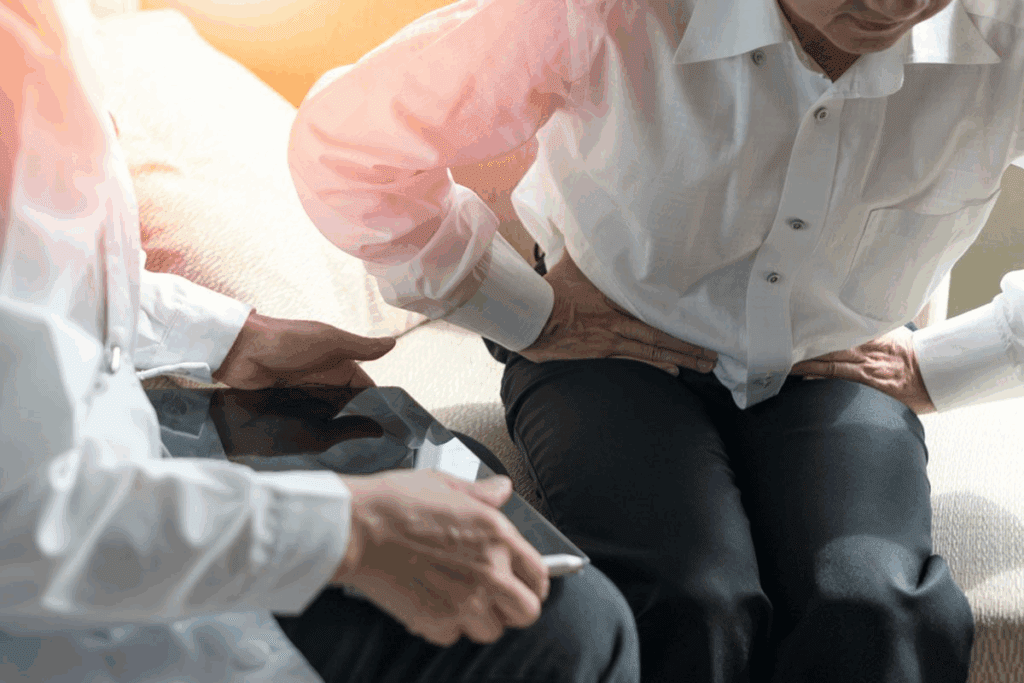
Dealing with a blocked colon can be really tough. Many people look for safe and natural ways to fix it. At Liv Hospital, we know how important it is to handle this carefully.Learn how to clear a blocked colon with 7 of the best safe, natural remedies you can try at home for constipation and mild blockages.
While some blockages need quick medical help, there are gentle ways to help your gut. These natural remedies can support your digestive health.
It’s crucial to approach clearing a blocked colon with caution. Some blockages are very serious and need immediate doctor’s care. We’ll look at natural ways to help your digestive system. But remember, always get medical advice.
Key Takeaways
- Understanding the risks associated with a blocked colon is crucial.
- Natural remedies can support digestive health.
- Medical attention is necessary for severe blockages.
- Combining natural remedies with medical guidance is key.
- Lifestyle changes can help prevent future blockages.
Understanding Colon Blockages: Causes and Symptoms
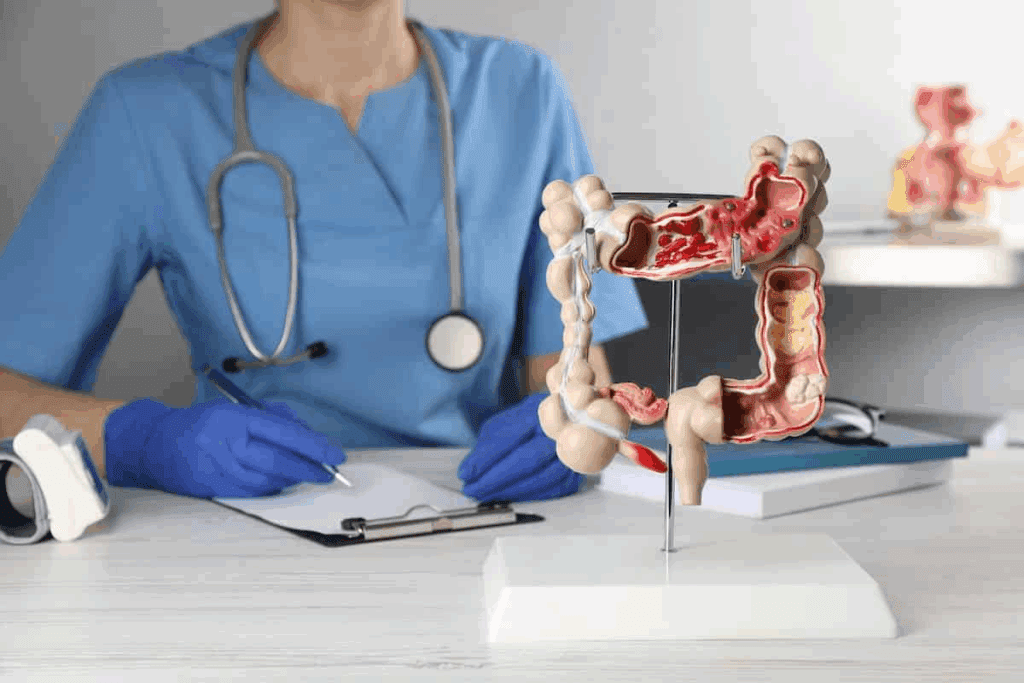
It’s important to know about colon blockages to manage and prevent them. These blockages happen when the intestine’s flow is blocked. This can cause a lot of discomfort and serious problems if not treated quickly.
Common Causes of Colon Blockage
Many things can lead to colon blockages. A low-fiber diet is often a cause. Not being active can also slow down bowel movements, raising the risk of blockages. Medical issues like diverticulitis, inflammatory bowel disease, or tumors can also play a part.
Other reasons include adhesions from surgeries, hernias, and sometimes swallowed objects. Knowing these causes helps in preventing them.
Recognizing the Warning Signs
The signs of colon blockage vary based on the blockage’s location and how bad it is. You might feel abdominal pain and cramping, bloating, or notice changes in your bowel habits. Some people might also feel nausea and vomiting if the blockage is severe.
It’s key to watch for these signs and see a doctor if they don’t go away or get worse.
Differentiating Between Constipation and True Blockage
Constipation makes it hard to pass stools, but a true blockage is more serious. Constipation can usually be helped with diet and lifestyle changes. But, a blockage might need medical help.
Blockages are more severe, causing intense pain and serious risks. If you have bad or lasting symptoms, see a doctor to figure out what’s wrong and how to fix it.
When to Seek Medical Help Immediately

Some colon blockage symptoms need quick medical help to avoid serious problems. While some can be treated at home, others need urgent care. We’ll talk about when you should go to the emergency room or see a doctor.
Red Flag Symptoms That Require Emergency Care
Some symptoms mean you need to see a doctor right away. These signs include:
- Severe abdominal pain that doesn’t get better or gets worse
- Vomiting, especially if it’s bloody or keeps happening
- Fever over 101.5°F (38.6°C)
- Abdominal tenderness or guarding (muscle tension)
- Bloating or swelling of the abdomen
- Constipation or diarrhea that lasts for days
- Blood in the stool or black, tarry stools
If you or someone you know has these symptoms, get medical help fast. Waiting too long can cause serious problems, like bowel perforation or infection.
Conditions That Increase Risk of Serious Blockages
Some health issues or past surgeries can make colon blockages more likely. These include:
- Previous abdominal surgery, which can cause adhesions
- History of colon cancer or other gastrointestinal cancers
- Inflammatory bowel disease (IBD) such as Crohn’s disease or ulcerative colitis
- Diverticulitis or diverticulosis
- Hernias, especially those that are incarcerated or strangulated
People with these conditions should watch their symptoms closely. If they notice anything unusual or severe, they should seek medical help.
Why Some Blockages Cannot Be Treated at Home
While some blockages can be managed with diet and hydration, others need medical help. The complexity of the condition, the risk of complications, and the need for accurate diagnosis mean you should see a doctor.
Some blockages, like those caused by tumors or adhesions, can’t be fixed with home remedies. Also, severe blockages can lead to dehydration, electrolyte imbalance, and other serious issues. Medical care can help avoid these problems.
We stress that while home remedies can help with mild cases, it’s important to talk to a healthcare professional. They can guide you on the best treatment for your situation.
Hydration: Your First Line of Defense
Drinking enough water is key to avoiding colon blockages naturally. We often forget how important water is for our digestive health. It helps soften stool and encourages bowel movements.
How Water Helps Soften Stool and Promote Movement
Water helps dissolve nutrients and minerals, making them easier for our bodies to use. In the case of colon health, it softens stool, making it easier to move through the intestines. Without enough water, the colon takes more water from the stool, leading to constipation and blockages.
Mechanisms of Water in Colon Health:
- Softens stool for easier passage
- Reduces the risk of constipation
- Helps prevent colon blockages
- Supports overall digestive health
Optimal Daily Water Intake for Colon Health
Finding the right amount of water to drink each day can be tricky. It depends on your age, sex, weight, and how active you are. A good starting point is to aim for eight 8-ounce glasses of water a day, known as the 8×8 rule.
| Activity Level | Recommended Water Intake |
| Sedentary | 8 cups (64 oz) |
| Moderately Active | 10 cups (80 oz) |
| Very Active | 12 cups (96 oz) |
Hydrating Beverages Beyond Water
While water is best for staying hydrated, other drinks can also help. Herbal teas, clear broths, and drinks with lots of electrolytes are good options. They’re especially helpful if you find it hard to drink enough plain water.
Examples of Hydrating Beverages:
- Herbal teas like peppermint and chamomile
- Clear broths such as chicken or vegetable broth
- Coconut water for its electrolyte content
Adding these drinks to your daily routine can help keep your colon healthy and support your overall well-being.
Dietary Fiber: Nature’s Intestinal Broom
Dietary fiber is key to a healthy colon. It prevents blockages and helps with regular bowel movements. A diet rich in fiber is good for your bowel habits. We’ll see how fiber helps keep your colon healthy.
Soluble vs. Insoluble Fiber: What Works Best for Blockages
Fiber is mainly two types: soluble and insoluble. Soluble fiber turns into a gel in water, softening stool. Insoluble fiber adds bulk, helping food move through your system. Both are vital for a healthy colon.
For blockages, insoluble fiber is best. But, eating both types is best for your colon’s health.
Gradually Increasing Fiber Intake
It’s important to slowly increase fiber to avoid discomfort. Too much fiber at once can cause bloating and cramps. Start by adding a bit more fiber each day and see how your body reacts.
Drink plenty of water when you increase fiber. It helps fiber move through your system.
Top Fiber-Rich Foods for Colon Health
Eating foods high in fiber is great for your colon. Here are some top choices:
| Food | Fiber Content (grams per serving) |
| Avocado | 10 |
| Split Peas | 16 |
| Broccoli | 5 |
| Almonds | 3.5 |
| Whole Wheat Bread | 3 |
More fiber means better bowel movements and less chance of blockages. Knowing about fiber types and eating fiber-rich foods helps a lot with colon health.
Power Foods That Help How to Clear a Blocked Colon
Choosing the right foods is key to a healthy colon and avoiding blockages. Adding certain power foods to your diet can help keep your bowels regular. This can also ease symptoms of a blocked colon.
Prunes and Other Dried Fruits
Prunes, or dried plums, are famous for their laxative effect. They are packed with fiber, both soluble and insoluble, which softens stool and encourages bowel movements. Apricots, figs, and raisins also offer benefits because of their fiber content.
Benefits of Prunes: – High in dietary fiber – Natural laxative properties – Rich in antioxidants
| Dried Fruit | Fiber Content (per 100g) | Natural Laxative Properties |
| Prunes | 7.1g | Yes |
| Apricots | 8.6g | Moderate |
| Figs | 9.8g | Yes |
| Raisins | 3.7g | Moderate |
Kiwi, Papaya, and Other Enzyme-Rich Fruits
Fruits with digestive enzymes can break down food better. Kiwi and papaya are great because of their enzymes. Kiwi has actinidain and papaya has papain, both helping with protein digestion and preventing blockages.
Benefits of Enzyme-Rich Fruits: – Aid in protein digestion – Promote smoother digestion – Help prevent colon blockages
Healthy Oils and Fats That Lubricate the Intestines
Healthy oils and fats are vital for lubricating the intestines. Foods like flaxseeds and chia seeds, rich in omega-3 fatty acids, reduce inflammation. Olive oil also helps in smooth digestion.
Benefits of Healthy Oils and Fats: – Lubricate the intestines – Reduce inflammation – Aid in smooth digestion
| Food | Benefit |
| Flaxseeds | Rich in omega-3 fatty acids |
| Chia Seeds | Rich in omega-3 fatty acids and fiber |
| Olive Oil | Aids in smooth digestion |
Herbal Teas and Natural Supplements
Herbal remedies have been around for centuries to help with digestion. Certain teas and supplements can ease colon blockages. They are natural ways to support a healthy colon.
Ginger and Fennel Tea Preparations
Ginger and fennel teas are great for digestion. Ginger has anti-inflammatory properties that soothe the digestive tract. Fennel helps reduce bloating and gas. To make a soothing tea, steep fresh ginger or fennel seeds in hot water for 5-10 minutes.
Senna and Other Herbal Laxatives
Senna is a well-known herbal laxative that helps with bowel movements. But, it’s important to use it wisely and with guidance. Other herbal laxatives like psyllium husk and cascara sagrada work by adding bulk or stimulating muscles.
Magnesium Supplements for Gentle Relief
Magnesium supplements can help with colon blockages by relaxing digestive muscles. Magnesium citrate is a good choice because it’s easily absorbed. Always talk to a healthcare provider before starting any supplements.
Probiotics for Long-Term Colon Health
Keeping your colon healthy long-term is just as important as finding quick relief. Probiotics are key for a healthy gut. They help with digestion, bowel movements, and boost the immune system. Adding probiotic-rich foods or supplements to your routine can help keep your colon healthy.
Physical Activity and Movement Techniques
Regular physical activity is key to a healthy colon. It helps keep bowel movements regular. We’ll look at how different activities can prevent and treat colon blockages.
Gentle Exercises That Stimulate Peristalsis
Gentle exercises boost peristalsis, the movement that moves food through your system. Brisk walking is simple yet effective. It boosts peristalsis and heart health. Other good activities include light jogging, cycling, and swimming.
These exercises fit all fitness levels. They’re easy to add to your daily life.
Effective Abdominal Massage Methods
Abdominal massage also aids bowel movements and eases blockages. Lie on your back with knees bent for this massage. Use your fingertips for a circular motion on your lower abdomen.
Use deep, gentle pressure for best results. This relaxes your abdominal muscles and boosts peristalsis.
Yoga Poses for Digestive Health
Yoga has poses that aid digestion and combat constipation. Pawanmuktasana (Wind-Relieving Pose) and Bhujangasana (Cobra Pose) are good examples. Pawanmuktasana brings knees to chest, easing gas and promoting bowel movements.
Bhujangasana arches the back, stimulating digestive organs. Regular practice of these poses can improve colon health.
Adding these activities to your routine can greatly enhance colon health. It’s vital to talk to a healthcare expert before starting any new exercise or massage, especially with health conditions.
Proper Toileting Habits and Positioning
Good toileting habits can greatly help prevent colon blockages. One key way is to use the right posture when on the toilet.
Benefits of the Squatting Position
The squatting position is best for bowel movements. It straightens the rectum and relaxes the puborectalis muscle. This makes it easier to go to the bathroom.
Studies show squatting improves bowel movements. It aligns the rectum and anal canal for better elimination.
Using Toilet Stools and Posture Aids
Many find it hard to squat on a standard toilet. Toilet stools and posture aids help. They lift the feet, reducing the angle between the torso and thighs.
- Toilet stools help maintain a squatting position without straining.
- Posture aids support the back and legs, making bowel movements more comfortable.
Creating a Relaxing Bathroom Environment
A calm bathroom is key for healthy bowel movements. Reducing stress and making it soothing helps relax muscles and promotes regular bowel movements.
Here are some tips for a relaxing bathroom:
- Keep the bathroom clean and tidy.
- Use calming scents like lavender.
- Make sure the bathroom is at a comfortable temperature.
By using these strategies, you can improve your toileting experience and help your colon health.
Creating a Comprehensive Colon Cleansing Plan
To clear a blocked colon, making a personalized cleansing plan is key. It should include natural remedies. This plan helps safely and effectively tackle mild blockages, boosting colon health.
Sample Daily Routines for Mild Blockages
For mild colon blockages, a daily routine is helpful. It should include diet changes, staying hydrated, and gentle exercise. Here’s a routine to try:
- Upon waking: Drink a glass of warm water with lemon to stimulate digestion.
- Breakfast: Eat a high-fiber meal, like oatmeal with fruits and nuts.
- Mid-morning: Take a short walk to help bowel movements.
- Lunch: Eat foods rich in fiber, such as vegetables and whole grains.
- Afternoon: Do gentle yoga poses to aid digestion.
- Evening: Drink a herbal tea, like peppermint or chamomile, to relax your digestive system.
Expert, says, “A healthy digestive system is key to well-being.”
“The key to a healthy digestive system is a balanced diet rich in fiber, plenty of fluids, and regular physical activity.”
Combining Multiple Approaches Safely
When mixing different colon cleansing methods, safety is crucial. Here are some tips:
| Approach | Benefits | Precautions |
| Dietary Changes | More fiber can soften stool. | Slowly add fiber to avoid discomfort. |
| Hydration | Enough water helps prevent constipation. | Watch your urine to ensure you’re drinking enough. |
| Herbal Teas | Some teas can help with bowel movements. | Be careful with senna tea; too much can lead to dependency. |
By carefully combining these methods, you can make a safe and effective colon cleansing plan.
Tracking Progress and Adjusting Your Approach
It’s important to track your progress. This helps you see what works and what doesn’t. Keep a journal to note:
- Bowel movements: how often, consistency, and any discomfort.
- Diet: any diet changes and their impact on bowel movements.
- Hydration: how much water you drink and your urine output.
- Physical activity: any exercise or yoga you do.
Change your plan as needed based on your journal. If you’re still uncomfortable or symptoms get worse, talk to a healthcare professional.
Making a good colon cleansing plan takes time, effort, and flexibility. By using natural remedies, changing your diet, and exercising gently, you can safely clear mild blockages and improve your colon health.
Conclusion: Maintaining Long-Term Colon Health
Keeping your colon healthy for the long term takes hard work and dedication. We’ve talked about natural ways to deal with intestinal blockages and how to take care of your bowel. These steps can help you avoid colon blockages.
Adding these habits to your daily life can make a big difference. Drinking plenty of water, eating foods high in fiber, and doing gentle exercises can boost your colon health. Knowing how to clear a blocked colon is just the start. Keeping your colon healthy is a long-term effort.
We urge you to keep using the natural remedies and healthy habits we’ve shared. This way, you can lower the chance of future blockages and keep your digestive system in top shape. Long-term health and wellness are key to a healthy colon. We’re here to help you on this journey.
FAQ
What are the common causes of colon blockages?
Colon blockages can happen due to what we eat, not moving enough, and health issues. Knowing these causes helps prevent future problems.
How can I differentiate between constipation and a true colon blockage?
Constipation makes it hard to pass stools. A true blockage is a physical stop in the colon. Severe pain, vomiting, or fever mean you need to see a doctor fast.
What are the red flag symptoms that require emergency care for a colon blockage?
Look out for severe pain, vomiting, fever, and bloody stools. If you see these, get help right away.
How does hydration help in clearing a blocked colon?
Drinking water softens stool and helps it move. Water, herbal teas, and clear broths keep your colon healthy.
What is the optimal daily water intake for maintaining colon health?
Drinking at least eight glasses of water a day is good for your colon.
How can dietary fiber help in preventing or clearing colon blockages?
Fiber acts like a natural broom for your intestines. Eating more fiber helps prevent and clear blockages.
What are some power foods that can help clear a blocked colon?
Foods like prunes, kiwi, and papaya are good. Healthy oils and fats also help move things along.
Can herbal teas and natural supplements aid in clearing a blocked colon?
Yes, teas like ginger and fennel, and supplements like senna, can help gently clear a blockage.
How can physical activity help in maintaining colon health?
Gentle exercises, massage, and yoga help move things along. They keep your colon healthy.
What are some proper toileting habits and positioning techniques that can help?
Squatting, using stools, and relaxing in the bathroom helps. It makes bowel movements easier.
How can I create a comprehensive colon cleansing plan?
Mix hydration, fiber, power foods, and exercise. Keep track and adjust as needed for best results.
How can I loosen my bowel blockage at home?
Drink more water, eat fiber, and try gentle laxatives. But, if it doesn’t work, see a doctor.
What are some natural remedies for intestinal blockage?
Try dietary changes, drink more, and use herbal teas and supplements. But, severe cases need a doctor.
Can bowel obstruction be treated with home remedies?
Mild obstructions might be helped by home remedies. But, serious cases need a doctor’s help.
References:
Antoniv, M., et al. (2025). Impact of Multi-Institutional Enhanced Recovery after Surgery (ERAS) Implementation on Morbidity Following Elective Colorectal Surgery: A Retrospective Cohort Study. Annals of Surgery. https://pubmed.ncbi.nlm.nih.gov/39812414/