
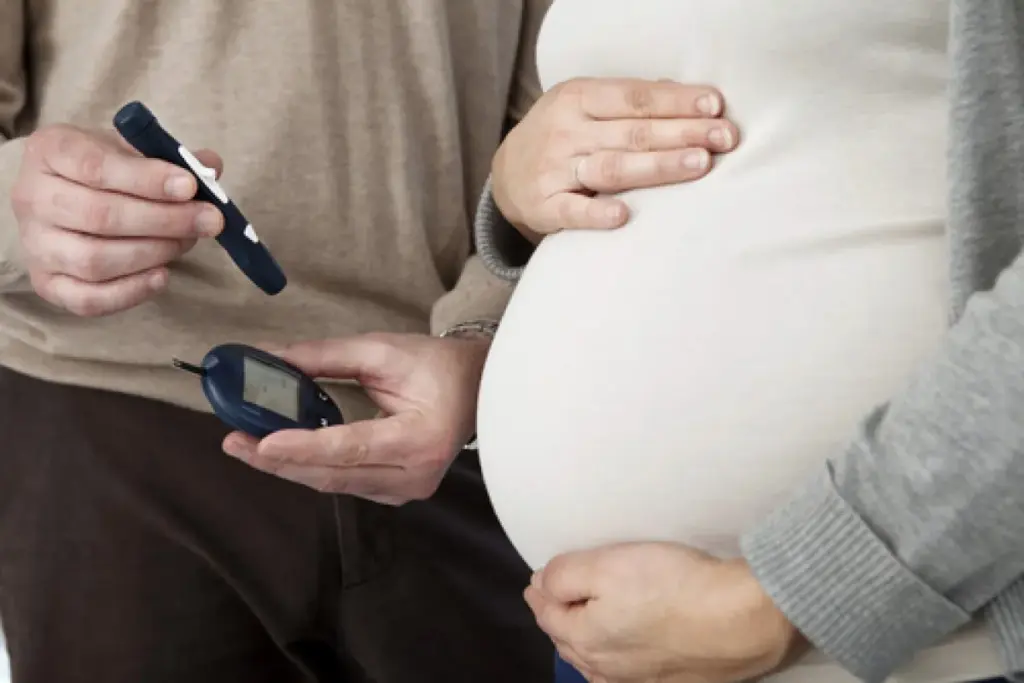
Managing gestational diabetes during pregnancy is possible with the right guidance and care. About 5 to 9 percent of pregnancies in the U.S. are affected by gestational diabetes mellitus each year.
Getting a diagnosis of gestational diabetes can feel overwhelming. But, effective management is vital for a healthy pregnancy. Women can manage their condition by making dietary changes, monitoring glucose levels, and using medication if needed.
This guide will help you understand diagnosis, treatment, and lifestyle changes for gestational diabetes. With the help of expert medical care and proven treatment plans, most women with gestational diabetes can have a healthy pregnancy and give birth at full term.
Key Takeaways
- Gestational diabetes affects about 5 to 9 percent of U.S. pregnancies each year.
- Managing gestational diabetes well is important for a healthy pregnancy.
- Dietary changes, glucose monitoring, and medication (if needed) are key to controlling gestational diabetes.
- Proper care and management help women with gestational diabetes deliver at full term.
- Expert medical supervision and evidence-based treatment plans are essential for managing gestational diabetes.
Understanding and Monitoring Your Gestational Diabetes Diagnosis

Getting diagnosed with gestational diabetes around 24 to 28 weeks of pregnancy can be scary. It’s important to understand what it means for you and your baby. Knowing how to manage it is key to a healthy pregnancy.
What Happens When You’re Diagnosed Around Week 24
Gestational diabetes is often found between 24 and 28 weeks of pregnancy. You’ll get a glucose challenge test first, then a glucose tolerance test if needed. Your doctor will tell you how to keep your blood sugar in check.
Key steps after diagnosis include:
- Understanding your test results and what they mean for your health
- Learning how to monitor your blood glucose levels at home
- Making dietary changes to manage your blood sugar
- Scheduling follow-up appointments with your healthcare provider
Setting Up Home Blood Glucose Monitoring
Monitoring your blood sugar at home is very important. You’ll use a glucometer to check your levels at different times. This helps you see how food and activities affect your blood sugar.
Tips for effective home monitoring:
- Choose a reliable glucometer that is easy to use
- Keep a log of your readings to track patterns over time
- Understand your target blood glucose ranges as advised by your healthcare provider
Managing Low Blood Sugar During Pregnancy
It’s important to manage low blood sugar (hypoglycemia) during pregnancy. Symptoms include dizziness, sweating, and confusion. Knowing how to quickly raise your blood sugar is key.
| Symptom | Action |
| Dizziness | Consume 15 grams of fast-acting carbs (e.g., glucose tablets or juice) |
| Sweating | Check blood glucose level; if low, consume fast-acting carbs |
| Confusion | Seek assistance; consume fast-acting carbs if able |
Scheduling Medical Appointments and Follow-Up Care
Regular doctor visits are important for checking on your gestational diabetes and your baby’s health. These visits help your doctor adjust your treatment plan as needed.
Follow-up care typically includes:
- Regular blood glucose monitoring checks
- Ultrasounds to monitor your baby’s growth
- Nutritional counseling to support healthy eating
Average Week of Delivery with Gestational Diabetes: Treatment and Birth Planning

Managing gestational diabetes is key for a healthy pregnancy and timely birth. Women with gestational diabetes must know their treatment options. These options affect their pregnancy and birth plan.
How to Control Gestational Diabetes Through Diet
Controlling gestational diabetes through diet is vital. It means making smart food choices to keep blood sugar levels healthy. Low sugar foods for pregnant women are great because they prevent blood glucose spikes.
Meal planning is a must for managing gestational diabetes. Counting carbs and picking foods with a low glycemic index helps control blood sugar. Eating regular, balanced meals keeps glucose levels stable all day.
Gestational Diabetes Medication Options and Management
For some, diet alone may not control gestational diabetes, and gestational diabetes medication options might be needed. Medications like metformin or insulin help manage blood sugar when diet and exercise aren’t enough.
The right medication depends on the diabetes’s severity and the woman’s health. It’s important to regularly check blood sugar levels to see if the treatment is working.
Do Women with Gestational Diabetes Go Full Term
With good management, many women with gestational diabetes can deliver at full term. But, the risk of complications might affect delivery timing. Women with well-managed gestational diabetes usually have the same chance of going full term as those without it.
When Earlier Delivery May Be Necessary
In some cases, early delivery might be advised for women with gestational diabetes. This is if there are concerns about the baby’s size or if blood sugar levels are hard to control. The decision on when to deliver depends on the health of both mother and baby.
Knowing what affects delivery timing helps women with gestational diabetes prepare for their baby’s arrival. It also helps them make informed decisions about their care.
Conclusion
Managing gestational diabetes needs a detailed care plan. This includes lifestyle changes, blood sugar monitoring, and medication if needed. By understanding how to manage pregnancy diabetes, women can have a healthy pregnancy and lower the risk of complications.
A good gestational diabetes care plan includes dietary changes and regular blood glucose monitoring. It also includes treatments as prescribed by a healthcare provider. Women often wonder, “have gestational diabetes what do I do?” The key is to follow a personalized care plan and attend regular medical appointments.
With the right management, many women with gestational diabetes can carry their pregnancy to full term. The question “do women with gestational diabetes go full term” is often asked, and the answer is yes. By following a detailed care plan, women can lower the risk of complications and have a healthy pregnancy.
FAQ
What is gestational diabetes and how is it diagnosed?
Gestational diabetes is a type of diabetes that develops during pregnancy when blood sugar levels become high. It is usually diagnosed through a glucose screening test and an oral glucose tolerance test during pregnancy.
How do I manage low blood sugar during pregnancy?
Low blood sugar during pregnancy can be managed by eating small, frequent meals and including healthy carbohydrates. If symptoms occur, consuming a quick source of sugar like fruit juice or glucose tablets can help.
What are the medication options available for gestational diabetes?
Doctors may prescribe insulin or certain oral medications if diet and exercise alone cannot control blood sugar levels. The choice of medication depends on the mother’s health and blood sugar levels.
How can I control gestational diabetes through diet?
A balanced diet with controlled carbohydrates, whole grains, lean proteins, and plenty of vegetables can help manage gestational diabetes. Eating regular meals and avoiding sugary foods is also important.
Can women with gestational diabetes go full term?
Yes, many women with gestational diabetes can carry their pregnancy to full term. Proper blood sugar management and regular medical checkups help ensure a healthy pregnancy.
What is the average week of delivery with gestational diabetes?
Many women with gestational diabetes deliver between 38 and 40 weeks. However, the exact timing depends on blood sugar control and the health of the mother and baby.
How do I manage gestational diabetes in the third trimester?
Managing gestational diabetes in the third trimester includes monitoring blood sugar regularly, following a healthy diet, staying physically active, and taking medication if prescribed by a doctor.
What are the benefits of a complete care plan for gestational diabetes?
A complete care plan helps maintain stable blood sugar levels, reduces pregnancy complications, and supports the healthy development of the baby.
How can I lower my blood sugar while pregnant?
You can lower blood sugar by eating balanced meals, limiting sugary foods, exercising regularly, and monitoring glucose levels as recommended by your doctor.
What should I do if I have gestational diabetes?
If you have gestational diabetes, follow your doctor’s advice, maintain a healthy diet, monitor blood sugar regularly, stay active, and attend all prenatal appointments to keep both mother and baby healthy.
References
https://pmc.ncbi.nlm.nih.gov/articles/PMC9205567/