
Melasma, a skin condition characterized by patches of discoloration, typically on the face, can be challenging to manage. It’s more common in women, especially during pregnancy, and in individuals with darker skin tones. Understanding whether melasma can go away on its own is crucial for those affected.
While the condition can be stubborn, addressing its root causes through lifestyle changes and dietary adjustments can help. The question of whether melasma will ever go away depends on various factors, including hormonal balance, sun exposure, and nutritional deficiencies.
How to cure melasma from the inside? Discover the amazing and powerful internal steps you must take for long-term clear skin today.
Key Takeaways
- Melasma is more common in women and individuals with darker skin tones.
- Lifestyle changes and dietary adjustments can help manage melasma.
- Understanding the root causes of melasma is crucial for effective management.
- Hormonal balance, sun exposure, and nutrition play significant roles in melasma.
- Addressing these factors can help in reducing melasma’s appearance.
Understanding Melasma and Its Causes
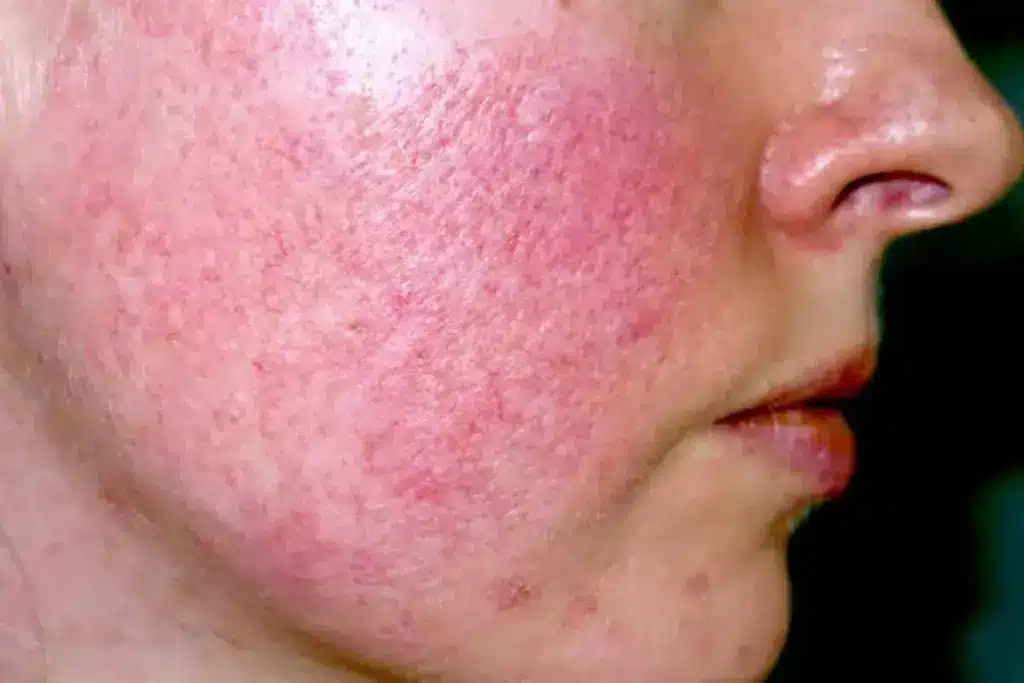
Melasma is a complex condition influenced by a combination of hormonal, genetic, and environmental factors. Understanding what melasma is and its common triggers is the first step towards managing it.
What Is Melasma?
Melasma is a skin condition characterized by patches of discoloration, typically on the face. It is often referred to as the “mask of pregnancy” due to its prevalence among pregnant women. However, it can affect anyone, regardless of gender or age.
Common Triggers for Melasma
Several factors can trigger or exacerbate melasma, including sun exposure, hormonal changes, and genetic predisposition. Understanding these triggers is crucial for developing a management plan.
The Role of Hormones in Melasma
Hormones play a significant role in the development of melasma, particularly during pregnancy or with the use of hormonal contraceptives. Fluctuations in estrogen and progesterone levels can stimulate the production of melanin, leading to the characteristic patches of melasma.
|
Trigger |
Description |
Effect on Melasma |
|---|---|---|
|
Sun Exposure |
UV rays stimulate melanin production |
Darkens melasma patches |
|
Hormonal Changes |
Fluctuations in estrogen and progesterone |
Stimulates melanin production |
|
Genetic Predisposition |
Family history of melasma |
Increases likelihood of developing melasma |
The Connection Between Diet and Skin Health

The food we eat has a profound impact on our skin’s health, and certain nutrients can help get rid of melasma. A diet rich in essential vitamins, minerals, and antioxidants can improve skin clarity and reduce the appearance of melasma. In this section, we’ll explore the nutrients that benefit skin health and the foods that should be avoided to prevent melasma from worsening.
Nutrients That Benefit Skin Health
Certain nutrients are known to benefit skin health significantly. These include vitamins A, C, and E, along with minerals like zinc and omega-3 fatty acids. Vitamin C, for instance, is crucial for collagen production and can be found in citrus fruits and leafy greens. Omega-3 fatty acids, found in fish and nuts, help reduce inflammation, which can improve skin conditions.
- Vitamin A: Important for skin regeneration and can be found in sweet potatoes and carrots.
- Vitamin C: Boosts collagen production and is abundant in citrus fruits and leafy greens.
- Omega-3 Fatty Acids: Reduces inflammation and is found in fish and nuts.
- Zinc: Supports wound healing and is available in oysters and beef.
Foods to Avoid for Clearer Skin
Just as certain nutrients can benefit the skin, some foods can trigger or worsen melasma. It’s essential to limit or avoid foods that cause inflammation and hormonal imbalances.
- Processed Foods: Often high in unhealthy fats and sugars, which can lead to inflammation.
- Dairy Products: Can cause hormonal fluctuations in some individuals.
- Refined Sugars: Leads to insulin resistance and inflammation.
|
Food Category |
Examples |
Impact on Skin |
|---|---|---|
|
Fruits |
Berries, Citrus Fruits |
Rich in Vitamin C, boosts collagen |
|
Vegetables |
Leafy Greens, Carrots |
High in Vitamins A and C, supports skin health |
|
Nuts and Seeds |
Almonds, Walnuts |
Rich in Omega-3 and antioxidants |
|
Processed Foods |
Packaged Snacks, Fast Food |
Can cause inflammation and worsen melasma |
By focusing on a diet rich in beneficial nutrients and avoiding foods that can trigger or worsen melasma, individuals can take a significant step towards managing their condition. A well-balanced diet, combined with other lifestyle changes, can help get rid of melasma and improve overall skin health.
Does Sugar Affect Melasma?
Understanding how sugar impacts the body is crucial for managing melasma effectively. Melasma, a condition characterized by patches of discoloration on the skin, is influenced by various factors including hormonal changes and inflammation. Recent studies have highlighted the role of diet, particularly sugar consumption, in the development and exacerbation of melasma.
The Science Behind Sugar and Inflammation
Consuming high amounts of sugar leads to inflammation in the body. This inflammation can trigger or worsen melasma. When we eat sugar, it causes a spike in blood sugar levels, leading to the production of advanced glycosylation end-products (AGEs). AGEs accumulate over time and stimulate the production of inflammatory cytokines, which can affect the skin.
Key points about sugar and inflammation:
- Sugar consumption leads to the production of AGEs.
- AGEs stimulate inflammatory cytokines.
- Inflammation can exacerbate melasma.
How Sugar Impacts Hormonal Balance
Sugar intake also affects hormonal balance, another critical factor in melasma development. Consuming high-sugar diets can lead to insulin resistance, a condition where the body’s cells become less responsive to insulin. This resistance disrupts hormonal balance, potentially triggering or worsening melasma.
|
Hormonal Impact |
Effect on Melasma |
|---|---|
|
Insulin Resistance |
Disrupts hormonal balance, potentially worsening melasma. |
|
Cortisol Levels |
Increased cortisol due to sugar consumption can lead to inflammation. |
Alternatives to Refined Sugar
Reducing refined sugar intake is beneficial for managing melasma. Natural sweeteners like honey and maple syrup are alternatives, though they should be consumed in moderation. Increasingly, people are turning to sugar substitutes like stevia and erythritol for their sweetness without the glycemic impact.
To manage melasma effectively, it’s essential to be mindful of sugar intake and explore healthier alternatives. By understanding the impact of sugar on inflammation and hormonal balance, individuals can make informed dietary choices to help manage their condition.
Importance of Hydration for Skin Clarity
Water intake is directly linked to skin clarity, and ensuring proper hydration can significantly impact the appearance of melasma. When the body is well-hydrated, it can more effectively flush out toxins that might otherwise contribute to skin discoloration.
“Hydration is essential for maintaining skin health,” as it helps in keeping the skin cells plump and firm, reducing the appearance of fine lines and wrinkles, and improving skin elasticity (Nature’s Best).
How Water Affects Skin Health
Drinking enough water is crucial for skin hydration. It helps maintain the skin’s natural barrier function, ensuring that the skin remains supple and resilient. Dehydration can lead to dry, dull skin that is more prone to melasma.
Proper hydration supports the skin’s natural detoxification processes, helping to remove toxins that can cause or exacerbate melasma. Moreover, well-hydrated skin is more responsive to treatments and topical applications, making hydration a foundational element of any skincare routine.
Tips to Stay Hydrated
To maintain optimal hydration, consider the following tips:
- Drink at least eight glasses of water a day.
- Incorporate hydrating foods like watermelon and cucumbers into your diet.
- Avoid excessive caffeine and alcohol, which can dehydrate the skin.
- Monitor your urine output; it should be pale yellow or clear.
By prioritizing hydration, you can take a significant step towards achieving clearer, healthier-looking skin and reducing the appearance of melasma. As part of a comprehensive approach to managing melasma, hydration complements other lifestyle changes and treatments, such as dietary adjustments and sun protection.
Stress and Its Influence on Melasma
Managing stress is crucial for individuals with melasma, as it can exacerbate the condition through various physiological pathways. Stress triggers the release of hormones like cortisol, which can lead to inflammation and hormonal imbalances. These changes can, in turn, affect the skin, potentially worsening melasma symptoms.
The Link Between Stress and Skin Conditions
Stress has been linked to various skin conditions, including melasma. When we’re under stress, our body’s “fight or flight” response is activated, releasing hormones that can impact skin health. The connection between stress and skin conditions like melasma is supported by research indicating that stress management can play a role in improving symptoms.
One of the ways stress affects melasma is through its impact on hormonal balance. Stress can disrupt the body’s natural hormonal equilibrium, potentially leading to the development or worsening of melasma. Understanding this link is crucial for developing effective management strategies.
Stress-Reduction Techniques
Implementing stress-reduction techniques can be beneficial for managing melasma. Techniques such as meditation, yoga, and deep breathing exercises can help reduce stress levels. Regular exercise, adequate sleep, and a balanced diet also play a significant role in stress management and overall skin health.
- Meditation and mindfulness practices
- Yoga and other physical activities
- Deep breathing exercises
- Adequate sleep and relaxation
By incorporating these stress-reduction techniques into daily life, individuals with melasma may find it easier to manage their condition. Reducing stress not only benefits skin health but also contributes to overall well-being.
Vitamins and Supplements for Melasma
Managing melasma from the inside out involves incorporating essential vitamins and supplements to promote skin health. By addressing nutritional deficiencies and reducing oxidative stress, these nutrients can help alleviate the condition.
To get rid of melasma, it’s crucial to focus on a holistic approach that includes dietary changes and supplementation. Certain vitamins and antioxidants play a significant role in this process.
Key Vitamins for Skin Health
Certain vitamins are particularly beneficial for skin health. Vitamin C, for example, is known for its antioxidant properties, helping to protect the skin from damage caused by free radicals. It also aids in collagen production, which can improve skin texture and reduce the appearance of melasma.
Vitamin E also plays a crucial role in skin health by promoting collagen production and protecting against oxidative stress. Foods rich in these vitamins, such as citrus fruits and nuts, can be beneficial.
The Role of Antioxidants
Antioxidants are vital in reducing oxidative stress, which is a significant factor in the development of melasma. Polyphenols and flavonoids are examples of antioxidants that can be found in various foods and supplements. Incorporating these into your diet can help mitigate the appearance of melasma and answer the question of what is the fastest way to cure melasma naturally.
Using vitamins for melasma, such as Vitamin C and E, can be an effective strategy. These vitamins help in reducing the oxidative stress and promoting overall skin health.
The Impact of Insulin Resistance
Understanding the impact of insulin resistance on melasma is crucial for developing effective treatment strategies. Insulin resistance is a condition where the body’s cells become less responsive to insulin, a hormone produced by the pancreas that regulates blood sugar levels.
Defining Insulin Resistance
Insulin resistance occurs when the body’s cells become desensitized to insulin, making it harder for glucose to enter the cells. As a result, the pancreas produces more insulin to compensate, leading to a range of metabolic problems. Key factors contributing to insulin resistance include obesity, physical inactivity, and a diet high in refined carbohydrates and sugars.
The consequences of insulin resistance are far-reaching, affecting not only blood sugar control but also hormone regulation and skin health. Research has shown that insulin resistance is associated with an increased risk of developing various skin conditions, including melasma.
The Link Between Insulin Resistance and Melasma
Studies have suggested that insulin resistance may play a role in the development of melasma, particularly in individuals with hormonal imbalances. The exact mechanisms are not fully understood, but it is believed that insulin resistance contributes to inflammation and oxidative stress, which can exacerbate melasma.
Some key ways insulin resistance may impact melasma include:
- Increasing androgen hormones, which can stimulate melanin production
- Promoting inflammation, which can worsen skin conditions
- Disrupting normal cellular processes, leading to skin discoloration
Addressing insulin resistance through lifestyle changes, such as dietary modifications and increased physical activity, may help alleviate melasma symptoms. By understanding the complex relationship between insulin resistance and melasma, individuals can take a more holistic approach to managing their condition.
Balancing Hormones Naturally
To get rid of melasma, it’s essential to focus on balancing your hormones. Hormonal imbalance is a significant factor in the development of melasma, and addressing this issue can lead to clearer skin.
One of the primary ways to achieve hormonal balance is through lifestyle changes. Simple adjustments to your daily routine can have a significant impact on your hormonal health.
Lifestyle Changes for Hormonal Balance
Making healthy lifestyle choices is crucial for maintaining hormonal balance. Here are some key changes to consider:
- Eat a Balanced Diet: Focus on consuming whole foods, including fruits, vegetables, whole grains, and lean proteins.
- Exercise Regularly: Physical activity helps regulate hormones and reduce stress.
- Manage Stress: High stress levels can disrupt hormonal balance. Engage in stress-reducing activities like yoga or meditation.
- Get Enough Sleep: Adequate sleep is vital for hormonal regulation. Aim for 7-8 hours of sleep per night.
Herbal Remedies to Consider
In addition to lifestyle changes, certain herbal remedies can support hormonal balance. These natural solutions have been used for centuries to promote overall health.
|
Herbal Remedy |
Benefits |
|---|---|
|
Chasteberry |
Helps regulate hormonal imbalances, particularly for women experiencing menstrual-related issues. |
|
Maca |
Supports hormonal balance and energy levels. |
|
Black Cohosh |
Used to alleviate symptoms associated with hormonal changes, such as hot flashes. |
By incorporating these lifestyle changes and herbal remedies, individuals can take a significant step towards achieving hormonal balance and reducing the appearance of melasma. Understanding how to get rid of melasma naturally involves a holistic approach that includes diet, stress management, and the use of natural remedies.
The Role of Gut Health in Skin Conditions
Emerging evidence suggests that the gut microbiome influences skin health, potentially impacting conditions like melasma. The intricate relationship between the gut and the skin is an area of growing research, offering new insights into how we can manage skin conditions more effectively.
Understanding the Gut-Skin Connection
The gut and the skin are connected through the gut-skin axis, a bidirectional communication network that involves the nervous system, the endocrine system, and the immune system. An imbalance in the gut microbiome, also known as dysbiosis, can lead to various skin issues, including melasma.
Several factors can disrupt the balance of the gut microbiome, such as:
- Poor diet: Consuming high amounts of processed foods and sugar can negatively impact gut health.
- Stress: Chronic stress can alter the gut microbiome.
- Antibiotics and medications: Certain medications can disrupt the balance of gut bacteria.
Probiotics and Skin Improvements
Probiotics are live microorganisms that confer health benefits when administered in adequate amounts. They can help restore the balance of the gut microbiome, potentially improving skin conditions like melasma.
Some ways probiotics can benefit the skin include:
- Reducing inflammation
- Enhancing the skin’s barrier function
- Improving the skin’s hydration levels
To incorporate probiotics into your regimen for managing melasma, consider:
- Consuming probiotic-rich foods like yogurt and kefir
- Taking probiotic supplements after consulting with a healthcare professional
By addressing gut health, individuals may find a valuable ally in their quest to manage melasma and improve their overall skin health. Understanding the connection between the gut and the skin can open up new avenues for treatment and prevention.
Sun Protection and Melasma Management
Understanding the impact of UV rays on melasma is vital for its management. Sun protection is critical in preventing melasma from worsening. Effective management of melasma requires a comprehensive approach that includes protecting the skin from harmful UV radiation.
Why SPF Is Crucial for Melasma
SPF, or Sun Protection Factor, is a measure of how well a sunscreen protects against ultraviolet B (UVB) rays, which are a primary cause of sunburn and play a key role in causing melasma. Using a broad-spectrum sunscreen with a high SPF is essential for preventing the darkening of melasma patches.
Best Types of Sunscreens to Use
When it comes to choosing a sunscreen for melasma, it’s recommended to use a broad-spectrum sunscreen with an SPF of 30 or higher. Physical sunscreens containing zinc oxide or titanium dioxide are often preferred because they provide a physical barrier against UV rays.
|
Sunscreen Type |
SPF |
Key Ingredients |
Benefits for Melasma |
|---|---|---|---|
|
Physical |
30-50 |
Zinc Oxide, Titanium Dioxide |
Provides a physical barrier against UV rays |
|
Chemical |
30-50 |
Avobenzone, Octinoxate |
Absorbs UV rays, lightweight feel |
|
Hybrid |
30-50 |
Combination of physical and chemical active ingredients |
Offers both physical protection and absorption of UV rays |
In conclusion, using the right sunscreen is a crucial step in managing melasma. By understanding the different types of sunscreens available and their benefits, individuals can make informed decisions about their sun protection. Always choose a broad-spectrum sunscreen with an SPF of 30 or higher, and consider consulting with a dermatologist for personalized recommendations.
Seeking Professional Help
While lifestyle changes and natural remedies can help manage melasma, there are instances where seeking professional help is necessary to effectively get rid of melasma. Understanding when to consult a dermatologist and the available treatment options can provide a more comprehensive solution.
Dermatologist Consultation
If melasma persists despite trying various natural remedies, it’s essential to consult a dermatologist. They can assess the condition and recommend suitable treatments. A dermatologist can help determine the underlying causes of melasma and suggest the fastest way to cure melasma naturally.
Available Treatments
Professional help for melasma may include various treatments such as chemical peels, microdermabrasion, or laser therapy. These treatments can help reduce the appearance of melasma and prevent further darkening. In some cases, a dermatologist may prescribe medications to help manage the condition.
By seeking professional help, individuals can receive personalized guidance and treatment, ultimately helping them achieve clearer skin and regain confidence.
FAQ
Can melasma go away on its own?
Melasma can fade on its own, especially after pregnancy or when hormonal contraceptives are stopped. However, it can persist in some individuals, requiring treatment to manage its appearance.
Can melasma appear on parts of the body other than the face, like the stomach?
Yes, while melasma most commonly appears on the face, it can also occur on other areas exposed to the sun, such as the neck, arms, and stomach, although it’s less common in these areas.
How can I get rid of melasma?
Getting rid of melasma involves a combination of sun protection, lifestyle changes, and potentially, medical treatments. Using sunscreen daily, wearing protective clothing, and avoiding excessive sun exposure are crucial steps.
Can turmeric help with melasma?
Turmeric contains curcumin, which has anti-inflammatory and antioxidant properties that may help reduce the appearance of melasma. However, its effectiveness can vary, and it should be used as part of a comprehensive approach.
Can melasma be cured permanently?
While melasma can be managed and its appearance reduced, a permanent cure is challenging. Continuous sun protection and potentially, ongoing treatment, are necessary to keep melasma under control.
How to get rid of melasma naturally?
Natural methods to manage melasma include dietary changes, such as consuming foods rich in antioxidants and omega-3 fatty acids, staying hydrated, reducing stress, and using natural products like turmeric or aloe vera.
What is the fastest way to cure melasma naturally?
The fastest way to manage melasma naturally involves a multi-faceted approach, including strict sun protection, a balanced diet, adequate hydration, stress management, and potentially, supplements like vitamin C or probiotics.
Will melasma ever go away completely?
For some individuals, melasma may fade over time, especially if the triggering factors are removed or managed. However, for others, it may be a persistent condition requiring ongoing management.
References
National Center for Biotechnology Information. Evidence-Based Medical Insight. Retrieved from https://pubmed.ncbi.nlm.nih.gov/29271443/