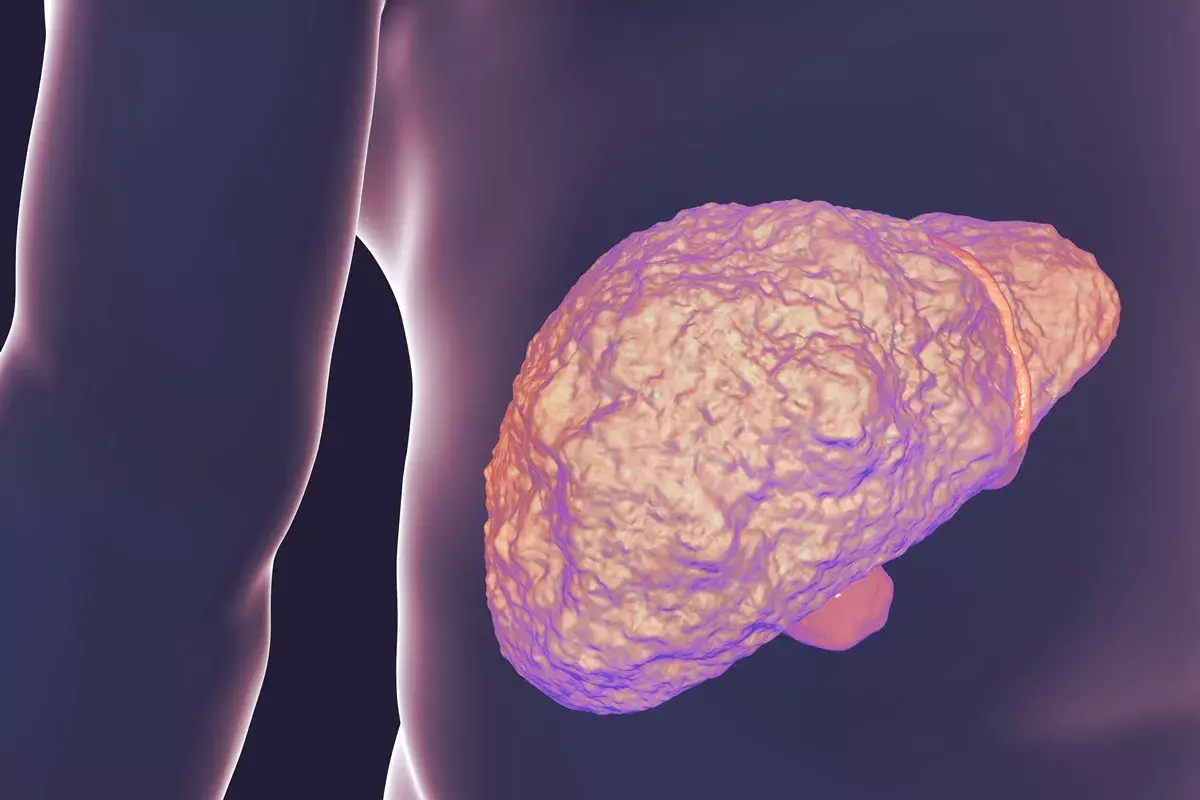

Many adults skip important colorectal cancer screenings because they’re scared of colonoscopies. The Centers for Disease Control and Prevention (CDC) says about 30% of adults haven’t had their screenings.This ultimate guide covers 5 best ways how to detect colon cancer without colonoscopy, from Cologuard to FIT, and their accuracy.
Thinking about a colonoscopy can be scary. But, there are alternative methods to find colon cancer without a traditional colonoscopy.
At Liv Hospital, we focus on new, patient-friendly ways to screen for cancer. We want to make it easy and comfortable to find cancer early.
Key Takeaways
- There are many good ways to find colon cancer without a colonoscopy.
- Non-invasive tests can help those worried about invasive procedures and prep.
- Liv Hospital offers advanced, patient-centered screening solutions.
- Finding cancer early is key to treating it well.
- Now, patients have more ways to keep themselves healthy.
Understanding Colon Cancer and Screening Importance

It’s key to know about colon cancer and why screening is important. Colon cancer, also known as colorectal cancer, is a big health issue in the U.S.
Colon Cancer Statistics in the United States
Colorectal cancer is the fourth most common cancer in men and women in the U.S. The American Cancer Society and National Cancer Institute say so. About 150,000 new cases are diagnosed every year.
Year | New Cases | Deaths |
2020 | 147,950 | 53,200 |
2019 | 145,600 | 51,020 |
2018 | 140,250 | 50,630 |
These numbers show why we need to be aware and get screened. Yet, about 30% of eligible adults skip screening because they don’t want a colonoscopy.
Risk Factors and Warning Signs
Several things can increase your chance of getting colon cancer. These include age, family history, and certain genetic syndromes. Signs to watch for include changes in bowel habits, blood in the stool, and ongoing belly pain.
- Age over 50
- Family history of colon cancer
- Personal history of inflammatory bowel disease
- Genetic syndromes such as Lynch syndrome
Knowing these risk factors and signs can help you get medical help sooner.
“Early detection is key to surviving colon cancer. By understanding the risk factors and warning signs, individuals can take proactive steps towards prevention and early detection.”
Medical Expert, Colon Cancer Specialist
Impact of Early Detection on Survival Rates
Finding colon cancer early can greatly improve survival chances. If caught early, the five-year survival rate is over 90%. But, if found later, survival rates drop a lot.
Screening tests are vital for catching colon cancer early. This means treatment can start sooner, leading to better outcomes.
Why Many People Avoid Traditional Colonoscopies
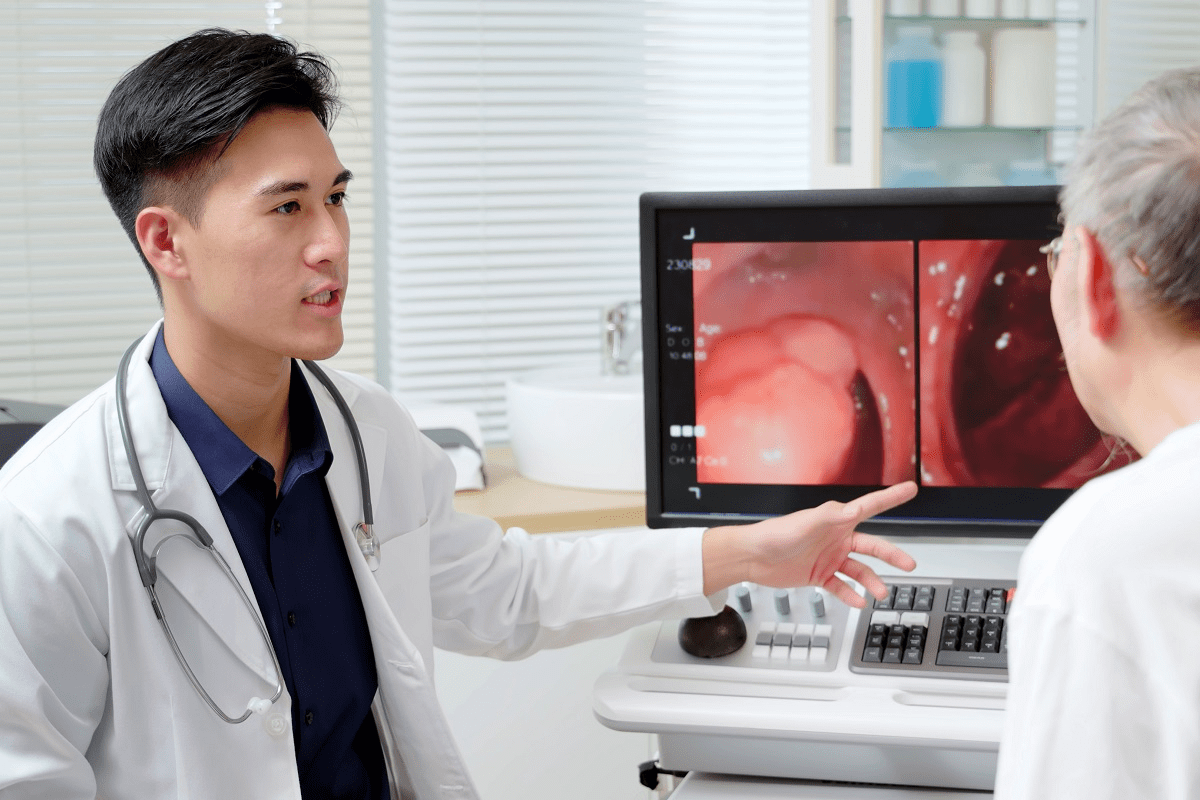
Many adults shy away from colonoscopies because of fear. The idea of getting a colonoscopy can be scary. Several reasons explain why people avoid it.
Common Fears and Concerns About the Procedure
People worry about the invasive nature of colonoscopies. They fear discomfort or pain. The bowel preparation needed beforehand also scares some.
Others are uneasy about the sedation used. They worry about complications and feel it invades their privacy.
The 30% Avoidance Rate Among Eligible Adults
The CDC reports that 30% of adults miss out on colorectal cancer screenings. This shows a big gap in preventive care. It means nearly a third of those who should get screened don’t.
Medical Conditions That May Prevent Colonoscopy
Some medical conditions make colonoscopies risky or impossible. For example, severe heart conditions or certain surgeries can be a no-go. So can some gastrointestinal issues.
This highlights the need for alternative screening methods. These can be safer and more accessible for more people.
How to Detect Colon Cancer Without Colonoscopy: Available Options
Colon cancer screening has changed, with new options beyond the usual colonoscopy. These choices meet different needs and preferences, making it easier to find colon cancer.
Overview of Non-Invasive and Less-Invasive Alternatives
There are many tests to find colon cancer without a colonoscopy. Stool-based tests look for hidden blood or DNA changes in stool. Visual exams like CT colonography use imaging to see the colon and find problems. Also, new blood-based tests can find colon cancer through blood samples.
Stool-based tests are a top choice for non-invasive screening. They find hidden blood or DNA changes in stool that might show colon cancer. Visual exams, like CT colonography, use imaging to see the colon and find issues.
Comparing Sensitivity and Specificity of Different Methods
Each screening method has its own sensitivity and specificity. For example, the multitarget stool DNA test is very sensitive but slightly less specific. This means it’s good at finding colon cancer but might miss some cases.
- FIT (Fecal Immunochemical Test): High specificity, moderate sensitivity
- Multitarget stool DNA test: High sensitivity, moderate specificity
- CT Colonography: High sensitivity for larger polyps, variable for smaller ones
Recommended Screening Ages and Frequency for Each Method
Screening advice changes based on the method and risk factors. Generally, people at average risk should start screening at 45. The screening schedule depends on the method used:
Screening Method | Recommended Starting Age | Frequency |
FIT | 45 | Annually |
Multitarget stool DNA test | 45 | Every 3 years |
CT Colonography | 45 | Every 5 years |
Talking to a healthcare provider is key to find the best screening method and schedule. This depends on your risk factors and medical history.
Fecal Immunochemical Testing (FIT): The Annual At-Home Option
Fecal Immunochemical Testing (FIT) is a big step in finding colon cancer early. It lets you test for colon cancer at home once a year. This method is popular because it’s easy to use and good at finding hidden blood in your stool.
Detecting Hidden Blood
FIT tests find blood in your stool, which can mean colon cancer early. They’re better than old tests because they only look for human blood. This means they don’t get confused by food.
“FIT is great for people who don’t want a colonoscopy,” says Medical Expert, a gastroenterologist. “It’s a big step in making it easier to screen for colon cancer.”
Completing a FIT Test
Here’s how to do a FIT test:
- Get a FIT kit from your doctor.
- Follow the instructions to collect a stool sample.
- Send the sample back to your doctor or lab.
FIT tests are easy to use. They come with clear instructions to help you.
Accuracy and Limitations
FIT tests are very good at finding colon cancer, but they’re not perfect. They might miss some cancers, like those that don’t bleed much.
Screening every year helps FIT tests work better.
Cost and Accessibility
FIT is cheaper than a colonoscopy and many insurances cover it. It’s also easy to do at home. This makes it a good choice for people who can’t get to a doctor’s office.
In short, FIT is a good choice for yearly colon cancer screening. It’s easy, effective, and affordable. Knowing how FIT works helps you choose the best screening for you.
Multitarget Stool DNA Testing: Combining Blood and DNA Analysis
Multitarget stool DNA testing combines FIT and DNA analysis for colon cancer screening. It’s non-invasive and has high detection rates. This makes it a popular choice for many.
How Tests Like Cologuard Function
Tests like Cologuard analyze stool for blood and DNA mutations. This dual method boosts the test’s ability to find cancer and pre-cancerous conditions.
To use the test, you collect a stool sample at home. Then, it’s sent to a lab for analysis. The test looks for abnormal DNA and blood, signs of colon cancer or polyps.
The 92% Detection Rate in Clinical Studies
Clinical studies show Cologuard’s high detection rate for colon cancer. It’s 92% effective, making it a top choice for average-risk individuals.
This high rate means the test can spot those who need further checks. It helps catch colon cancer early, reducing its incidence.
Three-Year Testing Interval Benefits
Multitarget stool DNA testing is recommended every three years if negative. This longer interval makes screening more manageable for patients.
The three-year gap is based on colon cancer’s slow development. The test’s high sensitivity allows for longer intervals without losing detection power.
Who Should Consider This Option
People at average risk of colon cancer, aged 45 or older, should consider this test. It’s great for those who prefer a non-invasive option or are hesitant about colonoscopies.
But, those with a higher risk due to family history or other factors may need more frequent or different screenings. Always check with your healthcare provider.
Virtual Colonoscopy (CT Colonography): The Imaging Alternative
Virtual colonoscopy, also known as CT colonography, is a modern way to screen for colon cancer. It’s a non-invasive test that uses CT scanning to create detailed images of the colon and rectum.
The Procedure Process and Experience
The process starts with bowel preparation, similar to traditional colonoscopy. On the day, air is pumped into the colon through a small tube. This makes the colon easier to see.
The CT scanner then takes images of the colon. These images are turned into 3D models for doctors to examine.
Unlike traditional colonoscopy, virtual colonoscopy doesn’t need sedation. This makes it more appealing to some patients. The whole process takes about 10-15 minutes, but preparation and recovery can take longer.
Advantages Over Traditional Colonoscopy
One big advantage of virtual colonoscopy is it’s less invasive. Patients don’t need sedation, so they can usually go back to their normal activities right away. It’s also more comfortable for those who are anxious or have medical conditions that make sedation risky.
Limitations and Preparation Requirements
Despite its benefits, virtual colonoscopy has limitations. It requires thorough bowel preparation, which can be uncomfortable. If polyps or abnormalities are found, a traditional colonoscopy is usually needed for removal or further examination.
Aspect | Virtual Colonoscopy | Traditional Colonoscopy |
Bowel Preparation | Required | Required |
Sedation | Not Required | Required |
Procedure Time | 10-15 minutes | 30-60 minutes |
Polyp Removal | Not Possible | Possible |
When Follow-Up Traditional Colonoscopy May Be Needed
If virtual colonoscopy finds polyps or abnormalities, a traditional colonoscopy is often needed. This ensures any issues are fully addressed.
In conclusion, virtual colonoscopy is a valuable alternative for colon cancer screening. It’s less invasive and has significant diagnostic capabilities. While it has its limitations, its benefits make it a good option for many patients.
Emerging Blood-Based Tests for Colon Cancer Detection
Blood-based tests are a new hope for catching colon cancer early. They are easier to use than old methods, making them more appealing to patients.
Current Blood Test Options on the Market
There are many blood tests out there for colon cancer screening. They look for special signs of cancer, like DNA changes or proteins.
- Septin9 Test: One of the first FDA-approved blood tests for colon cancer screening.
- Other Emerging Tests: Various tests are in clinical trials, focusing on different biomarkers and combinations of biomarkers.
Effectiveness Compared to Other Screening Methods
Blood tests are convenient, but how well they work is key. Studies show they’re not as good as colonoscopies or stool tests.
Screening Method | Sensitivity | Specificity |
Colonoscopy | Very High | High |
Stool-Based Tests | High | High |
Blood-Based Tests | Moderate | High |
Future Developments in Blood-Based Testing
Blood tests are getting better, thanks to new research. Scientists are finding more signs of cancer and making tests smarter.
These advancements could make blood tests a big help in finding colon cancer. They might be a good choice for people who don’t want to try other, more invasive tests.
Creating Your Personal Screening Plan
To take control of your colon health, it’s vital to develop a screening plan that suits your specific needs. This involves understanding your individual risk factors, consulting with your healthcare provider, and potentially combining different screening methods.
Assessing Your Individual Risk Factors
Your risk factors play a significant role in determining the most appropriate screening schedule for you. The American Cancer Society recommends that individuals with an average risk of colon cancer start regular screening at age 45. Those with a family history or other risk factors may need to begin screening earlier or more frequently.
Key risk factors to consider include:
- A family history of colon cancer or polyps
- A personal history of inflammatory bowel disease
- Certain genetic syndromes, such as Lynch syndrome
- A history of radiation therapy to the abdomen
As Medical Expert, a gastroenterologist, notes, “Understanding your family history and personal medical background is key in determining your risk level and creating an effective screening plan.”
“The more we know about a patient’s risk factors, the better we can tailor a screening strategy that meets their unique needs.”
Important Questions to Ask Your Healthcare Provider
When discussing your screening plan with your healthcare provider, it’s essential to ask the right questions. These may include:
- What is my individual risk level for colon cancer?
- Which screening method or combination of methods do you recommend for me?
- How often should I undergo screening based on my risk factors?
- Are there any specific preparations or follow-ups required for the recommended screening tests?
Combining Screening Methods for Optimal Detection
While various screening methods are available, combining them can sometimes offer enhanced detection capabilities. For instance, using both a Fecal Immunochemical Test (FIT) and a multitarget stool DNA test may provide a more complete assessment of your colon health.
When considering a combination approach, keep in mind:
- The sensitivity and specificity of each test
- The frequency of testing recommended for each method
- Any possible overlap or redundancy in the information provided by multiple tests
By working closely with your healthcare provider and staying informed about your options, you can create a personalized screening plan. This plan maximizes your chances of early detection and effective treatment if needed.
When Traditional Colonoscopy May Be Necessary
Even though new screening options exist, traditional colonoscopy is key for some. It might seem scary, but for many, it’s a must for health checks.
High-Risk Patient Categories
Some people face a higher risk of colon cancer. This includes those with a history of colon cancer or polyps, those with inflammatory bowel disease (IBD), and those with Lynch syndrome or Familial Adenomatous Polyposis (FAP). For them, colonoscopy is often the first choice for screening.
Follow-Up After Positive Alternative Tests
If an alternative test shows something abnormal, a colonoscopy is usually needed. This is to confirm the findings and remove any polyps. Always talk to your doctor about what to do next.
Family History and Colonoscopy
Having a family history of colon cancer raises your risk. If a close relative had colon cancer, your doctor might suggest a colonoscopy. This is to be safe. We can help you figure out the best screening plan based on your family history.
In summary, even with new screening options, traditional colonoscopy is important for some. Knowing your risks and talking to your doctor helps you make the right choices for your health.
Conclusion: Making an Informed Screening Decision
We’ve looked at different ways to find colon cancer, like fecal immunochemical testing (FIT), multitarget stool DNA testing, and virtual colonoscopy. Each has its own good points and things to think about.
When picking a screening, think about your risk, what you prefer, and your health history. Talking to your doctor is key to finding the right choice for you. Knowing about these options helps you make a smart decision.
Early detection is key in fighting colon cancer. Picking a screening that fits you can greatly boost your treatment chances. Start by talking to your doctor about your options.
FAQ
How can I rule out colon cancer at home?
You can use at-home tests like Fecal Immunochemical Testing (FIT) or multitarget stool DNA testing. These tests are easy to do at home. They offer a convenient option instead of a colonoscopy.
What are the alternatives to a colonoscopy?
Alternatives include Fecal Immunochemical Testing (FIT), multitarget stool DNA testing, and virtual colonoscopy (CT colonography). There are also blood-based tests. Each has its own sensitivity and specificity for finding colon cancer.
Do I need a colonoscopy if I have no symptoms?
Even without symptoms, you might need a colonoscopy or an alternative test if you’re at risk for colon cancer. Guidelines suggest starting screening at age 45 for those at average risk.
What is the new procedure instead of a colonoscopy?
New alternatives include multitarget stool DNA testing, virtual colonoscopy (CT colonography), and blood-based tests. These options are getting better at finding colon cancer.
Can colon cancer be detected by a stool sample?
Yes, tests like Fecal Immunochemical Testing (FIT) and multitarget stool DNA testing can find colon cancer in stool samples. They look for hidden blood and DNA changes linked to cancer.
Are colonoscopies required for everyone?
Not everyone needs a colonoscopy. Some people might choose alternative tests based on their risk and preferences. But, those at high risk or with positive test results might need a colonoscopy.
How often should I get screened for colon cancer?
Screening frequency varies by method and your risk. For example, FIT is done yearly, while multitarget stool DNA testing is every three years.
What are the benefits of non-invasive colon cancer screening?
Non-invasive tests are convenient and lower the risk of complications. They also make it easier to follow screening guidelines. They’re great for those who are nervous about colonoscopy.
Who should consider alternative colon cancer screening methods?
Those at average risk, hesitant about colonoscopy, or with medical conditions that make colonoscopy hard might choose alternative tests. Always talk to your doctor about your options.
Reference:
National Center for Biotechnology Information. Evidence-Based Medical Guidance. Retrieved from https://pubmed.ncbi.nlm.nih.gov/36039489/