
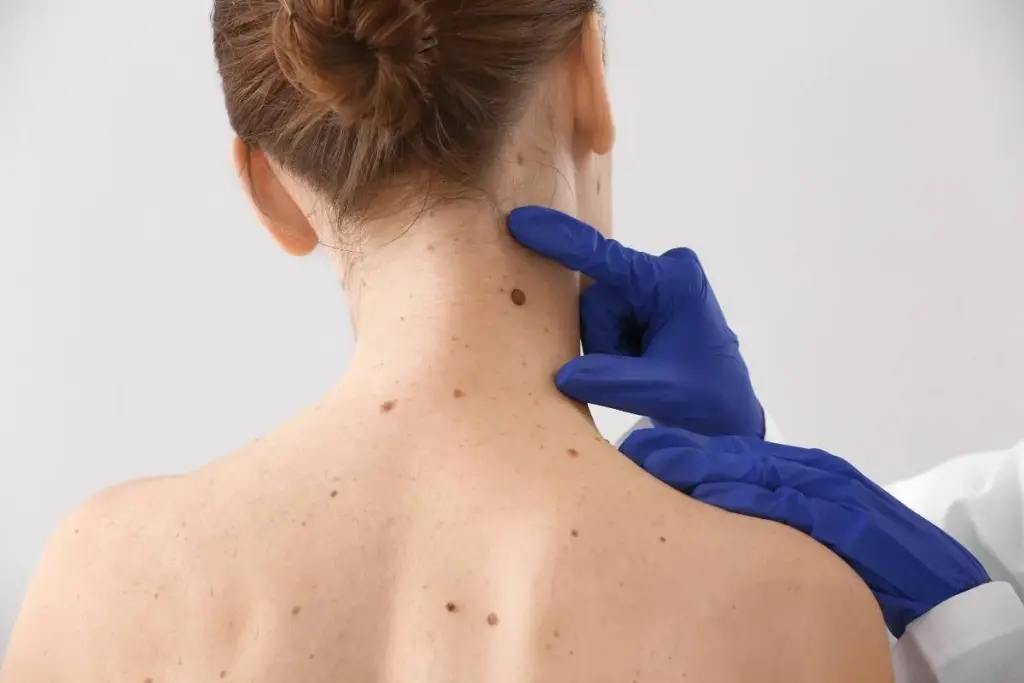
Millions are using skin scanning apps on their phones for early cancer detection. But can we really trust these tools with our health?
Studies show AI-driven mole-mapping tech boosts early melanoma detection by up to 23%. We’ll look into how these apps work and their role in catching cancer early.
Key Takeaways
- AI-powered skin scanning apps can aid in early cancer detection.
- Mole-mapping technology has shown a 23% increase in early melanoma detection rates.
- These apps have the power to improve detection rates and save lives.
- But, their accuracy and reliability are areas of ongoing research.
- Always get a medical check-up for a proper diagnosis.
The Growing Concern of Skin Cancer
Skin cancer cases are rising fast. Understanding the risks, symptoms, and the significance of early detection is essential. This is to fight this growing health issue. Skin cancer is common worldwide, and it’s a big problem in the United States.
Statistics on Skin Cancer Prevalence in the United States
The Skin Cancer Foundation says about 1 in 5 people in the U.S. will get skin cancer by age 70. This shows how common it is and why we need to be more aware and take steps to prevent it. The American Cancer Society predicts over 9,500 new cases of skin cancer every day in the U.S.
Skin cancer isn’t just for certain people. It can happen to anyone, no matter their skin type or background. While some things might make you more likely to get it, anyone can be at risk.
Risk Factors for Developing Skin Cancer
Several things can increase your chance of getting skin cancer, including:
- Being exposed to UV radiation from the sun or tanning beds
- Having fair skin, light hair, and light eyes
- Having had sunburns, often when you were a kid
- Having a family history of skin cancer
- Having many moles or moles that look different
Knowing these risk factors is important. It helps you spot skin cancer early and take steps to prevent it.
The Critical Importance of Early Detection
Finding skin cancer early is key to treating it effectively. If caught early, skin cancer is often treatable, and survival chances are much better. The best way to find it early is to know the signs and check your skin often for any changes.
A study in found that finding and treating skin cancer early can greatly improve outcomes and survival rates. So, it’s important to stay alert about your skin health and see a doctor if you notice anything unusual.
By knowing the risks and watching your skin, you can help identify skin cancer early. This way, you can get medical help quickly if needed.
Traditional Methods of Skin Cancer Detection
It’s important to know how skin cancer was found before digital tools came along. Dermatologists used old but reliable ways to spot cancerous moles and skin lesions.
Visual Examination by Dermatologists
Dermatologists have always looked at the skin to find cancer. They check for odd moles or lesions. This method depends a lot on the doctor’s skill and experience.
The ABCDE Method for Evaluating Moles
The ABCDE method helps check moles. It stands for:
- Asymmetry: One half of the mole doesn’t match the other.
- Border: The edges are irregular, ragged, or blurred.
- Color: The color is not uniform and may include shades of brown, black, or even patches of red, white, or blue.
- Diameter: The mole is larger than 6mm (about the size of a pencil eraser).
- Evolving: The mole is changing in size, shape, or color.
Biopsy Procedures and Their Role in Diagnosis
If a mole looks suspicious, a biopsy is done. A biopsy takes a skin sample and checks for cancer cells under a microscope.
|
Biopsy Type |
Description |
Use in Skin Cancer Detection |
|---|---|---|
|
Shave Biopsy |
Removes the top layers of skin. |
Used for lesions that are raised or suspected to be superficial. |
|
Punch Biopsy |
Removes a small, circular sample of skin. |
Ideal for deeper lesions or when a larger sample is needed. |
|
Excisional Biopsy |
Removes the entire lesion along with a margin of normal skin. |
Used when a lesion is highly suspicious or large. |
Biopsy results tell if you have cancer. This helps plan the right treatment.
The Digital Revolution in Dermatology
Digital innovations are changing how we deal with skin cancer. They offer new ways to detect and treat it. This change has made care better and more accessible.
From In-Person to Digital Screening
Old ways of seeing a dermatologist are now joined by digital methods. Telemedicine lets people talk to doctors from home. This is great for those in remote or hard-to-reach places.
Tools like skin cancer apps help people check their skin. They use smart tech to look at moles and spots. This helps figure out if a visit to the doctor is needed.
The Emergence of Telemedicine in Dermatology
Telemedicine has changed dermatology by making remote visits possible. It’s easier for patients and makes better use of resources. Dermatologists can look at skin issues, give advice, and suggest next steps without a face-to-face meeting.
- Remote monitoring of skin conditions
- Timely interventions based on digital assessments
- Increased accessibility to dermatological care
Smartphones as Diagnostic Tools
Smartphones are key in dermatology, thanks to skin cancer detection apps. These apps use the phone’s camera to look at skin spots. Then, they use smart tech to check them out. This lets people check their skin at home.
The digital change in dermatology is big. It’s changing how we find and treat skin cancer. With telemedicine, digital tools, and smartphones, care is getting better and more people are getting help.
How to Detect Skin Cancer Using Mobile Applications
Mobile apps for skin cancer detection are changing how we look after our skin. These apps use advanced tech to check moles and give risk scores. They help spot skin cancer early.
Step-by-Step Guide to Using Mole-Scanning Apps
Using a mole-scanning app is easy. First, download a good app from your app store. Then, make an account and agree to the app’s rules.
After logging in, you’ll get a guide on taking mole photos. It’s important to follow these tips for the best results. For each mole, take a clear photo and tell where it is on your body.
The app will then check your mole against a database. It will tell you if it’s low, moderate, or high risk for skin cancer.
Frequency of Monitoring and Tracking Changes
It’s important to check your moles often. Most apps let you track changes by taking photos of the same mole. Check your moles every few months or as the app suggests.
Watching your moles is key because skin cancer can grow fast. Regular checks help spot changes early, which is important for treatment.
Understanding Risk Assessment Results
The app will give you a risk score for your mole. Remember, this score is not a final say. If a mole is high risk, see a dermatologist.
Even if the score is low, keep seeing your dermatologist. This is true if you’ve had skin cancer before or are at high risk.
By following these steps and understanding the results, you can use mole-scanning apps to check your skin. But remember, these apps are just tools. They should not replace a doctor’s advice and diagnosis.
The Technology Behind Skin Cancer Detection Apps
Artificial intelligence and computer vision are leading the way in skin cancer detection apps. They offer a new approach to dermatology. These technologies compare mole images to large databases of known skin cancers. This helps in early detection and monitoring.
Artificial Intelligence and Machine Learning Algorithms
At the core of these apps are artificial intelligence (AI) and machine learning (ML). They enable the apps to learn from huge datasets of skin lesion images. This improves their ability to tell apart harmless moles from dangerous ones over time.
AI-driven apps analyze images to spot patterns and characteristics. They then give users risk assessments and advice on what to do next.
To learn more about AI in dermatology, check out our related article.
Computer Vision Technology
Computer vision technology lets these apps understand visual data from smartphone camera images. It’s key for analyzing mole size, shape, color, and texture. These factors are important for assessing risk.
Thanks to advanced algorithms, skin cancer detection apps can give accurate and reliable assessments.
Pattern Recognition and Comparison to Databases
The success of these apps depends on their ability to spot patterns in mole images. They compare these to large databases of known skin cancers. Sophisticated algorithms help identify key features of dangerous lesions.
By updating these databases with new data, the apps get better at diagnosing over time.
|
Technology |
Description |
Role in Skin Cancer Detection |
|---|---|---|
|
Artificial Intelligence |
Analyzes data, learns from it, and makes predictions. |
Distinguishes between benign and malignant moles. |
|
Machine Learning |
Improves diagnostic accuracy over time through data. |
Enhances risk assessment and recommendations. |
|
Computer Vision |
Interprets visual data from images. |
Analyzes mole characteristics for risk assessment. |
Research on the Effectiveness of Mole-Scanning Apps
Recent studies have shown how well mobile apps can detect skin cancer. These apps are getting more popular. It’s important to know if they work well for both users and doctors.
Clinical Studies and Their Methodologies
Many studies have looked into how accurate mole-scanning apps are. They compare the app’s results with what doctors find or biopsy results. For example, a study might use pictures of moles to see if the app gets it right.
We’ll look at how these studies were done. This includes the types of pictures used and how the apps were tested. Knowing this helps us understand what these apps can do.
Sensitivity and Specificity Rates in Controlled Environments
Sensitivity and specificity are important when checking how well mole-scanning apps work. Sensitivity is about catching bad moles. Specificity is about not missing good moles.
Studies have shown different results for different apps. Some apps are very good at finding bad moles but not so good at avoiding false positives. We’ll talk about these results and what they mean for users.
Real-World Performance Metrics
While studies are helpful, how apps work in real life is also key. Things like picture quality, how users use the app, and the environment can affect how well it works.
We’ll see how mole-scanning apps do in real life. This includes looking at user studies and feedback. This gives a clearer picture of how useful these apps are.
The Map My Mole UK Trial Results
The Map My Mole UK trial is a big example of research on these apps. It found that the app cut hospital visits by over 50%. This is very important for healthcare and patient care.
We’ll go into the Map My Mole UK trial in more detail. We’ll look at how it was done, the results, and what the researchers concluded. The trial’s findings are very useful for understanding the benefits and limits of using these apps in healthcare.
|
Study |
Sensitivity |
Specificity |
|---|---|---|
|
Map My Mole UK Trial |
85% |
90% |
|
Study on App X |
80% |
85% |
|
Clinical Trial Y |
90% |
88% |
Popular Skin Cancer Detection Apps in 2024
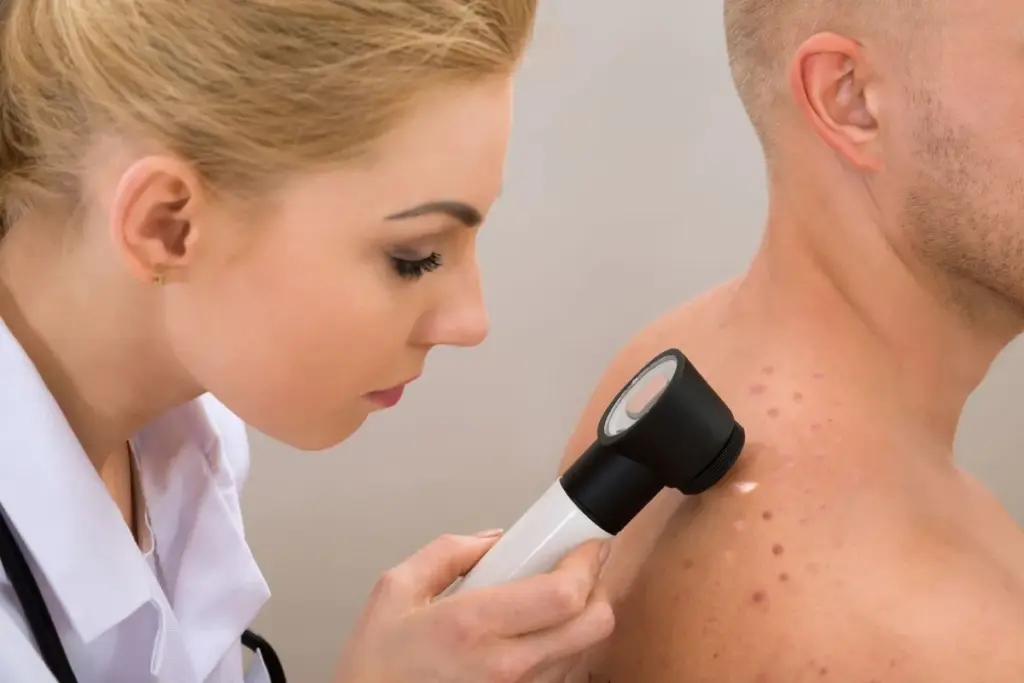
In 2024, many skin cancer detection apps are popular. They use advanced tech like AI and machine learning. This helps them give accurate checks on skin lesions.
Map My Mole: Features and Clinical Impact
Map My Mole is a top app for skin cancer detection. It has been tested in clinics and works well. Users can watch their moles change and get a risk score.
“ It’s great for keeping an eye on moles and catching problems early.
Other Leading Apps in the Market
Other apps like SkinVision and Miiskin are also popular. They let users track moles, get risk scores, and get advice.
- SkinVision: Uses AI to analyze skin lesions and gives quick risk scores.
- Miiskin: Tracks mole changes and alerts users to any odd changes.
Comparative Analysis of Features and Accuracy Claims
It’s key to look at what each app offers and how accurate they claim to be. Map My Mole has been tested in clinics. But, apps like SkinVision and Miiskin also say they’re very accurate. They base this on their tech and studies.
|
App Name |
Key Features |
Accuracy Claims |
|---|---|---|
|
Map My Mole |
Mole tracking, risk assessment |
Clinically tested with high accuracy |
|
SkinVision |
AI-powered lesion analysis |
High sensitivity and specificity rates |
|
Miiskin |
Mole tracking, change detection |
Clinical validation studies show promising results |
Knowing what each app offers and how accurate they are helps users choose the best for their skin health.
Visual Guide to Different Types of Moles
Moles vary in shape, size, and color. Knowing what to look for can save lives. It’s key to understand mole characteristics to spot skin cancer risks.
Common Benign Moles and Their Characteristics
Benign moles, or nevi, are usually harmless. They often:
- Symmetrical in shape
- Uniform in color
- Small in size (less than 6mm in diameter)
- Round or oval in shape
These moles can appear anywhere on the body. They’re generally not a worry. But, it’s important to watch them for any changes.
Warning Signs in Mole Appearance
While most moles are harmless, some signs can indicate a risk. Look out for moles that:
- Are asymmetrical
- Have irregular or notched borders
- Display multiple colors or uneven color distribution
- Are larger in diameter (more than 6mm)
- Are evolving in size, shape, or color
If you see these warning signs, get a dermatologist’s opinion.
Location-Specific Concerns
Some body parts are more at risk for skin cancer due to sun exposure. Moles on:
- The face
- The neck
- The hands
- The arms
need close monitoring. Also, moles in areas with frequent friction or irritation should be watched closely.
|
Mole Characteristic |
Benign |
Potentially Cancerous |
|---|---|---|
|
Symmetry |
Symmetrical |
Asymmetrical |
|
Border |
Smooth, even border |
Irregular, notched border |
|
Color |
Uniform color |
Multiple colors or uneven color |
|
Diameter |
Less than 6mm |
More than 6mm |
|
Evolution |
No change |
Changing in size, shape, or color |
Limitations of Skin Cancer Detection Apps
Skin cancer detection apps have changed how we check our skin. But, they have their limits. Knowing these limits helps us use them better.
Accuracy Variations Across Different Skin Types and Tones
Studies show that mole-scanning apps work differently on various skin types and tones. They might not work as well on darker skin because their training data is limited. This can cause false alarms or missed diagnoses in darker skin tones.
A study found that some apps struggle with darker skin tones. This shows we need more diverse data for better apps. We should push developers to make their apps work for all skin types.
Challenges with Atypical or Colorless Lesions
Apps also find it hard to spot atypical or colorless lesions. These can be risky because they don’t look like typical skin cancer.
- Atypical lesions don’t follow the usual ABCDE rules (asymmetry, border irregularity, color variation, diameter, and evolving size).
- Colorless lesions, like amelanotic melanomas, are tough for apps to find.
To tackle these issues, we need to keep improving the apps. They should be trained on many different types of lesions.
Technical Factors Affecting Performance
Several technical issues can affect how well skin cancer detection apps work. These include:
- The camera quality on the device.
- The lighting when the photo is taken.
- The image’s resolution and clarity.
Poor image quality can really hurt an app’s ability to find skin cancer. So, it’s key to follow the app’s tips for taking good photos.
Knowing these limits helps us use skin cancer detection apps wisely. They’re not perfect, but they can be lifesavers when used right and with doctor’s advice.
When App Results Require Medical Attention
Skin cancer detection apps give risk assessments. But, knowing when to see a doctor is key. These apps can check moles and give a risk score. Yet, they can’t replace a doctor’s diagnosis.
Understanding Risk Assessment Categories
Most apps sort moles into low, moderate, or high risk. Knowing these levels is important. A high-risk mole needs a doctor’s check right away.
“These apps are getting better,” saysa dermatologist. “But remember, they’re just tools, not a final say.”
Warning Signs that Necessitate Immediate Consultation
Some signs mean you should see a doctor fast, no matter the app’s score. These include:
- Rapid changes in the size or color of a mole
- Irregular borders or asymmetry
- Itching, bleeding, or oozing from a mole
- A mole that is significantly different from others
If you see these signs, don’t wait for a doctor’s visit. Get help right away.
Dealing with Inconclusive Results
Apps sometimes give unclear results, which can worry users. If this happens, do this:
- Watch the mole for any changes
- See a dermatologist for a detailed check
- Try different apps to check results, but don’t wait too long for a doctor
The Danger of False Negatives
False negatives from apps are a big worry. A false negative can make you think you’re safe when you’re not. No screening tool is perfect, so don’t rely only on apps.
The American Academy of Dermatology says, “Regular skin checks by a dermatologist are key for catching skin cancer early.”
The Dermatologist’s Perspective on Skin Cancer Apps
Dermatologists have a unique view on skin cancer detection apps. They mix their medical knowledge with tech insights. It’s key for both doctors and patients to know what they think.
Professional Opinions on Consumer Apps
Dermatologists have mixed feelings about these apps. Some see them as helpful for early checks and teaching patients. Others are more careful, pointing out their limits. A study in the Journal of the American Academy of Dermatology showed apps’ accuracy varies a lot.
a top dermatologist, says, “Apps can help watch mole changes, but they can’t replace doctor visits. We’ve seen apps miss melanomas that doctors found later.”
How Dermatologists Are Incorporating These Tools
Dermatologists are starting to use these apps in their work. Some suggest patients use them to track mole changes between visits. This can spot problems early. Others use app data to help make decisions.
- Using app data to track mole changes over time
- Incorporating app results into patient consultations
- Recommending apps as a supplementary tool for patients
For more on 3D mole mapping apps, check out.
The Irreplaceable Value of Clinical Expertise
Even with app progress, doctors’ skills are vital. They offer a depth and understanding that tech can’t match. Skin cancer’s complexity needs a human touch.
“While tech can spot patterns, it misses the human touch. There’s no beating a doctor’s eye for detail.”
Dermatologist
Recommendations from Medical Organizations
Groups like the American Academy of Dermatology have guidelines for these apps. They say apps should help, not replace, doctor advice.
Key tips include:
- Use apps to watch skin changes
- See a dermatologist for any worries
- Know what apps can and can’t do
Privacy, Data Security, and Regulatory Considerations
As we rely more on skin cancer detection apps, privacy and data security concerns grow. These apps deal with personal and medical info, making it key to know how they manage and protect it.
Handling of Medical Data by Skin Apps
Skin cancer detection apps need access to personal and medical data, like mole images and health info. Data security is critical to stop unauthorized access or breaches. Reputable apps use strong encryption and secure servers for data storage.
Users should check the app’s privacy policy and terms of service. This helps understand how their data is used and shared.
Some apps might anonymize data for research or share it with third-party services to improve their algorithms. It’s vital for users to review these policies and know their rights to personal and medical data.
FDA Regulation of Skin Cancer Detection Apps
The FDA regulates medical devices, including some skin cancer detection apps. Apps claiming to diagnose or treat medical conditions are under FDA oversight. The FDA checks if these apps are safe and effective before they hit the market.
To follow FDA rules, many apps provide risk assessments instead of definitive diagnoses. This way, they avoid being seen as medical devices needing pre-market approval. Users should be careful of apps making big claims and check if they have FDA clearance or approval.
|
FDA Classification |
Description |
Regulatory Requirement |
|---|---|---|
|
Low Risk |
Apps providing general health information |
Minimal regulatory oversight |
|
Moderate Risk |
Apps providing risk assessments |
FDA clearance required |
|
High Risk |
Apps claiming to diagnose or treat medical conditions |
FDA approval required |
HIPAA Compliance and Medical Information Protection
Healthcare providers and some health apps must follow HIPAA. HIPAA sets standards for protecting patient health info. Not all skin cancer detection apps need to follow HIPAA, but those handling protected health information (PHI) must.
Users should look for apps that say they follow HIPAA or other data protection rules. This means the app has strong data protection measures, like encryption and secure storage.
In conclusion, skin cancer detection apps are useful for monitoring skin health. But, users need to understand privacy, data security, and regulatory issues. Knowing how these apps handle data, follow FDA rules, and stick to HIPAA helps users make smart choices.
Integrating Apps into a Complete Skin Health Strategy
To keep our skin healthy, we need to use skin cancer detection apps wisely. A good skin health plan includes self-checks, professional care, and technology. This mix helps us spot problems early.
Creating a Balanced Approach to Skin Monitoring
It’s important to monitor our skin in a balanced way. We should do self-checks, use apps, and see professionals. Self-checks help us know our skin well and spot changes. Apps can check moles and give advice.
Using all these methods helps us watch our skin closely. Apps can track changes, and doctors can give expert opinions.
Combining Self-Checks, Apps, and Professional Care
Using self-checks, apps, and doctor visits makes a strong plan. Self-checks should be done monthly to watch for new moles. Apps can then check these moles and give a first look at the risk.
But, it’s key to follow up with professional care. Doctors can give a real diagnosis and suggest treatment. This way, we catch and fix skin problems fast.
Recommended Screening Schedules Based on Risk Factors
How often you should get checked depends on your risk. If you’ve had skin cancer or been in the sun a lot, you might need more checks. The American Academy of Dermatology says adults should see a dermatologist yearly.
Those at higher risk might need to go more often, like every six months. Apps can help keep an eye on your skin in between doctor visits.
Preventative Measures Beyond Monitoring
Preventing skin problems goes beyond just checking. Sun protection is key, using sunscreen, wearing protective clothes, and staying out of the sun when it’s strongest.
Also, don’t use tanning beds and be careful with meds that make your skin more sensitive to the sun. By adding these steps to your routine, you can really improve your skin health.
Future Innovations in AI Skin Cancer Detection
The future of skin cancer detection is bright, thanks to new technologies. These advancements will make AI tools more accurate. As we move forward in dermatology, we must explore these innovations.
Emerging Technologies Improving Accuracy
Several new technologies are set to boost AI skin cancer detection. These include:
- Enhanced imaging techniques that provide higher resolution and more detailed images of skin lesions.
- Advanced machine learning algorithms that can learn from larger and more diverse datasets.
- The integration of multi-modal data, combining visual information with other diagnostic inputs.
Integration with Other Healthcare Systems
The future of AI in skin cancer detection also involves greater integration with other healthcare systems. This includes:
- Electronic Health Records (EHRs) to provide access to a patient’s medical history.
- Telemedicine platforms to expand the reach of dermatological care.
- Personalized medicine approaches that tailor treatment to individual patient profiles.
Advancements for Diverse Skin Types
A big challenge in skin cancer detection is diagnosing diverse skin types. New technologies are tackling this by:
- Developing AI models trained on datasets that include a wider range of skin tones.
- Improving the sensitivity of detection algorithms for lesions that may be harder to spot in certain skin types.
Potential for At-Home Dermoscopy Devices
At-home dermoscopy devices are a promising area. They could enable:
- Regular monitoring of skin lesions by patients themselves.
- Early detection of changes that may indicate skin cancer.
- More frequent data collection for AI systems to learn from.
|
Innovation |
Description |
Potential Impact |
|---|---|---|
|
Enhanced Imaging |
Higher resolution images of skin lesions. |
Improved accuracy in detection. |
|
Advanced Machine Learning |
Algorithms trained on larger, diverse datasets. |
Better performance across different skin types. |
|
At-Home Dermoscopy |
Devices for patient self-monitoring. |
Earlier detection and more data for AI training. |
Conclusion: The Promise and Limitations of Skin Cancer Apps
Skin cancer apps are becoming more important for early detection and tracking. They use artificial intelligence to analyze mole images and give risk scores. This can encourage users to see a doctor.
Even so, these apps have their limits. They might not work as well for all skin types and tones. Also, technical issues can impact their performance. It’s important to remember they’re not a substitute for a doctor’s diagnosis.
More research is needed to make these apps better. By using them alongside regular skin checks, we can catch skin cancer early. The future of skin cancer detection will likely blend new technology with medical knowledge.
FAQ
How accurate are skin cancer detection apps?
Skin cancer apps vary in accuracy. Some studies show they work well, but others don’t. It’s important to remember, these apps can’t replace a doctor’s check-up.
Can skin cancer apps diagnose skin cancer?
No, they can’t. These apps give risk scores based on mole pictures. But, only a doctor can say for sure if you have skin cancer.
Are skin cancer detection apps safe to use?
Most are safe if made by trusted companies. But, be careful of apps that make big claims or don’t share how they work.
How do skin cancer detection apps protect user data?
Good apps follow rules like HIPAA. They use strong security to keep your info safe. Always check an app’s privacy policy.
Can I use a skin cancer detection app instead of visiting a dermatologist?
No, you shouldn’t skip doctor visits. Apps are good for watching your skin, but a doctor’s check is more thorough.
How often should I use a skin cancer detection app?
Use it as often as the app suggests, based on your risk. It’s best to use it with regular doctor visits.
What are the limitations of skin cancer detection apps?
They might not work as well on all skin types. They struggle with certain types of lesions. And, they can’t replace a doctor’s eye.
How do dermatologists view skin cancer detection apps?
Dermatologists see them as helpful for teaching patients and tracking changes. But, they stress the need for a doctor’s check-up.
Are there any skin cancer detection apps that are FDA-approved?
Yes, some apps have FDA clearance. This means they’ve met safety and effectiveness standards. Look for this sign of trustworthiness.
Can skin cancer detection apps detect all types of skin cancer?
They mainly look for melanoma, the most serious type. They might not catch other types as we
References
- Flinn R. Mobile App Cuts Skin Cancer Referrals in Half, British Trial Shows. Managed Healthcare Executive. April 2, 2025. Available from: https://www.managedhealthcareexecutive.com/view/mobile-app-cuts-skin-cancer-referrals-in-half-british-trial-shows Managed Healthcare Executive
- Nature Communications. “Title: [Cited article s41598-025-03546-y]” Nature Communications. 2025;doi:10.1038/s41598-025-03546-y. Available from: https://www.nature.com/articles/s41598-025-03546-y PMC
- InnoTech Today. Can smartphone apps spot skin cancer? 2025. Available from: https://innotechtoday.com/can-smartphone-apps-spot-skin-cancer/ (date accessed)
- American Cancer Society. Skin Cancer Types. 2025. Available from: https://www.cancer.org/cancer/types/skin-cancer.html



 Departments
 Related Videos
 Our Doctors
 News
News