
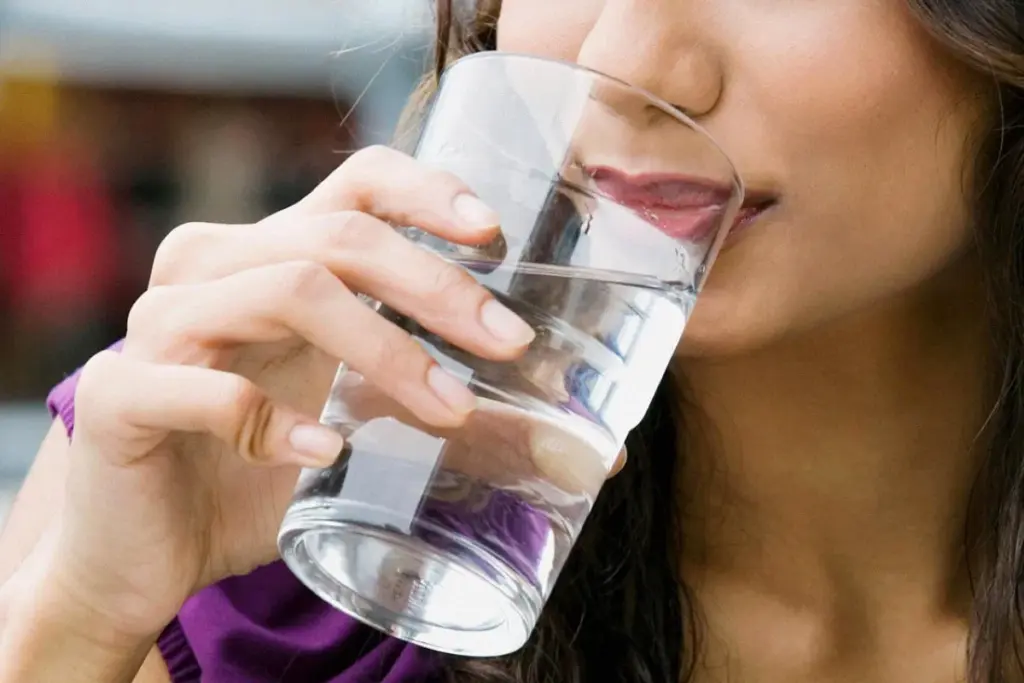
Drinking the right amount of water is essential for maintaining optimal health and bodily functions. Water makes up about 60% of an adult’s body weight. It plays a key role in many bodily processes.
The National Academy of Medicine suggests that men should drink about 3.7 liters (13 cups) of fluid daily. Women should aim for around 2.7 liters (9 cups) per day. But, your needs can change based on your age, sex, and how active you are.
It’s important to understand the importance of water and how much you should drink each day. At Liv Hospital, we help you grasp the science of staying hydrated. We give you health tips backed by science.
Key Takeaways
- Drink approximately 3.7 liters (13 cups) of fluid daily if you’re a man.
- Aim for about 2.7 liters (9 cups) of fluid per day if you’re a woman.
- Individual water needs vary based on age, sex, and physical activity level.
- Water is key for keeping your body healthy and working right.
- Staying hydrated is vital for many bodily functions.
Understanding Your Daily Water Needs

Your daily water needs depend on many personal and environmental factors. Drinking enough water is key to staying healthy. Knowing how much water you should drink each day is the first step.
Recommended Water Intake by Gender
The National Academy of Medicine gives different water intake advice for men and women. Healthy men should drink about 13 cups (around 3.7 liters) of fluids every day. Women are advised to drink around 9 cups (about 2.7 liters) daily. These guidelines help ensure you stay hydrated.
Factors That Affect Individual Water Requirements
While the National Academy of Medicine offers general advice, your water needs can vary. Physical activity level is a big factor. Athletes or those who are very active may need more water to replace lost fluids.
Also, climate and environmental conditions like hot or humid weather can raise your water needs. This is because you lose more fluids through sweat.
Other things that can change your daily water needs include age, sex, and overall health status. For example, pregnant or breastfeeding women might need more fluids. Knowing these factors can help you adjust your hydration plan to fit your needs.
The Vital Functions of Water in Your Body

Water is essential for our bodies. It’s not just a drink; it’s a key part of our health. It helps our bodies work right.
Water’s Role in Essential Physiological Processes
Water is vital for many body functions. It helps control body temperature and moves nutrients and oxygen to cells. It also removes waste and acts as a joint lubricant.
Water keeps our skin, muscles, and organs healthy. It keeps our skin moist and elastic. This reduces wrinkles and improves skin health.
Health Benefits of Proper Hydration
Drinking enough water has many health benefits. It lowers the risk of kidney stones and urinary tract infections. Even a little dehydration can cause fatigue, headaches, and trouble focusing.
Water boosts energy and improves physical performance. Athletes and those who are active need it to stay hydrated and perform well.
Risks of Insufficient Water Intake
Not drinking enough water can lead to dehydration. This can cause symptoms like dry mouth, dark urine, and dizziness. In severe cases, it can be life-threatening.
Severe dehydration needs quick medical help. It’s important to know the signs and act fast to rehydrate.
| Physiological Process | Role of Water | Consequences of Dehydration |
| Temperature Regulation | Water helps regulate body temperature through sweating. | Overheating, heatstroke |
| Nutrient Transport | Water transports nutrients and oxygen to cells. | Fatigue, weakness |
| Joint Lubrication | Water acts as a lubricant for joints and tissues. | Joint pain, reduced mobility |
How to Drink the Right Amount of Water Daily
Drinking enough water is a common challenge. We’re here to help you figure it out. Drinking the right amount of water is key for staying healthy. Let’s explore how to make it a daily habit.
Creating a Personalized Hydration Schedule
To drink the right amount of water, you need a schedule that fits your life. First, figure out how much water you need based on your activity, climate, and personal factors. For example, athletes or people in hot climates might need more.
Here’s a simple way to create your hydration schedule:
- Divide your daily water intake into manageable portions.
- Drink a glass of water as soon as you wake up.
- Have water at regular intervals throughout the day.
- Adjust your schedule based on your activity level and climate.
Practical Tips to Increase Water Consumption
It can be hard to drink more water, but there are practical tips to help. Here are some ways to increase your water intake:
- Eat water-rich foods like cucumbers, watermelon, and celery.
- Keep water accessible by carrying a refillable bottle.
- Make water more appealing by adding slices of lemon, lime, or cucumber.
- Set reminders on your phone to drink water at specific times of the day.
Smart Ways to Track Your Water Intake
Tracking your water intake is important to make sure you’re drinking enough. Here are some smart ways to monitor your hydration:
| Method | Description | Benefits |
| Hydration Apps | Apps like Waterlogged or Hydro Coach help track your water intake. | Customizable reminders, tracking features. |
| Water Bottles with Measurements | Bottles with measurement markings help you track your intake. | Visual tracking, easy to use. |
| Physical Log | Keeping a physical log of your water intake. | No dependency on technology, easy to maintain. |
By using these strategies, you can develop a habit of drinking the right amount of water daily. This will improve your health and well-being.
Conclusion
Drinking the right amount of water every day is key for our health. It helps our bodies work well and keeps us healthy. We’ve seen how important it is to stay hydrated.
Drinking water has many benefits. Knowing how much we need and planning our water intake can really help us. This way, we make sure we drink enough to stay healthy.
Drinking enough water is essential for good health. It’s something we should focus on every day. Doing so can greatly improve our health and well-being.
Staying hydrated helps avoid dehydration and its problems. This leads to a healthier life. We urge everyone to take care of their hydration and drink enough water.
FAQ
How much water should I drink daily?
Men should drink about 3.7 liters of water each day. Women need about 2.7 liters, says the National Academy of Medicine.
What factors affect my individual water requirements?
Your age, sex, how active you are, and the weather can change how much water you need. It’s key to think about these when figuring out your hydration needs.
Why is water important for my body?
Water is vital for many body functions. It helps move nutrients, keeps your body temperature right, and keeps your joints moving smoothly. It’s essential for staying healthy.
What are the benefits of drinking enough water?
Drinking enough water can lower the risk of kidney stones and urinary tract infections. It also boosts your overall health and well-being.
What happens if I don’t drink enough water?
Not drinking enough water can cause dehydration. This can lead to serious problems. It’s important to drink water all day.
How can I track my water intake effectively?
You can use a hydration app, keep a water journal, or set reminders. These tools can help you meet your daily water goals.
Are there other ways to stay hydrated beside drinking water?
Yes, eating foods with a lot of water can also help you stay hydrated. Drinking water regularly is also important.
How can I make drinking water more appealing?
Adding lemon, lime, or cucumber slices to your water can make it taste better. This can help you drink more water.
Can my physical activity level impact my water needs?
Yes, if you’re very active, you might need more water. This is because your body loses more fluids and needs to stay hydrated.
Is it possible to drink too much water?
Drinking too much water is rare but can happen. It can cause hyponatremia, a condition with low sodium levels. It’s important to drink water in balance.
References
National Center for Biotechnology Information. Evidence-Based Medical Guidance. Retrieved from https://pmc.ncbi.nlm.nih.gov/articles/PMC4207053/