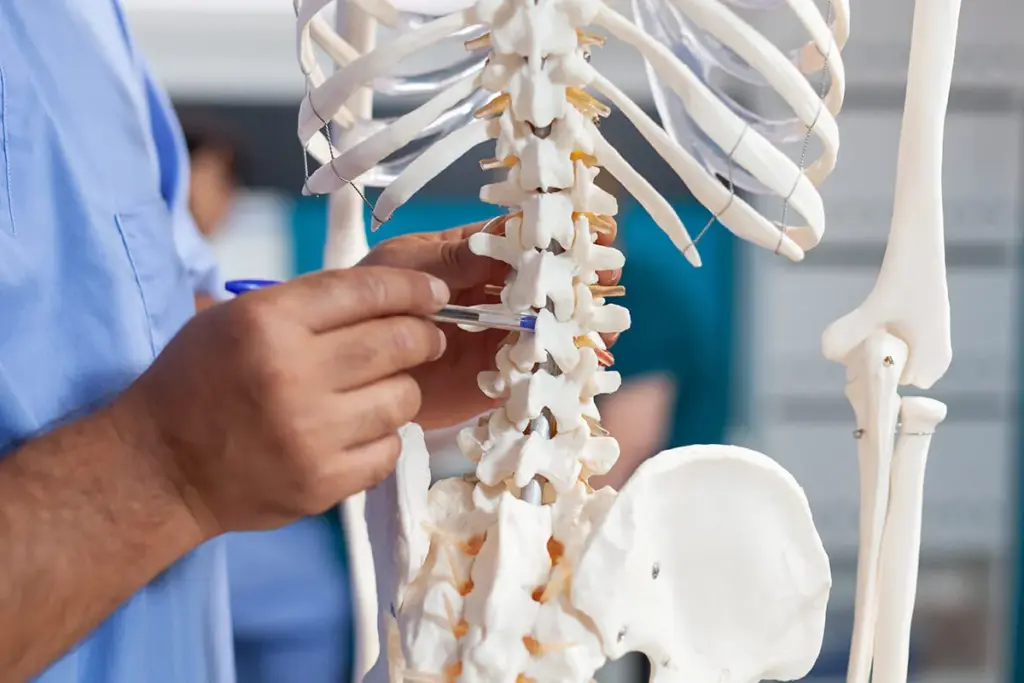
Scoliosis affects millions worldwide, causing a big impact on quality of life. Understanding treatment options is key for effective management.
Are you looking for answers? Learn how to fix scoliosis with amazing proven methods ranging from specialized exercise to advanced back bracing.
We understand the complexities of scoliosis and the need for a complete approach. Our aim is to offer compassionate care. We help individuals make informed choices about their treatment.
Thanks to new medical tech and a better grasp of spinal health, we can look at different treatment options for scoliosis.
Key Takeaways
- Understanding scoliosis treatment options is vital for effective management.
- Various treatments are available, ranging from conservative to surgical interventions.
- A complete approach is necessary for the best care.
- Compassionate care and support are essential for individuals with scoliosis.
- Informed decision-making is critical for successful treatment outcomes.
Understanding Scoliosis: Causes and Types
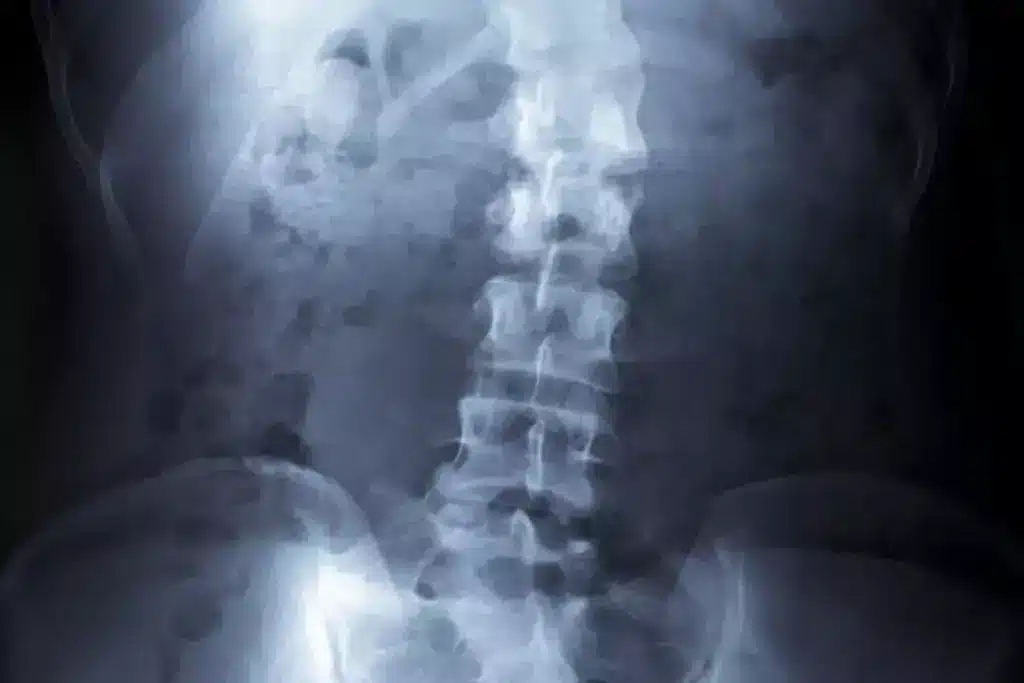
Scoliosis is a complex condition that affects the spine. It causes an abnormal lateral curvature. This can happen in different parts of the spine due to various factors.
What Defines Scoliosis
Scoliosis is when the spine curves abnormally to one side. It can be ‘C’ shaped or ‘S’ shaped. The degree of curvature varies from mild to severe.
Key characteristics of scoliosis include:
- Abnormal lateral curvature of the spine
- Rotation of the vertebrae
- Potential for progression over time
Common Causes of Spinal Curvature
It’s often hard to pinpoint the exact cause of scoliosis. But several factors can contribute to it. These include:
|
Cause |
Description |
|---|---|
|
Genetic Factors |
Family history plays a significant role in the development of scoliosis. |
|
Neuromuscular Conditions |
Conditions such as cerebral palsy or muscular dystrophy can lead to scoliosis. |
|
Degenerative Changes |
Wear and tear on the spine over time can cause scoliosis in adults. |
Different Types of Scoliosis
Scoliosis can be categorized into several types. These are based on its cause and the age of onset. The most common types include:
Idiopathic Scoliosis: This is the most common form. It has no known cause and typically appears during adolescence.
Congenital Scoliosis: Present at birth, this type is caused by abnormal vertebral development.
Degenerative Scoliosis: This type occurs in adults. It’s often due to degenerative changes in the spine.
Understanding the specific type of scoliosis is crucial for tailoring effective treatment plans. By recognizing the causes and characteristics, they can offer personalized care.
Diagnosing Scoliosis in Adults and Children
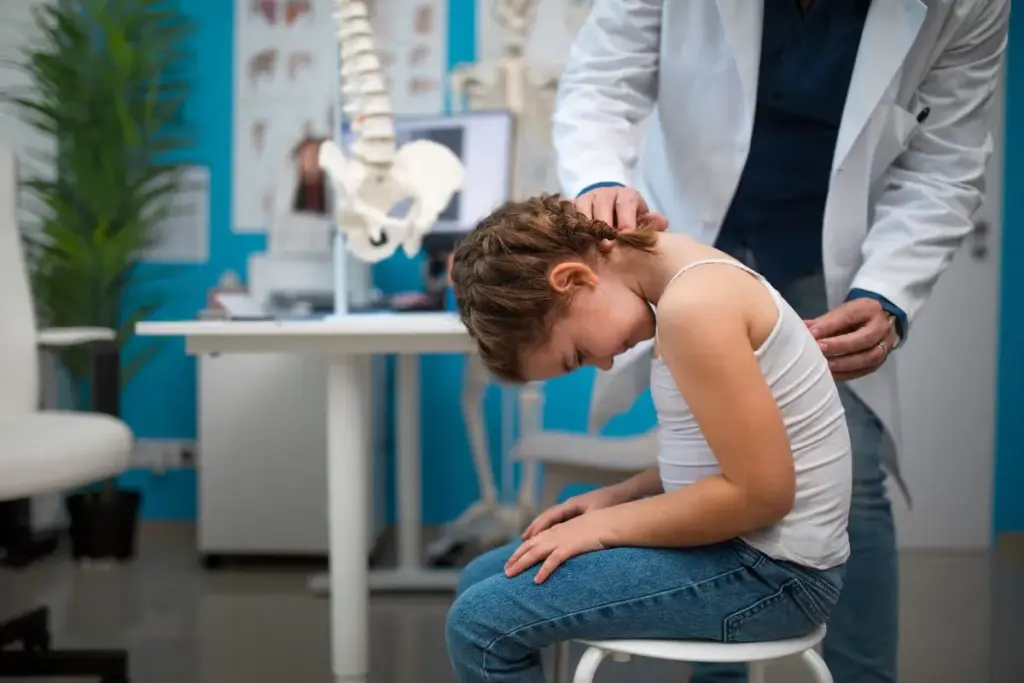
Diagnosing scoliosis is complex. It involves a detailed physical check and advanced imaging. Accurate diagnosis is key for the right treatment and best results.
Physical Examination Techniques
The first step is a thorough physical check. We look for signs like uneven shoulders or hips. We also check posture and spinal flexibility.
The Adam’s Forward Bend Test is used to check for rib cage or lumbar asymmetry. This test can show if scoliosis is present.
We also review the patient’s medical history. This helps us find any underlying conditions that might be causing the scoliosis. This approach helps us understand the condition’s impact on the patient’s health.
Imaging Methods for Scoliosis
Imaging studies are vital for confirming scoliosis and measuring the spinal curvature. The main imaging methods are:
- X-rays: X-rays are the most common method. They give a clear view of the spine’s alignment and curvature.
- MRI (Magnetic Resonance Imaging): MRI scans check the spinal cord for abnormalities related to scoliosis.
- CT Scans: CT scans provide detailed images of the spine. They are useful for examining bony structures.
Measuring Curve Progression
After diagnosing scoliosis, measuring the curvature is key. The Cobb angle is used to measure the curvature on X-rays. It’s calculated by drawing lines on the X-ray and measuring the angle formed.
|
Cobb Angle |
Severity |
Typical Treatment Approach |
|---|---|---|
|
10-20° |
Mild |
Observation, physical therapy |
|
20-40° |
Moderate |
Bracing, physical therapy |
|
40°+ |
Severe |
Surgical intervention |
Regular monitoring and imaging studies are needed to track the curvature’s progress. This helps adjust the treatment plan. By using physical exams and advanced imaging, we can accurately diagnose scoliosis and tailor treatment to each patient’s needs.
Is Scoliosis Curable? The Reality of Treatment
Scoliosis is a condition where the spine curves abnormally. It’s a challenge to treat and manage. Whether scoliosis can be cured depends on several things. These include how severe the curve is, the patient’s age, and their overall health.
Defining “Cure” vs. “Management”
When talking about scoliosis treatment, it’s important to know the difference between a “cure” and “management.” A cure means the spinal curve is completely fixed. Management means controlling the curve’s growth and easing symptoms.
It’s key to understand this difference to set realistic goals for treatment. Some patients might see a big improvement in their spinal curve. Others might focus on stopping the curve from getting worse and managing symptoms.
Factors Affecting Treatment Success
Many things can affect how well scoliosis treatment works. These include how severe the curve is, the patient’s age, and their health. For example, younger patients with mild curves might do well with non-surgical treatments. But older patients or those with severe curves might need surgery.
How well treatment works also depends on the patient following their treatment plan. A treatment plan that fits the patient’s needs is important for the best results.
Setting Realistic Expectations
It’s important for patients and their families to have realistic hopes about treatment outcomes. While treatment can greatly improve scoliosis, it’s not always possible to cure it completely. Knowing what treatment can and can’t do helps in making informed choices.
By working with healthcare providers, patients can understand what to expect from treatment. They can also learn how to manage their condition over time.
How to Fix Scoliosis: Comprehensive Treatment Approaches
Fixing scoliosis means knowing the different treatments, from non-surgical to surgical options. Scoliosis is a spine curvature that needs a treatment plan based on its severity, the patient’s age, and health.
Conservative vs. Surgical Approaches
Choosing between non-surgical and surgical treatments is key. Conservative treatment includes bracing, physical therapy, and watching the condition, for mild to moderate scoliosis. Surgical treatment is for severe cases or when non-surgical methods fail.
- Conservative Management: Uses bracing and physical therapy to stop the curvature from getting worse.
- Surgical Intervention: Involves spinal fusion surgery to fix the curvature.
Age-Related Treatment Considerations
The patient’s age is a big factor in choosing treatment. For adolescents, the goal is to stop the curvature from getting worse during growth. Adults might need treatments for pain and spine stability.
- Adolescents: Bracing and physical therapy are common.
- Adults: Treatment may involve pain management, physical therapy, and sometimes surgery.
Creating a Personalized Treatment Plan
Creating a personalized treatment plan means looking at the patient’s condition, health, and lifestyle. We work with patients to make a plan that fits their needs and goals.
Understanding the different treatments and what affects their success helps patients make informed choices about their care.
Non-Surgical Scoliosis Treatment Options
Managing scoliosis often starts with non-surgical treatments. These are effective for mild to moderate cases. Each patient’s needs are unique, so treatments are customized.
Physical Therapy Approaches
Physical therapy is key in scoliosis management. It includes exercises to strengthen spine muscles. This improves posture and reduces pain.
Our physical therapists create a personalized exercise plan. It targets the patient’s specific curvature and needs.
Benefits of Physical Therapy:
- Improved spinal flexibility
- Strengthened core and back muscles
- Better posture and reduced pain
Chiropractic Care for Scoliosis
Chiropractic care is another non-surgical method. Chiropractors use spinal manipulation to improve alignment. This reduces pressure on muscles and joints.
|
Treatment Aspect |
Chiropractic Care |
Physical Therapy |
|---|---|---|
|
Focus |
Spinal manipulation and alignment |
Exercise and muscle strengthening |
|
Benefits |
Improved spinal alignment, pain relief |
Strengthened muscles, improved flexibility |
Monitoring and Observation
For mild scoliosis, monitoring and observation are important. Regular check-ups track curve progression. This allows for timely treatment plan adjustments if needed.
Combining these non-surgical methods can manage scoliosis well. It improves patients’ quality of life. Working with healthcare professionals is key to finding the best treatment.
Scoliosis Bracing: Effectiveness and Options
For many with scoliosis, bracing is key in their treatment. It’s a non-surgical way to manage spinal curves. It works best for teens with moderate scoliosis, as their bones are growing and can change more easily.
Types of Scoliosis Braces
There are many types of scoliosis braces, each for different needs. The most common include:
- Thoraco-Lumbo-Sacral Orthosis (TLSO): This is a common brace for scoliosis. It covers the thoracic, lumbar, and sacral spine areas.
- Cervico-Thoraco-Lumbo-Sacral Orthosis (CTLSO): Also known as a Milwaukee brace, it goes from the neck to the pelvis. It offers more support and correction for severe curvatures.
- Nighttime Braces: These are worn at night. They’re more flexible and used for patients with smaller curvatures or as a maintenance tool after initial correction.
“Bracing has become a cornerstone in the non-surgical management of scoliosis, providing a viable alternative to surgery for many patients.”
Bracing Protocols and Wear Time
Bracing works best when patients follow the wear schedule. Most doctors recommend wearing the brace 16 to 23 hours a day. There’s some flexibility for removing it for hygiene and comfort.
How well a patient tolerates the brace is key. “Patients who stick to their bracing protocol tend to have better results,” says a leading orthopedic specialist.
Measuring Bracing Success
Bracing success is measured by how much the curvature is corrected and maintained. Regular X-rays check the spine’s response to the brace. Adjustments are made as needed to the brace or treatment plan.
Success is also about preventing curvature from getting worse, which is critical during adolescence. By stopping or slowing scoliosis, bracing can greatly reduce the need for surgery.
Scoliosis Correction Exercises and Physical Therapy
Scoliosis correction exercises and physical therapy are key parts of treatment. They help manage scoliosis by improving spinal alignment. This can greatly improve life quality for those with scoliosis.
Schroth Method and Specialized Approaches
The Schroth method is a well-known physical therapy for scoliosis. It was created in the 1920s by Katharina Schroth. It focuses on exercises to improve posture and reduce curvature.
Key components of the Schroth method include:
- Breathing exercises to improve lung capacity and chest expansion
- Postural correction exercises to improve spinal alignment
- Strengthening exercises to stabilize the spine
Core Strengthening Exercises
Core strengthening is essential for scoliosis management. Strong core muscles help stabilize the spine. This reduces the risk of curvature getting worse.
Examples of effective core strengthening exercises include:
- Planks to improve overall core strength
- Bridges to strengthen the lower back and gluteal muscles
- Pelvic tilts to improve flexibility and reduce tension in the lower back
Maintaining Exercise Consistency
Consistency is vital in scoliosis correction exercises and physical therapy. Regular exercise keeps spinal alignment improvements. It’s important to have a daily routine and check in with a healthcare provider often.
By adding scoliosis correction exercises and physical therapy to their plan, people with scoliosis can manage their condition better. This improves their quality of life and reduces complications.
Surgical Interventions for Severe Scoliosis
For those with severe scoliosis, surgery might be the best choice. It can be scary, but it often brings relief and better life quality.
When Surgery Becomes Necessary
Surgery is usually needed when the spine curve is over 45-50 degrees. It’s also considered when other treatments fail. Doctors carefully decide if surgery is right after checking the patient’s condition.
“Surgery is often the last resort, but it can be a game-changer for those with severe scoliosis.” This is true when the curve hurts a lot and affects the patient’s health.
Types of Scoliosis Surgery
There are several ways to fix scoliosis through surgery:
- Spinal fusion: This joins two or more vertebrae to stabilize the spine.
- Osteotomy: This cuts and realigns vertebrae to fix the curve.
- Vertebral column resection: A complex method that removes part of the vertebrae for severe curves.
Surgical Risks and Considerations
Scoliosis surgery has risks like infection, nerve damage, and anesthesia problems. It’s important to talk about these risks with your doctor. This way, you understand the possible good and bad outcomes.
We stress the need for personalized care and detailed checks before surgery. This helps lower risks and aims for the best results.
“Understanding the risks and benefits of scoliosis surgery is key to making an informed decision.”
Scoliosis Surgery Recovery and Rehabilitation
Recovering from scoliosis surgery is just as important as the surgery itself. It involves rest, therapy, and monitoring. Understanding these steps is key to a successful recovery.
Hospital Stay and Immediate Recovery
Right after surgery, patients usually stay in the hospital for a few days. Our team manages pain, prevents infection, and keeps the patient comfortable. The hospital stay time varies based on health and surgery complexity.
Important parts of immediate recovery include:
- Pain Management: Keeping pain under control is essential for comfort.
- Monitoring for Complications: We watch for signs of infection or neurological issues.
- Early Mobilization: Gentle movement helps prevent stiffness and aids healing.
Physical Therapy After Surgery
Physical therapy is vital after scoliosis surgery. It helps patients regain strength, improve flexibility, and move freely. Our physical therapists create a plan tailored to each patient’s needs and goals.
Physical therapy offers many benefits, including:
- Improved Mobility: It helps patients get back to their normal activities.
- Strengthening: Exercises strengthen muscles around the spine, supporting the surgery’s correction.
- Pain Reduction: It can reduce pain by improving posture and muscle relaxation.
Long-term Recovery Timeline
The recovery time after scoliosis surgery varies. Patients usually see big improvements in the first few months. Progress continues over the next year or more. Age, health, and surgery extent affect recovery time.
Key milestones in long-term recovery include:
- Short-term Recovery (0-3 months): Initial healing and adjustment to surgery changes.
- Intermediate Recovery (3-6 months): Slow return to normal activities and strength improvement.
- Long-term Recovery (6-12 months and beyond): Continued posture refinement, strength, and spinal health improvement.
Understanding the recovery process and working with our healthcare team leads to the best outcomes from scoliosis surgery.
Adult Scoliosis Treatment: Special Considerations
Adult scoliosis treatment is different from what kids get. It aims to ease symptoms and boost quality of life. As we get older, the chance of getting scoliosis or seeing it get worse goes up. It’s key to know the special challenges and chances in treating it.
Can You Develop Scoliosis as an Adult?
Yes, adults can get scoliosis. It might be because of scoliosis from when they were younger or because of wear and tear on the spine. Key factors that contribute to adult scoliosis include:
- Previous history of scoliosis
- Degenerative changes in the spine
- Osteoporosis
- Spinal injuries or infections
Knowing these risk factors helps catch it early and manage it well.
Degenerative Scoliosis Management
Handling degenerative scoliosis needs a mix of methods. It’s all about easing pain, getting better function, and stopping the curve from getting worse. Conservative management strategies include:
- Physical therapy to strengthen core muscles and improve flexibility
- Pain management through medication or injections
- Bracing to stabilize the spine
Sometimes, surgery is needed to fix big deformities or bad symptoms.
New Treatment Approaches for Adults
New ways to treat scoliosis are coming up. They’re more effective and less invasive for adults. These include:
- Minimally invasive surgical techniques
- Biologics and regenerative medicine approaches
- Advanced bracing technologies
These new methods give adults hope for better results and life quality. By keeping up with the latest treatments, adults can make better choices for their care.
Home Remedies and Self-Management for Scoliosis Relief
Living with scoliosis means using many ways to manage symptoms and feel better. Medical treatments are key, but home remedies and self-care are also important. They help reduce pain and improve how you feel every day.
Daily Habits to Improve Posture
Good posture is vital for scoliosis management. Simple habits can greatly help:
- Morning Stretching: Start with gentle stretches to loosen muscles and boost flexibility.
- Awareness of Posture: Be mindful of your posture all day. Keep your back straight and avoid slouching.
- Core Strengthening: Do exercises that strengthen your core. A strong core helps maintain better posture.
Pain Management Techniques
Managing pain is key for those with scoliosis. Here are some effective ways:
- Heat and Cold Therapy: Switch between heat and cold packs to lessen pain and swelling.
- Relaxation Techniques: Use deep breathing, meditation, and yoga to reduce stress and pain.
- Over-the-counter Pain Relievers: Use pain relievers as advised by a healthcare provider to manage pain.
Ergonomic Considerations
Adjusting your home and work spaces ergonomically can reduce spine strain:
- Workstation Setup: Make sure your workspace supports good posture. Your monitor should be at eye level, and your keyboard and mouse easy to reach.
- Comfortable Sleeping: Get a supportive mattress and use a back support pillow to keep your spine aligned while sleeping.
- Daily Activities: Pay attention to your posture during daily tasks like lifting, bending, and carrying to avoid spine strain.
By adding these home remedies and self-care steps to your daily routine, people with scoliosis can find relief and enjoy a better life.
Emerging Technologies and Future Treatments for Scoliosis
The way we treat scoliosis is changing fast with new technologies. We’re learning more about how spinal curves affect our bodies. This knowledge is leading to new ways to treat this complex condition.
Growth Modulation Techniques
Growth modulation is a key area of research. It helps young patients by guiding their spine’s growth to fix curvatures. This method uses new devices and surgery to avoid bigger surgeries later.
It’s great for kids and teens with scoliosis because their spines are growing. By using the body’s growth, we can fix spinal curvatures well.
Genetic Research and Personalized Medicine
Genetic research is helping us understand scoliosis better. We find genes linked to the condition to create custom treatment plans. This makes treatments more effective for each patient.
Personalized medicine uses genetics and other factors to predict treatment success. It helps us choose the best treatments for each person.
Minimally Invasive Approaches
Minimally invasive surgery is becoming common in scoliosis treatment. These methods aim to cause less damage and help patients recover faster. Advanced tools and imaging make these surgeries precise and less invasive.
Benefits include smaller cuts, less blood loss, and fewer complications. As these methods improve, they’ll be key in treating scoliosis.
Conclusion: Living Well with Scoliosis
Managing scoliosis well is key to a better life. We’ve looked at different treatments, from physical therapy and bracing to surgery for serious cases.
Getting care that fits your needs is important. Knowing your options and working with a specialist helps create a plan just for you.
Dealing with scoliosis means constant care, but the right plan makes a big difference. Healthy habits and staying up-to-date with new treatments help keep your spine healthy and your life full.
FAQ
Can scoliosis be corrected?
Scoliosis can’t be fully “cured.” But, treatments can manage and correct the spine’s curve. This improves life quality a lot.
What are the treatment options for scoliosis?
Treatments for scoliosis include physical therapy and chiropractic care. Bracing and exercises are also used. For severe cases, surgery is an option.
Can adults develop scoliosis?
Yes, adults can get scoliosis. It’s often due to spine changes as we age. This is called degenerative scoliosis.
How is scoliosis diagnosed?
Doctors use physical exams and imaging like X-rays and MRI to diagnose scoliosis. They measure the spine’s curve to see how severe it is.
What is the role of bracing in scoliosis treatment?
Bracing helps stop the spine from curving more, mainly in kids and teens. How well it works depends on how often it’s worn and the curve’s severity.
Are there exercises that can help manage scoliosis?
Yes, exercises like the Schroth method and core strengthening can help. They improve posture, reduce pain, and make the spine more stable.
When is surgery necessary for scoliosis?
Surgery is needed for severe scoliosis that doesn’t respond to other treatments. The decision to have surgery depends on health and curve severity.
What is the recovery process like after scoliosis surgery?
After surgery, you’ll stay in the hospital first. Then, physical therapy helps you regain strength and mobility. Recovery time varies based on the surgery and individual.
Can scoliosis be managed without surgery?
Many scoliosis cases can be managed without surgery. Treatments like physical therapy, bracing, and lifestyle changes can help.
What are the emerging technologies in scoliosis treatment?
New technologies include growth modulation, genetic research, and personalized medicine. They aim to improve treatment results and shorten recovery times.
How can adults manage degenerative scoliosis?
Adults with degenerative scoliosis can manage it with physical therapy, pain management, and ergonomic changes. Sometimes, surgery is needed.
Are there any home remedies for scoliosis relief?
Home remedies like good posture, pain management, and ergonomic adjustments can help. They improve symptoms and quality of life.
National Center for Biotechnology Information. Evidence-Based Medical Insight. Retrieved from https://pmc.ncbi.nlm.nih.gov/articles/PMC5934961/



 Departments
 Related Videos
 Our Doctors
 News
News