
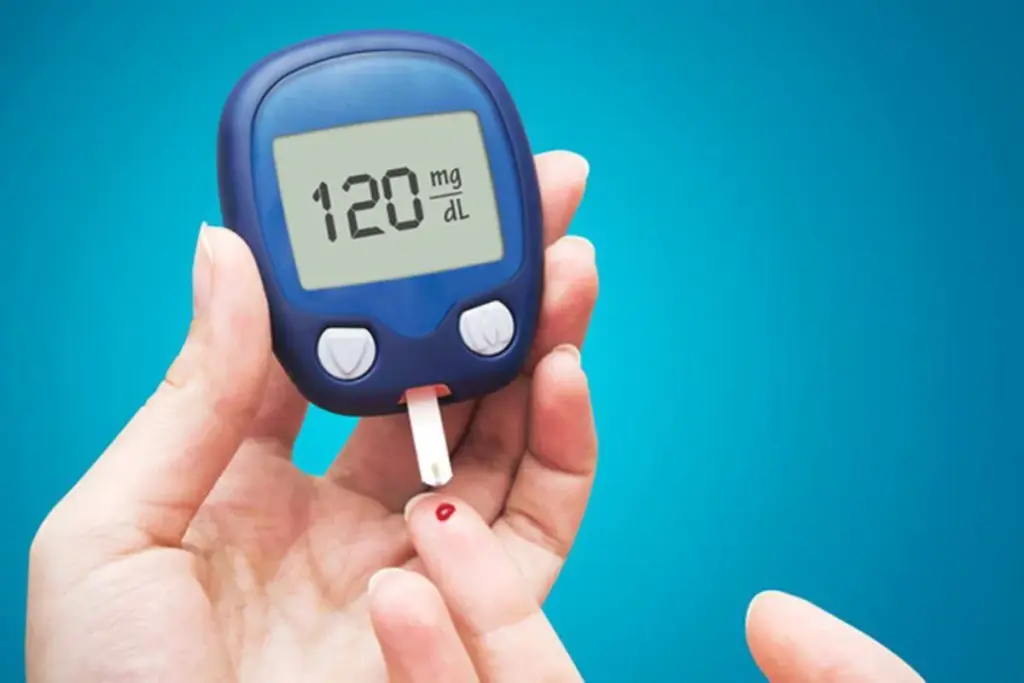
Early detection of diabetes is key to managing it well and avoiding serious problems. The glycated hemoglobin test, or A1C test, is a major tool for finding diabetes. It shows your blood sugar levels over the last two to three months.
Knowing how to get tested for diabetes is important for your health. It helps you understand your risk and take steps to improve your health. With the right tests, you can learn about your condition and aim for a healthier life.
Key Takeaways
- Diabetes testing is a vital part of keeping healthy.
- The A1C test is a key tool for finding type 2 diabetes.
- Finding diabetes early can greatly improve your health.
- Liv Hospital offers full diabetes screening services.
- Getting a correct diagnosis is the first step to managing diabetes well.
Understanding Diabetes Tests and Who Needs Screening
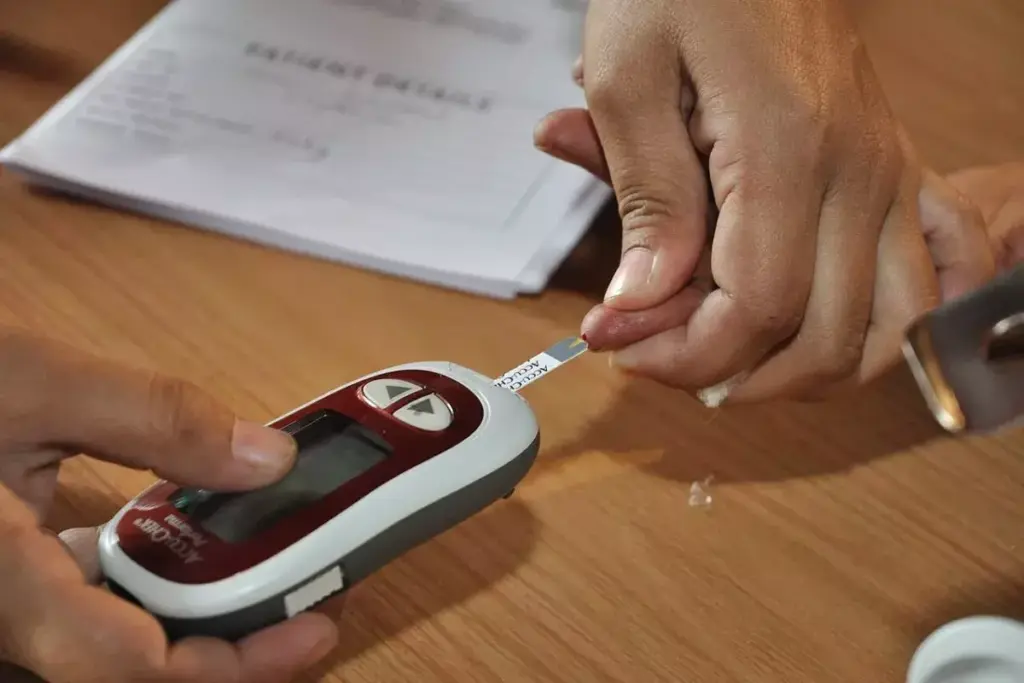
Diabetes affects about 1 in 10 Americans. Screening programs are key to managing health and preventing complications. Diabetes testing is more than just a diagnosis; it’s a health management step.
Why Diabetes Testing Matters
Diabetes testing is vital for early detection of prediabetes or diabetes. Early detection leads to better health outcomes. The American Diabetes Association recommends routine testing for adults 35 or older and those with risk factors.
Risk factors include being overweight, having a family history of diabetes, and a sedentary lifestyle. Testing can prevent type 2 diabetes through lifestyle changes and medication.
Who Should Get Tested for Diabetes
The American Diabetes Association advises routine tests for type 2 diabetes in adults 35 or older. Younger individuals with risk factors should also get tested. This approach aids in early detection and management.
- Adults 35 or older
- Individuals younger than 35 with risk factors
- Those who are overweight or obese
Types of Blood Tests for Diabetes
Several blood tests diagnose diabetes, each with its purpose. The most common include:
- A1C Test: Measures average blood glucose levels over 2-3 months.
- Fasting Plasma Glucose Test: Requires fasting overnight; measures blood glucose after fasting.
- Random Blood Glucose Test: Measures blood glucose at any time.
Knowing about these tests and their importance can help you manage your health. If you’re at risk or have symptoms, talk to a healthcare professional about testing.
How Can I Get a Diabetes Test
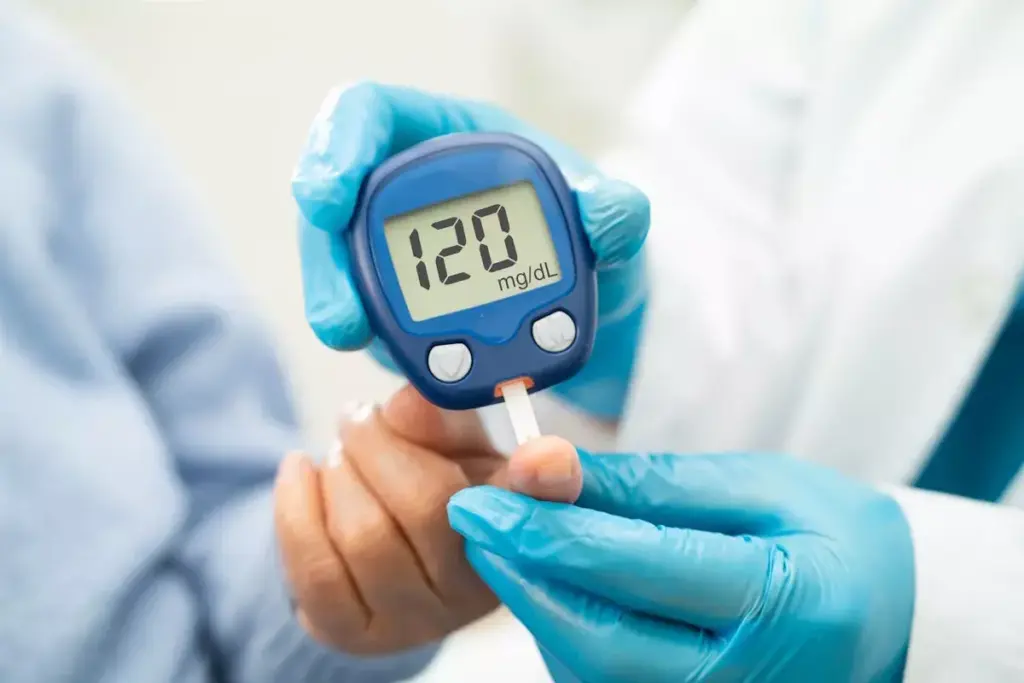
There are many ways to get a diabetes test. This makes it easy for everyone to find a way that works for them. Whether you need a routine check or think you might be at risk, knowing your options is key to managing your health.
Schedule an Appointment with Your Primary Care Physician
Getting a blood diabetes test is easy by setting up a visit with your doctor. They will check your risk, do a physical, and order the right diabetes lab tests. This not only checks your health but also gives you advice tailored to you.
Visit Walk-In Clinics and Urgent Care Centers
If you need a quick test, walk-in clinics and urgent care centers are great. They offer diabetes testing without an appointment. This makes it easy to fit testing into your busy schedule.
Find Community Health Centers and Free Screening Programs
Community health centers and free screening programs help everyone get tested. They offer free or low-cost diabetes tests. This is great for those without insurance or who can’t afford tests.
Use At-Home Testing Options
At-home diabetes testing kits are another option. They let you take a blood sample at home and send it for analysis. This is private and convenient. But, it’s important to talk to a doctor about your results.
Knowing how to check for diabetes is important for early detection. By choosing one of these options, you can take care of your health.
Preparing for Your Diabetes Test and What to Expect
Getting ready for a diabetes test might seem scary, but knowing what to do can make you feel more ready. It’s important to understand the different tests and what they need. This helps get accurate results.
Preparation Requirements for Different Tests
Each diabetes test has its own prep needs. For example, the fasting plasma glucose test asks you to not eat for at least 8 hours before. But, the A1C test doesn’t need fasting and shows your blood sugar average over 2 to 3 months.
The A1C test is key for diagnosing type 1 and type 2 diabetes. Here’s how the results are seen: below 5.7% is normal, 5.7% to 6.4% is prediabetes, and 6.5% or higher on two tests means diabetes.
The Testing Procedure
On test day, a healthcare pro will take a blood sample. If fasting is needed, make sure you haven’t eaten or drunk anything but water. The glucose test process is simple and fast.
You might feel a tiny pinch when the needle goes in. Then, the blood is sent to a lab for checking.
Understanding Your Test Results
When your test results come back, your doctor will explain them to you. If you have diabetes or prediabetes, they’ll talk about what to do next. This might include diet changes or medicine.
Knowing your normal random blood sugar test or normal random blood glucose level helps manage your health. Your doctor can help keep your blood sugar healthy.
Conclusion
Diabetes testing is key to preventive healthcare. It helps people take care of their health early. There are many ways to test for diabetes, like blood work and random tests.
Knowing your blood sugar levels is important. It shows if you’re at risk for diabetes. The Centers for Disease Control and Prevention (CDC) also suggests a hepatitis B vaccine for adults 19 to 59 who haven’t had it. This shows the value of staying up-to-date with health checks and shots.
Getting a diabetes test can spot problems early. Then, you can work with your doctor to manage your health. Don’t delay – book a diabetes test today. Start your journey to a healthier future.
FAQ
What is the best way to test for diabetes?
The best way is through blood tests like fasting plasma glucose, A1C, or an oral glucose tolerance test.
How do you test for diabetes?
Diabetes is tested using blood samples to measure glucose levels, either fasting, randomly, or after a glucose challenge.
What blood test is used to diagnose diabetes?
Common tests include fasting plasma glucose, A1C, oral glucose tolerance test (OGTT), and random plasma glucose.
What is a normal random blood sugar test result?
A normal random blood sugar is usually below 140 mg/dL in non-diabetic individuals.
How do I prepare for a diabetes test?
For fasting tests, avoid eating or drinking anything except water for 8–12 hours; follow any additional instructions from your doctor.
What happens during a diabetes test?
A healthcare provider draws blood, which is analyzed for glucose or A1C levels to assess blood sugar control.
How do I understand my diabetes test results?
Results are interpreted based on established cutoffs: fasting glucose ≥126 mg/dL, A1C ≥6.5%, 2-hour OGTT ≥200 mg/dL indicate diabetes.
Can I get a diabetes test at home?
Yes, home A1C kits and glucometers allow preliminary monitoring, but diagnosis should be confirmed by a healthcare provider.
Are there free or low-cost diabetes testing options available?
Many clinics, community health events, and public health programs offer free or low-cost diabetes screenings.
How often should I get tested for diabetes?
Adults should get tested every 3 years, or more frequently if at higher risk or showing symptoms.
References
National Center for Biotechnology Information. Evidence-Based Medical Insight. Retrieved from https://pmc.ncbi.nlm.nih.gov/articles/PMC8465972/