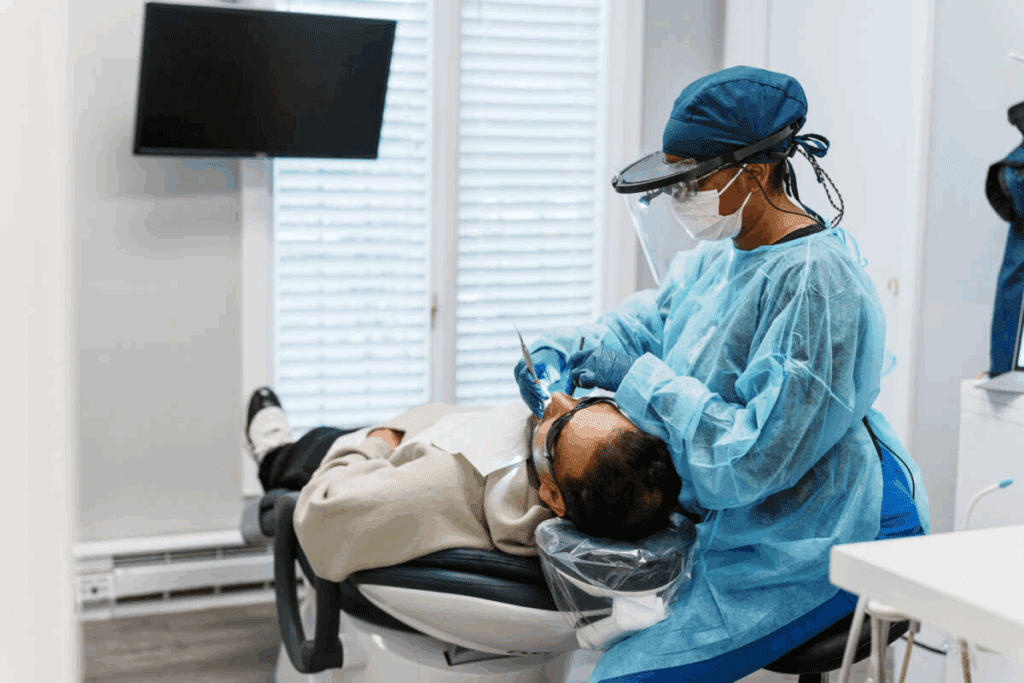
Dental transplantation is a successful way to replace missing teeth. It has success rates similar to dental implants. And, it can last up to 90 percent over many years.
At Liv Hospital, we use the best international practices and focus on our patients. We aim to give you a natural, lasting smile.
Dental transplantation is a great option for those missing teeth. Our guide will explain the process, its benefits, and its history.
Key Takeaways
- Dental transplantation has a high success rate, comparable to dental implants.
- Survival rates for dental transplantation can reach up to 90 percent.
- Liv Hospital combines international best practices with patient-centered care.
- Dental transplantation offers a natural, biologically integrated solution.
- Our guide covers the process, benefits, and history of dental transplantation.
Understanding Dental Transplantation
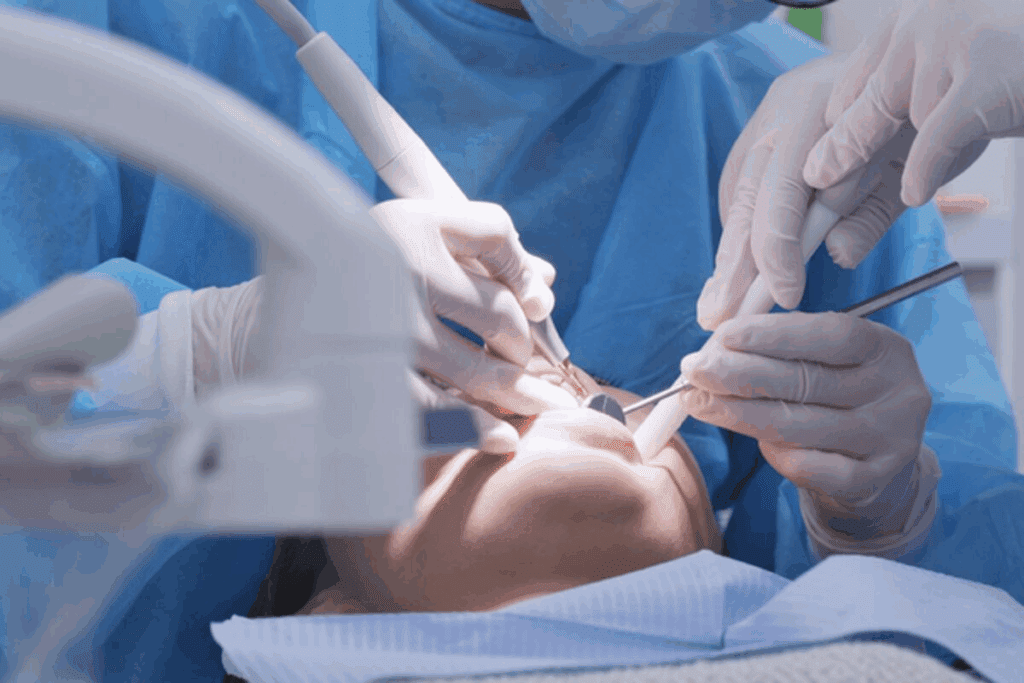
Dental transplantation has a long history. Modern methods have made it more effective and better for patients. Let’s dive into the basics and how it has changed over time.
What Is a Teeth Transplant?
A teeth transplant, or dental transplant, moves a tooth from one place to another in the same person. It’s used to replace a missing or damaged tooth. This is called autotransplantation of teeth when it’s done by the same person.
Before the transplant, a detailed check-up and planning are done. This ensures the tooth fits well with the surrounding tissue and bone. It’s a detailed and precise procedure.
History and Evolution of Dental Transplantation
Dental transplantation has been around for a long time, even in ancient times. Over the years, it has changed a lot. Now, it’s done with advanced dental technology.
New surgical methods, better diagnostic tools, and improved care after surgery have all helped. These changes have made the success rate and patient happiness better. The way we do autotransplantation of teeth has improved a lot, giving patients a natural option for tooth replacement.
As we keep improving, dental transplantation is becoming a good choice for many. It combines old wisdom with new technology, making it more available and successful.
The Science Behind Teeth Transplants
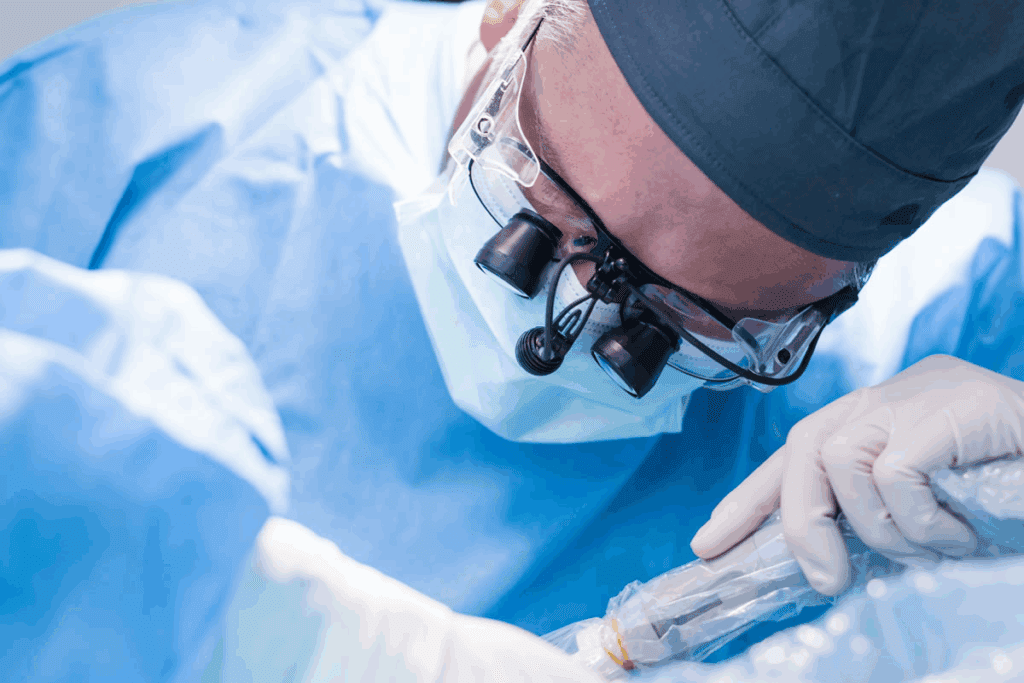
Tooth transplants rely on autotransplantation, moving a tooth from one place to another in the same person. This method combines surgery and biology.
How Autotransplantation Works
Autotransplantation starts with picking a tooth to move. The chosen tooth is carefully removed to avoid harm to the area and tooth.
The new home for the tooth is made by creating a socket that fits the tooth perfectly. The tooth is then fixed in place using different methods.
Biological Integration Process
After the tooth is moved, it starts to blend with the bone and tissue around it. This is a key part of the transplant.
The process has several stages. First, the tooth heals and gets stable. Then, it fully joins the jawbone.
| Stage | Description | Timeline |
|---|---|---|
| Initial Healing | The transplanted tooth is stabilized, and the initial healing process begins. | 0-2 weeks |
| Bone Integration | The transplanted tooth starts to integrate with the surrounding bone. | 2-6 weeks |
| Full Incorporation | The tooth becomes fully incorporated into the jawbone, achieving functional stability. | 3-6 months |
Success in tooth transplants depends on many things. These include the dentist’s skill, the patient’s health, and the quality of the tooth being moved.
Benefits of Teeth Transplant Procedures
Teeth transplantation offers many benefits. It keeps natural teeth and lasts longer than other options. This method is known for keeping the tooth and tissue around it natural. It gives patients a natural way to deal with tooth loss.
Natural Tooth Preservation
One big plus of dental transplantation is keeping the natural tooth. Moving a tooth to a new spot keeps its look and function. This means no need for big surgeries or fake teeth.
Key benefits of natural tooth preservation through transplantation include:
- Maintaining the natural appearance and feel of the tooth
- Preserving the integrity of the surrounding bone and tissue
- Avoiding the need for artificial materials or implants
Long-term Advantages Over Alternatives
Dental transplantation has long-term benefits over other tooth replacements. These include lasting longer, better oral health, and happier patients.
The long-term advantages of teeth transplantation can be summarized as follows:
- Increased longevity of the transplanted tooth compared to other replacement options
- Better preservation of the surrounding bone and tissue
- Reduced risk of complications associated with artificial replacements
Choosing dental transplantation means a natural, lasting fix for tooth loss. It improves oral health and quality of life.
Ideal Candidates for Dental Transplantation
Finding the right candidates for dental transplantation is key. We look at several factors to see if a patient is a good fit. This includes their oral health and medical history.
Age Considerations
Age is important when it comes to dental transplantation. Younger patients often do better because their teeth and bones are healthier. But, age alone doesn’t decide if someone can get a transplant. The health of their teeth and overall health matter too.
We look at patients of all ages. We check their oral health needs and if they can have a successful transplant.
Oral Health Requirements
Good oral health is a must for dental transplantation. This means healthy gums, enough bone, and space in the jaw. Good oral hygiene is also key for the transplant’s success.
We do detailed checks to see if the mouth is ready for the transplant. We might need to do some treatments first.
Medical Conditions That May Affect Eligibility
Some medical conditions can make it harder to get a dental transplant. Diabetes, osteoporosis, and autoimmune diseases can slow healing or affect success. We look at each patient’s medical history to see if there are any risks.
Patients getting chemotherapy or radiation therapy might have to wait. They need to be healthy enough first.
Types of Teeth Transplant Procedures
There are many types of teeth transplant procedures. Each one has its own benefits and uses. The right procedure depends on the tooth to be replaced, the donor tooth, and the patient’s health.
Autotransplantation of Premolars
Autotransplantation of premolars is a common method. It involves moving a premolar to replace a missing or damaged tooth. This is often done in orthodontic treatments to fix missing teeth or to close spaces.
The success of this procedure depends on the donor tooth’s root development and the condition of the recipient site. Research shows high success rates when the procedure is well-planned and executed.
Molar Transplantation
Molar transplantation replaces a missing or problematic molar with a donor molar. It’s great for patients who lost a molar due to decay, trauma, or other reasons.
- The donor molar is carefully selected based on its size and root structure.
- The procedure requires meticulous planning to ensure proper occlusion and alignment.
- Molar transplantation can offer a long-term solution for molar replacement.
Wisdom Teeth as Donors
Wisdom teeth, or third molars, can be used as donor teeth in some cases. They are considered when they are impacted or causing dental problems.
Using wisdom teeth for transplantation is beneficial because they are often available and can be removed for other reasons. The decision to use a wisdom tooth as a donor depends on its condition, size, and the specific needs of the recipient site.
In conclusion, the type of teeth transplant procedure chosen depends on individual patient factors and the expertise of the dental surgeon. By understanding the different options available, patients can make informed decisions about their dental care.
Comparing Teeth Transplants to Other Options
Patients have many ways to replace missing teeth. Teeth transplantation is one method that stands out. It offers unique benefits compared to other options.
Teeth Transplants vs. Dental Implants
Teeth transplants and dental implants are both used to replace missing teeth. But they work in different ways. Dental implants are artificial tooth roots placed in the jawbone. Teeth transplants move a natural tooth from one part of the mouth to another.
Teeth transplants keep natural tooth structure and can blend better with the mouth. But dental implants can be placed anywhere and are good when transplants aren’t possible.
Teeth Transplants vs. Bridges
Bridges are another way to replace teeth. They use prosthetic teeth supported by natural teeth. Teeth transplants don’t harm nearby teeth.
Teeth transplants can last long and keep teeth around them safe. But bridges are simpler and less invasive.
Teeth Transplants vs. Dentures
Dentures are removable and cost-effective for missing teeth. Teeth transplants offer a more permanent and natural look.
Teeth transplants feel and work like natural teeth. But dentures might be better for those with many missing teeth or health issues.
| Tooth Replacement Option | Natural Feel | Durability | Invasiveness | Cost |
|---|---|---|---|---|
| Teeth Transplants | High | High | Moderate | Moderate |
| Dental Implants | High | High | High | High |
| Bridges | Moderate | Moderate | Moderate | Moderate |
| Dentures | Low | Low | Low | Low |
The right choice depends on many factors. It’s important to talk to a dental expert. They can help find the best option for you.
Preparing for Your Teeth Transplant
Getting ready for a teeth transplant involves important steps. At our place, we help our patients through each step. This makes sure they know what to expect and are ready for the transplant.
Initial Consultation Process
The first step is the initial consultation. Our dental experts will check your teeth and gums. They’ll see if you’re a good fit for the transplant.
What to Expect During the Initial Consultation:
- A thorough examination of your teeth and gums
- Discussion of your medical and dental history
- Explanation of the teeth transplant procedure
- Addressing any questions or concerns you may have
Necessary Diagnostic Tests
We’ll do tests to see if you’re a good candidate for the transplant. These tests include X-rays and 3D scans. They help us check your jawbone and teeth.
The diagnostic tests help us to:
- Evaluate the density and volume of your jawbone
- Assess the health of your surrounding teeth and gums
- Plan the optimal placement of the transplanted tooth
Pre-Procedure Instructions
After you’re cleared for the transplant, we’ll give you instructions. These are to keep you safe and comfortable during the transplant.
Pre-procedure instructions may include:
- Avoiding certain medications that could interfere with the procedure
- Maintaining good oral hygiene in the days leading up to the transplant
- Arranging for someone to accompany you on the day of the procedure
Following these instructions helps make the transplant go smoothly.
The Teeth Transplant Procedure: Step by Step
The teeth transplant process has many important steps that need skill and care. Knowing about the tooth transplant can help ease worries.
Extraction of the Donor Tooth
The first step is extracting the donor tooth. This is done carefully to avoid harming the tooth or the area around it. Usually, a wisdom tooth or premolar is used.
Recipient Site Preparation
After the donor tooth is removed, the next step is preparing the recipient site. A socket is made in the jawbone for the new tooth. It’s shaped and sized to fit perfectly.
Transplantation Technique
The transplantation technique is about placing the donor tooth in the socket. It’s a precise step to ensure the tooth fits right and looks natural.
Stabilization Methods
After the tooth is in place, it needs to heal and settle. Stabilization methods like stitches or a splint are used to keep it in position.
The teeth transplant is a detailed process that needs a skilled dentist. Knowing the steps helps patients see the care and precision involved.
- Careful extraction of the donor tooth
- Precise preparation of the recipient site
- Expert transplantation technique
- Effective stabilization methods
Being informed about the teeth transplant can greatly improve a patient’s experience. Our team offers top-notch dental care with kindness and skill.
Recovery and Aftercare
A successful teeth transplant needs good post-operative care. The recovery period is key. It ensures the transplant heals right and fits well.
Immediate Post-Procedure Care
Right after the procedure, eat soft foods to avoid pain. Avoid chewing on the transplant site. Stick to foods like yogurt, soup, and mashed potatoes for a few days.
Key immediate care tips include:
- Rest for the rest of the day
- Avoid hard activities
- Use the pain meds as directed
- Apply ice packs to lessen swelling
Long-term Maintenance
Long-term care is vital for the transplant’s success. Keep up with good oral hygiene. Brush twice a day and floss once a day to prevent infection and keep the area healthy.
| Maintenance Activity | Frequency | Purpose |
|---|---|---|
| Brushing | Twice daily | Remove plaque and bacteria |
| Flossing | Once daily | Clean between teeth and around transplant |
| Mouthwash | As prescribed | Reduce bacteria and inflammation |
Follow-up Appointments
Follow-up appointments are key to check on healing and catch any problems early. They help us see how the transplant is doing and guide you on care.
Following aftercare instructions and going to follow-up appointments boosts success chances. We’re here to support you every step of the way for the best results.
Success Rates and Clinical Outcomes
Research shows dental transplantation works well when done right. It’s a solid choice for those needing a tooth replacement.
Statistical Evidence
Many studies have looked into dental transplantation success. They found the success rate is quite high. Some studies even report success rates over 90%.
| Study | Success Rate | Follow-up Period |
|---|---|---|
| Study A | 85% | 1-3 years |
| Study B | 92% | 5 years |
| Study C | 88% | 2-5 years |
The table shows the success rates from several important studies. It proves dental transplantation is effective.
Factors Affecting Success
Even with high success rates, some things can affect the outcome. These include the patient’s oral health, the dentist’s skill, and how well the patient follows post-op care.
- Donor Tooth Condition: The health of the donor tooth is key to success.
- Recipient Site Preparation: Preparing the site well is important for the tooth to integrate.
- Post-operative Care: Following post-op instructions closely helps avoid problems and ensures success.
Knowing these factors and choosing the right patients helps dentists achieve better results with dental transplantation.
Finding Qualified Dental Transplant Specialists
Looking for a teeth transplant? It’s key to find a skilled specialist. Their know-how greatly affects the success of the procedure and your experience.
Required Credentials and Experience
A good dental transplant specialist has the right credentials and experience. We look for those who are:
- Board-certified in oral and maxillofacial surgery or a related field
- Have a lot of experience with dental transplant procedures
- Keep up with new dental transplant techniques and advancements
As Medical Expert, a renowned dental transplant specialist, notes, “The success of a dental transplant depends heavily on the skill and experience of the specialist.”
“A well-executed transplant requires not only technical proficiency but also a deep understanding of the patient’s unique needs.”
Questions to Ask Your Specialist
When talking to dental transplant specialists, ask important questions. We suggest asking about:
- How much experience they have with dental transplant procedures
- The methods and materials they use
- How they care for patients and follow up
- The costs of the procedure and financing options
Referral Resources in the United States
In the United States, there are many resources to find qualified specialists. We recommend:
- Talking to your primary care dentist for suggestions
- Checking with organizations like the American Association of Oral and Maxillofacial Surgeons (AAOMS)
- Using online directories and patient review sites to find specialists near you
By following these steps, you can find a dental transplant specialist who meets your needs and ensures a successful outcome.
Cost Considerations and Insurance Coverage
It’s important to know the costs of teeth transplantation before you decide. The price can change based on several things. These include how complex the procedure is, the dentist’s skill, and where you get it done.
Average Costs in the United States
In the U.S., the cost of a teeth transplant varies a lot. It can be between $3,000 to $6,000 per tooth. This depends on the details of your case and what you need.
Here’s a simple breakdown of what you might expect to pay:
| Procedure Component | Estimated Cost Range |
|---|---|
| Initial Consultation | $100 – $500 |
| Tooth Extraction | $500 – $1,500 per tooth |
| Transplantation Procedure | $2,000 – $4,000 per tooth |
| Follow-up Care | $500 – $1,000 |
Insurance Policies and Coverage Options
Insurance for teeth transplantation can differ a lot. Some plans might cover part of it, if it’s needed for health reasons. It’s key to check your policy to see what’s covered.
Talking to your insurance and dentist can help too. They can tell you more about what you might get covered for.
Financing Alternatives
If the cost worries you, there are ways to pay over time. Many dental offices have payment plans. There are also companies that offer loans for dental and medical needs.
Knowing the costs and what insurance and loans can cover helps you make better choices. Always talk to a skilled dentist. They can give you a detailed cost estimate and help with the financial side of teeth transplantation.
Conclusion: Is a Teeth Transplant Right for You?
Choosing a tooth transplant means looking at your oral health, tooth condition, and personal wishes. We’ve covered the dental transplant process, its benefits, and what you can expect.
A tooth transplant is a special option for those missing or damaged teeth. Knowing about the procedure, its good points, and success factors helps you decide if it’s for you.
Talking to a skilled dentist is key to see if you’re a good candidate for a tooth transplant. They’ll check your oral health, talk about your choices, and help you through the steps for the best results.
Getting a tooth transplant can really change your life, bringing back your smile and confidence. By looking at the info in this guide, you can figure out if dental transplantation fits your needs and goals.
FAQ
What is a teeth transplant?
A teeth transplant moves a tooth from one place to another in your mouth. It can also move a tooth from one person to another. We focus on moving teeth from one part of your mouth to another.
How long has dental transplantation been around?
Dental transplantation has been around for decades. Over time, technology and techniques have improved, making the procedure more successful.
What are the benefits of teeth transplantation?
Teeth transplantation keeps your natural teeth. It’s a good option for those wanting a natural solution. It’s better than some other tooth replacement methods.
Who is an ideal candidate for dental transplantation?
Good candidates have healthy teeth and specific needs for transplantation. Age, health, and medical conditions are important factors.
What types of teeth can be transplanted?
You can transplant premolars, molars, and wisdom teeth. The choice depends on your dental needs and the availability of donor teeth.
How does teeth transplantation compare to dental implants?
Both options replace teeth. Dental implants are common, but transplantation uses your natural tooth. This might lead to better integration and feel.
What is the process of preparing for a teeth transplant?
Preparing includes a consultation, tests, and instructions. Our team helps you through each step to get ready for the transplant.
What does the teeth transplant procedure involve?
The procedure extracts the donor tooth, prepares the site, transplants the tooth, and stabilizes it. Our team does this with care and precision.
What is the recovery process like after a teeth transplant?
Recovery involves following a plan, including immediate care and long-term maintenance. Regular check-ups are also important to ensure success.
How successful are teeth transplantation procedures?
Success rates are high, but outcomes depend on several factors. We discuss these with you to set realistic expectations.
How do I find a qualified specialist for teeth transplantation?
Look for credentials and experience in a specialist. Ask questions and use referral resources in the U.S. to find the right one.
What are the costs associated with teeth transplantation?
Costs vary, and we provide information on average costs in the U.S. We also discuss insurance and financing options to make it more affordable.
Is teeth transplantation right for me?
It depends on your dental needs and health. Consult with our specialists to discuss your options and make a decision.
References
National Center for Biotechnology Information. Evidence-Based Medical Guidance. Retrieved from https://www.ncbi.nlm.nih.gov/pmc/articles/PMC11173146/