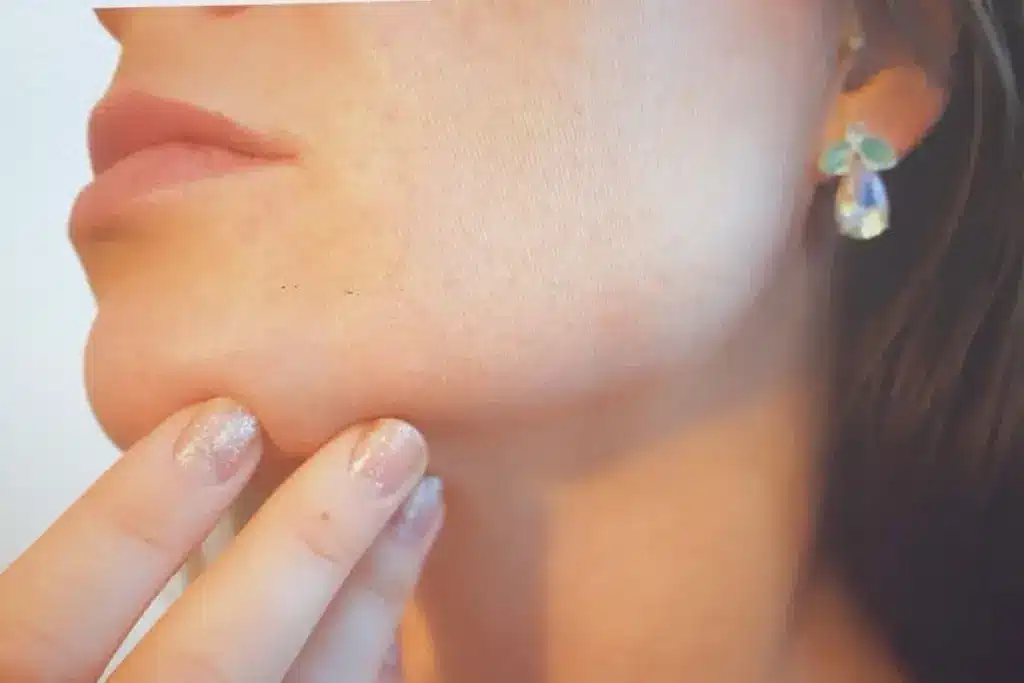
Acne affects nearly 40 million people in the United States alone. It’s a common skin condition. It’s not just for teenagers; adults can get it too, causing emotional distress and scarring.how to get rid of acneHow to Get Rid of Acne: Proven Secrets for Success
Dealing with acne can be frustrating and demotivating. But, there are many effective treatments out there. You can try home remedies, over-the-counter products, or prescription medications.
Finding the right acne treatment can feel overwhelming. But don’t worry, we’re here to help. In this article, we’ll look at the best acne treatments and options. This will help you make informed decisions about your skin health.
Key Takeaways
- Acne is a common skin condition affecting millions of people worldwide.
- Various treatment options are available, including home remedies and prescription medications.
- Understanding the causes of acne is key to finding the right treatment.
- Effective acne treatment can help reduce emotional distress and prevent scarring.
- Consulting a dermatologist can help you find the best treatment.
Understanding Acne: What Causes It?
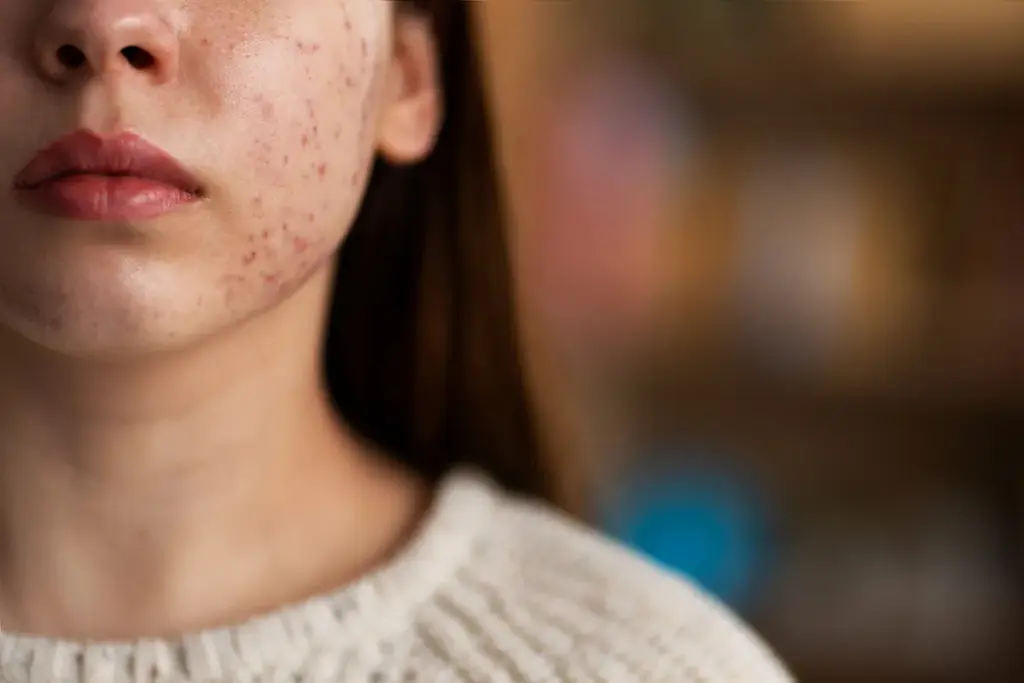
Knowing what causes acne is key to preventing and treating it. Acne affects millions worldwide. It’s not just a simple skin problem but a complex mix of factors.
Many elements contribute to acne. We’ll dive into these to give a full understanding.
Hormonal Factors
Hormonal changes play a big role in acne. Changes in hormone levels, like during puberty or pregnancy, can lead to more sebum. This excess oil can clog pores and cause acne.
For example, androgens like testosterone can make the sebaceous glands produce more oil. This is why acne often happens during big hormonal shifts.
Environmental Influences
Environmental factors also affect acne. Pollution, humidity, and chemicals can harm the skin and cause acne.
- Pollution: Airborne pollutants can settle on the skin, clogging pores.
- Humidity: High humidity can increase sweat production, potentially irritating the skin and causing acne.
- Chemicals: Certain chemicals in cosmetics or skincare products can irritate the skin or clog pores, leading to acne.
Diet’s Role in Acne
Diet is also important in acne development. Some foods can trigger or worsen acne in people.
Foods high in sugar, dairy, and saturated fats can affect hormone levels and cause inflammation. This can lead to acne. But, eating fruits, vegetables, and whole grains can help keep the skin clear.
- High Glycemic Foods: Can cause a spike in blood sugar and insulin resistance, potentially leading to increased sebum production.
- Dairy: Hormones in dairy products can stimulate oil production and lead to acne.
- Anti-inflammatory Foods: Foods rich in omega-3 fatty acids, antioxidants, and fiber can help reduce inflammation and promote clear skin.
By understanding these causes, people can use acne prevention techniques and clear skin remedies that fit their needs. Using natural acne remedies and making smart lifestyle choices can greatly help manage acne.
The Different Types of Acne
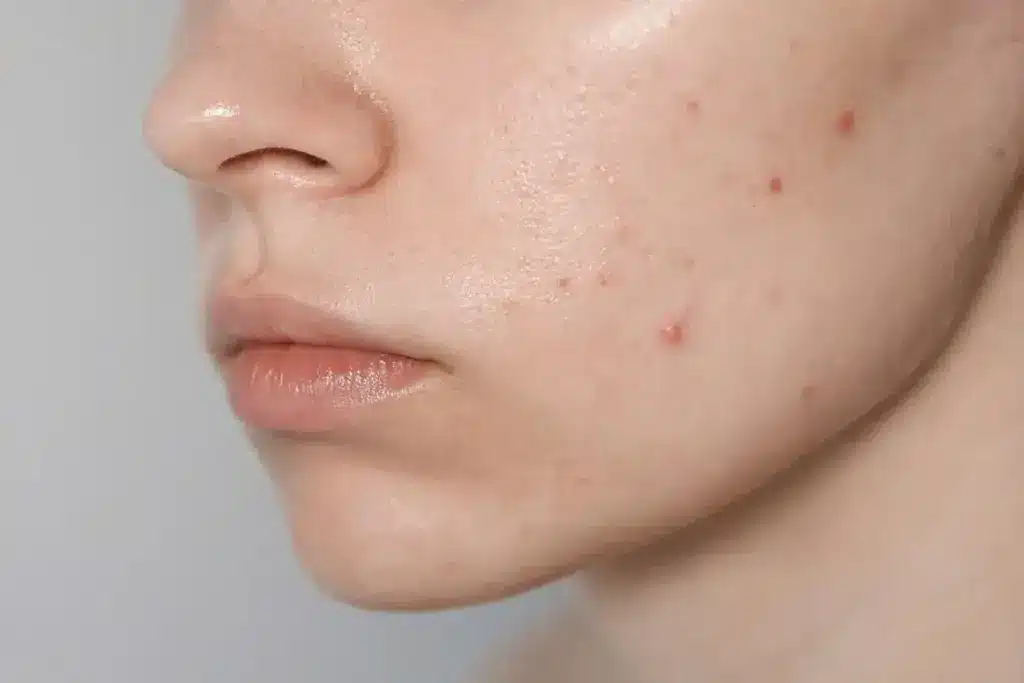
Acne isn’t just one thing; it comes in many forms. Each type has its own look and impact. Knowing these differences helps in treating and managing acne well.
Common Forms of Acne
Blackheads, whiteheads, and papules are the most common types of acne. Blackheads look like small, dark spots on your skin. Whiteheads are small, white bumps that are closed. Papules are small, pink bumps that can hurt when touched.
These types of acne can usually be treated with over-the-counter products and good skincare. But, if not treated, they can get worse.
Severe Acne and Its Implications
Severe acne includes cystic acne and nodules. Cystic acne has big, painful cysts that can cause scars. Nodules are big, firm bumps that can also cause scars.
Severe acne affects not just your skin but also your self-esteem and mental health. Getting help from a dermatologist is often needed for treatment.
Scarring and Long-Term Effects
Acne can cause scarring, which can last a long time if not treated. The kind of scarring depends on the acne type and how it’s managed. Atrophic scars are skin depressions, while hypertrophic scars are raised.
|
Type of Scar |
Description |
Treatment Options |
|---|---|---|
|
Atrophic Scars |
Depressions in the skin |
Fillers, chemical peels, laser therapy |
|
Hypertrophic Scars |
Raised scars |
Silicone gel, steroid injections, laser therapy |
Knowing about the different acne types and scarring risks is key for managing and treating acne. Getting the right medical care and practicing good skincare can help avoid long-term effects.
Over-the-Counter Treatments
For those dealing with acne, over-the-counter treatments offer a convenient and often effective solution. These treatments include topical medications, cleansers, exfoliants, and spot treatments. Each has its own benefits and possible drawbacks.
Topical Medications
Topical medications are applied directly to the skin. They come in various forms, like creams, gels, and lotions. The most common active ingredients are benzoyl peroxide and salicylic acid.
Benzoyl peroxide kills the bacteria that cause acne (Propionibacterium acnes or P. acnes). It also reduces inflammation and prevents clogged pores. It’s available in concentrations from 2.5% to 10%.
Salicylic acid unclogs pores by dissolving debris. It also has anti-inflammatory properties. OTC products usually have salicylic acid concentrations from 0.5% to 2%.
|
Active Ingredient |
Concentration |
Benefits |
|---|---|---|
|
Benzoyl Peroxide |
2.5% – 10% |
Kills acne-causing bacteria, reduces inflammation |
|
Salicylic Acid |
0.5% – 2% |
Unclogs pores, anti-inflammatory |
Cleansers and Exfoliants
Cleansers are key in treating acne. They remove dirt, oil, and bacteria from the skin. Choose gentle cleansers labeled “non-comedogenic” or “oil-free” to avoid clogged pores.
Exfoliants, whether physical or chemical, remove dead skin cells. This improves skin texture and reduces pore appearance.
Spot Treatments
Spot treatments are applied directly to pimples or prone areas. They contain higher concentrations of active ingredients like benzoyl peroxide or salicylic acid. They aim to quickly reduce acne severity.
When using OTC treatments, follow the instructions carefully and be patient. It may take time to see results. If your acne persists or worsens, see a dermatologist for advice.
Prescription Medications for Acne
When over-the-counter treatments don’t work, prescription medications can help. These are usually for moderate to severe acne. They aim to fix the root causes of the problem.
Oral Antibiotics
Oral antibiotics are often used for acne, mainly the inflammatory kind. They kill bacteria on the skin and reduce swelling.
- Types of Oral Antibiotics: Doxycycline and minocycline are common. They’re good at fighting acne-causing bacteria.
- Potential Side Effects: Oral antibiotics are usually safe. But, they might upset your stomach or make you more sensitive to sunlight.
Hormonal Treatments
Hormonal treatments are great for women with acne caused by hormones. They help balance hormones that lead to acne.
- Birth Control Pills: Some birth control pills can lower acne by balancing hormones.
- Anti-Androgen Medications: Spironolactone can fight androgens, which can cause acne.
Prescription Topicals
Prescription topicals are applied to the skin and work well for acne. They include stronger versions of retinoids and antibiotics.
- Retinoids: These are vitamin A derivatives. They prevent pores from clogging by speeding up cell turnover.
- Antibiotic Creams: Prescription creams or gels target acne-causing bacteria.
Seeing a dermatologist is key to finding the right prescription for your acne. They can create a treatment plan that fits your needs and reduces side effects.
Natural Remedies to Combat Acne
Many of us are looking for natural ways to fight acne. These natural options are gentler than harsh chemicals. They can help avoid side effects and improve skin health.
Tea Tree Oil
Tea tree oil is known for its ability to fight bacteria. It’s as good as benzoyl peroxide in treating acne but is gentler. Always mix it with a carrier oil to avoid skin irritation.
Benefits of Tea Tree Oil:
- It fights bacteria that cause acne
- It reduces redness and swelling
- It’s natural and safe when used right
Aloe Vera
Aloe vera has been used for ages to soothe skin. It reduces inflammation and irritation from acne. It also keeps the skin moist, which helps prevent dry skin acne.
How to Use Aloe Vera:
- Apply aloe vera gel to affected areas
- Use it as a moisturizer after washing your face
- Choose products with aloe vera as the main ingredient
Dietary Changes
What you eat affects your skin. Avoid foods high in sugar, dairy, and fats. Instead, eat more fruits, veggies, whole grains, and lean proteins for clear skin.
|
Food Group |
Examples |
Potential Benefits |
|---|---|---|
|
Fruits and Vegetables |
Berries, Leafy Greens, Tomatoes |
Rich in antioxidants, vitamins, and minerals that support skin health |
|
Whole Grains |
Brown Rice, Quinoa, Whole Wheat |
High in fiber, which can help regulate blood sugar and insulin levels |
|
Lean Proteins |
Chicken, Fish, Legumes |
Provide essential amino acids for skin repair and maintenance |
Incorporating natural remedies and mindful dietary choices can help manage acne more effectively. This approach promotes clear, healthy skin.
Skincare Routines for Acne-Prone Skin
Creating a good skincare routine is key for acne-prone skin. It helps control acne, lowers breakouts, and makes your skin healthier.
Morning and Evening Regimens
Both morning and evening routines are important. In the morning, get your skin ready for the day. At night, clean and repair your skin from the day’s stress.
Start your day with a gentle cleanser and a toner to balance your skin’s pH. Use a light, oil-free moisturizer to stay hydrated without clogging pores. Cleanse well at night to remove dirt, makeup, and sunscreen. Then, use a treatment product with salicylic acid or benzoyl peroxide to fight acne.
Products to Include
Choose products right for acne-prone skin. Look for “non-comedogenic” or “oil-free” labels to avoid clogged pores.
- Gentle Cleansers: Pick a mild cleanser that removes dirt without taking away natural oils.
- Exfoliants: Use exfoliants with alpha-hydroxy acids (AHAs) or beta-hydroxy acids (BHAs) to clear dead skin and open pores.
- Spot Treatments: Use spot treatments with salicylic acid or benzoyl peroxide on acne to reduce inflammation and fight bacteria.
Things to Avoid
Some products and practices can make acne worse. Stay away from harsh products that take away natural oils, as this can cause more oil and breakouts.
|
Product/Practice |
Why to Avoid |
|---|---|
|
Harsh Exfoliants |
Can cause irritation and increase inflammation. |
|
Comedogenic Products |
Can clog pores and lead to more acne. |
|
Over-washing |
Strips the skin of its natural oils, potentially leading to more oil production and breakouts. |
Lifestyle Changes to Reduce Acne
Making lifestyle changes can greatly help with acne-prone skin. It can reduce breakouts and improve skin health. Simple daily changes can manage acne and make skin look better.
Effective Stress Management Techniques
Stress makes acne worse, so managing it is key. Meditation and yoga are great for this. They calm the mind and help the skin stay healthy.
- Meditation: Regular practice lowers cortisol, which helps with acne.
- Yoga: It combines movement with deep breathing for stress relief.
- Deep Breathing Exercises: Simple deep breathing calms the nervous system and reduces stress.
The Importance of Adequate Sleep
Getting enough sleep is vital for skin health. Sleep helps repair cells, build bone and muscle, and boost the immune system. 7-9 hours of sleep each night can help manage acne.
- Keep a regular sleep schedule to regulate your body’s clock.
- Have a bedtime routine to tell your body it’s time to sleep.
- Stay away from caffeine and electronics before bed for better sleep.
Benefits of Regular Exercise
Regular exercise is good for acne-prone skin. It reduces stress, improves blood flow, and boosts the immune system. Aiming for at least 30 minutes of moderate-intensity exercise most days is beneficial.
- It improves blood flow, which nourishes the skin.
- It reduces stress through endorphins.
- It supports overall health, leading to better skin health.
By making these lifestyle changes, you can actively manage acne and improve your overall health.
Dietary Adjustments for Clearer Skin
The food we eat affects our skin a lot. Making changes in what we eat is important for clear skin. A balanced diet can lower inflammation and make our skin healthier.
Trigger Foods
Some foods can make acne worse. These include:
- Dairy products, which can stimulate hormones that lead to acne
- Refined carbohydrates, such as white bread and sugary snacks, which can cause inflammation
- Processed meats, which are high in advanced glycation end (AGE) products that can stimulate inflammation
Knowing and avoiding these foods helps manage acne better.
Anti-Inflammatory Foods
Eating foods that fight inflammation can help with acne. Some good foods are:
- Leafy greens, such as spinach and kale, rich in antioxidants
- Fatty fish, like salmon, which are high in omega-3 fatty acids
- Nuts and seeds, such as almonds and flaxseeds, which are rich in healthy fats and antioxidants
These foods not only fight inflammation but also boost overall health.
Hydration and Skin Health
Drinking enough water is key for healthy skin. Water removes toxins and keeps skin moist. It also makes skin more elastic and reduces wrinkles.
Drink at least eight glasses of water a day for better skin. Eating hydrating foods like watermelon and cucumbers also helps.
|
Food Category |
Examples |
Benefits for Skin |
|---|---|---|
|
Leafy Greens |
Spinach, Kale |
Rich in antioxidants, reduces inflammation |
|
Fatty Fish |
Salmon, Sardines |
High in omega-3 fatty acids, reduces inflammation |
|
Nuts and Seeds |
Almonds, Flaxseeds |
Rich in healthy fats and antioxidants, promotes skin health |
When to Seek Professional Help
If you’re dealing with tough or long-lasting acne, knowing when to get help is key. Over-the-counter treatments and home remedies work for mild cases. But, severe or ongoing acne might need a dermatologist’s help.
Signs It’s Time to See a Dermatologist
There are clear signs you should see a dermatologist. These include:
- Persistent acne that doesn’t get better with over-the-counter treatments
- Severe acne that leads to big inflammation or scars
- Acne that really messes with your daily life, making you feel bad about yourself
Also, if your skin suddenly or strangely changes, get expert advice.
Different Types of Acne Specialists
Looking for help for acne, you might meet various specialists. Dermatologists are doctors who focus on skin, hair, and nail issues. They’re the go-to for acne treatment. Some dermatologists specialize in cosmetic or pediatric dermatology.
What to Expect During Your Visit
At your first visit, a dermatologist will check your skin closely. They’ll look at your acne type and severity, ask about your health history, and talk about your skincare. They’ll then create a treatment plan just for you. This could include medicines, lifestyle changes, or other treatments.
Be sure to share all about your symptoms and any treatments you’ve tried. This helps your dermatologist give you the best care for your acne.
Common Myths About Acne
Many myths about acne confuse people. These myths often stem from misunderstandings about what causes acne and how to treat it. We will look at some common myths and provide accurate information to clear up these misconceptions.
Debunking Acne Myths
One big myth is that acne comes from being dirty. While clean skin is key, washing too much can irritate it. Another myth is that acne only hits teens. But, acne can affect anyone, at any age.
Some myths say certain foods, like chocolate, cause acne. But, the link between diet and acne is more complex. We’ll dive into these myths and more below.
- Myth: Acne is caused by dirty skin. Fact: While cleanliness is important, over-washing can irritate the skin.
- Myth: Only teenagers get acne. Fact: Acne can affect people of all ages.
- Myth: Certain foods cause acne. Fact: Diet can influence acne, but the relationship is complex.
The Truth About Makeup
Many think makeup causes acne. But, it’s not that simple. Some makeup can clog pores, but many products are made to avoid this.
Choosing the right makeup and removing it well is key. Use gentle cleansers and avoid heavy products to reduce acne risks.
- Choose non-comedogenic or oil-free makeup products.
- Remove makeup thoroughly every day.
- Use a gentle cleanser suitable for your skin type.
Misconceptions About Sun Exposure
Some believe more sun helps acne. But, too much sun can damage skin and make acne worse. A little sun might help sometimes, but be careful.
Some treatments can make skin more sun-sensitive. Always use sunscreen with SPF 30 or higher. Reapply every two hours or after swimming or sweating.
Knowing the truth about acne helps make better choices for your skin. Always talk to a dermatologist for advice on managing acne.
The Role of Stress in Acne
Stress can make acne worse. It changes how our body works, affecting hormones and causing inflammation. These changes can make acne symptoms worse.
How Stress Affects Your Skin
Stress makes our body release hormones like cortisol. This hormone can make our skin produce more oil, clogging pores and causing acne. Stress also leads to inflammation, making acne symptoms even worse.
Techniques to Manage Stress
Managing stress is key to controlling acne. You can try mindfulness meditation, deep breathing exercises, and yoga. These methods can help lower stress levels.
Stress-Reducing Activities
Doing activities that reduce stress can also help with acne. Try regular exercise, reading, or spending time in nature. These activities can help lower stress and reduce acne severity.
Maintaining Results: Preventing Future Breakouts
Getting clear skin is just the start. Keeping it clear needs a steady skincare plan. Stick to what worked for you, tweaking it if your skin says so.
Consistency is Key
Keeping up with your skincare is key to avoiding future breakouts. Use products that fit your skin type. Clean and moisturize regularly to keep your skin healthy.
Sustaining a Healthy Lifestyle
A healthy lifestyle is also important for clear skin. Eat well, exercise, and manage stress. A healthy body means healthy skin.
Monitoring Your Skin
Watch your skin for any changes or signs of breakouts. Catching issues early helps prevent big problems. This way, you can keep your skin clear and healthy for a long time.
FAQ
What are the most effective ways to get rid of acne?
To get rid of acne, start with a good skincare routine. This includes using the right cleansers and spot treatments. For tougher cases, you might need prescription meds like antibiotics or hormonal treatments.
How do hormonal changes affect acne?
Hormonal shifts can really affect your skin. Changes in hormones, like androgens, can make your skin produce more oil. This can clog pores and cause acne. That’s why acne often shows up during puberty, menstruation, pregnancy, and menopause.
What dietary habits can help reduce acne?
What you eat can help fight acne. Stay away from foods high in sugar, dairy, and refined carbs. Instead, eat foods that fight inflammation, like omega-3s, fruits, and veggies. Drinking plenty of water is also key for healthy skin.
What are the different types of acne and their implications?
Acne can range from mild to severe. Mild forms include blackheads and whiteheads. But cystic acne can cause scars. Knowing your acne type helps you choose the right treatment and avoid scarring.
Are natural remedies effective in treating acne?
Yes, natural remedies can help. Tea tree oil and aloe vera have antibacterial and soothing effects. Making dietary changes can also help. But, they work best when used with other treatments.
How can stress management techniques help in reducing acne?
Stress can make acne worse by raising cortisol levels. This leads to more oil production. Techniques like meditation, yoga, and deep breathing can help lower stress. This might improve your skin.
When should I seek professional help for my acne?
If your acne doesn’t get better with over-the-counter treatments, see a dermatologist. They can create a treatment plan that fits your skin and acne type. This might include prescription meds or other therapies.
What are some common myths about acne?
Many people think acne comes from poor hygiene or that sun can cure it. But, acne is caused by genetics, hormones, and environment. While some sun might help, too much can harm your skin.
How can I maintain clear skin after acne treatment?
Keep your skin clear by sticking to a skincare routine and a healthy lifestyle. Use the right products, manage stress, and eat well. This helps prevent future breakouts.
What lifestyle changes can help reduce acne?
Changes like getting enough sleep, exercising, and managing stress can help. These habits can balance hormones, reduce inflammation, and improve your skin’s health.
National Center for Biotechnology Information. Evidence-Based Medical Insight. Retrieved from https://pubmed.ncbi.nlm.nih.gov/26987681/