
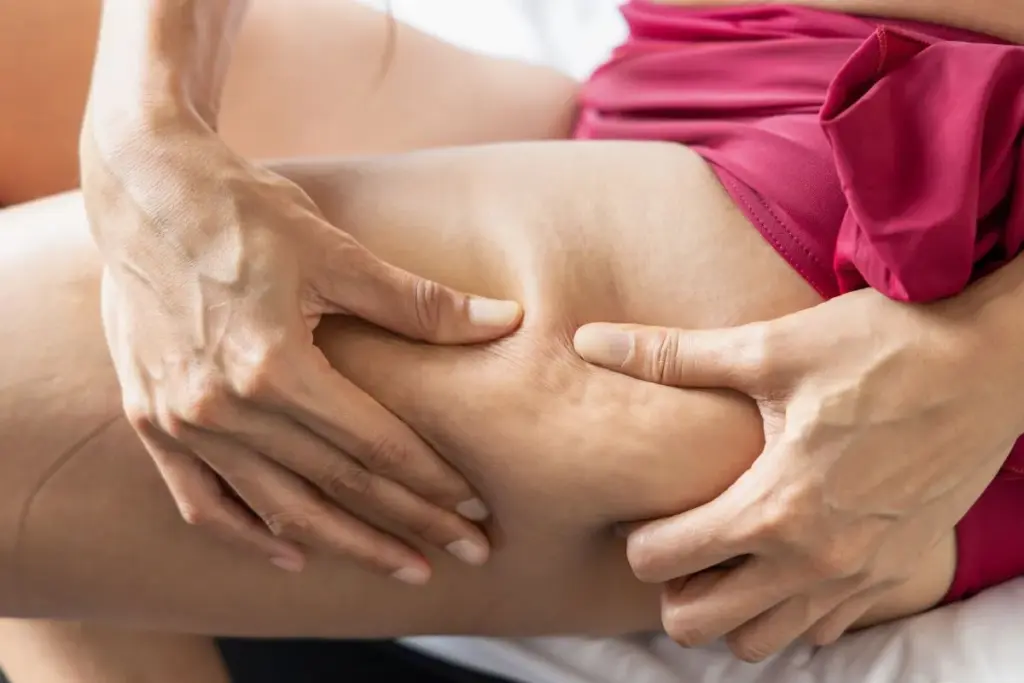
Skin infections can be very painful and upsetting. A boil on inner thigh female patients often face can make it hard to move around. These painful lumps usually pop up on the upper leg because of rubbing and trapped heat.
Most boils come from Staphylococcus aureus bacteria getting into a hair follicle. When thinking about what causes boils between thighs, we see that sweat and moisture help bacteria grow. A thigh boil starts small but can grow fast if not treated right.
Remember, squeezing boils is risky and can spread the infection. We’re here to help you spot inner leg boils and guide you to the right medical care. Knowing what causes them is the first step to feeling better and keeping your skin healthy.
Key Takeaways
- Most inner thigh infections are caused by the Staphylococcus aureus bacterium.
- Friction from walking and excess moisture are primary factors in their development.
- Avoid squeezing or popping a boil to prevent the infection from spreading.
- Applying a warm compress can help the area drain naturally and safely.
- Maintaining a dry and clean skin environment helps prevent future occurrences.
- Seek professional medical advice if the area becomes excessively swollen or painful.
Understanding Boils on Inner Thigh: Causes and Identification
Knowing why boils happen on the inner thigh is key to treating and preventing them. The inner thigh is warm and moist, perfect for bacteria like Staphylococcus aureus to grow. This bacteria is often the cause of boils.
Boils start when bacteria get into the skin through hair follicles or sweat glands. The inner thigh’s warm, moist, and friction-prone environment makes it a hotspot for infections. We need to tackle the causes and risk factors to prevent and treat boils effectively.
What Causes Boils Between Thighs
Most boils between the thighs come from bacterial infections, with Staphylococcus aureus being the main offender. Bacteria sneak in through small skin breaks like cuts, scrapes, or ingrown hairs. Several factors increase the risk of boils in this area, including:
- Friction and chafing, which can irritate the skin and create entry points for bacteria
- Excessive sweating, which contributes to the moist environment that bacteria thrive in
- Poor hygiene, which can lead to the accumulation of bacteria on the skin
- Tight clothing, which can cause friction and irritation
Doctors say that the inner thigh’s warm, moist environment is perfect for bacteria to grow. This makes keeping the area clean and wearing loose clothes important.
Boil or Cyst on Inner Thigh: Key Differences
It’s important to tell the difference between a boil and a cyst on the inner thigh. Boils are painful, pus-filled bumps from bacterial infections. Cysts are closed sacs that can hold fluid, pus, or other stuff.
| Characteristics | Boil | Cyst |
| Cause | Bacterial infection | Blockage of sebaceous glands or other factors |
| Pain | Typically painful | May or may not be painful |
| Contents | Pus | Fluid, pus, or other material |
Risk Factors for Developing Inner Thigh Boils
Some people are more likely to get boils on their inner thigh due to certain risk factors. These include:
- Poor hygiene practices
- Excessive sweating (hyperhidrosis)
- Friction from tight or poorly fitting clothing
- Ingrown hairs or other skin irritations
- Compromised immune systems
Knowing these risk factors helps us prevent boils on the inner thigh. By addressing these issues, we can lower the chance of getting boils.
How to Get Rid of Inner Leg Boils: Step-by-Step Treatment
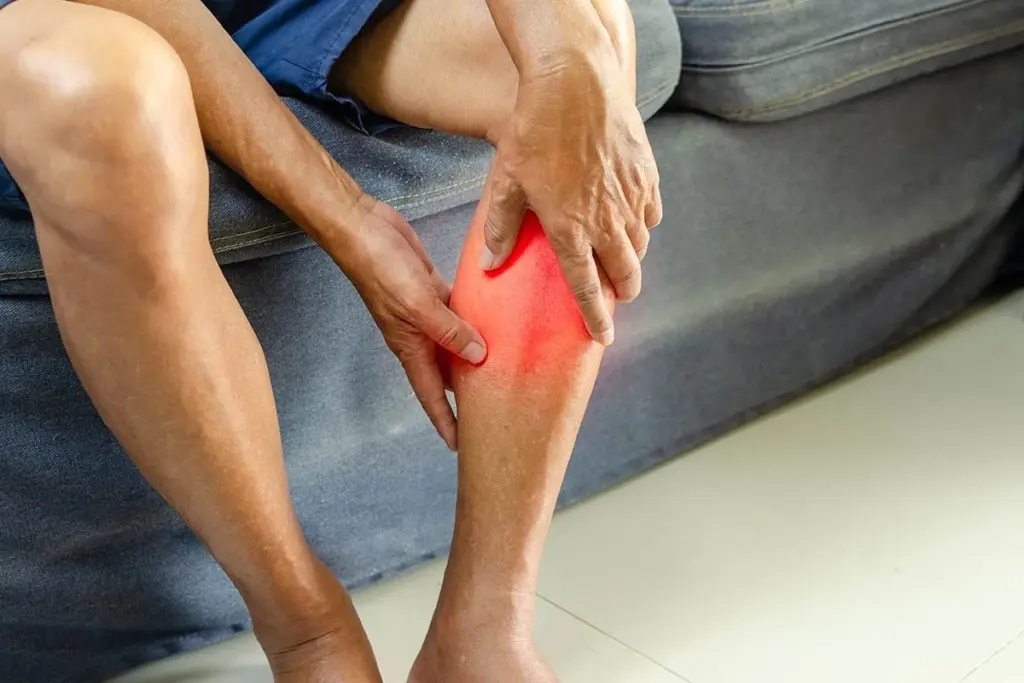
Boils on the inner thigh can be treated with a step-by-step guide. This guide includes self-care and professional medical help when needed. Dealing with boils can be painful and upsetting. It’s important to know the treatment options well.
Home Treatment for Small to Moderate Boils
For small to moderate boils, home treatment is a good start. Keeping the affected area clean is key to prevent infection spread. Wash the boil gently with soap and water.
Using warm compresses several times a day can help. It brings the boil to a head and encourages it to drain. Over-the-counter pain relievers can also help with discomfort.
Medical experts say, “Warm compresses can help a lot by promoting drainage.”
Treating a Boil on Inner Thigh With No Head
Treating a boil with no head needs patience and careful management. Keep using warm compresses to help it come to a head. Avoid squeezing or trying to lance it yourself, as it can cause more infection.
If the boil doesn’t get better or gets bigger, see a doctor.
Medical Interventions for Large Boils and Abscesses on Thigh
For big boils or abscesses, you might need medical help. A doctor might do an incision and drainage to drain the boil. They might also give you antibiotics to treat the infection.
In severe cases, they might consider steroid injections.
Why You Keep Getting Boils on Inner Thigh and How to Stop Recurrence
Recurring boils can be hard to deal with. To stop them, find and fix the cause. Keep your skin clean, wear loose clothes, and manage health issues.
Talking to a healthcare provider about prevention is also important. They can give advice tailored to your needs.
Conclusion: Managing Inner Thigh Bumps for Long-Term Relief
Managing inner thigh boils needs a full plan. This includes knowing the cause, treating it, and stopping it from coming back. It’s key to understand why these bumps happen to pick the best treatment.
We talked about different ways to treat boils. From home remedies for small ones to medical help for big ones. Keeping clean, wearing loose clothes, and taking care of your health are also important.
By following these steps and getting medical help when needed, you can fight off inner thigh bumps. This approach helps keep your skin healthy for a long time.
Understanding Boils on Inner Thigh: Causes and Identification
Discovering a painful lump on your skin can be upsetting. A boil, or furuncle, is a deep bacterial infection of the hair follicle or oil gland. On the inner thigh, these are common due to the area’s unique environment. The main cause is usually Staphylococcus aureus, a bacteria that often lives harmlessly on the skin but causes infection when it enters through a micro-abrasion.
FAQ
What causes boils between the thighs?
Boils between the thighs are usually caused by friction, sweat, and bacteria entering small breaks in the skin created by constant skin-to-skin rubbing.
What is the difference between a boil and a cyst on the inner thigh?
A boil is a painful bacterial infection that develops quickly and may cause fever, while a cyst is a slow-growing sac under the skin that is usually painless unless infected.
What are the risk factors for developing boils on the inner thigh?
Common risk factors include weakened immunity, diabetes, eczema, poor hygiene, skin friction, and sharing personal items like towels or razors.
How can I get rid of inner leg boils?
Treatment usually focuses on warm compresses to encourage natural drainage, proper hygiene, and medical procedures like incision and drainage if the boil becomes severe.
What is the best home treatment for small to moderate boils on the inner thigh?
Applying a warm compress for 10–15 minutes three to four times daily can help improve blood flow and encourage the boil to drain naturally.
How do you treat a boil on the inner thigh with no head?
For a boil without a visible head, continuing warm compresses can help bring the infection to the surface, but medical evaluation is recommended if it persists beyond a week.
What medical treatments are used for large boils or abscesses on the thigh?
Doctors may perform incision and drainage in a sterile setting and prescribe antibiotics if the infection is severe or spreading.
Why do I keep getting boils on my inner thigh and how can I prevent them?
Recurring inner thigh boils may be linked to conditions like hidradenitis suppurativa or repeated friction, so prevention involves antibacterial hygiene, loose clothing, and reducing skin friction.
References
National Center for Biotechnology Information. Evidence-Based Medical Insight. Retrieved from https://pmc.ncbi.nlm.nih.gov/articles/PMC3080563/



 Departments
 Related Videos
 Our Doctors
 News
News