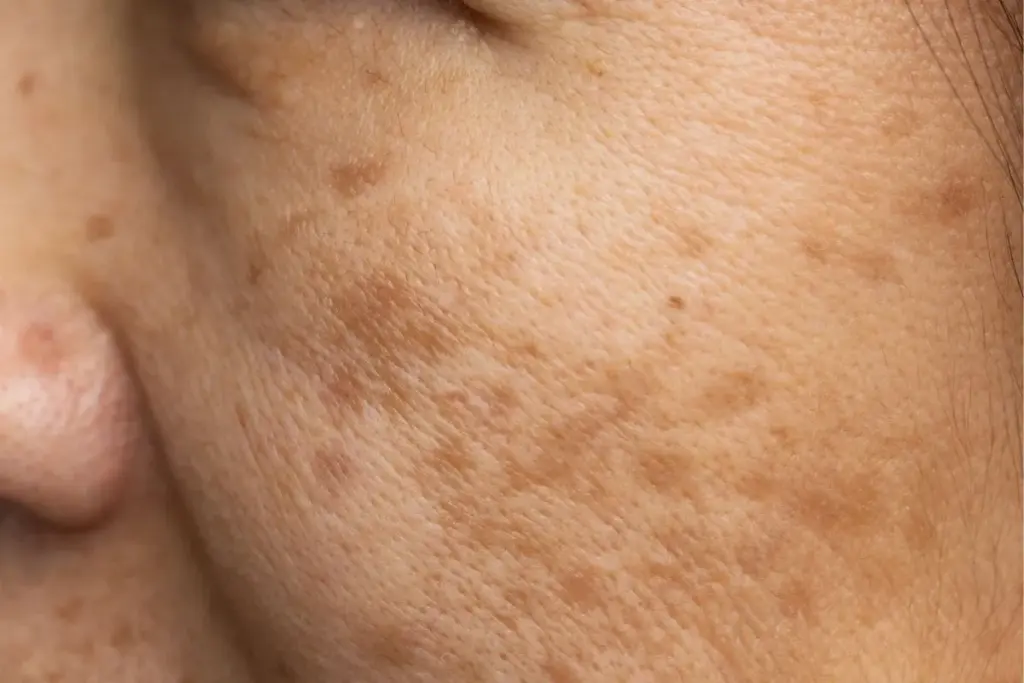
Pigmentation disorders like melasma and post-inflammatory hyperpigmentation (PIH) are common. They can be tough to treat. We know how worried and frustrated people get about these issues.
Learn how to get rid of hyperpigmentation permanently. Discover the most effective treatments for a flawless complexion.
It’s key to look into the treatments available and how well they work. Recent studies show that getting rid of pigment completely is rare. Most treatments lead to some improvement.
We’ll explore the latest in treating hyperpigmentation and pigmentation disorders. You’ll learn what to expect from different treatments.
Key Takeaways
- Pigmentation disorders like melasma and PIH are difficult to treat permanently.
- Most treatments achieve partial to significant improvement.
- Recent research provides insights into the effectiveness of various treatments.
- Understanding the available treatments is key for managing expectations.
- Treatments for hyperpigmentation and pigmentation disorders are always getting better.
Understanding Pigmentation Disorders
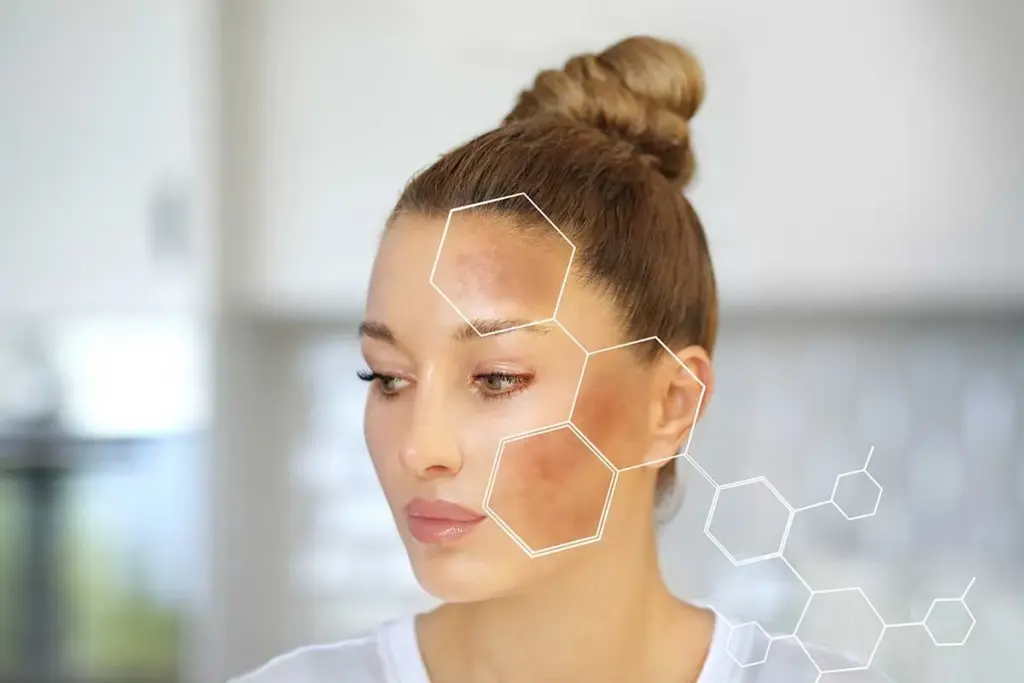
Pigmentation disorders show how melanin and skin health are connected. They can take many forms and affect people differently.
What Causes Excess Pigmentation in Skin
Too much melanin causes skin to darken. This can happen for several reasons. UV exposure, hormonal changes, and inflammation are some of them.
UV rays make skin produce more melanin to protect itself. This can cause dark spots. Hormonal shifts, like during pregnancy, also lead to more melanin.
The Role of Melanin in Skin Color
Melanin decides our skin color. It comes in two main types: eumelanin and pheomelanin. Eumelanin makes skin look brown or black.
How much and where melanin is in the skin affects our natural color. This is why people have different skin tones.
Normal vs. Abnormal Pigmentation
Normal pigmentation means melanin is spread evenly. This gives us a uniform skin tone. But, when melanin is not spread right, we get dark or light spots.
|
Characteristics |
Normal Pigmentation |
Abnormal Pigmentation |
|---|---|---|
|
Melanin Distribution |
Evenly distributed |
Irregular distribution |
|
Skin Appearance |
Uniform skin tone |
Hyperpigmentation or hypopigmentation |
|
Causes |
Genetic factors |
UV exposure, hormonal changes, inflammation |
Knowing about pigmentation disorders helps us find better treatments. It also helps us understand what to expect.
Common Types of Hyperpigmentation
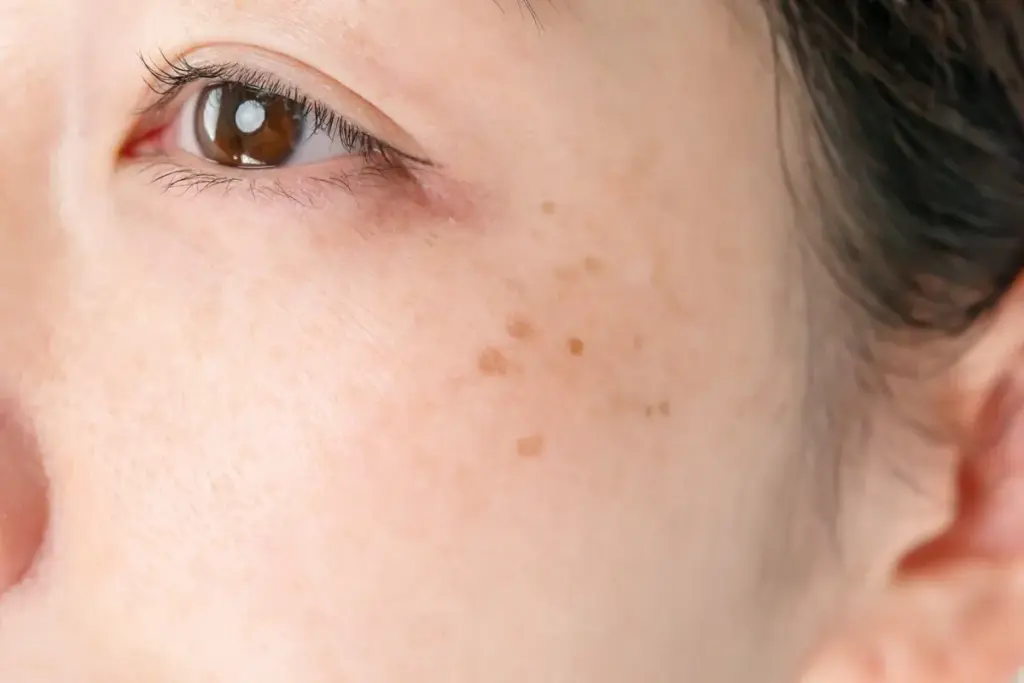
There are several common conditions linked to hyperpigmentation, like melasma and post-inflammatory hyperpigmentation. Knowing about these conditions helps find the best treatment.
Melasma: The Mask of Pregnancy
Melasma is a hyperpigmentation type linked to hormonal changes, often seen during pregnancy. It shows up as patches of color on the face. Hormonal changes are thought to cause it, but the exact reason is not known.
Post-Inflammatory Hyperpigmentation (PIH)
PIH happens after the skin gets inflamed or injured, leading to dark spots or patches. It can come from acne, burns, or other skin injuries. The severity of PIH depends on how bad the initial inflammation was.
Solar Lentigines (Age/Sun Spots)
Solar lentigines, or age or sun spots, are flat brown or black marks from UV radiation. They are more common in older people and show sun damage.
Other Pigmentation Conditions
There are other hyperpigmentation types, like freckles and drug-induced hyperpigmentation. Each has its own causes and features.
|
Condition |
Causes |
Characteristics |
|---|---|---|
|
Melasma |
Hormonal changes, sun exposure |
Patches of discoloration, typically on the face |
|
Post-Inflammatory Hyperpigmentation (PIH) |
Inflammation or injury to the skin |
Dark spots or patches following skin trauma |
|
Solar Lentigines |
UV radiation exposure |
Flat brown or black spots, sign of sun damage |
Factors That Trigger or Worsen Pigmentation
To manage pigmentation disorders well, we need to know what causes them. Many things can make pigmentation problems worse.
Sun Exposure and UV Damage
Sun exposure is a big cause of pigmentation issues. The sun’s UV rays make more melanin, which changes skin color. Too much sun can cause uneven melanin, leading to dark spots.
Prevention is key: Wearing broad-spectrum sunscreens with high SPF can help avoid UV damage.
Hormonal Influences
Hormonal changes can also cause or make pigmentation worse. For example, melasma often happens during pregnancy or with birth control.
- Hormonal therapies can sometimes make pigmentation issues worse.
- It’s important to keep an eye on hormonal balances to manage pigmentation.
Inflammation and Skin Trauma
Inflammation and skin trauma, like acne or injuries, can cause PIH. How long and how severe the inflammation is can affect how bad PIH gets.
|
Cause |
Effect on Pigmentation |
|---|---|
|
Acne |
Post-inflammatory hyperpigmentation |
|
Skin Injuries |
Increased melanin production |
|
Surgical Procedures |
Potential for PIH |
Genetic Predisposition
Genetics also play a big part in who gets pigmentation disorders. If your family has conditions like melasma or freckles, you might get them too.
Understanding genetic predispositions helps in creating better prevention and treatment plans.
Can Pigmentation Truly Be Eliminated Permanently?
Getting rid of pigmentation for good is complex. It needs a deep look into how pigments form.
The Science Behind Pigment Formation and Removal
Pigment comes from melanin, a process influenced by genes, hormones, and the environment. Knowing how melanin works in the skin is key to finding good treatments.
Many things can change how melanin is made, like UV rays, inflammation, and hormone shifts. Treatments try to cut down melanin making or get rid of it.
Research on Complete vs. Partial Resolution
Research shows some treatments can really help with pigmentation issues. But, getting rid of all pigment forever is not common. How well a treatment works depends on the pigmentation, skin type, and the treatment itself.
Looking at studies, laser therapy and chemical peels can make a big difference. But, these results often need follow-up treatments to last.
|
Treatment Modality |
Success Rate |
Duration of Results |
|---|---|---|
|
Laser Therapy |
60-80% |
Several months to years |
|
Chemical Peels |
50-70% |
Several weeks to months |
|
Topical Creams |
30-50% |
Varies, often requires continuous use |
Factors That Determine Treatment Success
How well a treatment works depends on several things. These include the type and severity of the pigmentation, skin type, and any health issues. Also, following the treatment plan and protecting your skin from the sun is important.
Key factors include: the type of pigmentation disorder, skin type, treatment modality, and patient compliance.
Dermatologists can increase treatment success by understanding these factors and customizing treatments.
Topical Treatments for Hyperpigmentation
Topical treatments are key in fighting hyperpigmentation. They are applied directly to the skin. They can greatly reduce dark spots and even out skin tone.
Retinoids: A Proven Solution
Retinoids come from vitamin A and are used in dermatology. They help cells turn over and produce collagen. Studies show they can reduce pigmentation by 64%, making them a top choice for treating hyperpigmentation.
Using retinoids in your skincare routine is a good idea. They not only lighten pigmentation but also improve skin texture and reduce fine lines.
Hydroquinone: Benefits and Limitations
Hydroquinone is a skin-lightening agent that stops melanin production. It’s effective, but it has limits and can cause side effects.
“Hydroquinone remains a gold standard for treating hyperpigmentation, but its use must be carefully monitored.”
Before starting hydroquinone, talk to a dermatologist. They can help weigh the benefits against the risks.
Vitamin C and Other Antioxidants
Vitamin C is a strong antioxidant that brightens the skin and fights hyperpigmentation. It fights free radicals and boosts collagen.
Other antioxidants like vitamin E and ferulic acid also play a role in skincare. They help make treatments for hyperpigmentation more effective.
|
Antioxidant |
Benefits |
|---|---|
|
Vitamin C |
Brightens skin, reduces hyperpigmentation |
|
Vitamin E |
Protects against environmental stressors |
|
Ferulic Acid |
Enhances stability of antioxidants |
Alpha and Beta Hydroxy Acids
Alpha hydroxy acids (AHAs) and beta hydroxy acids (BHAs) are exfoliants. They remove dead skin cells, making the skin brighter and more even-toned. AHAs, like glycolic acid, are great for superficial hyperpigmentation.
BHAs, like salicylic acid, are good for acne-prone skin. They penetrate deeper into pores.
Knowing about different topical treatments helps in choosing the right skincare. Always talk to a dermatologist to find the best treatment for your skin.
How to Get Rid of Hyperpigmentation: Professional Treatments
For those dealing with hyperpigmentation, professional treatments can help. This condition makes skin patches darker than the rest. Many medical options can treat it effectively.
Chemical Peels: Types and Efficacy
Chemical peels are a common choice for treating hyperpigmentation. They use a solution to peel off the skin’s top layers and boost collagen. There are different peels, each with its own level of depth and effect.
Types of Chemical Peels:
- Superficial peels: Gentle, with little downtime, using alpha-hydroxy acids (AHAs) or beta-hydroxy acids (BHAs).
- Medium peels: Go deeper, often using trichloroacetic acid (TCA), for more noticeable pigmentation.
- Deep peels: The strongest, using phenol, for serious hyperpigmentation, with a lot of downtime.
Microdermabrasion and Dermabrasion
Microdermabrasion and dermabrasion are non-surgical ways to exfoliate the skin. They help improve texture and reduce hyperpigmentation. Microdermabrasion is milder, while dermabrasion is more intense, using a tool to remove skin.
“Microdermabrasion is an effective treatment for mild hyperpigmentation, with a quick recovery time.”
Laser Therapy: 26% Complete Resolution Rate
Laser therapy is a top choice for hyperpigmentation. It uses laser beams to kill cells that cause pigmentation. Studies show it can fully clear hyperpigmentation in 26% of cases, making it a good option for significant improvement.
“Laser therapy has revolutionized the treatment of hyperpigmentation, providing a precise and effective solution for many patients.”
Intense Pulsed Light (IPL) Treatments
IPL treatments use broad-spectrum light to target hyperpigmentation. While less precise than laser therapy, IPL is good for treating larger areas and multiple skin issues at once.
Key Considerations:
- Skin type and tone can affect treatment success and risk of side effects.
- More than one session might be needed for the best results.
- Combining treatments can improve outcomes.
Treatment Timeframes and Expected Results
Getting the results you want from hyperpigmentation treatments takes time and patience. It’s important to know what to expect. This helps make the treatment process smoother.
Average Time to Initial Improvement
The time it takes to see the first signs of improvement varies. It can be anywhere from 28 to 140 days. For example, using creams like retinoids might show results in a few weeks. But treatments like laser therapy might take longer.
Several things can affect how fast you see results:
- The type and severity of hyperpigmentation
- The treatment method chosen
- How your skin is
- How well you stick to the treatment plan
Factors That Accelerate or Delay Results
Some things can make your treatment work faster or slower. Sun exposure can make hyperpigmentation worse and slow down improvement. But using sun protection regularly can help your treatment work better.
Other things that can affect your results include:
- Hormonal changes
- Your skin care routine and products
- Other skin conditions you might have
Setting Realistic Expectations
It’s key to have realistic hopes when you’re treating hyperpigmentation. Some treatments might promise fast fixes, but lasting results often take longer.
“The key to successful treatment is not just the treatment itself, but also the patient’s understanding and compliance with the recommended treatment protocol.”
A dermatology expert
Knowing about treatment timeframes and what affects results helps patients. It makes their treatment journey better and leads to better results.
Natural and Home Remedies for Dark Spots
Many people look for natural ways to get rid of dark spots. They want a bright, even skin tone. But, it’s important to know how well these methods work and their limits.
Evidence-Based Natural Ingredients
Some natural ingredients might help with dark spots. Turmeric has curcumin, which can stop melanin production. This might make dark spots less noticeable. Licorice extract also works by stopping the enzyme that makes melanin.
DIY Masks and Treatments
DIY masks and treatments are popular for dark spots. Lemon juice and honey are common choices. They’re thought to lighten the skin. But, be careful because they can cause skin problems.
Limitations of Natural Approaches
Natural remedies might not work the same for everyone. They also lack standardization and regulation. This can make results unpredictable. Remember, natural doesn’t always mean safe; some ingredients can irritate the skin.
Comparative Analysis of Natural Ingredients
|
Ingredient |
Mechanism of Action |
Efficacy Level |
|---|---|---|
|
Turmeric (Curcumin) |
Inhibits melanin production |
High |
|
Licorice Extract |
Inhibits tyrosinase enzyme |
Moderate to High |
|
Lemon Juice |
Natural bleaching agent |
Variable, risk of irritation |
|
Honey |
Potential skin-lightening effects |
Low to Moderate |
Natural remedies can be a good option for dark spots. But, it’s key to know their strengths and weaknesses. This helps make better choices.
Combination Therapy Approaches
Combination therapy is becoming a top choice for treating pigmentation issues. It combines different treatments to get better results than one treatment alone.
Synergistic Treatment Protocols
Synergistic treatment protocols mix treatments to boost their effects. For example, using a topical retinoid with a chemical peel can treat hyperpigmentation better. This method attacks pigmentation from the surface and deeper layers of the skin.
Another good example is mixing laser therapy with intense pulsed light (IPL). This mix is great for tough pigmentation problems, as the laser targets specific spots and IPL covers more area.
Layering Products and Treatments
Layering products and treatments means using them in a certain order to get the best results. For example, start with a gentle exfoliant, then use a product with hydroquinone or vitamin C, and end with a broad-spectrum sunscreen. This way, you can gradually improve your skin tone and reduce pigmentation.
- Start with a cleanser and gentle exfoliant to get ready.
- Use a treatment product with active ingredients like retinoids or hydroquinone.
- Finish with a moisturizer and broad-spectrum sunscreen to protect.
Professional-Grade vs. At-Home Combinations
Combination therapy can be professional-grade or at-home. Professional treatments are stronger and tailored to your skin. They are given by a dermatologist or skincare expert, ensuring they are safe and work well.
At-home combinations are easier but might not work as well because they have less active ingredients and no expert advice. But, they can be helpful if used right and with a skincare expert’s guidance. Always talk to a dermatologist before starting any treatment to find the best one for you.
Knowing the pros and cons of professional and at-home treatments helps us choose the right plan. This way, we can better manage pigmentation.
The Reality of Recurrence: Why Pigmentation Returns
Hyperpigmentation can come back, and knowing why is key to managing it. Even after treatment, many things can cause it to return. This makes ongoing care very important.
Triggers for Pigmentation Recurrence
Sun exposure is a big reason for pigmentation to come back. UV rays can make melanin, causing spots to appear again. Hormonal changes, like during pregnancy, can also cause it to return. Skin injuries or inflammation can lead to PIH, another common reason.
“Understanding and avoiding these triggers is the first step in managing pigmentation,” says a top dermatologist. “Knowing what can cause it to come back helps patients take steps to prevent it.”
Statistical Likelihood of Relapse
Studies show that how likely pigmentation is to come back depends on the type and treatment. Melasma, for example, has a higher chance of coming back. A study found that about 40% of melasma patients saw it return within a year. Knowing these numbers helps set realistic hopes for patients.
Managing Expectations About Permanence
It’s important to manage what patients expect when treating hyperpigmentation. While treatments can make spots less visible, they might come back. We stress the need for ongoing treatments and preventive steps to keep the spots away for longer.
It’s important to remember that treating hyperpigmentation is not a one-time thing. It often needs ongoing care. This includes using the right skincare, protecting from the sun, and possibly getting treatments again to keep the results.
- Use sun protection daily to prevent UV-induced pigmentation.
- Maintain a consistent skincare routine tailored to your skin type.
- Consider follow-up treatments as recommended by your dermatologist.
By following these steps, people can lower the chance of pigmentation coming back. They can keep their skin looking healthier and more even.
Prevention Strategies: Protecting Your Skin
To stop pigmentation or make it worse, you need a good skincare plan. This plan should include sun protection, healthy habits, and special skincare ingredients. Knowing what causes pigmentation and acting early can lower your risk of getting it.
Daily Sun Protection Essentials
Protecting your skin from the sun is key to avoiding pigmentation problems. UV rays can cause hyperpigmentation by making more melanin. Use a broad-spectrum sunscreen with SPF 30 or higher every day, even on cloudy days. Reapply every two hours or right after swimming or sweating.
Wear clothes that cover you, like a wide-brimmed hat and sunglasses. Also, try to stay in the shade when you’re outside.
Lifestyle Factors That Affect Pigmentation
What you do every day can affect your skin’s color. Hormonal changes, like during pregnancy or menopause, can cause melasma. Smoking and eating too much processed food or sugar can also make pigmentation worse.
Living a healthy life can help. Eat foods full of antioxidants and omega-3s. Drink plenty of water and manage stress to keep your skin looking good.
Preventative Skincare Ingredients
Using the right skincare can protect your skin from pigmentation. Antioxidants like vitamin C and ferulic acid fight off free radicals. Niacinamide helps by stopping melanin from spreading in your skin.
Retinoids, made from vitamin A, help your skin by making new cells and collagen. This can prevent age spots and other hyperpigmentation.
Special Considerations for Different Skin Types
Understanding different skin types is key to treating pigmentation. Each skin type faces unique challenges with hyperpigmentation. A tailored approach is vital for success.
Treatment Variations for Darker Skin Tones
Darker skin tones, classified as Fitzpatrick skin types IV-VI, need special care. Treatments for lighter skin may not work well for darker skin. This is because of the higher melanin content.
Laser treatments must be chosen carefully for darker skin. Nd:YAG lasers are often used. They have a longer wavelength that avoids melanin in the epidermis, reducing risks.
Sensitivity and Reactive Skin Approaches
Those with sensitive or reactive skin need a gentle approach. Start with low concentrations of active ingredients. Gradually increase as the skin gets used to it.
Use soothing ingredients like aloe vera or niacinamide in topical treatments. Patch testing is also key to avoid adverse reactions.
Age-Related Treatment Modifications
Age affects the choice of hyperpigmentation treatment. Older skin is more delicate and may have fine lines and wrinkles.
Treatments that boost collagen, like certain lasers or retinoids, are good for older skin. They address pigmentation and aging signs. Younger people might prefer preventive measures and less intense treatments.
|
Skin Type/Age Group |
Key Considerations |
Preferred Treatments |
|---|---|---|
|
Darker Skin Tones |
Risk of hypo/hyperpigmentation |
Nd:YAG Lasers, Gentle Topicals |
|
Sensitive/Reactive Skin |
Potential for irritation |
Soothing Ingredients, Patch Testing |
|
Older Skin |
Delicacy, Signs of Aging |
Collagen-Stimulating Treatments |
The Growing Market for Hyperpigmentation Treatments
The hyperpigmentation treatment market is rapidly expanding worldwide. This growth comes from more people caring about their skin, new treatment technologies, and more cases of hyperpigmentation.
Market Growth from $1.55 Billion to $2.91 Billion
The global market for hyperpigmentation treatments is expected to jump from $1.55 billion to $2.91 billion by 2034. This is a big increase, thanks to more people looking for effective treatments.
For more details on the hyperpigmentation treatment market, check out the report by.
Emerging Treatment Technologies
New technologies are key to the growth of the hyperpigmentation treatment market. These include advanced laser treatments, intense pulsed light (IPL) therapy, and improved chemical peels.
Some of the main new technologies are:
- Fractional CO2 lasers for deeper skin rejuvenation
- Nanotechnology-based topical treatments for better penetration
- LED light therapy for targeted pigmentation reduction
Cost Considerations for Various Treatments
The cost of treating hyperpigmentation varies a lot. It depends on the treatment, how bad the condition is, and where you get it treated. Prices can range from a few hundred to several thousand dollars.
When to Seek Professional Help
Knowing when to get help for pigmentation issues is key. Some hyperpigmentation can be treated at home. But, some signs mean you need a doctor.
Signs Your Pigmentation Needs Medical Attention
Look out for these signs to know when to see a pro:
- Rapid changes in pigmentation
- Pigmentation with itching, pain, or swelling
- Unusual or uneven pigmentation
- Pigmentation that doesn’t get better with treatment
Keep an eye on your skin and get help if you’re worried.
Choosing the Right Specialist
Finding the right specialist for pigmentation is important. A dermatologist is usually the best choice. They know a lot about skin problems. Look for a dermatologist with:
- Experience in treating pigmentation
- Good qualifications and certifications
- Positive patient reviews
Ask for recommendations from doctors or friends with similar issues.
Questions to Ask Your Dermatologist
Prepare questions for your dermatologist to get the best care. Some important ones are:
- What’s causing my pigmentation?
- What treatments are available for me?
- What side effects might I experience?
- How long will treatment take?
Being informed helps you get the most from your visit and tackle your pigmentation problems.
Conclusion: Living with and Managing Pigmentation
Managing pigmentation well needs a mix of professional treatments, prevention, and skincare. We’ve looked at treatments like creams, professional procedures, and natural remedies. We talked about their good points and downsides.
Dealing with pigmentation can be tough, but knowing the causes helps a lot. A good skincare routine and sun protection can really help hide hyperpigmentation.
It takes time and effort to manage pigmentation. It’s not just about treating it, but also changing your lifestyle to stop it from coming back. Working with a dermatologist to create a plan that fits your skin is key.
Being proactive and well-informed can greatly improve your skin’s look and health. Our talk shows how important a complete plan is for managing pigmentation. It helps those affected live better lives.
FAQ
Can pigmentation be completely removed permanently?
Many treatments can lessen pigmentation, but removing it completely is hard. This is because of triggers and how different skin is.
What are the most effective treatments for hyperpigmentation?
Top treatments include topical retinoids, hydroquinone, and chemical peels. Also, microdermabrasion, laser therapy, and IPL are effective. They work best together.
How long does it take to see results from hyperpigmentation treatments?
You might see changes in 28-140 days. It depends on the treatment and your skin. Progress keeps going for months.
Are natural remedies effective for treating dark spots?
Natural stuff like vitamin C might help. But, they’re not as good as professional treatments. Results can differ a lot.
Can pigmentation recur after successful treatment?
Yes, it can come back. Triggers like sun, hormones, and inflammation are common reasons. So, ongoing care is key.
How can I prevent pigmentation or its worsening?
Protect your skin from the sun every day. Stay away from too much sun. Eat well and use skincare that prevents pigmentation.
Are there special considerations for treating pigmentation in different skin types?
Yes, treatments must be tailored for different skin types. This includes darker skin, sensitive skin, and skin that changes with age. It’s important for safety and success.
When should I seek professional help for pigmentation?
See a dermatologist if your pigmentation is bad, doesn’t go away, or if you have other symptoms. They can help figure out what’s best for you.
What questions should I ask my dermatologist about hyperpigmentation treatment?
Ask about the best treatments for you, what results you can expect, and any risks. Also, ask about preventing it from coming back.
How do I choose the right specialist for hyperpigmentation treatment?
Find a dermatologist with experience in treating hyperpigmentation. Look at their approach, patient feedback, and the treatments they offer.
References
SAGE Journals. Study on hyperpigmentation treatment. https://journals.sagepub.com/doi/10.1177/12034754241265716
Wiley Online Library. Journal of Cosmetic Dermatology: hyperpigmentation research. https://onlinelibrary.wiley.com/doi/10.1111/jocd.70018
American Academy of Dermatology (AAD). Hyperpigmentation treatment overview. https://www.aad.org/public/diseases/a-z/hyperpigmentation-treatment
Nova One Advisor. Hyperpigmentation treatment market report. https://www.novaoneadvisor.com/report/hyperpigmentation-treatment-market
IAPAM. 2025 aesthetic medicine trends. https://iapam.com/2025-aesthetic-medicine-trends



 Departments
 Related Videos
 Our Doctors
 News
News