

When your digestive system stops working, it might mean you have a serious problem called intestinal blockage or bowel obstruction. This is a serious issue that needs quick action to avoid worse problems.Your ultimate guide on how to get rid of intestinal blockage. Learn the symptoms, causes, and step-by-step treatment options.
An intestinal blockage happens when something blocks the intestines. This stops the normal movement of food and waste. Many things can cause this, like cancer, scar tissue from surgery, hernias, and inflammation.
At Liv Hospital, we know how urgent this issue is. We offer top-notch care and treatment plans. Our focus is on you, with the latest treatments and care that’s both effective and kind.
Key Takeaways
- Intestinal blockage is a potentially life-threatening condition requiring prompt medical attention.
- Causes include colorectal cancer, adhesions, hernias, and inflammatory conditions.
- Symptoms include severe pain, vomiting, and inability to pass stool or gas.
- Immediate medical care is crucial to prevent serious complications.
- Treatment involves addressing the underlying cause of the obstruction.
Understanding Intestinal Blockage
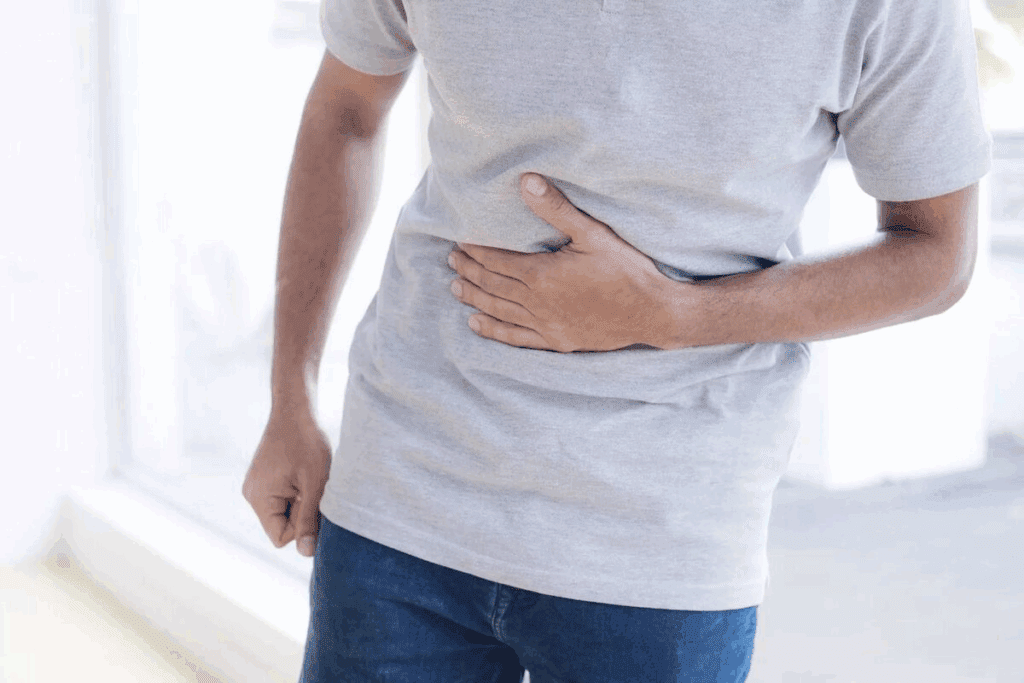
Intestinal blockage, also known as bowel obstruction, is a serious condition that needs quick action. It happens when the small or large intestine gets blocked, causing severe symptoms. Knowing the causes and symptoms is key for proper diagnosis and treatment.
What Is an Intestinal Blockage?
An intestinal blockage stops the normal flow of intestinal contents. This can happen in the small or large intestine, each with its own causes and symptoms. The blockage can be partial or complete, affecting how severe the condition is.
“Intestinal obstruction is a potentially life-threatening condition that demands immediate medical intervention,” say medical experts. The blockage can cause a buildup of food, fluids, and gas. This leads to abdominal pain, nausea, vomiting, and constipation.
Small Bowel vs. Large Bowel Obstruction
The symptoms and causes of intestinal blockage differ based on whether it’s in the small or large bowel. Small bowel obstructions are often due to adhesions from surgeries, hernias, or tumors. Large bowel obstructions are usually caused by colorectal cancer, diverticulitis, or volvulus.
About half of all large-bowel obstructions are due to colorectal cancer. Other causes include twisting of the intestine (volvulus), scar tissue from surgery (adhesions), hernias, and inflammatory diseases. Knowing the cause is important for the right treatment.
Why Intestinal Blockage Is a Medical Emergency
Intestinal blockage is a medical emergency because it can lead to serious complications if not treated. The blockage can cause intestinal tissue death (necrosis), perforation, and peritonitis, which are life-threatening. Quick medical attention is crucial to prevent these complications and ensure effective treatment.
Symptoms of an obstructed bowel include cramping abdominal pain, inability to pass gas or have a bowel movement, nausea, vomiting, abdominal swelling, and constipation. Recognizing these symptoms early is vital for timely intervention and preventing long-term damage.
Common Causes of Intestinal Blockage
It’s important to know why intestinal blockages happen. This knowledge helps in preventing and treating them. Intestinal blockage, or bowel obstruction, occurs when something blocks the normal flow of intestinal contents.
Colorectal Cancer
Colorectal cancer is a major cause of large-bowel obstructions. Tumors in the colon or rectum can narrow the passage. This can block food, fluids, and gases. Early detection and treatment of colorectal cancer are vital to prevent complications such as intestinal blockage.
Adhesions from Previous Surgeries
Adhesions, or bands of fibrous tissue, can form after surgery. They can cause the intestine to twist or kink, leading to a blockage. Adhesions are a common cause of small-bowel obstructions.
Hernias and Intestinal Twisting (Volvulus)
Hernias happen when a part of the intestine bulges through a weak spot in the abdominal wall. This can cut off blood supply and cause an obstruction. Intestinal twisting, or volvulus, is when a loop of intestine twists around its base. This can cut off blood supply and cause a blockage. Both hernias and volvulus require prompt medical attention to prevent serious complications.
Inflammatory Conditions (Diverticulitis, Crohn’s Disease)
Inflammatory conditions like diverticulitis and Crohn’s disease can narrow the intestine. This can cause an intestinal blockage. Diverticulitis is inflammation of small pouches in the colon wall. Crohn’s disease is a type of inflammatory bowel disease. Managing these conditions effectively can reduce the risk of developing an intestinal blockage.
In conclusion, intestinal blockage can be caused by colorectal cancer, adhesions, hernias, intestinal twisting, and inflammatory conditions. Knowing these causes helps in preventing and treating intestinal blockage.
Recognizing the Symptoms of an Obstructed Bowel
It’s important to know the signs of an obstructed bowel to get help quickly. We’ll show you the common signs of an intestinal blockage. This will help you find the right care.
Abdominal Pain Patterns
Abdominal pain is a key symptom of an obstructed bowel. The pain can feel like cramps and come and go, especially in small bowel obstructions. The pain’s intensity can grow as the blockage gets worse. Paying attention to the pain’s pattern is vital for diagnosis.
Nausea and Vomiting
Nausea and vomiting are common signs of an obstructed bowel. The severity of these symptoms depends on the blockage’s location and size. Vomiting might be more severe if the blockage is higher up in the intestine.
Constipation and Inability to Pass Gas
Constipation and trouble passing gas are big signs of an intestinal blockage. These happen because the blockage stops normal bowel movements and gas passage. If you’re constipated and have other symptoms like pain, get medical help right away.
Abdominal Swelling and Distension
Abdominal swelling and distension are also important symptoms. The buildup of intestinal contents before the blockage can cause swelling. This swelling can be uncomfortable and get worse if the blockage isn’t treated.
Spotting these symptoms early can greatly improve treatment outcomes. If you notice any of these signs, please get medical help quickly.
Complications of Untreated Intestinal Blockage
Intestinal blockage can lead to serious and potentially fatal complications if not treated quickly. It can cause a chain of problems that affect the digestive system and overall health.
Intestinal Tissue Death (Necrosis)
Intestinal tissue death, or necrosis, is a severe complication. When the intestine is blocked, the tissue beyond the blockage may not get enough blood. This can cause tissue death. It needs immediate medical attention to prevent more damage.
Perforation and Peritonitis
Perforation of the intestine is another serious issue. It can cause peritonitis, a severe infection of the abdominal cavity. When the intestine perforates, bacteria can spill into the abdominal cavity, leading to a potentially life-threatening infection.
Sepsis and Systemic Infection
If bacteria enter the bloodstream through a perforated intestine, it can cause sepsis. Sepsis is a systemic infection that can be fatal if not treated quickly. It requires immediate medical intervention, often involving antibiotics and supportive care.
Long-term Digestive Complications
Even after the initial blockage is resolved, there can be long-term digestive complications. These may include chronic issues such as bowel obstruction recurrence, malabsorption, and other digestive problems. These can significantly impact quality of life.
| Complication | Description | Potential Outcome |
| Intestinal Tissue Death (Necrosis) | Tissue beyond the obstruction dies due to lack of blood supply | Requires immediate surgery to remove dead tissue |
| Perforation and Peritonitis | Intestine perforates, causing infection of the abdominal cavity | Can lead to sepsis and death if not treated promptly |
| Sepsis and Systemic Infection | Bacteria enter the bloodstream, causing systemic infection | Requires immediate antibiotics and supportive care |
| Long-term Digestive Complications | Chronic issues such as malabsorption and bowel obstruction recurrence | Impacts quality of life, requires ongoing management |
How Doctors Diagnose Intestinal Blockage
Doctors use a mix of physical exams and advanced imaging tests to find intestinal blockages. This method helps us understand the blockage’s nature and how serious it is. It guides us to the best treatment plan.
Physical Examination
The first step is a thorough physical exam. We check the patient’s symptoms, medical history, and do a physical check. We look for signs like abdominal tenderness, distension, or other issues.
Imaging Tests (X-rays, CT Scans, MRIs)
Imaging tests are key in finding intestinal blockages. X-rays show air-fluid levels, which mean there’s an obstruction. CT scans give detailed views of the intestines, showing where and why the blockage is. MRIs are great for looking at the intestines without using radiation.
| Imaging Test | Use in Diagnosing Intestinal Blockage |
| X-rays | Shows air-fluid levels, indicating obstruction |
| CT Scans | Provides detailed images of the intestines, identifying blockage location and cause |
| MRIs | Examines intestines without radiation, useful for detailed assessment |
Laboratory Tests
Laboratory tests are vital for checking the patient’s overall health. They look for signs of infection, dehydration, or imbalances in electrolytes through blood work.
Endoscopic Procedures
In some cases, endoscopic procedures are used. They let us see inside the intestine directly. This helps find the blockage’s cause and check for damage or disease in the intestinal mucosa.
How to Get Rid of Intestinal Blockage: Treatment Steps
Dealing with an intestinal blockage requires different steps, from simple treatments to surgery. Each case is unique, and we tailor our approach to fit the patient’s needs.
Initial Emergency Care
When a blockage happens, quick action is key. We focus on keeping the patient stable, managing symptoms, and avoiding more problems. We check the patient’s hydration and electrolyte levels first.
Bowel Rest and Intravenous Fluids
Resting the bowel is a big part of treatment. We also give IV fluids to fight dehydration and balance electrolytes. This keeps the patient healthy.
Nasogastric Tube Decompression
For some, we use a nasogastric tube to ease stomach and intestine pressure. This tube goes through the nose to the stomach to clear out blockages. It helps reduce belly pain and swelling.
Medications for Partial Obstructions
For blockages that are not complete, we might use medicine. These drugs help with nausea, vomiting, and pain. They make the patient feel better during treatment.
| Treatment Option | Description | Benefits |
| Bowel Rest | Allowing the bowel to recover from obstruction | Reduces strain on the bowel, promoting healing |
| Intravenous Fluids | Managing dehydration and electrolyte imbalances | Maintains patient hydration and electrolyte balance |
| Nasogastric Tube Decompression | Relieving pressure in the stomach and intestines | Reduces abdominal distension and discomfort |
| Medications for Partial Obstructions | Managing symptoms and potentially resolving the blockage | Alleviates nausea, vomiting, and abdominal pain |
Knowing about these treatments is key to managing intestinal blockages. We aim to give full care, from emergency steps to ongoing management. Our goal is to help patients get better and avoid future issues.
Surgical Interventions for Intestinal Blockage
When an intestinal blockage is complete or doesn’t go away, surgery is often needed. This is to stop more problems from happening. Surgery is key when other treatments don’t work or if symptoms are severe.
Types of Surgical Procedures
There are many ways to fix an intestinal blockage, depending on the cause and where it is. The main goal is to fix the blockage, get the intestine working right again, and solve any underlying problems.
- Resection and Anastomosis: Cutting out the blocked part and joining the healthy parts back together.
- Adhesion Removal: Taking out adhesions that block the intestine.
- Herniorrhaphy: Fixing hernias that might be causing the blockage.
- Bypass Surgery: Making a new path around the blocked part to keep things flowing.
| Surgical Procedure | Description | Indications |
| Resection and Anastomosis | Removing blocked intestine and reconnecting healthy sections | Cancer, severe damage, or necrosis |
| Adhesion Removal | Dissecting and removing adhesions causing blockage | Adhesions from previous surgeries |
| Herniorrhaphy | Repairing hernias contributing to obstruction | Hernias causing intestinal blockage |
| Bypass Surgery | Creating a detour around blocked intestine | Severe or complex obstructions |
Minimally Invasive Surgical Options
New surgical methods have made treatments for intestinal blockage better. These new ways aim to make recovery faster, leave less scar, and lessen pain after surgery.
Some of these options include:
- Laparoscopic Surgery: Using small cuts and a camera for the surgery.
- Robotic-Assisted Surgery: Using robots to make the surgery more precise and flexible.
“Minimally invasive surgery has changed how we treat intestinal blockage. It means patients can recover faster and feel less pain after surgery.”
What to Expect During and After Surgery
Knowing what happens during and after surgery can make patients feel more at ease. It helps them prepare for what’s coming.
During surgery, patients are usually asleep. The exact steps depend on the surgery type and the patient’s situation.
After surgery, patients can expect:
- Monitoring in the ICU: Close watch in the intensive care unit to handle any immediate problems.
- Pain Management: Good ways to control pain to keep patients comfortable while they heal.
- Gradual Dietary Progression: Slowly adding foods and liquids to help the intestine heal.
- Follow-up Care: Regular visits to check on healing and answer any questions.
Understanding the surgery options and what to expect helps patients deal with intestinal blockage treatment better.
Recovery and Living After Intestinal Blockage
Recovering from an intestinal blockage requires a few steps. You’ll need to make dietary changes, start physical activity, and make lifestyle adjustments. Always follow your doctor’s advice to recover well.
Hospital Recovery Period
In the hospital, doctors watch over you closely. They manage your pain and any problems that come up. This time is key to avoiding and fixing any issues.
While in the hospital, you can expect:
- Doctors will keep an eye on your health and vital signs.
- They’ll use medicine to control your pain and discomfort.
- You’ll start with fluids and then move to solid foods slowly.
Dietary Progression After Treatment
Changing your diet is a big part of getting better. You might start with liquids and then move to solid foods. It’s important to follow your doctor’s diet plan to avoid problems.
| Diet Stage | Foods Allowed | Guidelines |
| Liquid Diet | Clear broths, electrolyte-rich beverages, water | Stay hydrated; avoid caffeinated and carbonated drinks |
| Soft Foods | Puréed fruits, cooked vegetables, soft proteins | Eat small, frequent meals; chew food thoroughly |
| Normal Diet | Gradually introduce a variety of foods | Monitor your body’s response; adjust as needed |
Physical Activity Guidelines
Moving around is important for your recovery. It helps prevent blood clots and keeps you feeling good. Start with small steps and increase your activity as your doctor suggests.
Good activities early on include:
- Short walks around your home or hospital room.
- Leg exercises to improve circulation.
- Breathing exercises to enhance lung function.
Long-term Lifestyle Adjustments
After you recover, you might need to make some lifestyle changes. These could include eating differently, managing health conditions, and possibly ongoing medical care.
Important long-term changes include:
- Eating a balanced diet rich in fiber.
- Staying hydrated and maintaining a healthy weight.
- Following your healthcare provider’s recommendations for managing any underlying conditions.
By making these lifestyle changes and sticking to your recovery plan, you can lower the risk of future problems. This will also improve your life quality.
Preventing Recurrence of Intestinal Blockage
It’s important to prevent intestinal blockage from happening again. We’ll look at how to lower the risk. This includes changing your diet, managing health issues, and regular medical check-ups.
Dietary Modifications
Changing your diet is key to avoiding future blockages. A balanced diet rich in fiber helps keep your bowels regular. Eat more fruits, veggies, and whole grains. Avoid foods that can cause blockages.
Drinking enough water is also crucial. It helps prevent constipation by making stool softer. Drink water all day to stay hydrated.
Managing Underlying Conditions
For many, blockages are linked to conditions like Crohn’s disease or cancer. Managing these conditions well can lower the risk of another blockage. This includes taking medication, making lifestyle changes, and regular check-ups.
It’s important to work with your doctor to adjust your treatment. This might mean more check-ups, changes to your meds, or other treatments based on your condition.
Follow-up Care and Monitoring
Regular check-ups are key to catching problems early. This includes visits to your doctor and any tests they recommend.
At these visits, your doctor will check your health. They’ll look for signs of complications and adjust your treatment as needed.
Warning Signs of Recurring Blockage
Knowing the signs of a blockage can help you get help fast. Look out for severe pain, vomiting, constipation, and swelling in your belly.
If you notice these symptoms, call your doctor right away. Quick action can prevent serious problems and improve your health.
Conclusion
Intestinal blockage is a serious issue that needs quick medical help. Knowing the causes and symptoms is key. Getting the right treatment is also crucial.
We stress the need for full care, including recovery plans and ways to prevent it from happening again. By changing diets, managing health issues, and seeing doctors regularly, people can do better. This helps avoid future problems.
We aim to offer top-notch healthcare and support to patients worldwide. Our goal is to give people the tools and knowledge they need. This way, they can recover well and avoid intestinal blockage in the future.
FAQ
What are the common symptoms of an intestinal blockage?
Symptoms include abdominal pain, nausea, and vomiting. You might also have constipation, trouble passing gas, and swelling in your abdomen.
What causes an intestinal blockage?
Blockages can be caused by colorectal cancer or adhesions from past surgeries. Hernias, twisted intestines, and conditions like diverticulitis and Crohn’s disease also play a role.
How is an intestinal blockage diagnosed?
Doctors use a physical exam and imaging tests like X-rays and CT scans. They also do lab tests and sometimes use endoscopy to see inside the intestine.
What are the treatment options for an intestinal blockage?
First, you might get emergency care with rest and fluids. A nasogastric tube can help. For more serious cases, surgery is needed.
What are the complications of untreated intestinal blockage?
Untreated blockages can lead to tissue death, perforation, and sepsis. They can also cause long-term digestive problems.
How can recurrence of intestinal blockage be prevented?
To prevent recurrence, eat right, manage health conditions, and follow up with your doctor. Knowing the signs of a blockage is also key.
What is the recovery process like after treatment for intestinal blockage?
Recovery starts in the hospital. You’ll gradually eat more and move more. Making lifestyle changes is also part of the process.
What are the symptoms of a twisted intestine?
Symptoms include severe pain, nausea, vomiting, and constipation. You might also feel bloated.
What is the treatment for a small bowel obstruction?
Treatment includes rest, fluids, and a nasogastric tube. Surgery might be needed for severe cases.
Can surgery cure an intestinal blockage?
Surgery can fix the blockage and help your intestine work right again. But, it depends on the cause and your health.
What are the risks associated with surgery for intestinal blockage?
Risks include infection, bleeding, and adhesions. There are also risks from anesthesia.
How can I manage my diet after an intestinal blockage?
Start with clear liquids and slowly add more foods. Avoid foods that can cause blockages. Follow your doctor’s advice for long-term diet changes.
References:
- Garg, R., Kumar, P., & Kumar, L. (2025). Enhanced Recovery After Surgery (ERAS®) Protocol in Colorectal Resections: A Prospective Observational Study of Implementation and Outcomes at a Tertiary Referral Center. Cureus, 17(7), e12345. https://www.ncbi.nlm.nih.gov/pmc/articles/PMC12374594/