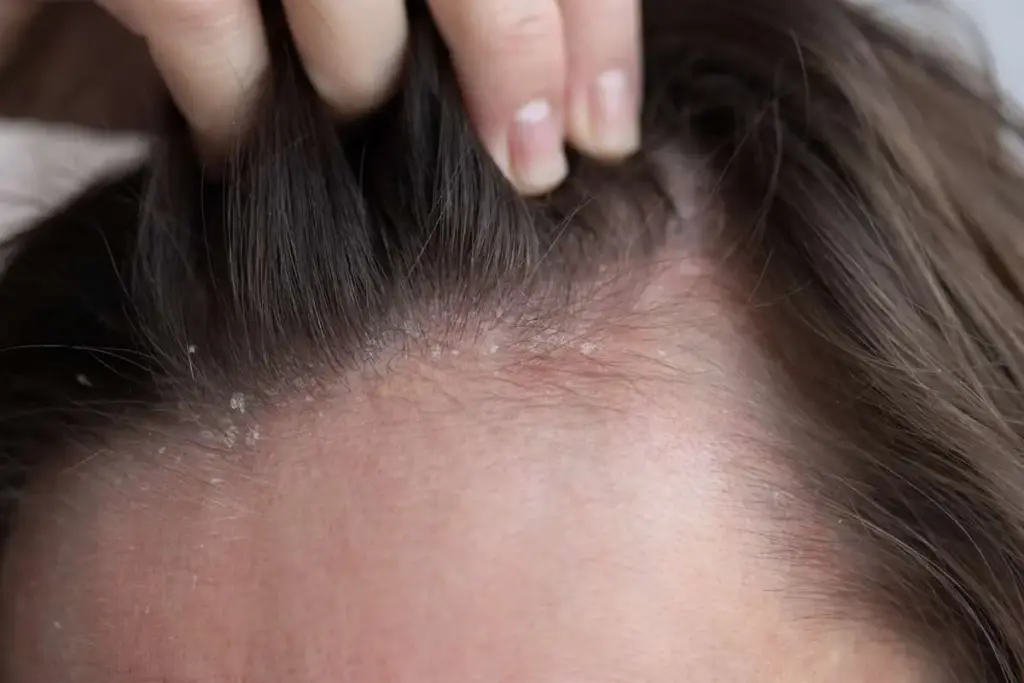
Many people worldwide face skin issues that affect their self-confidence. We know how stressful and hard it can be to manage these problems. Our team is here to help you find a solution that fits your needs.
At Liv Hospital, we offer top-notch healthcare and empathetic support to our international patients. Our dermatologists use proven methods to help you get rid of bumps on scalp safely. We aim to give you the best medical results while making sure you’re comfortable every step of the way.
We’re dedicated to patient-centered solutions that enhance your life quality. Our skilled team provides caring support to help you have a healthy, clear scalp. With advanced tools, we’re here to help you regain your skin’s health.
Key Takeaways
- Millions of people experience skin issues on the head every year.
- Liv Hospital offers specialized medical support for international patients.
- Evidence-based treatments are the most effective way to clear skin.
- Addressing an acne on scalp painful condition is our top priority.
- Compassionate, patient-centered care improves your overall well-being.
- Our expert dermatologists focus on long-term health and comfort.
Understanding Scalp Acne: Causes and Symptoms
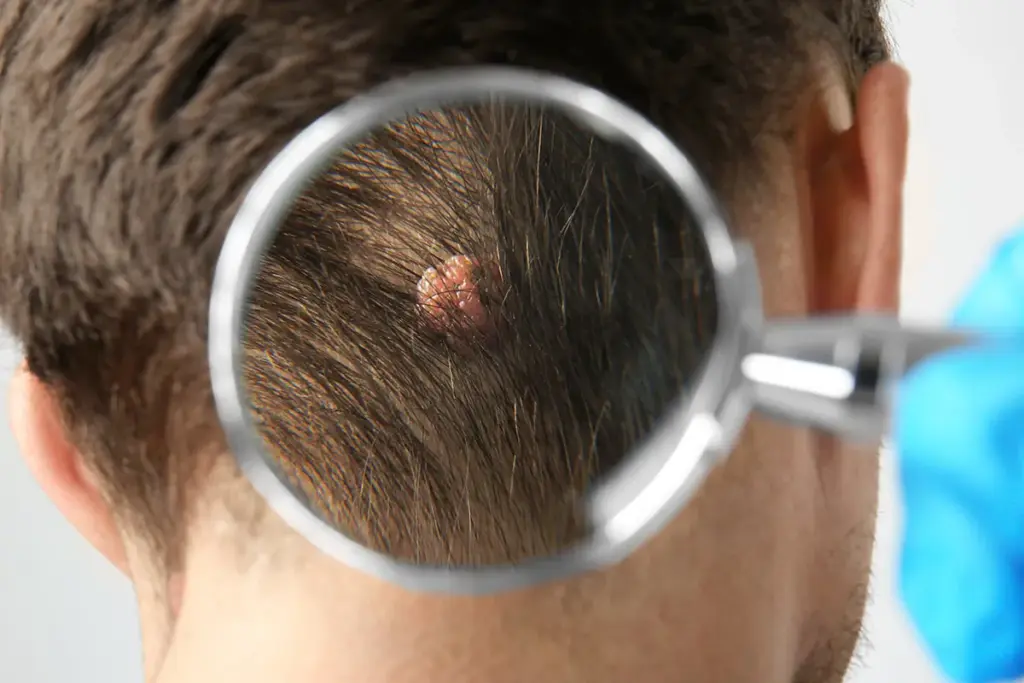
It’s important to know what causes scalp acne and its symptoms. The scalp has many sebaceous glands, making it prone to acne. This knowledge helps in treating and preventing it.
Scalp acne can stem from clogged pores, inflamed hair follicles, and too much sebum. Clogged pores happen when dead skin, oil, and debris block them, causing acne. Hair follicles can get inflamed from shaving, tight hairstyles, or harsh hair products.
What Causes Pimples and Bumps on Your Scalp
Pimples and bumps on the scalp can come from different issues. These include acne cosmetica, scalp folliculitis, and AKN (Acne Keloidalis Nuchae). Acne cosmetica is caused by hair care products that block pores. Scalp folliculitis is inflammation of hair follicles, often from bacteria or fungi.
Too much sebum is also a big factor. The scalp has more sebaceous glands than almost any other body part, except the face. This makes it more likely to get oily and develop acne.
Types of Scalp Breakouts You May Experience
Scalp breakouts can take several forms:
- Pustules: Pus-filled bumps that can be painful and tender to the touch.
- Red bumps: Inflamed areas that can be itchy and uncomfortable.
- Cysts: Large, painful bumps that can lead to scarring if not treated properly.
Identifying Painful Scalp Acne Symptoms
Painful scalp acne symptoms include redness, swelling, and tenderness. In severe cases, it can cause scarring and permanent hair loss if not treated right away.
Look out for these symptoms:
- Red, inflamed areas on the scalp
- Pus-filled bumps or pustules
- Itching or tenderness in the affected area
- Swollen lymph nodes in the neck or behind the ears
How to Get Rid of Pimples on Scalp: Proven Treatment Solutions
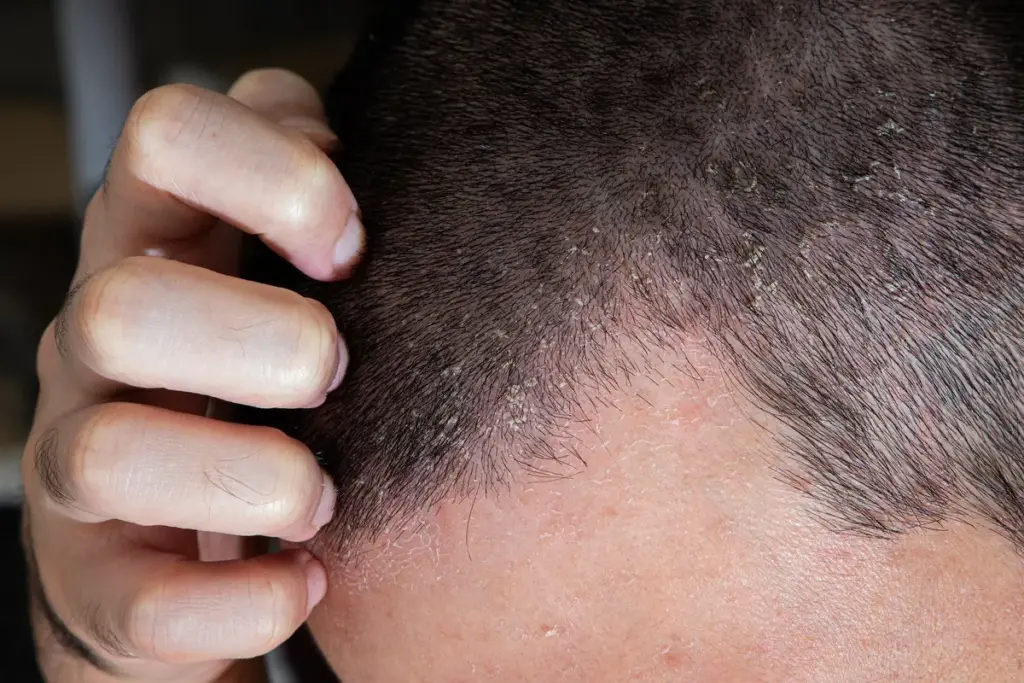
To fight pimples on the scalp, knowing your treatment options is key. You can use medicated shampoos or try advanced medical treatments. Scalp acne may be tough, but it’s not unbeatable.
Step 1: Use Medicated Shampoos and Cleansers
Start by using medicated shampoos and cleansers. These products have ingredients like ketoconazole and salicylic acid. They fight fungal and bacterial growth and prevent clogged pores. Choose a medicated shampoo that’s gentle and fits your scalp type.
- Ketoconazole: Effective against fungal infections
- Salicylic acid: Helps exfoliate the scalp and unclog pores
- Zinc pyrithione: Controls the growth of yeast on the scalp
Step 2: Apply Topical Treatments Directly to Affected Areas
For targeted treatment, use topical creams or gels on the affected areas. These products often have benzoyl peroxide or tea tree oil. They fight bacteria and reduce inflammation. Always follow the product instructions and do a patch test first.
- Benzoyl peroxide: Reduces bacteria and inflammation
- Tea tree oil: Natural antibacterial and anti-inflammatory properties
- Hydrocortisone cream: Helps reduce inflammation and itching
Step 3: Consider Professional Medical Treatments
If your scalp acne is severe or doesn’t get better, see a dermatologist. They can offer personalized treatments like antibiotics or isotretinoin. Seeing a dermatologist is key to managing scalp acne, even if over-the-counter treatments don’t work.
- Antibiotics: To treat bacterial infections
- Isotretinoin: For severe, resistant acne
- Corticosteroid injections: To reduce severe inflammation
Prevention Strategies to Keep Your Scalp Clear and Healthy
To keep your scalp clear and healthy, it’s important to follow a few steps. Start with daily hygiene and make lifestyle changes. This helps prevent scalp acne.
Daily Hair and Scalp Hygiene Practices
Good hygiene is the first step in preventing scalp acne. Wash your hair regularly with a gentle shampoo that fits your scalp type.
Using a medicated shampoo can control fungal and bacterial growth. This helps prevent scalp acne. Also, gently massage your scalp while shampooing to remove dirt and oil.
Key hygiene practices include:
- Regularly washing your hair with a suitable shampoo
- Massaging your scalp gently during shampooing
- Avoiding sharing personal care items like combs and hair accessories
Lifestyle Changes That Reduce Scalp Breakouts
Reducing stress helps prevent scalp acne. Try relaxation techniques like meditation or yoga. Also, eat a balanced diet with fruits, vegetables, and whole grains.
Beneficial lifestyle changes include:
- Maintaining a balanced diet
- Reducing stress through relaxation techniques
- Avoiding tight hairstyles that can irritate the scalp
When to See a Dermatologist at Liv Hospital
If you have persistent or severe scalp acne, see a dermatologist. At Liv Hospital, our dermatologists can help with various scalp conditions.
We create personalized treatment plans. This may include medicated shampoos, topical treatments, or other therapies for your needs.
“Early intervention is key to effectively managing scalp acne and preventing long-term damage.”
Conclusion
Scalp acne can cause a lot of discomfort and even hair loss if not treated right. Knowing what causes and shows scalp acne is key to finding the right treatment. At Liv Hospital, we stress the need to tackle scalp acne to avoid more problems.
By using professional treatments and taking care of your scalp at home, most people see big improvements. Keeping your hair and scalp clean every day helps prevent scalp pimples.
If you keep getting pimples on your scalp and don’t know why, you should get help. Our team at Liv Hospital is here to give you the care you need for scalp acne. We aim to help you have a healthier scalp.
How can I prevent scalp breakouts and keep my scalp healthy?
Maintain a clean scalp, use gentle hair products, avoid excessive oil buildup, and follow a consistent hair care routine.
What causes pimples and bumps on the scalp?
Scalp pimples are caused by clogged hair follicles, excess oil, bacteria, fungal infections, or irritation from hair products.
What types of scalp breakouts may I experience?
Scalp breakouts can include whiteheads, pustules, cystic bumps, folliculitis, or itchy red bumps.
How can I identify painful scalp acne symptoms?
Painful scalp acne often appears as tender, inflamed bumps or cysts that may bleed or cause discomfort when touched.
How should I use medicated shampoos and cleansers for scalp acne?
Use shampoos containing ketoconazole, salicylic acid, or zinc pyrithione regularly to reduce oil, fungus, and inflammation.
How do I apply topical treatments directly to affected scalp areas?
Apply prescribed topical creams or solutions directly on inflamed spots after washing, following your dermatologist’s instructions.
When should I consider professional medical treatments for scalp breakouts?
Seek professional treatments like corticosteroid injections, laser therapy, or prescription medication if breakouts are severe or persistent.
What daily hair and scalp hygiene practices help prevent breakouts?
Wash hair regularly with gentle shampoos, avoid heavy oils, keep brushes clean, and limit tight hairstyles.
What lifestyle changes can reduce scalp breakouts?
Manage stress, maintain a balanced diet, avoid excessive sweating, and limit hair product buildup.
When should I see a dermatologist at Liv Hospital for scalp acne?
Consult a dermatologist if scalp acne is severe, persistent, painful, or causing hair loss or scarring.
References
ScienceDirect. Evidence-Based Medical Insight. Retrieved from https://www.sciencedirect.com/book/9780702051821/dermatology



 Departments
 Related Videos
 Our Doctors
 News
News