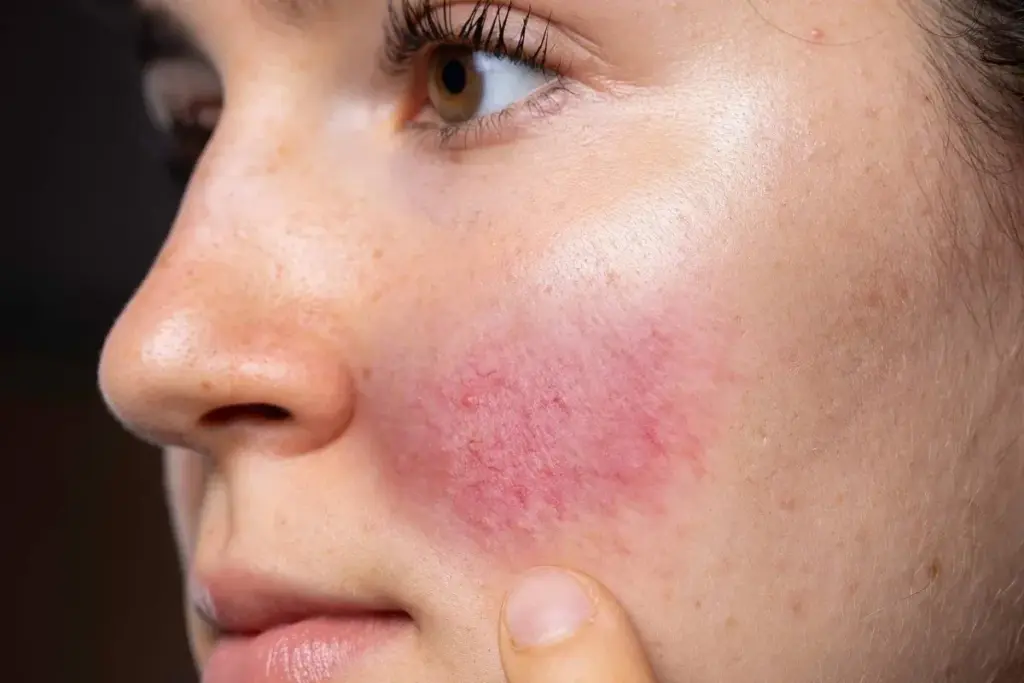
Rosacea is a long-lasting inflammatory condition that affects millions worldwide. It’s a big concern for many, who often ask can rosacea be cured entirely. Our patients seek answers and relief.
We don’t have a cure yet, but we can manage symptoms well. At Liv Hospital, we mix medical know-how with compassionate care for lasting relief. Staying updated with rosacea news lets us use the latest treatments.
New rosacea treatment 2025 options are promising. They help reduce redness and irritation. We use proven methods to protect your skin and prevent future outbreaks. This guide will teach you how to get rid of rosacea permanently with long-term control.
Key Takeaways
- Rosacea is a chronic condition that requires consistent management.
- Identifying and avoiding personal triggers is the first step toward maintaining clear skin.
- Modern medical therapies can significantly reduce visible blood vessels and persistent flushing.
- New advancements in 2025 provide more targeted options for sensitive skin types.
- A professional consultation is essential to create a personalized treatment plan that works.
- Consistent skincare routines and sun protection are vital for preventing symptom recurrence.
Understanding Rosacea: Can Rosacea Be Cured or Ever Go Away?
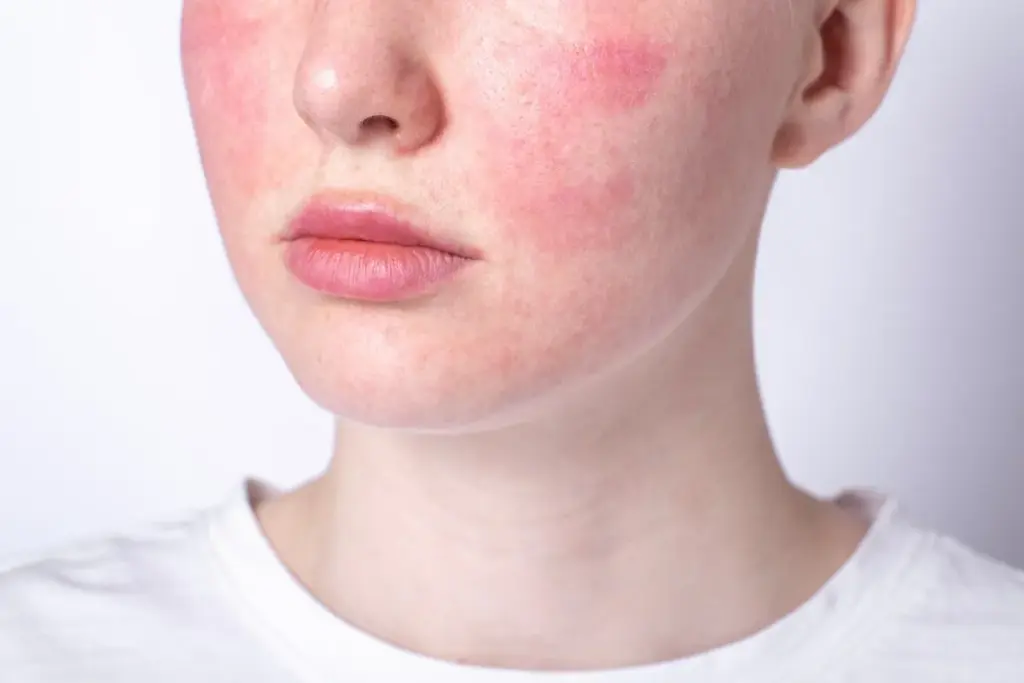
To tackle rosacea, knowing its causes and signs is key. Rosacea is a long-term skin issue with ups and downs. It’s hard to manage.
Why Rosacea Cannot Be Permanently Cured
Rosacea is a chronic condition due to genetics, environment, and lifestyle. There is no permanent cure for rosacea, but treatments can help manage symptoms. Its complex nature makes finding a single cure hard.
Managing a chronic condition is tough, but it’s doable. The right treatment and lifestyle changes can lessen rosacea’s impact. Avoiding personal triggers is also important.
The Four Rosacea Phenotypes and Their Symptoms
Rosacea is not just one condition but a range of symptoms. It’s divided into four main types:
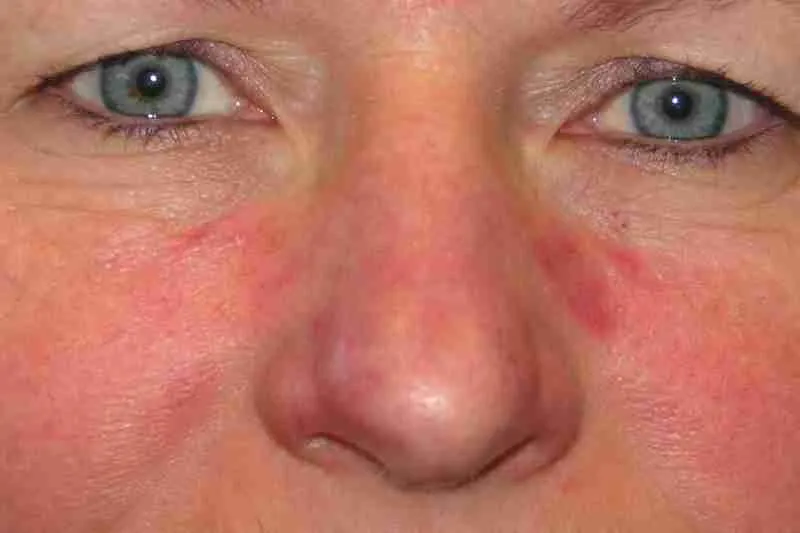
- Erythematotelangiectatic Rosacea: Shows as flushing, redness, and visible blood vessels.
- Papulopustular Rosacea: Has acne-like symptoms like pimples and pustules.
- Phymatous Rosacea: Causes skin thickening, making areas look bigger, often the nose.
- Ocular Rosacea: Affects the eyes, causing redness, irritation, and a gritty feeling.
Identifying Your Personal Rosacea Triggers
Finding your personal triggers is key to managing rosacea. Triggers differ for everyone and can include:
- Dietary factors (e.g., spicy foods, alcohol)
- Environmental factors (e.g., sun exposure, extreme temperatures)
- Lifestyle factors (e.g., stress, certain skincare products)
Keeping a diary to track flare-ups can help find specific triggers. Avoiding or reducing these triggers can lessen rosacea symptoms.
How to Get Rid of Rosacea Permanently: Proven Treatment Strategies for Long-Term Control
To control rosacea symptoms for the long term, a mix of treatments is needed. We’ll look at medical options and lifestyle changes to manage rosacea well.
New Rosacea Treatment Options in 2025
In 2025, new treatments for rosacea offer hope. These include:
- Topical creams and gels that reduce redness and inflammation
- Oral medications that target the underlying causes of rosacea
- Laser therapies that minimize visible blood vessels
These treatments can work alone or together for the best results. It’s essential to consult with a healthcare professional to determine the best treatment plan for your specific condition.
Medical Interventions That Deliver Results
Medical treatments are key in managing rosacea. Some effective options include:
| Treatment | Description | Benefits |
| Topical Metronidazole | Antibiotic gel or cream applied directly to the skin | Reduces inflammation and redness |
| Oral Antibiotics | Medications taken orally to reduce inflammation | Effective for moderate to severe rosacea |
| Isotretinoin | Oral medication for severe rosacea | Reduces symptoms significantly |
Advanced Laser and Light-Based Therapies
Laser and light-based therapies are popular for rosacea. They can:
- Reduce the appearance of visible blood vessels
- Minimize redness and inflammation
- Improve skin texture
Healing Rosacea from the Inside: Diet and Lifestyle Modifications
Managing rosacea goes beyond medical treatments. Lifestyle changes are also important. Avoiding triggers like spicy foods and alcohol helps. Eating a balanced diet with fruits, vegetables, and omega-3 fatty acids also helps skin health.
By using these treatments and making smart lifestyle choices, people with rosacea can control their symptoms. This improves their quality of life.
Conclusion: Your Personalized Roadmap to Getting Rid of Rosacea Symptoms
Managing rosacea well means having a plan that fits you. Rosacea can’t be cured, but its symptoms can be kept under control. Knowing your rosacea type and what triggers it helps you make a plan to lessen its effects.
At Liv Hospital, we help patients create plans that meet their needs. This might include medical treatments, laser therapies, and changes in lifestyle. Taking action and getting advice from experts can greatly reduce rosacea symptoms and improve your life.
If you want to reduce rosacea symptoms, talking to healthcare experts is key. They can help you manage your condition and get clearer skin. Finding the right way to deal with rosacea is a process, but with a tailored approach, you can find what works for you.
FAQ
Can rosacea be cured or go away on its own?
Rosacea cannot be permanently cured, but symptoms can improve with treatment and may go into remission temporarily.
What is the best cure for rosacea to see immediate results?
Topical or oral medications prescribed by a dermatologist, along with laser or light therapies, provide the fastest symptom relief.
How can you reduce rosacea symptoms through lifestyle changes?
Avoid triggers like spicy foods, alcohol, extreme temperatures, stress, and use gentle skincare and sun protection.
I’ve seen “how I cured my rosacea”—is this actually possible?
Complete cures are unlikely; personal stories usually reflect effective symptom management rather than permanent resolution.
Are there any new rosacea treatment updates for 2025?
Emerging treatments include advanced laser therapies, novel topical anti-inflammatories, and microbiome-targeted approaches under clinical trials.
How can I get rid of rosacea or persistent facial flushing?
Use trigger avoidance, gentle skincare, topical/oral treatments, and vascular laser therapy for persistent redness.
How can rosacea be cured permanently through medical intervention?
Permanent cure is not currently possible, but long-term management with medications, laser treatments, and lifestyle adjustments can control symptoms effectively.
References
National Center for Biotechnology Information. Evidence-Based Medical Insight. Retrieved from https://pubmed.ncbi.nlm.nih.gov/33538025/



 Departments
 Related Videos
 Our Doctors
 News
News